Five patterns visible in the folders
- One Balenciaga flap body appears four times in the mini folder across four different finishes, from pink leather to gold and black.
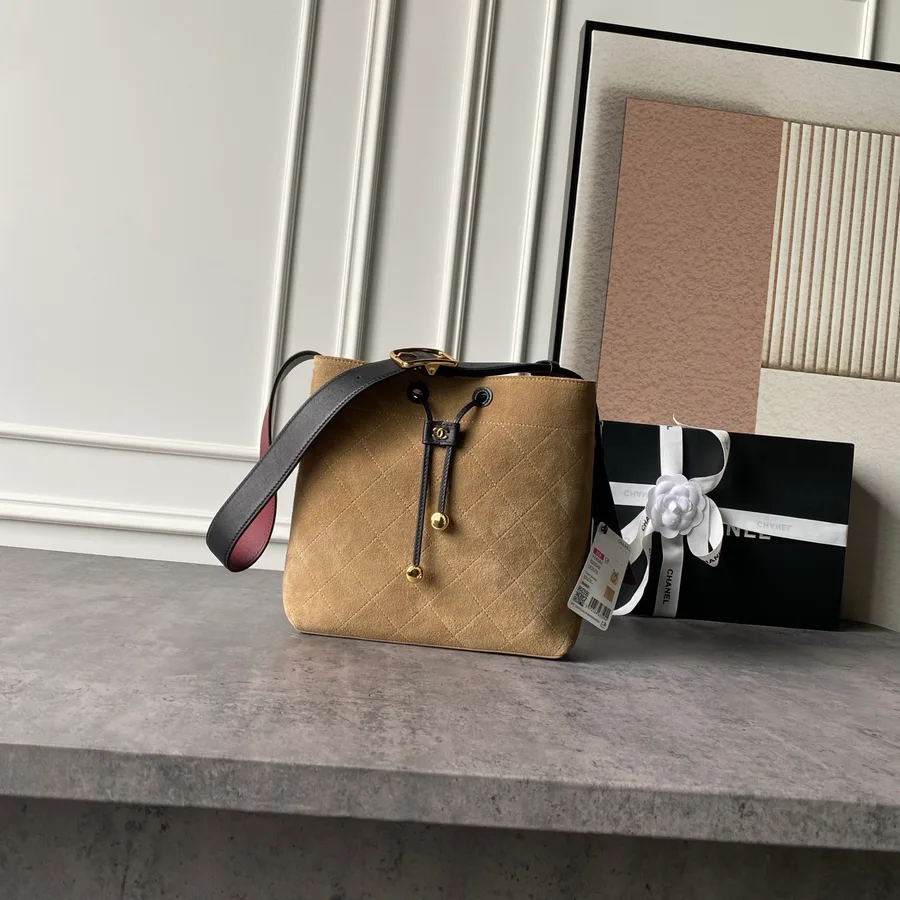
- The tote folder repeats one Chanel body across both quilted and caviar-grained leather, and the same body returns in burgundy as well as black.
- Hardware tone changes inside single folders: some black hobo photos in the shoulder group carry gold-tone fittings and others silver-tone.
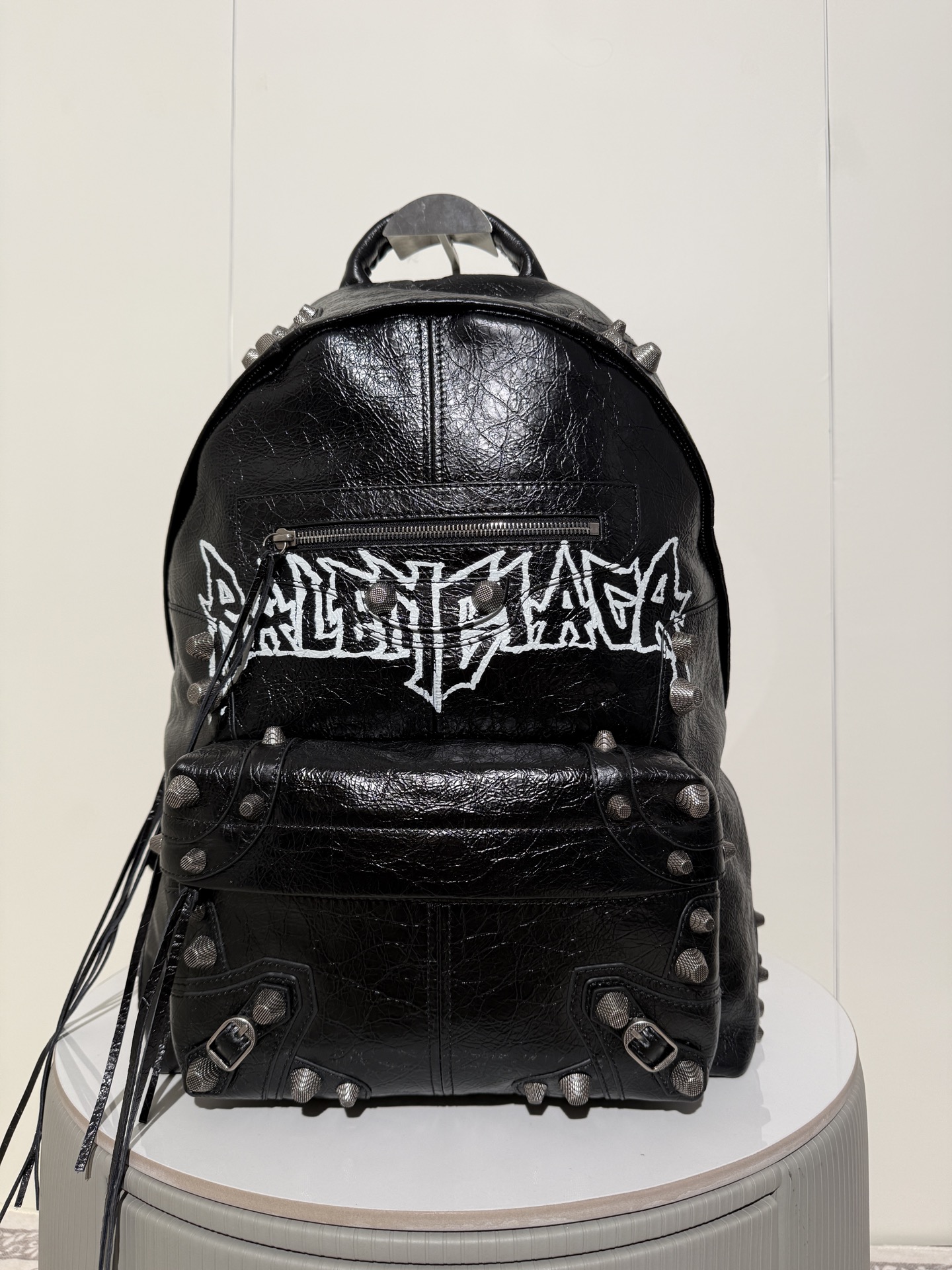
- The travel folder shows one backpack shape in three materials at once — nylon, calfskin and canvas — with the canvas group split across Dior and Louis Vuitton.
- The wallet folder is the clearest series of all: twelve photos of one Chanel card holder, with colour as the only variable.
Look for the repeat, not the novelty
The useful signal is a body that turns up more than once. When the same shape returns in a second colour or a second finish, that shape is being carried forward; a one-off body is more likely to disappear before a follow-up question is answered.
Counting repeats is also the fastest way to spot a colour that is part of a line rather than a single arrival, which matters when the colour is the reason you are looking.
Note what changed between entries
- The finish: grained, smooth, quilted or suede on the same body.
- The hardware tone, because gold and silver alternate inside the same folder.
- The strap: fixed or adjustable, leather or chain.
- The colour family, and whether it returns or appears once.
Keep the note, then re-check
Keep the folder link and the photo of the version you liked. When the next entry lands, the note turns a general question into a specific one: whether the same body came back in the same finish.
If the surface or the tone you noted is missing from the new photos, that is worth saying. It usually moves the answer towards the closest version still in the folder instead of a fresh search.
Series questions
How do I know a shape is part of a line?
It appears more than once in the folders, usually in a second colour or a second finish. A body photographed once is more likely to be a single arrival, so treat it as a reference rather than a series.
Should I ask again when a new entry appears?
Yes, and the note makes it a short question. Name the body, the finish and the tone you saw before, and ask whether the same combination is back — that is answerable from one folder rather than from a new search.