The Italian number, and the conversion the house prints
Bottega Veneta's product pages open a size and fit guide that converts the label rather than your body: the Italian number runs 36, 38, 40, 42, 44, 46, 48 and the corresponding US figures run 0, 2, 4, 6, 8, 10, 12 — a two-step Italian ladder against a two-step US ladder. Women's ready-to-wear is numbered across the 36 to 46 span and menswear begins at 46 and runs higher, so an IT 46 exists on both ladders and is not the same garment. The practical consequence is that an Italian number tells you the size of the block, not the volume of the garment: the same IT 40 can be a structured jacket or a deliberately slouchy knit, and both will be labelled 40.
The cut is described per piece, in words
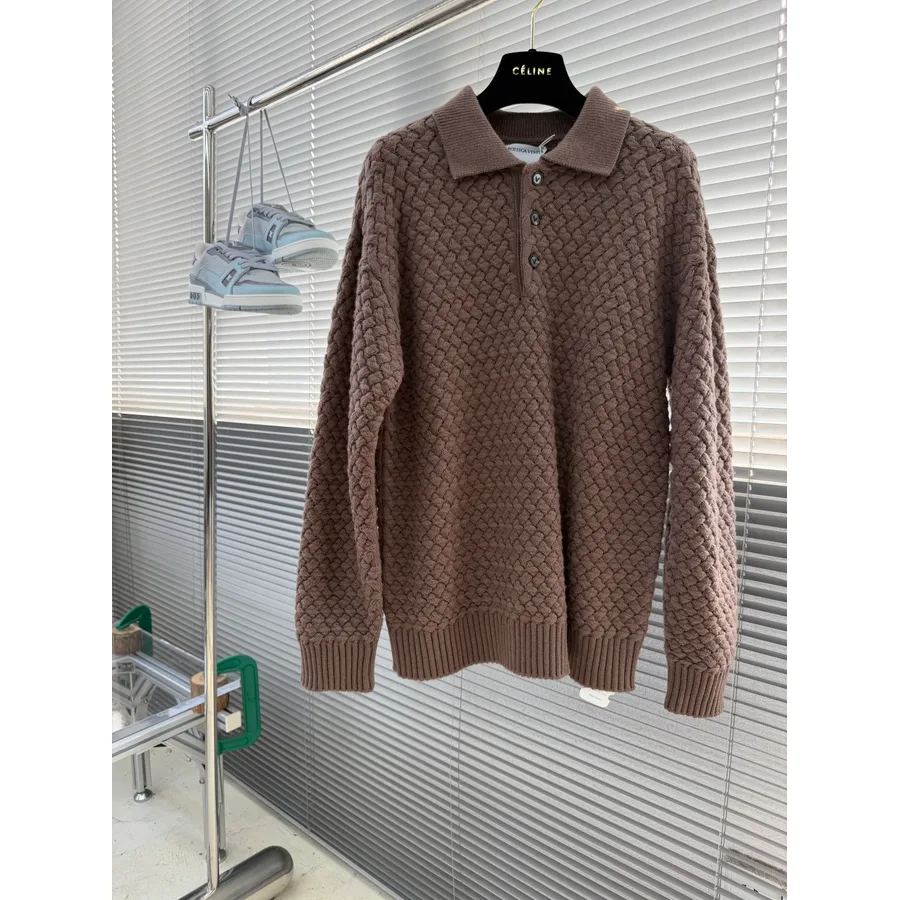
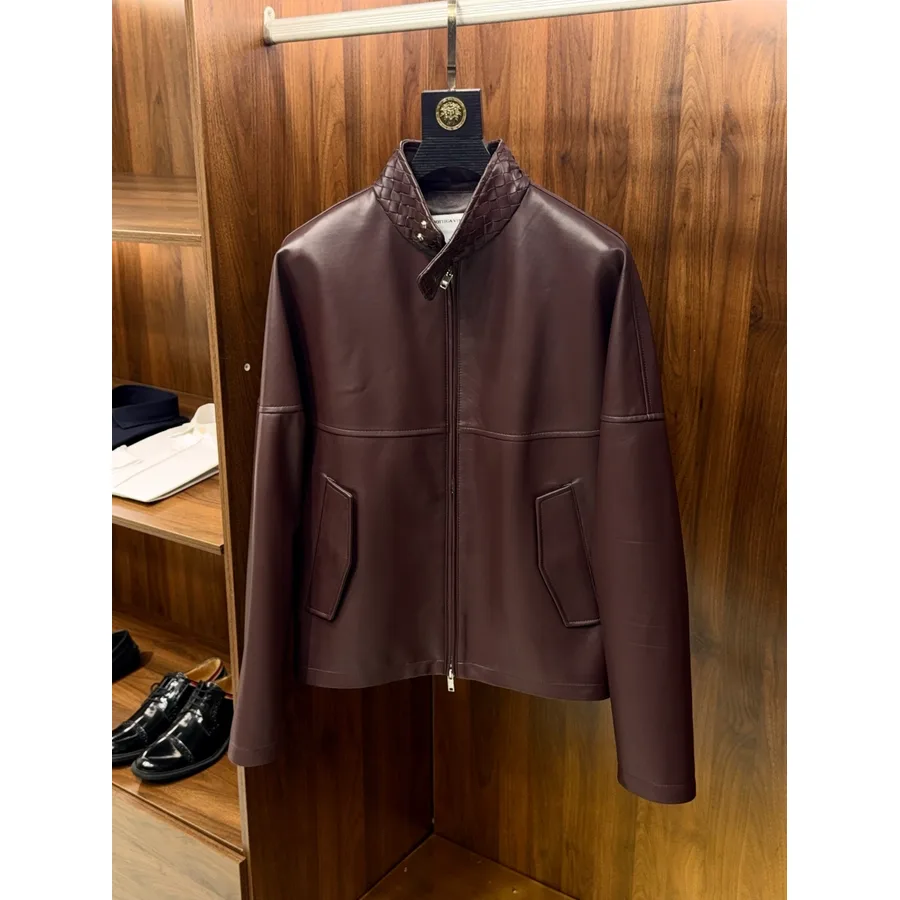
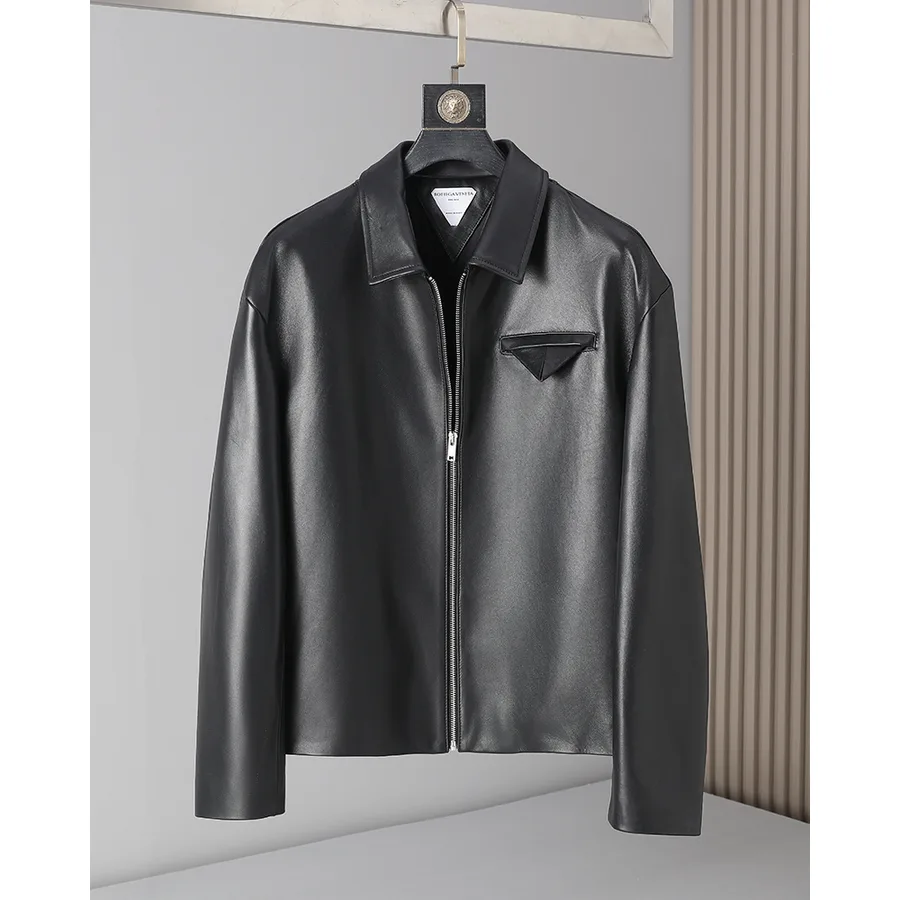
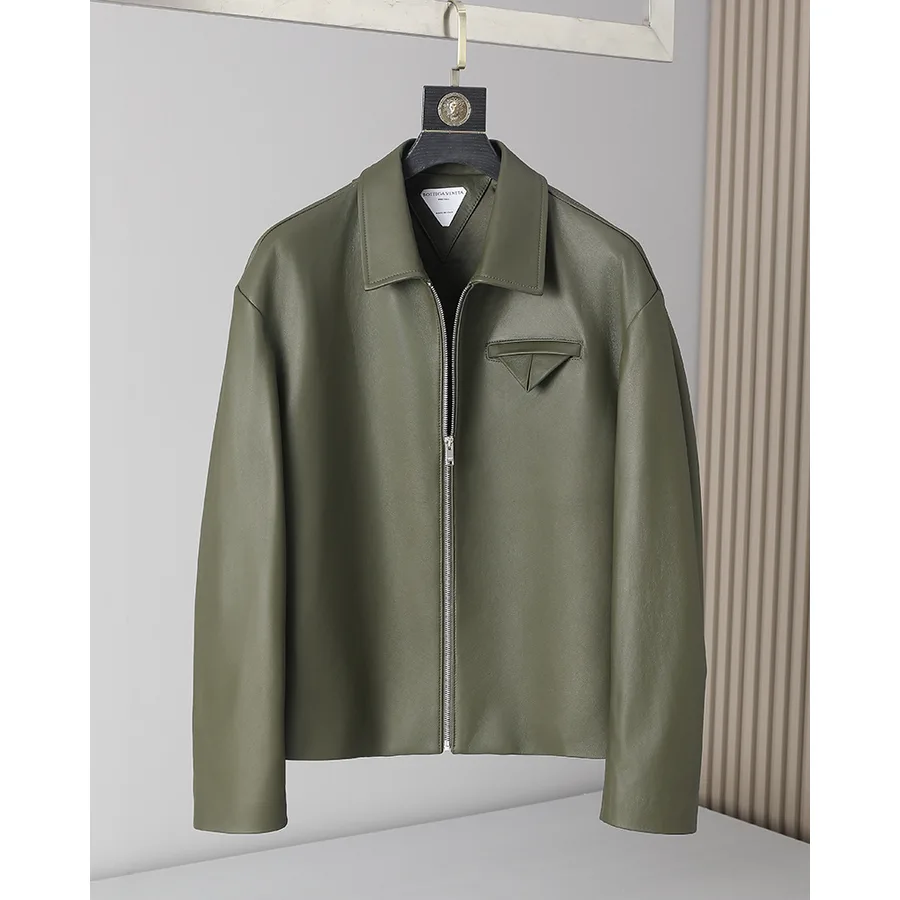
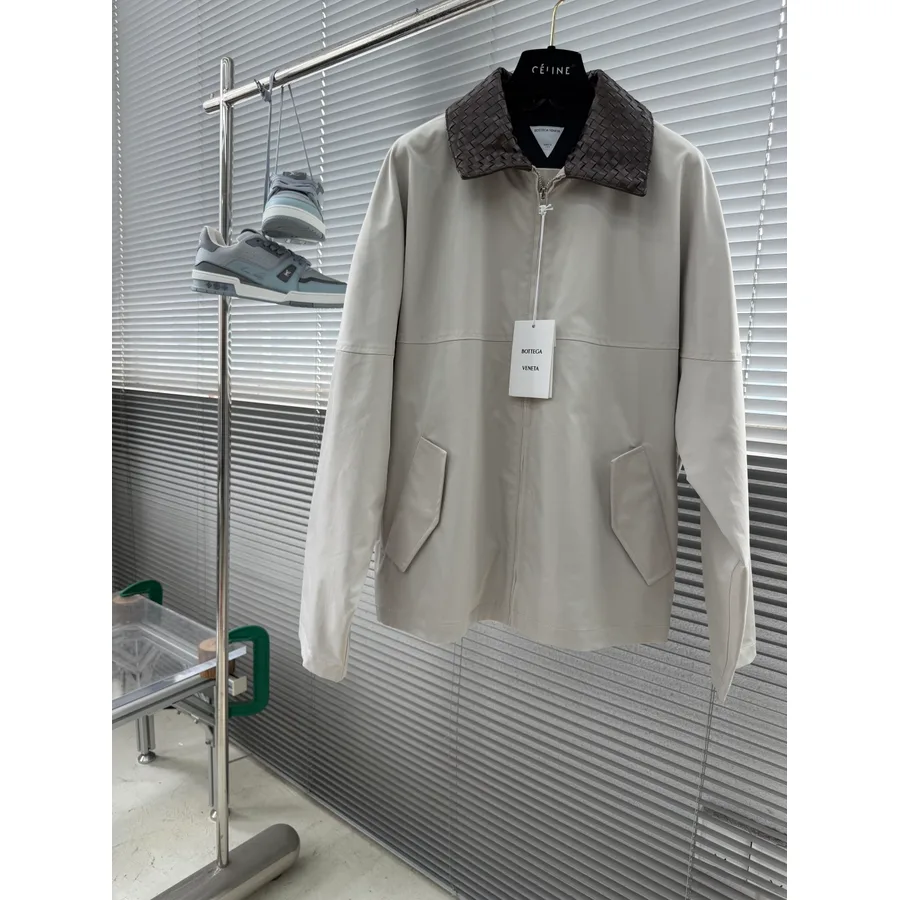
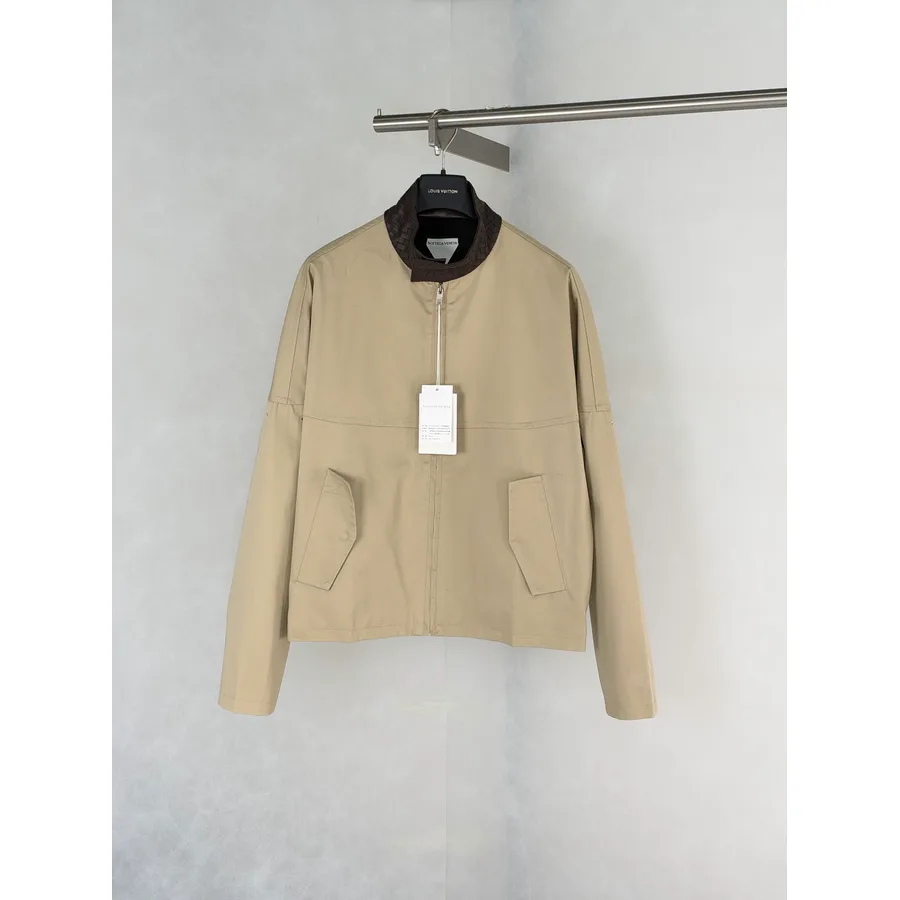
Because the number does not carry the volume, Bottega Veneta describes the cut of each piece in its product details — loose-fit, regular fit, oversized — and that word decides whether your usual number is the right number. Where the cut is deliberately large, retailer fit notes put a number on it: an oversized Bottega Veneta shirt carries the note that it fits large to size and that one size smaller is the recommendation, with the model photographed at 178 cm wearing an IT 38. Read the cut word first, then decide whether to keep or drop a size. On a regular-fit piece there is nothing to compensate for.
The model reference is the anchor
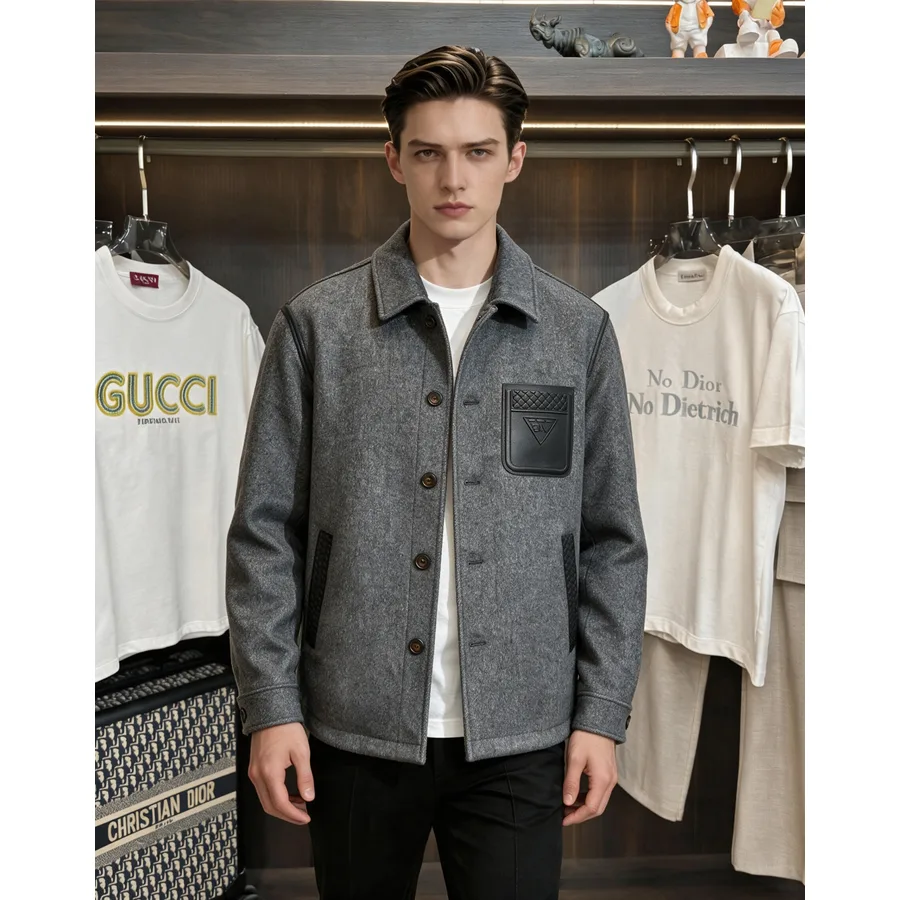
Bottega Veneta's product pages state which size the model is wearing, and the house's size and fit guide gives it with the height: a 179 cm model in an Italian size 39, a 178 cm model in a size 38 on a different piece. That reference answers a different question from the conversion table. It describes the intended relationship between a body and the cut rather than a mapping between two labels, which is why two pages from the same collection can put the same number on a taller and a shorter wearer. When the number and the photograph seem to disagree, the photograph is showing you the design.
Measuring before you ask
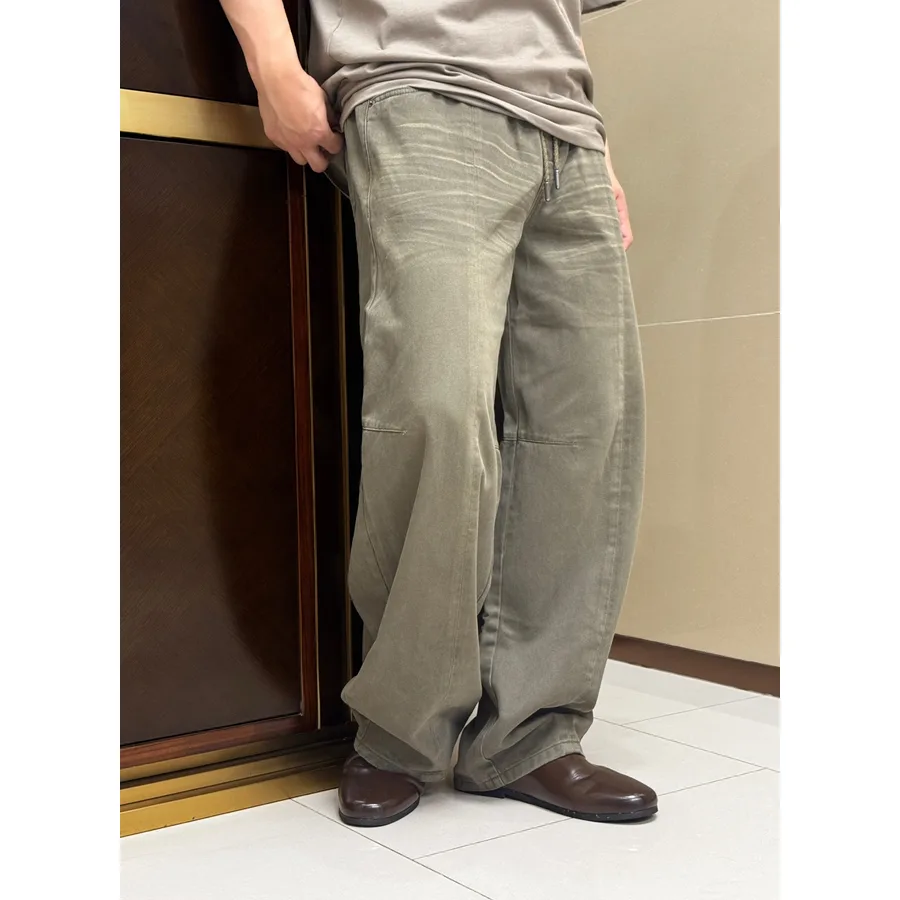
If you want a figure to compare, take four from a garment you already own that fits the way you want: across the chest from underarm seam to underarm seam, shoulder seam to shoulder seam, the sleeve from the shoulder seam to the cuff, and the centre-back length from the collar seam to the hem. On trousers add the outseam and the waist measured flat and doubled. Those are the same figures a shop will take for you, and they remove the Italian-to-US conversion from the conversation — which is the step most size conversations go wrong on, because a US 0 in one house is not a US 0 in another.