EU 39 is stable on the label, not in every centimetre column
Fendi's women's shoe conversion places EU 39 beside UK 6, US 9 and a 25 cm JP/MX label. A separate published foot-length chart maps EU 39 to roughly 24.6 cm. Both figures can be correct because the JP/MX number is a size label rather than a promise that the inside of the shoe measures exactly 25 cm. That distinction matters at the top and bottom of the range. Start with the marked EU size, then compare the longest foot to an insole measurement if the listing provides one. Do not treat a 25 cm label as a 25 cm insole.
Sneakers and loafers ask about depth before length
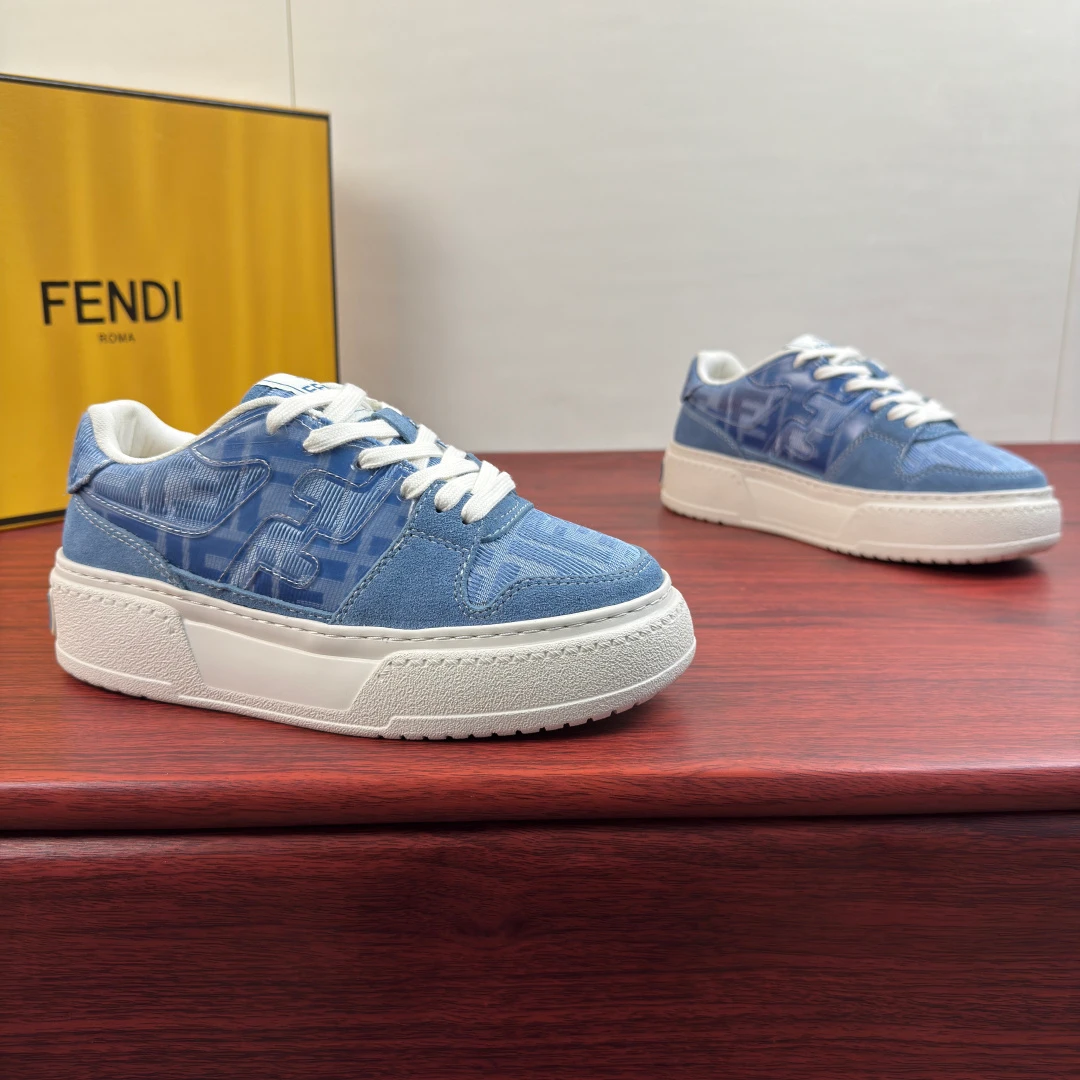
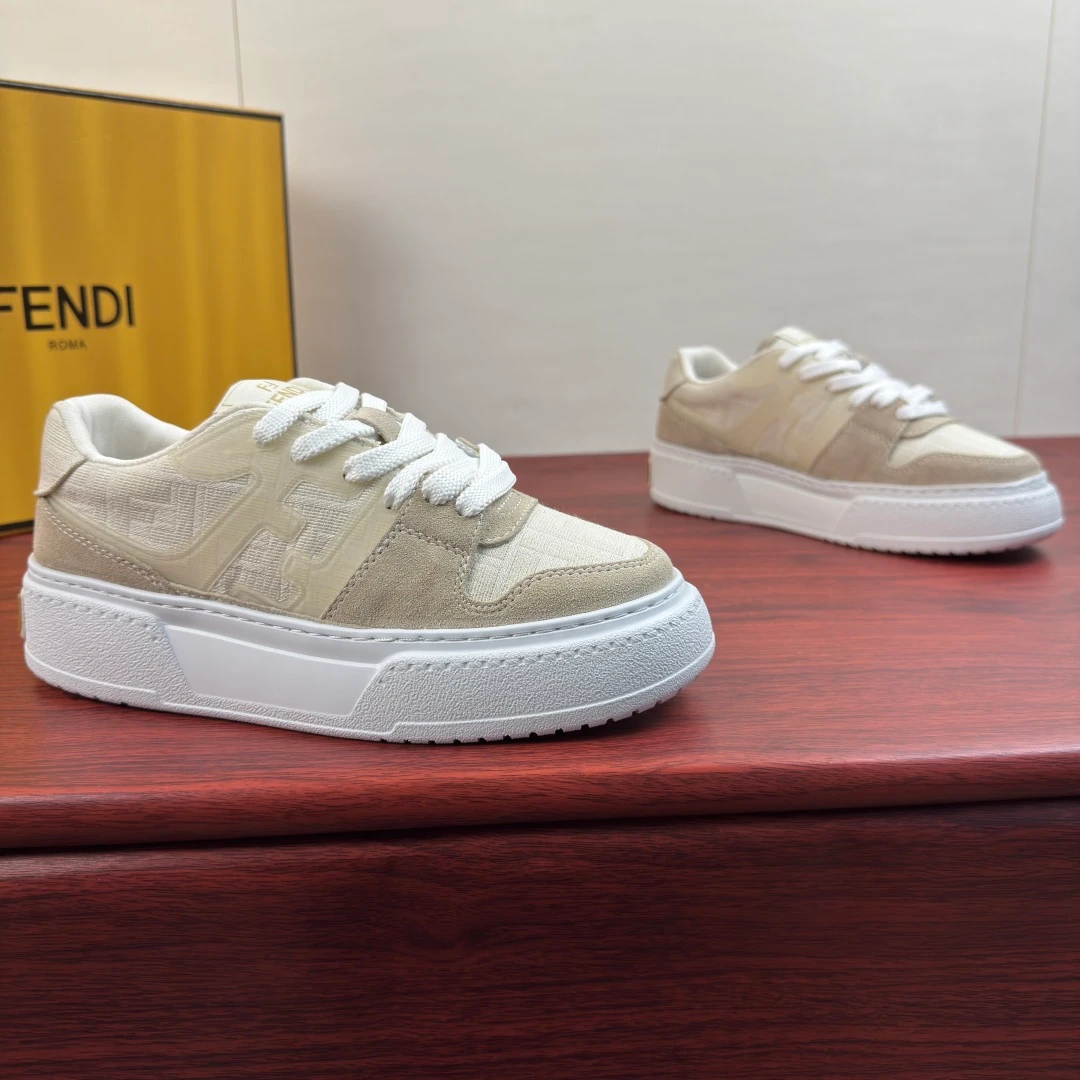
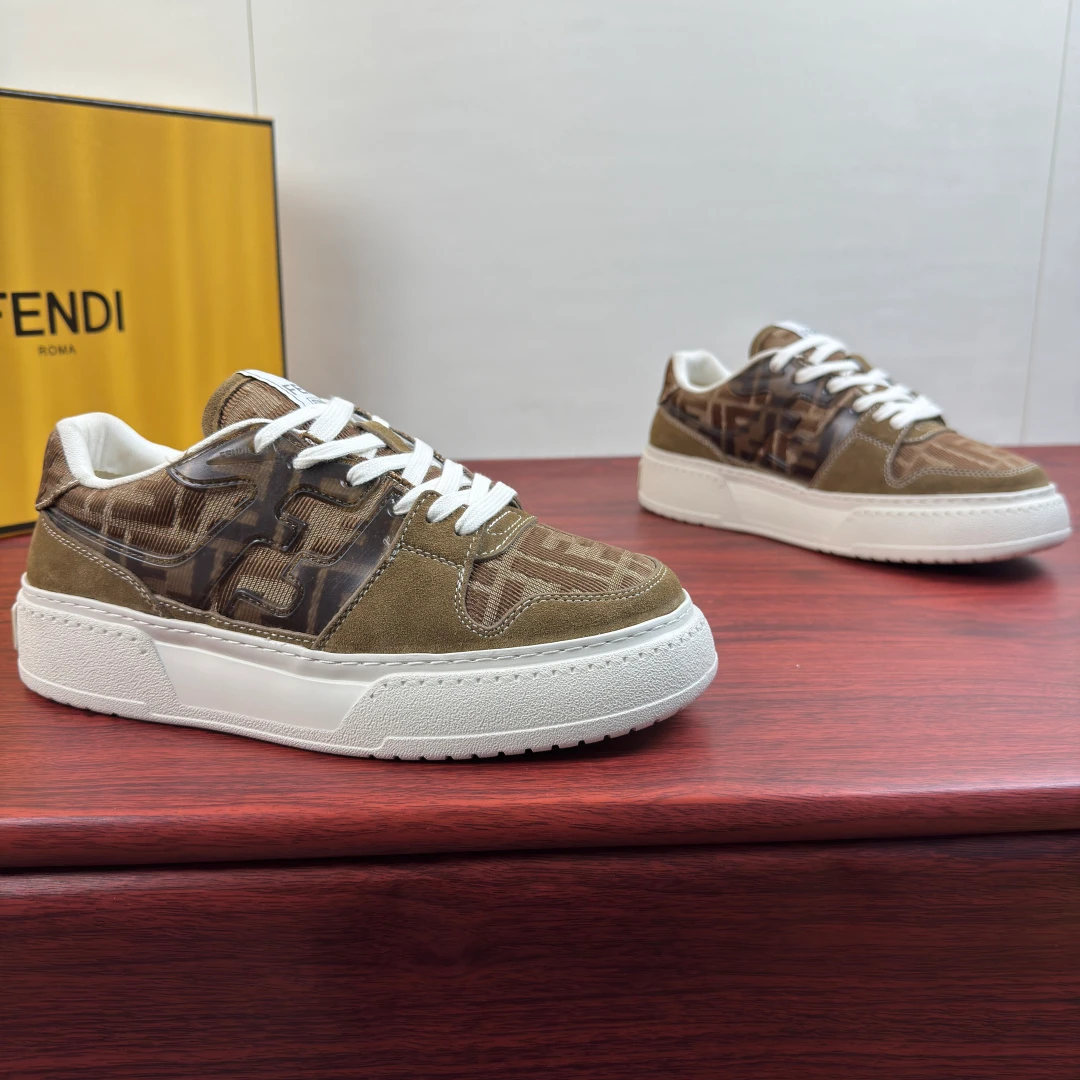
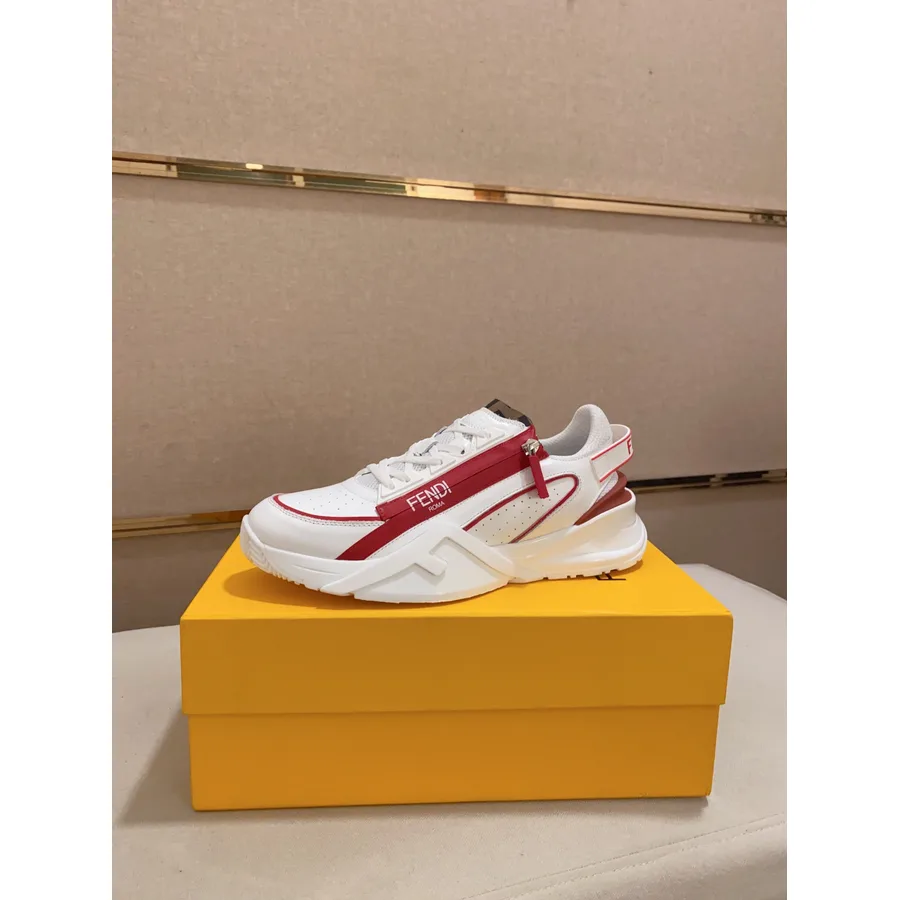
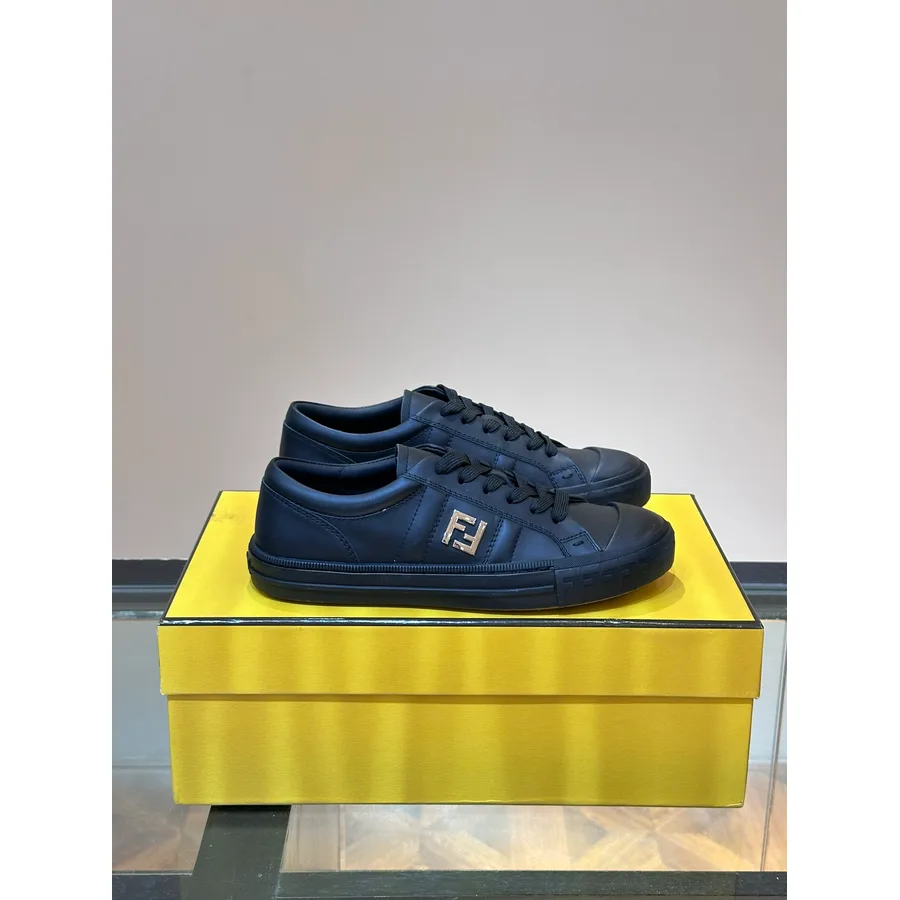
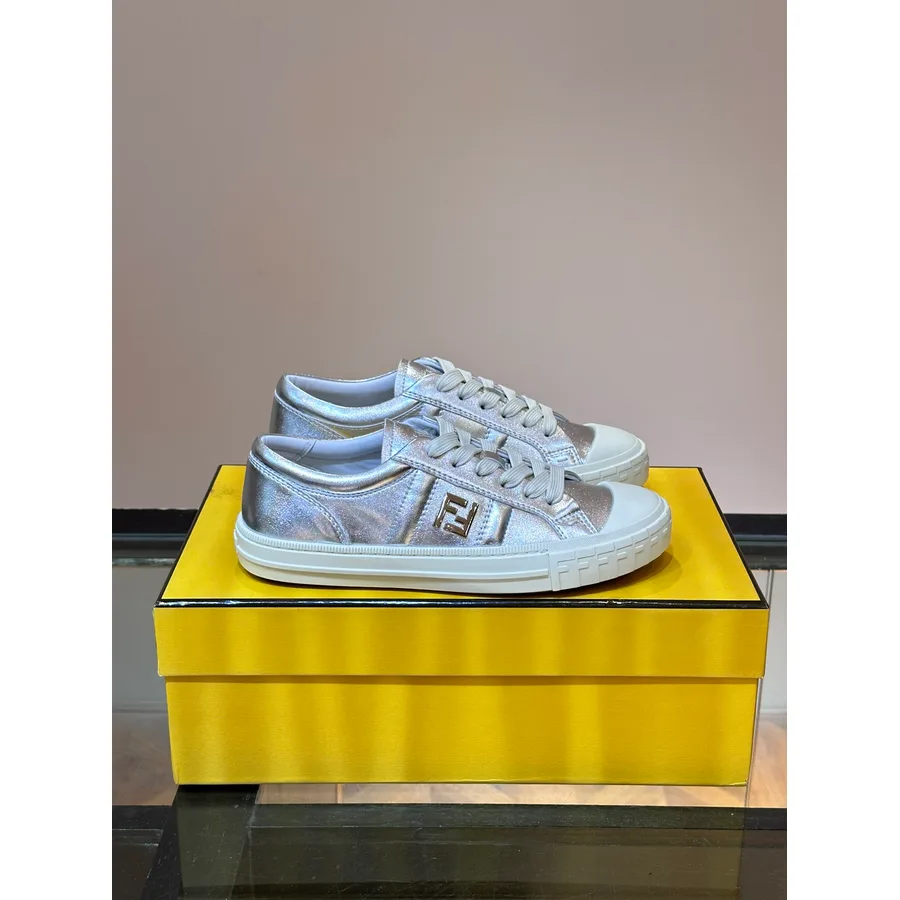
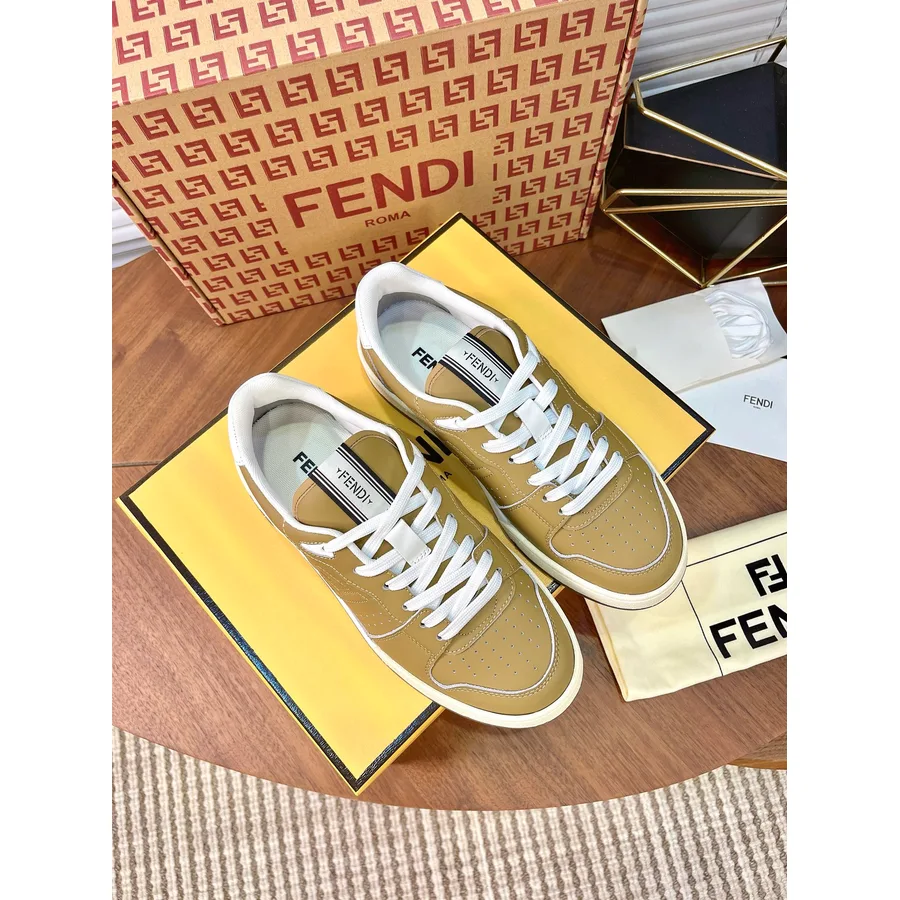
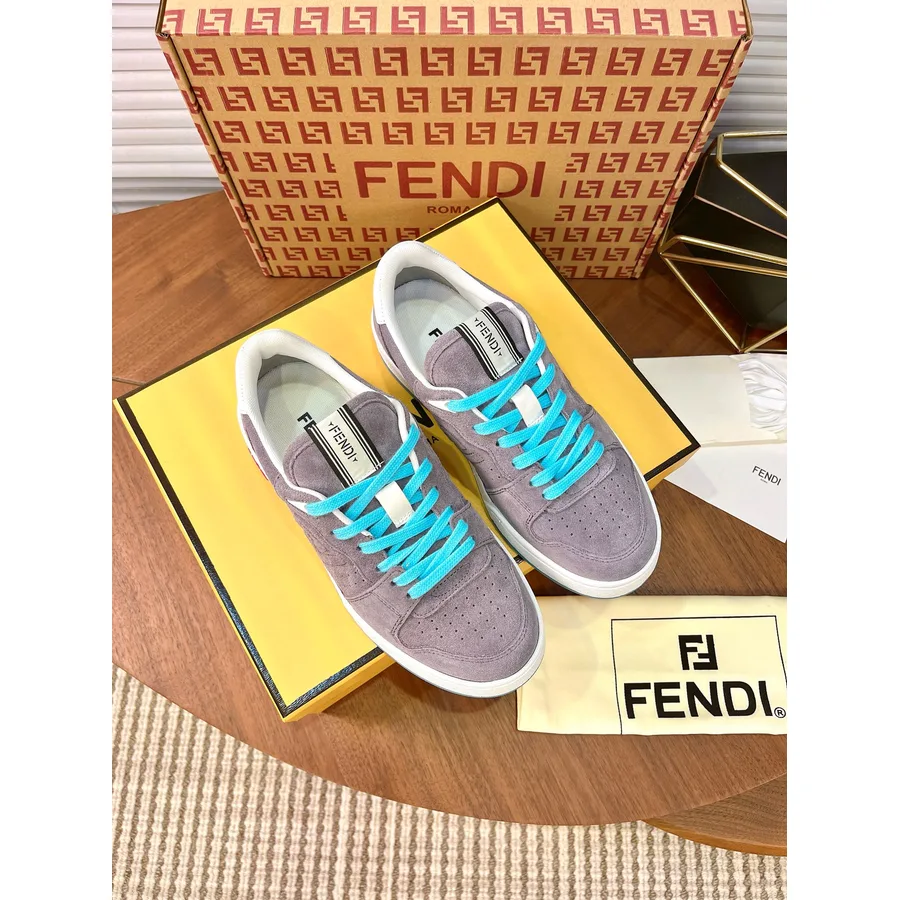
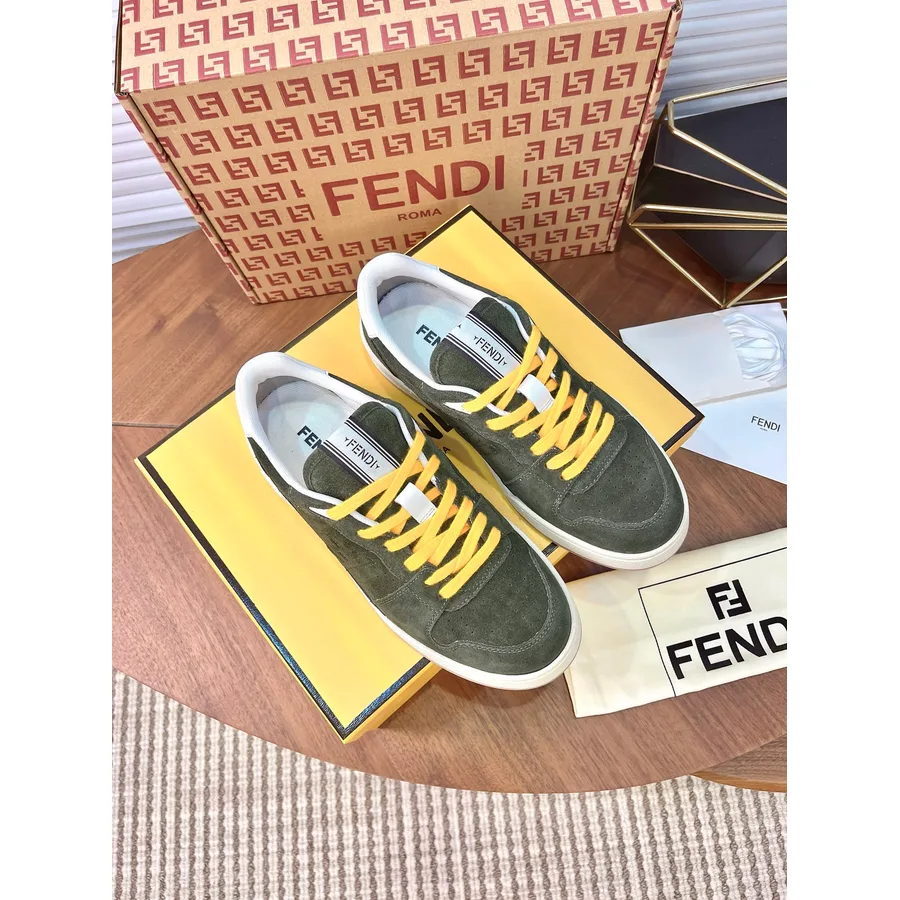
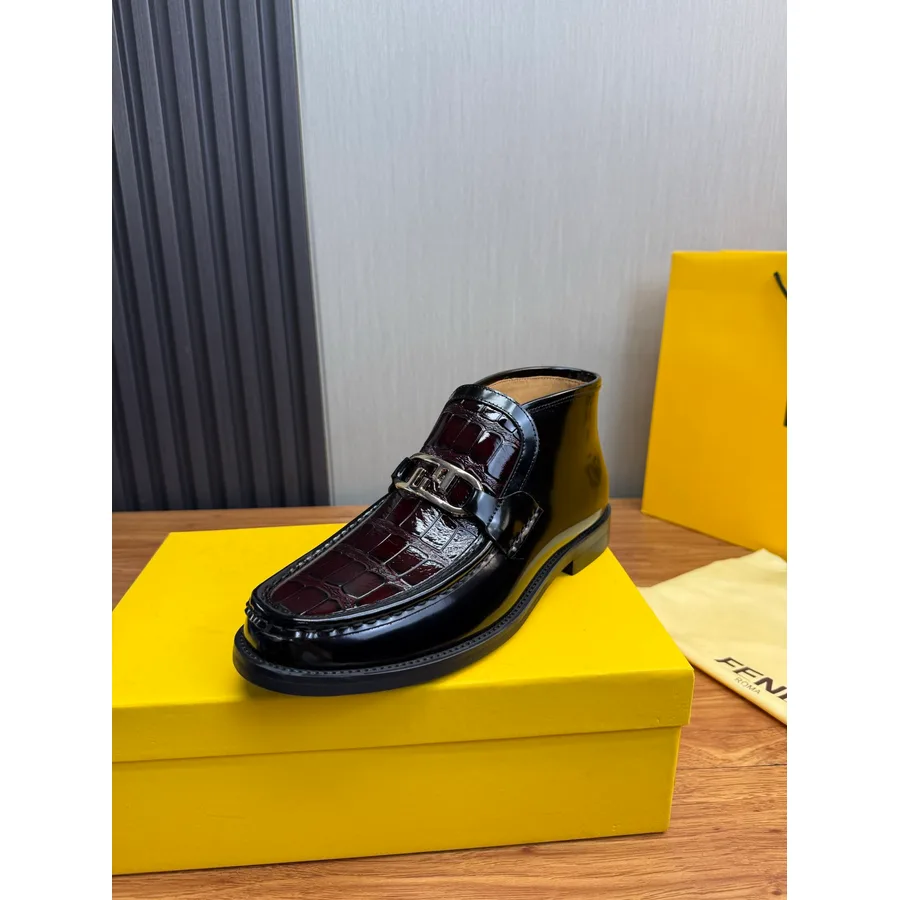
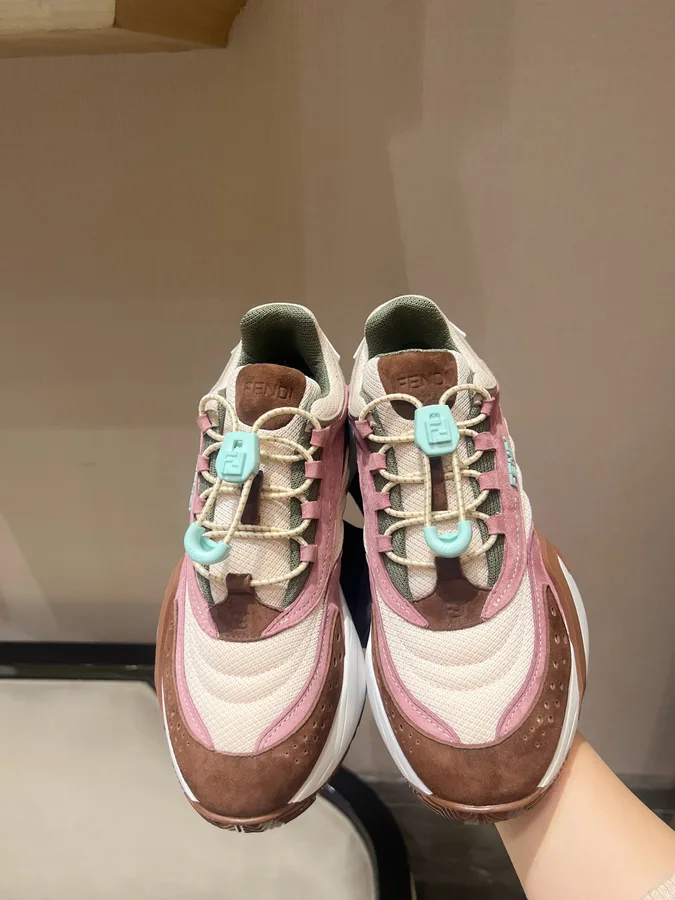
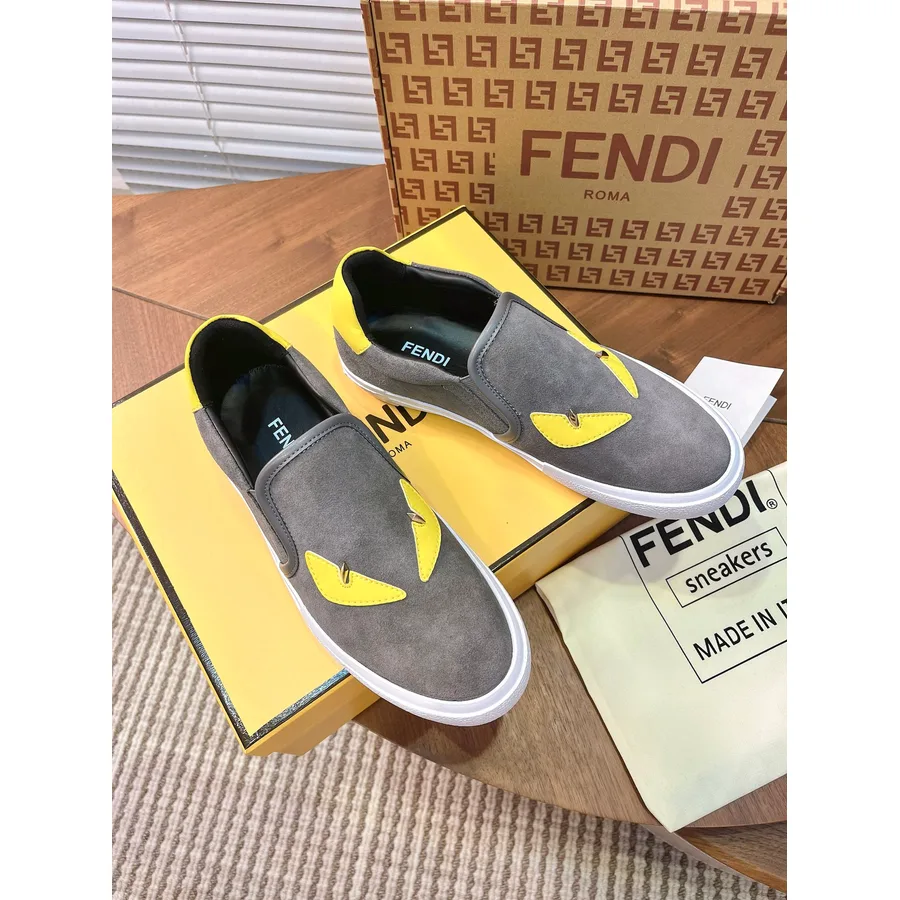
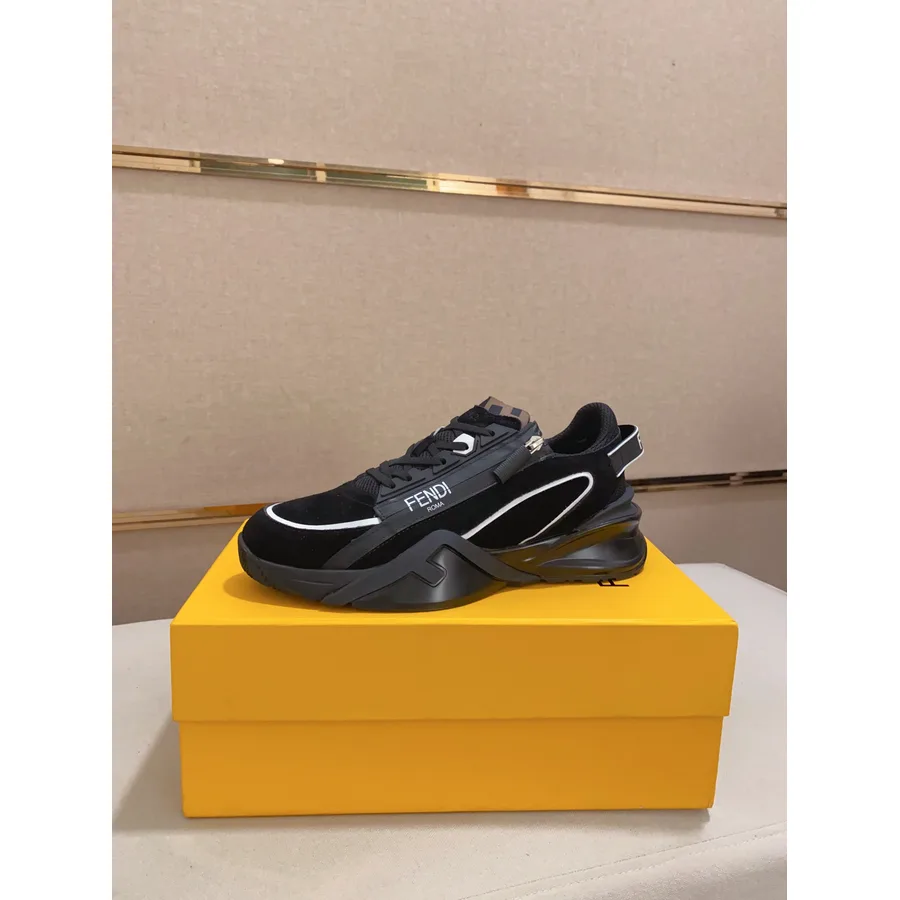
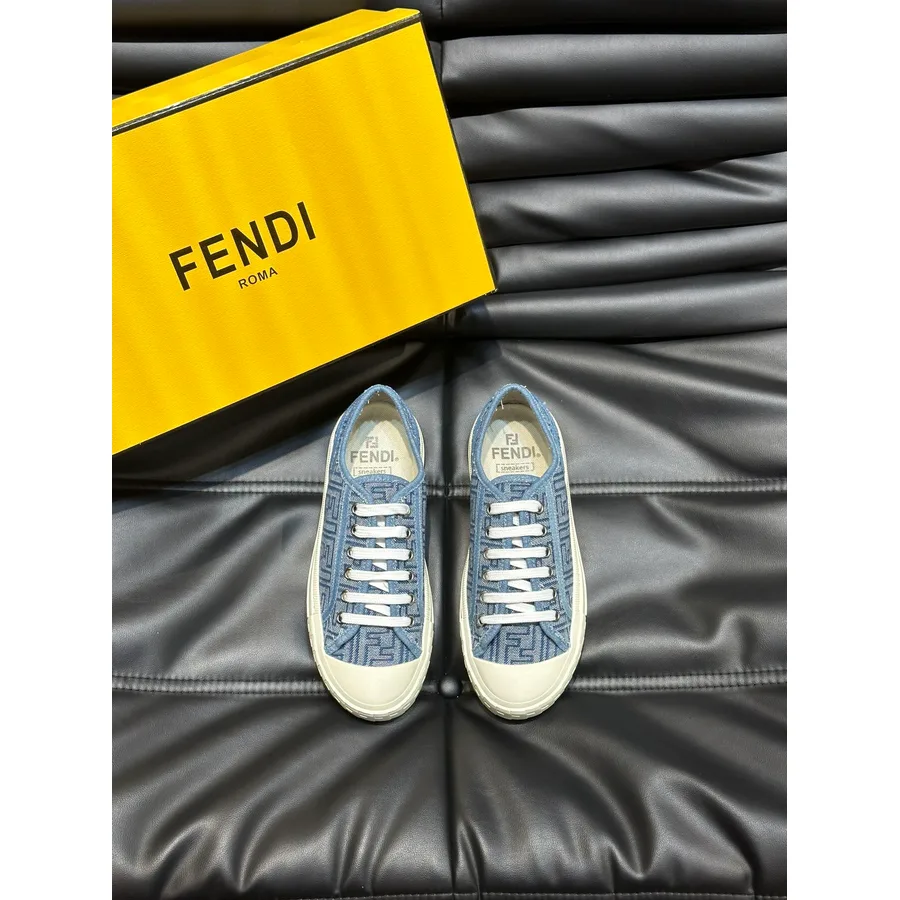
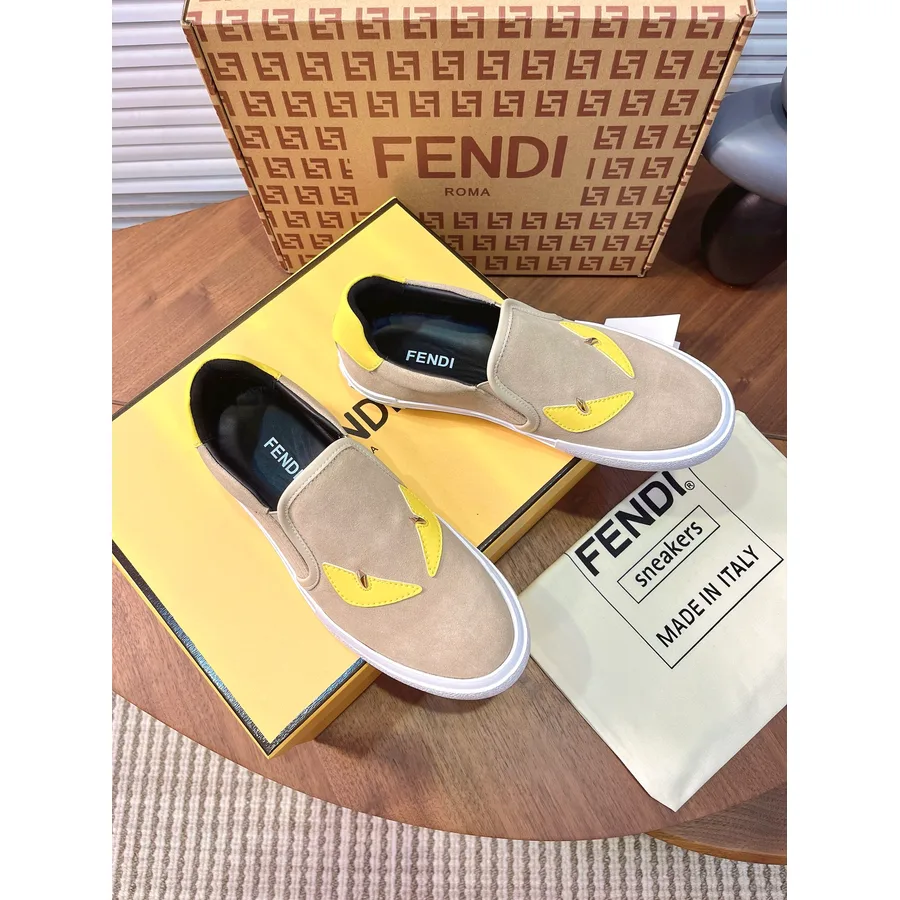
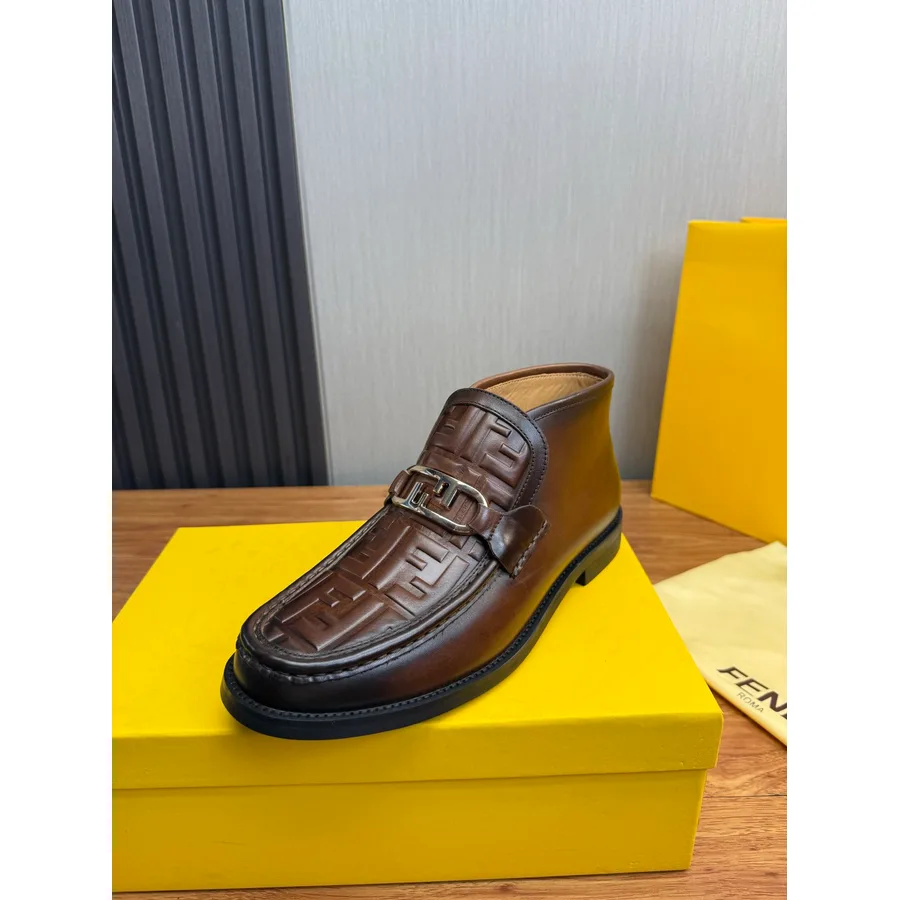
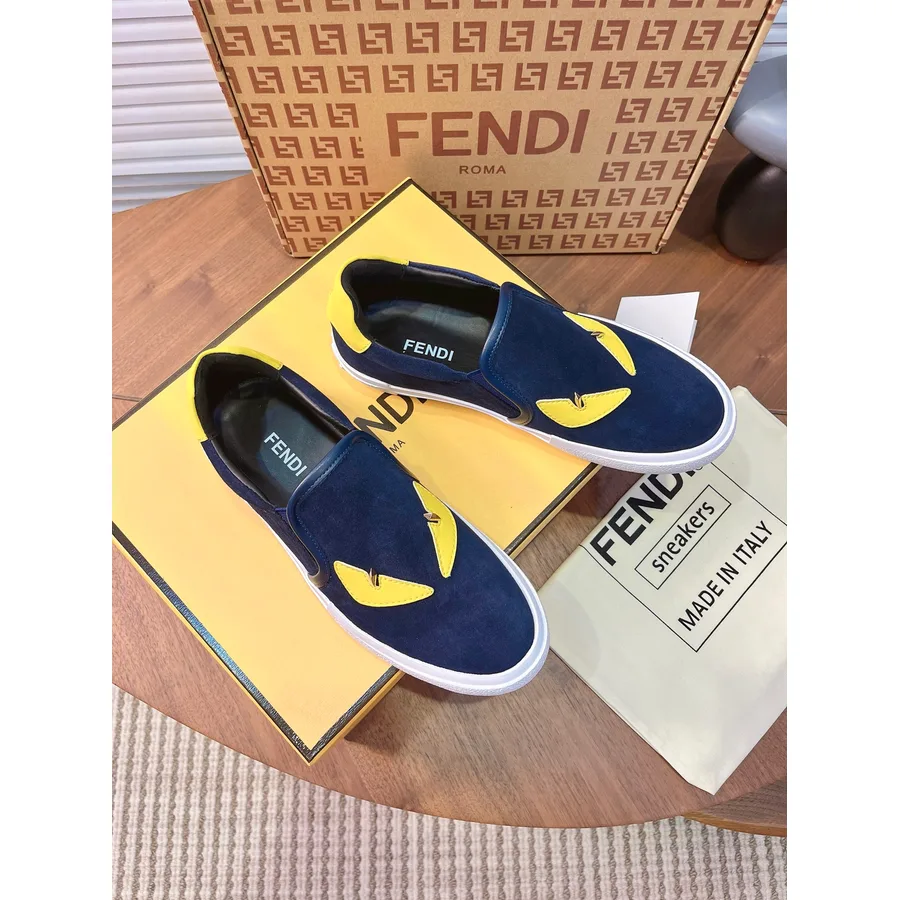
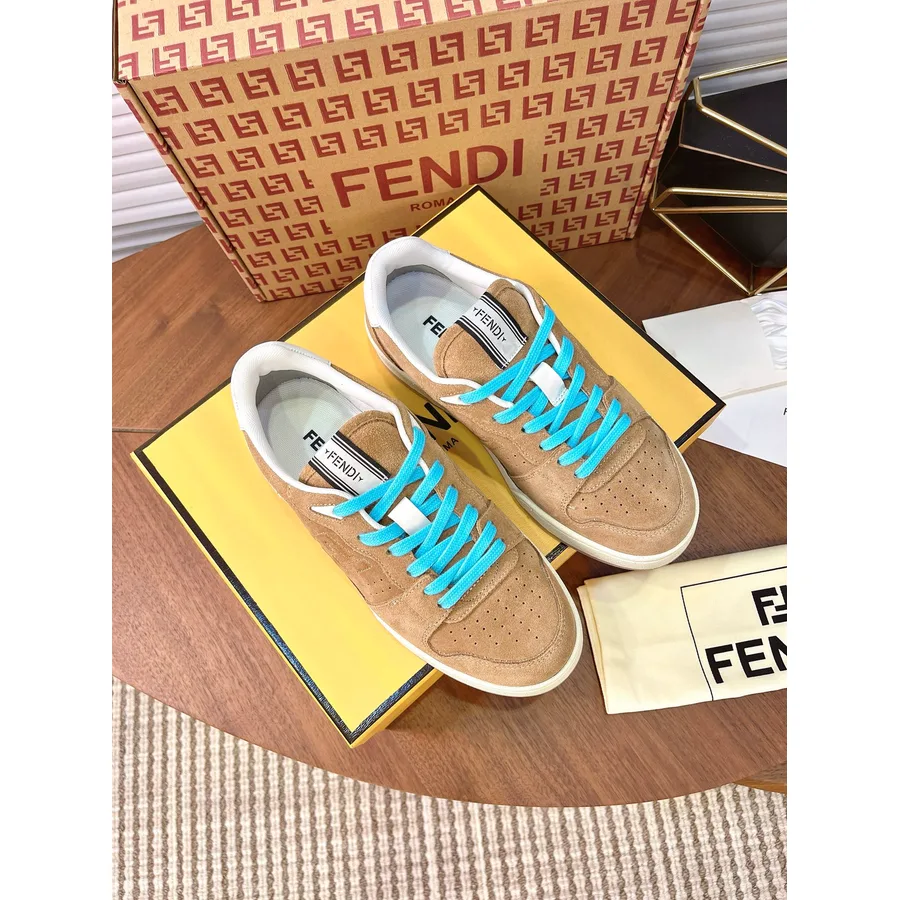
A sneaker has a padded collar and more volume over the instep; a loafer has a lower throat and a more fixed vamp. Two shoes in the same EU 39 can therefore feel generous in one and close in the other. For a sneaker, ask for the insole length and the width across the forefoot. For a loafer, ask for the inner length and whether the suede or smooth leather upper has any give. A patent finish is the least forgiving, while soft suede can settle around the foot. These are construction properties, not a claim that every Fendi loafer runs large or small.
Slingbacks and boots expose the heel hold
A slingback depends on the strap tension across the back of the heel, and a boot adds shaft circumference and calf fit. The foot length may match while the strap sits too low or the boot shaft is too narrow. Ask for the strap length and the distance it sits below the heel, or for the shaft height and circumference on a boot. If the piece is a pointed slingback, compare the toe shape with a shoe you already wear; a pointed front removes volume even when the length is correct. These measurements explain why the same marked EU number can work in a sneaker and fail in a heel.
Material changes the feel across a broad Fendi shoe catalogue
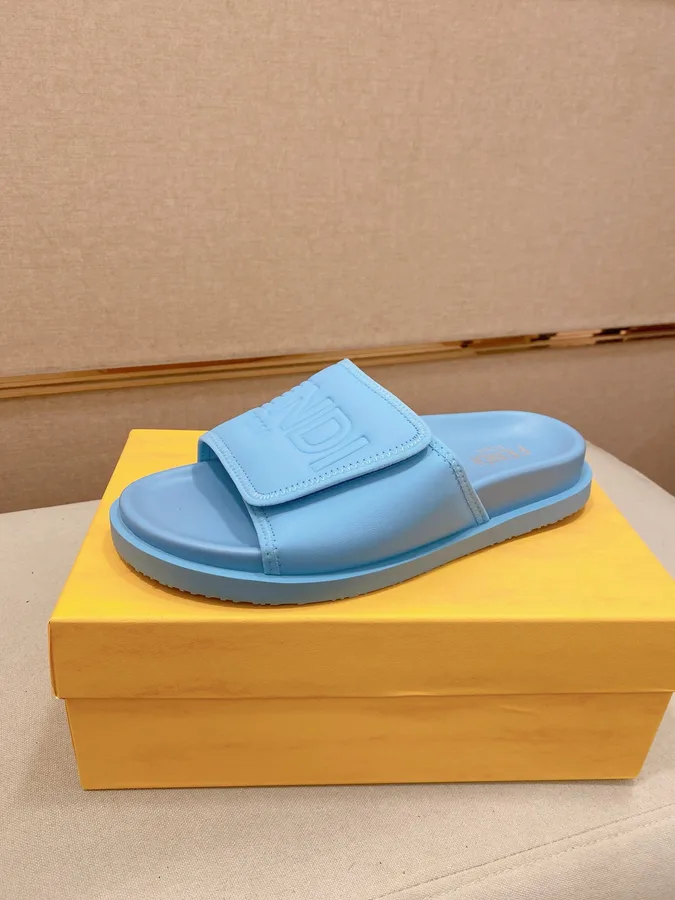
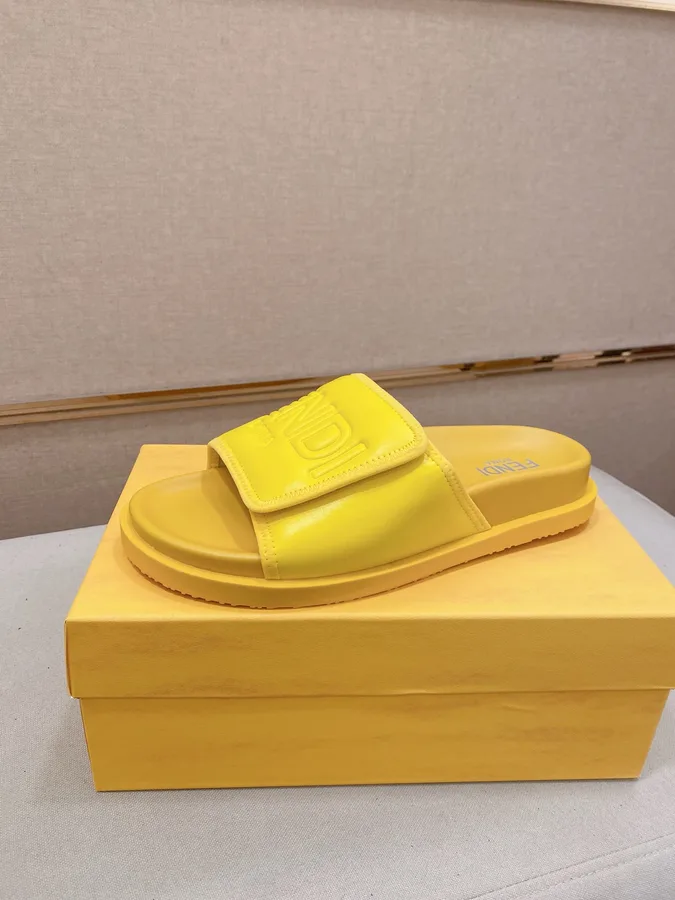
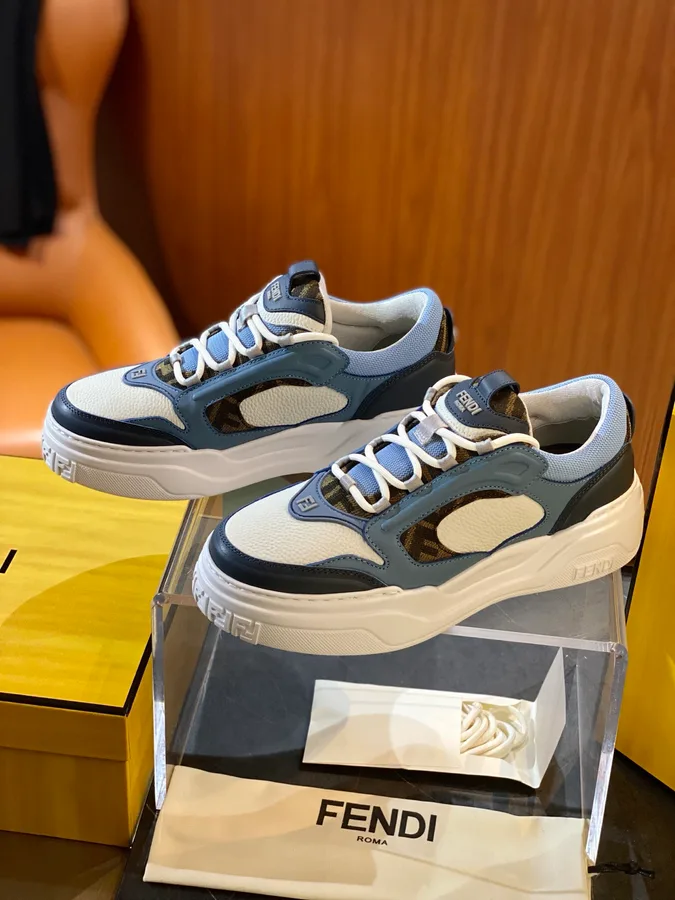
The visual attributes in a catalogue photo are useful when they name the actual upper: smooth leather, suede, patent leather, canvas or a textile. Smooth leather tends to hold a clean line, suede softens and can mark at flex points, patent reflects more light and gives less, and canvas may follow the foot but does not stretch like knit. The sole is a separate decision. A low sneaker and a platform leave the foot at different angles, while a slim leather sole changes how the arch contacts the ground. Inspect the side profile before comparing fit reports from another style.
A photograph can separate the model before it measures the foot
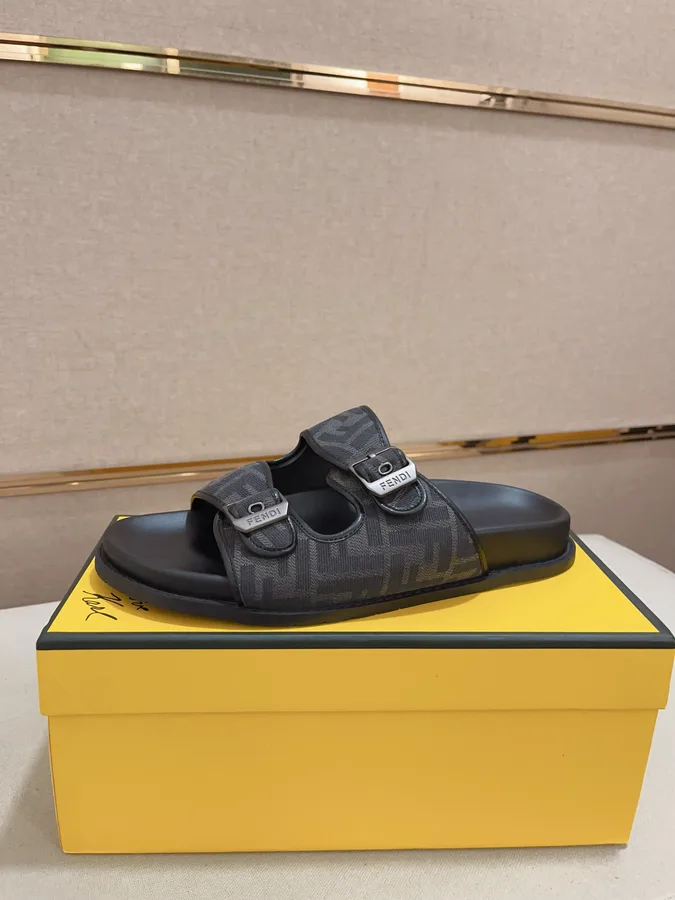
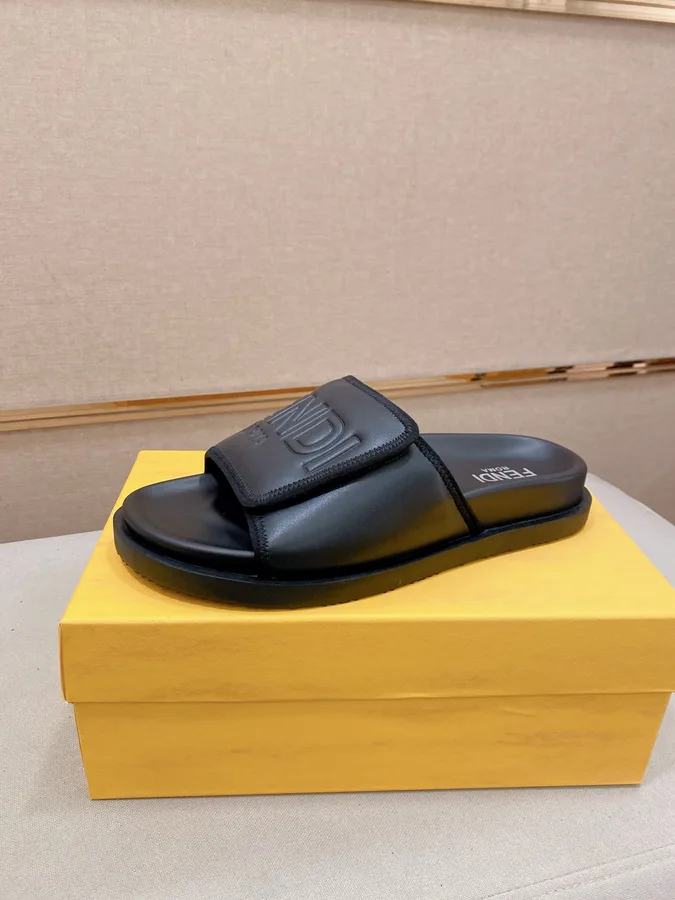
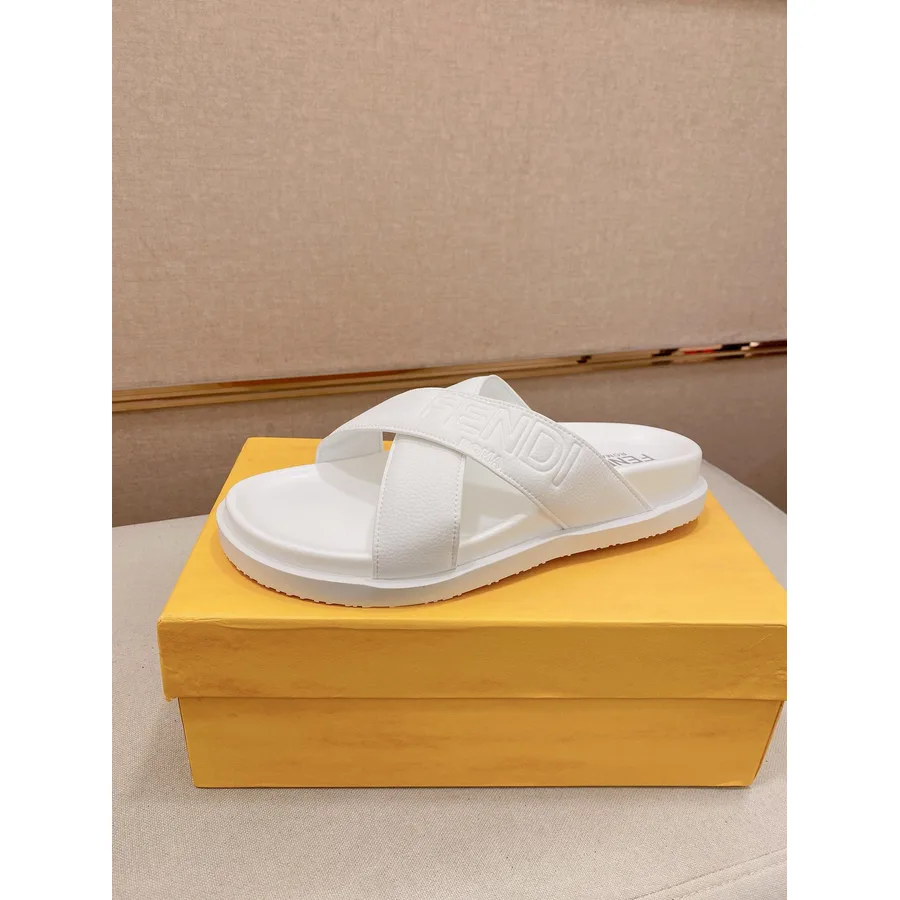
A true profile shows whether the shoe is a low sneaker, loafer, slide or boot. The front should show toe shape and strap placement; the back should show heel height and counters. A high angle helps reveal the opening and insole. None of those views can show the inner length by itself. Send the profile, the opening and a tape in the footbed together, and the size question becomes specific to one pair rather than to the word “Fendi shoe”.
The decision from this table
Use the EU number as the anchor, the JP/MX number as a rough orientation and the measured foot as the check. If a listing gives only UK or US, translate back to the marked EU size before comparing. If a seller gives an insole length, compare it with the foot plus a small allowance rather than with the shoe's outer sole. A correct order needs the model, the printed EU size, the foot length and one internal measurement. That combination is enough to distinguish a size issue from a shape issue.