Start with the correct numbering system
Fendi's own FAQ states that it uses Italian sizing except for men's shoes, which follow UK numbering. A women's EU 38 and a men's UK 8 are therefore not two names for the same object. The product page should say whether the shoe belongs to the men's or women's ladder. If a listing identifies only a number, the first useful question is not about fit but about the scale. This prevents a correct foot length from being attached to the wrong regional row.
The JP label is not the insole
Fendi's women's chart can place EU 38 beside a 25 cm JP/MX label and about 23.7 cm of published foot length. Those two figures describe different things. The first is a regional size label; the second is the length reference for the foot. A buyer who sees 25 cm on a box and expects a 25 cm footbed may receive a shoe that measures shorter inside. Ask for the insole from heel cup to toe if the exact pair is available, and keep the chart's foot-length figure separate.
Sneakers and loafers behave differently
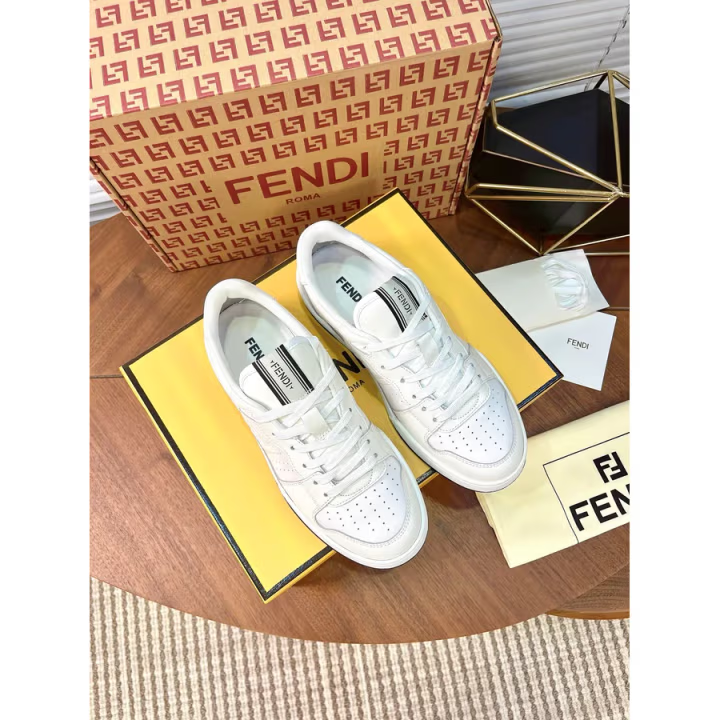
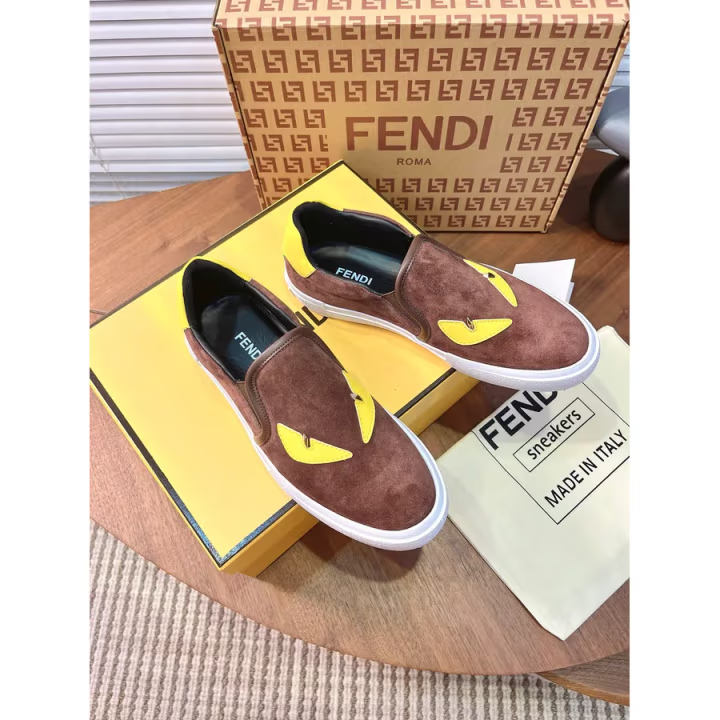
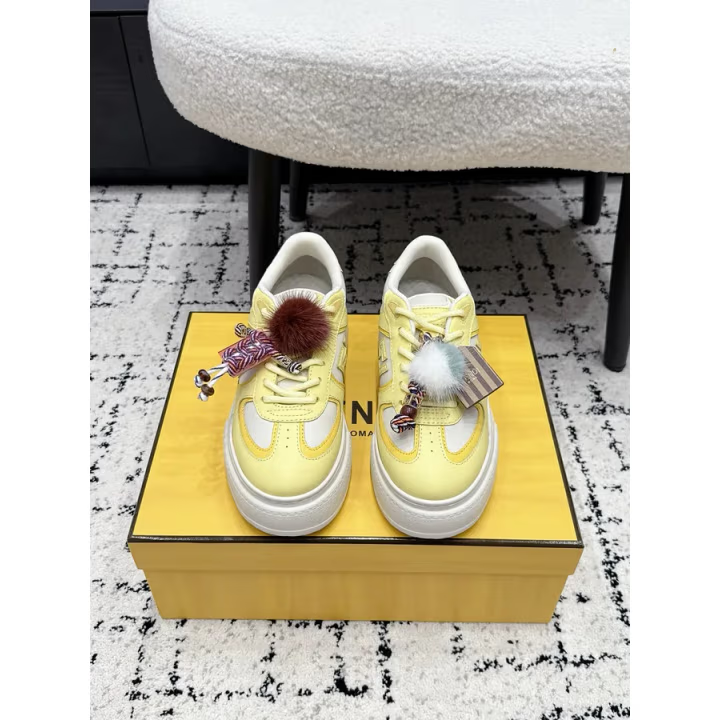
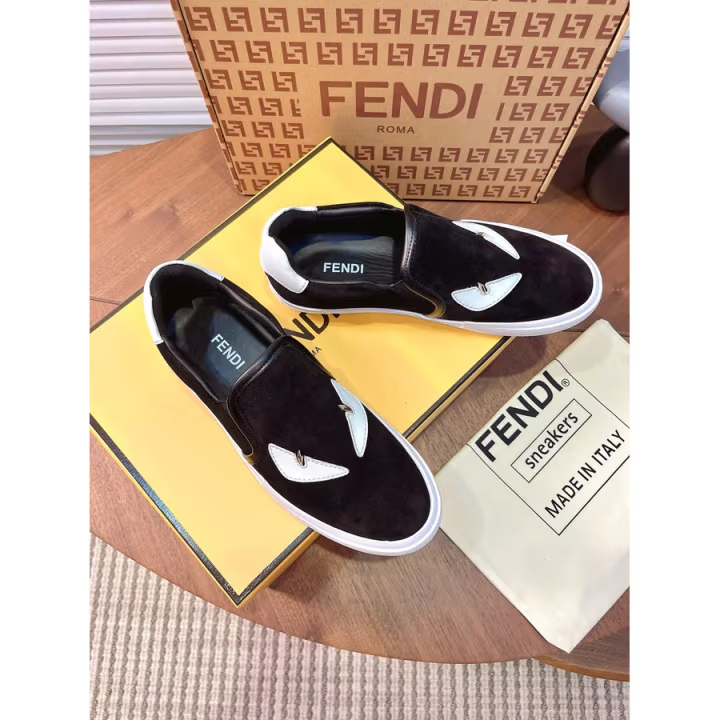
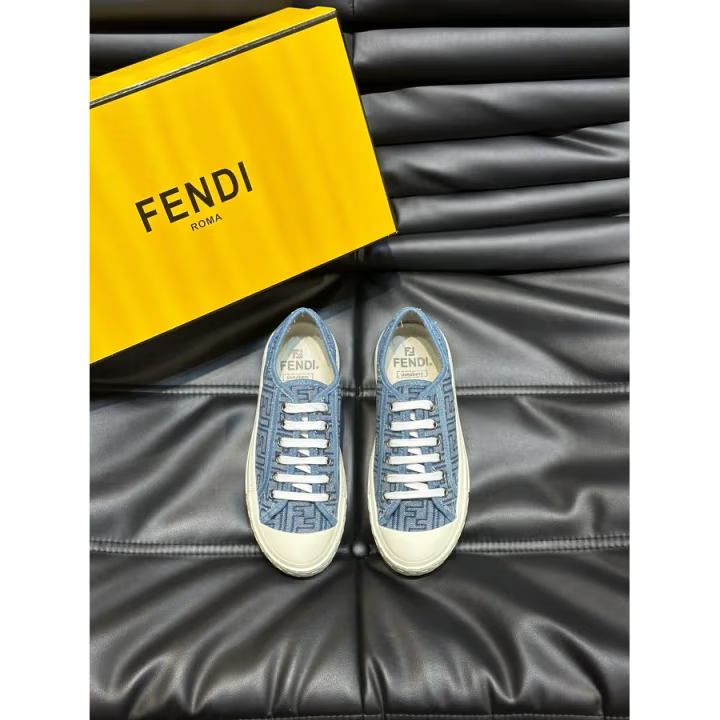
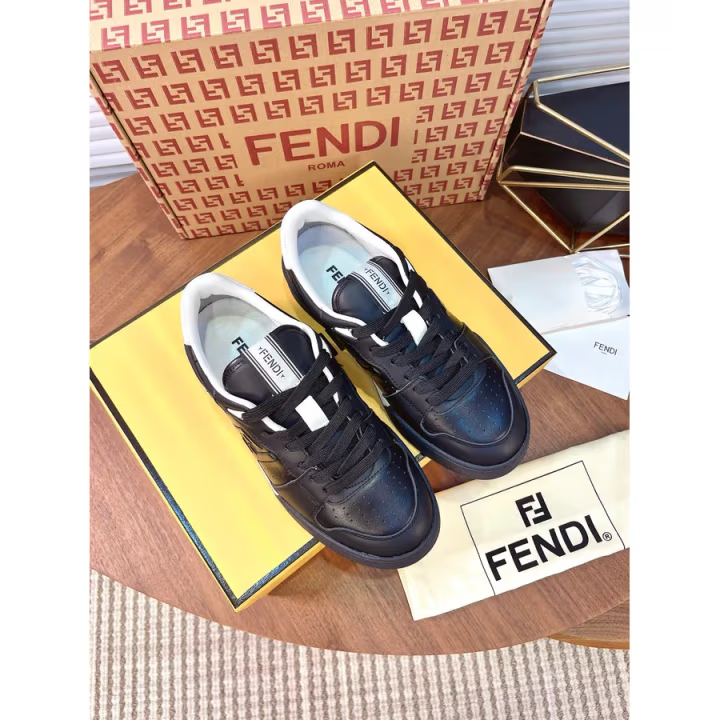
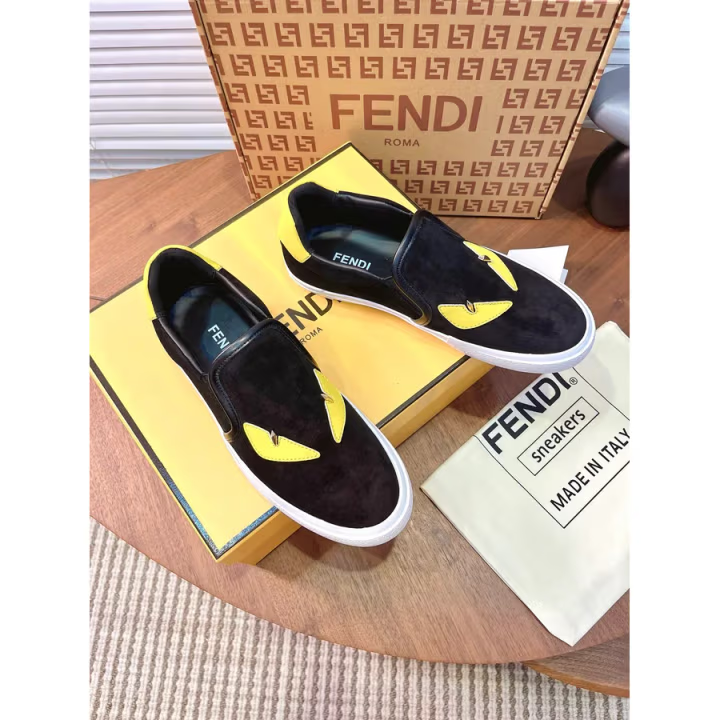
A sneaker has a padded collar, tongue and more volume over the instep. A loafer has a lower opening and a flatter vamp. The same EU length can therefore feel generous in one and close in the other even before width changes. For a sneaker, check footbed width across the forefoot, the depth under the tongue and the collar padding. For a loafer, check the inner length and whether the upper has any give. The model category determines which measurement to ask for first.
Upper material changes the break-in
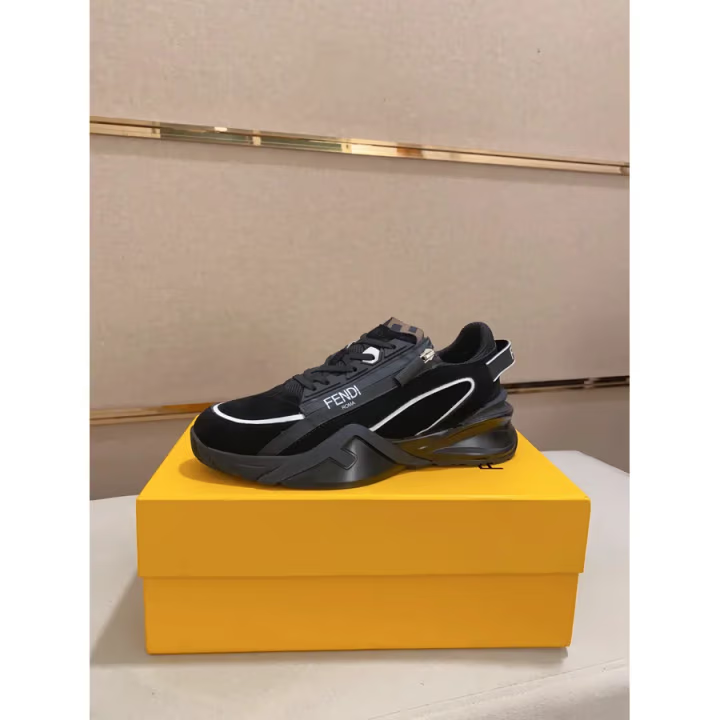
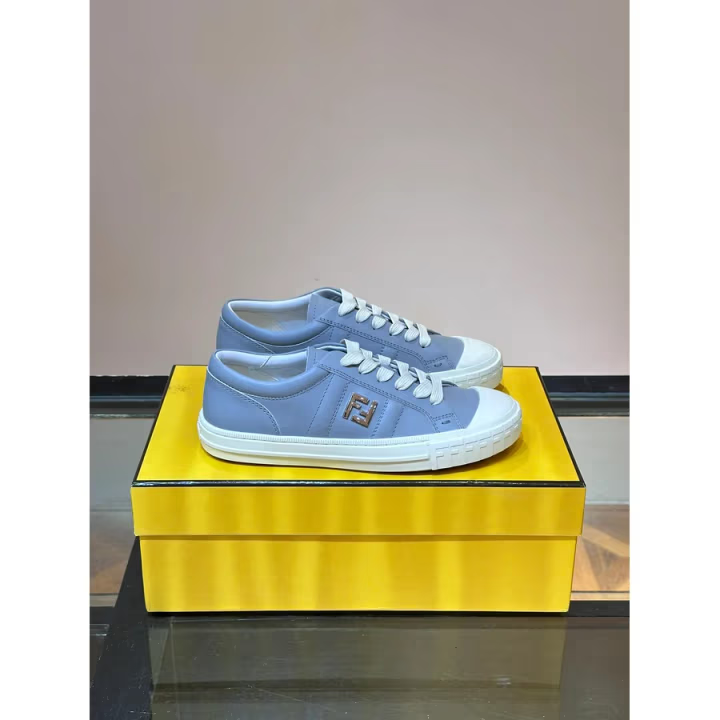
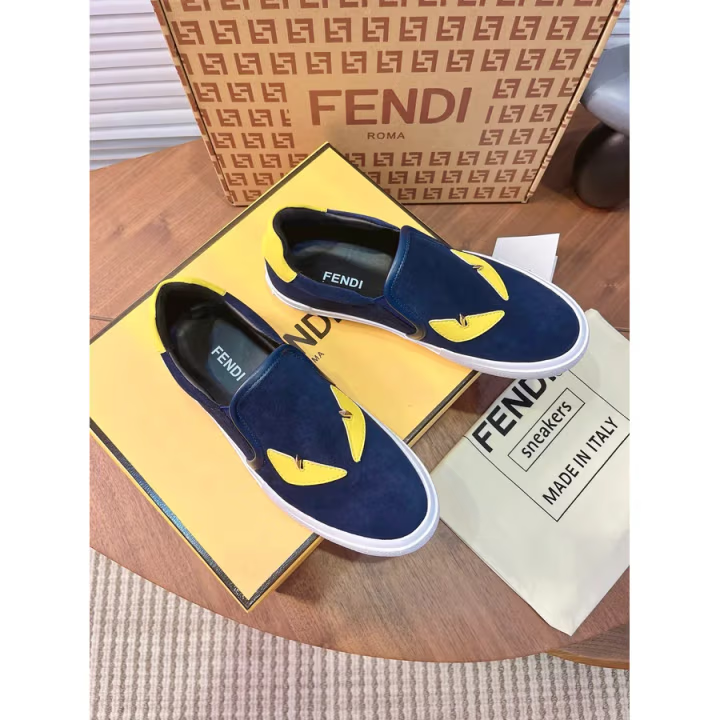
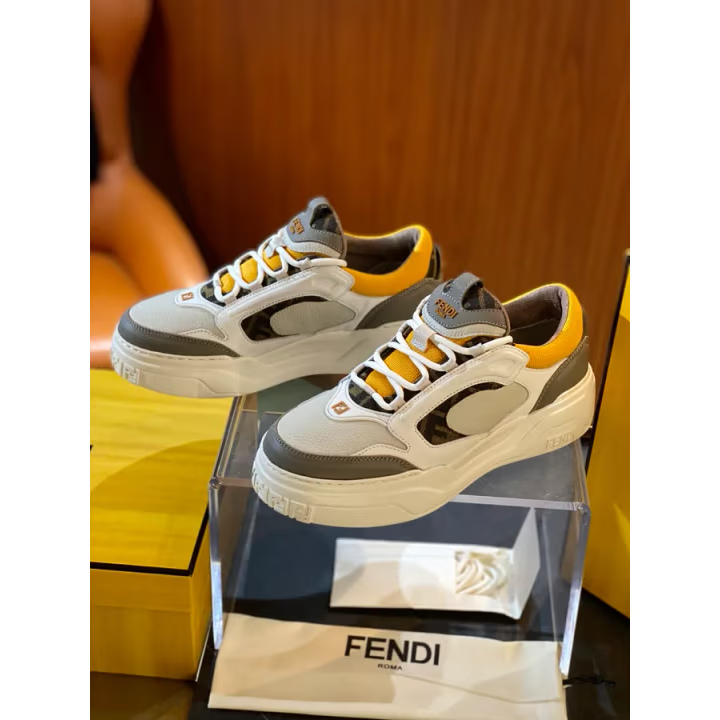
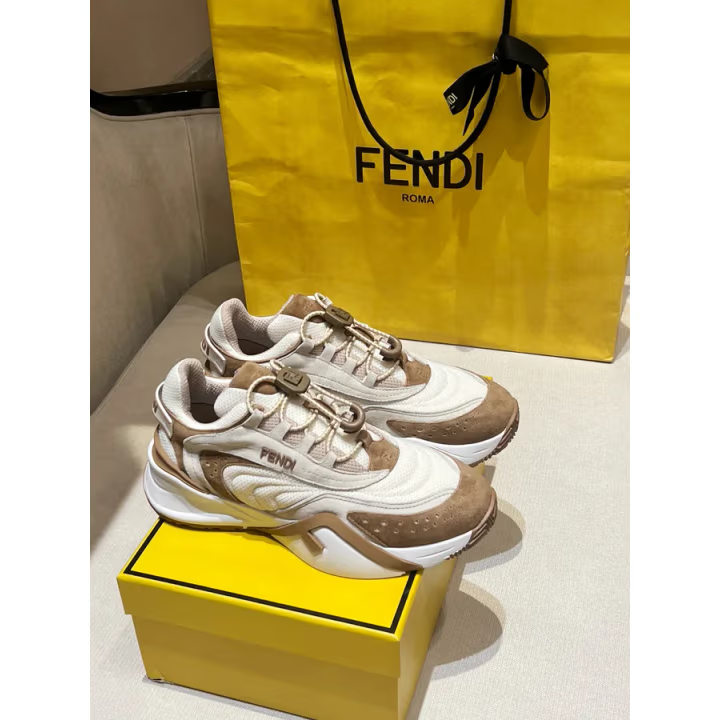
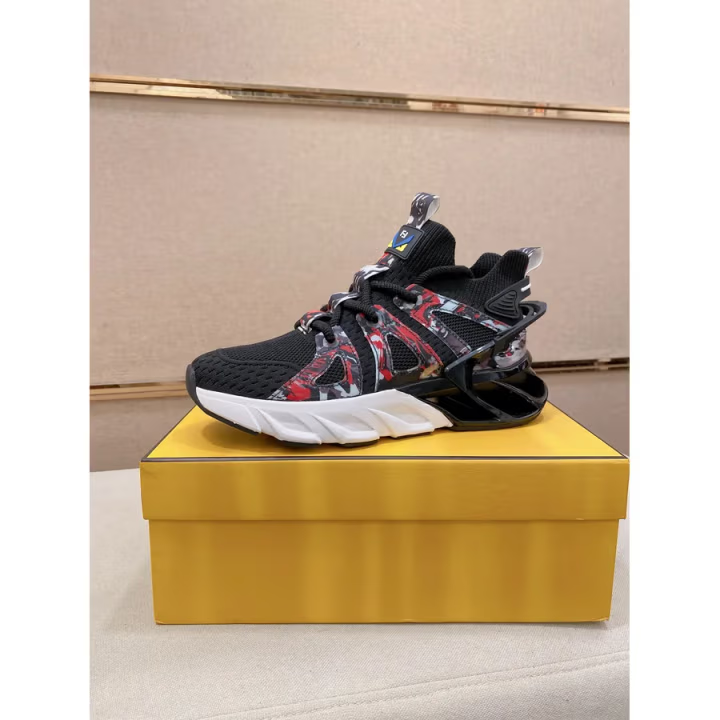
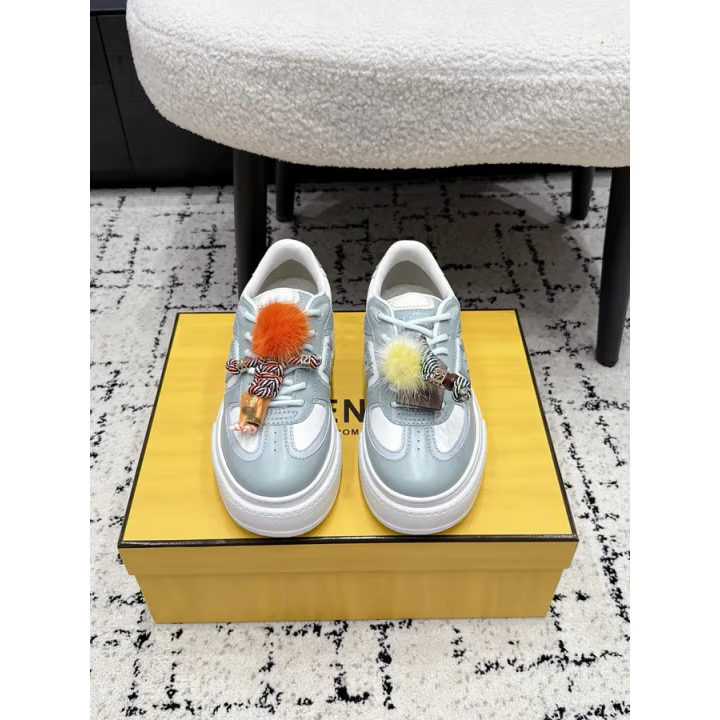
Smooth leather can soften at the flex point; suede follows a similar path but marks more easily; technical mesh or nylon can follow the foot with less structure; patent leather gives the least and can feel firm over the toes. Fendi's sneaker catalogue includes mixed-material uppers, so the same sole and marked size can produce different pressure. Material will not lengthen a short insole, but it can affect a shoe that is correct in length and slightly close across the upper. Describe both issues separately.
A reusable sneaker size request
Send the exact Fendi model reference, men's or women's line, printed size, longer foot in centimetres, insole length and forefoot width. Add a side photograph showing the sole profile and a top photograph that shows toe shape and collar padding. If the listing gives only a JP number, ask for the equivalent EU or UK table and a tape inside the shoe. Those details make the answer specific to one sneaker rather than to a house-wide impression.
The final sneaker decision
Use the printed Fendi scale to find the row, the foot-length figure to check your longer foot, and the insole to verify the individual pair. If the foot sits between two rows, leave the room at the toe rather than taking a closer length and relying on the upper to stretch. Sneaker padding can make a correct footbed feel snug at first, but it cannot add missing length. The model reference and the four measures settle the question in one message.