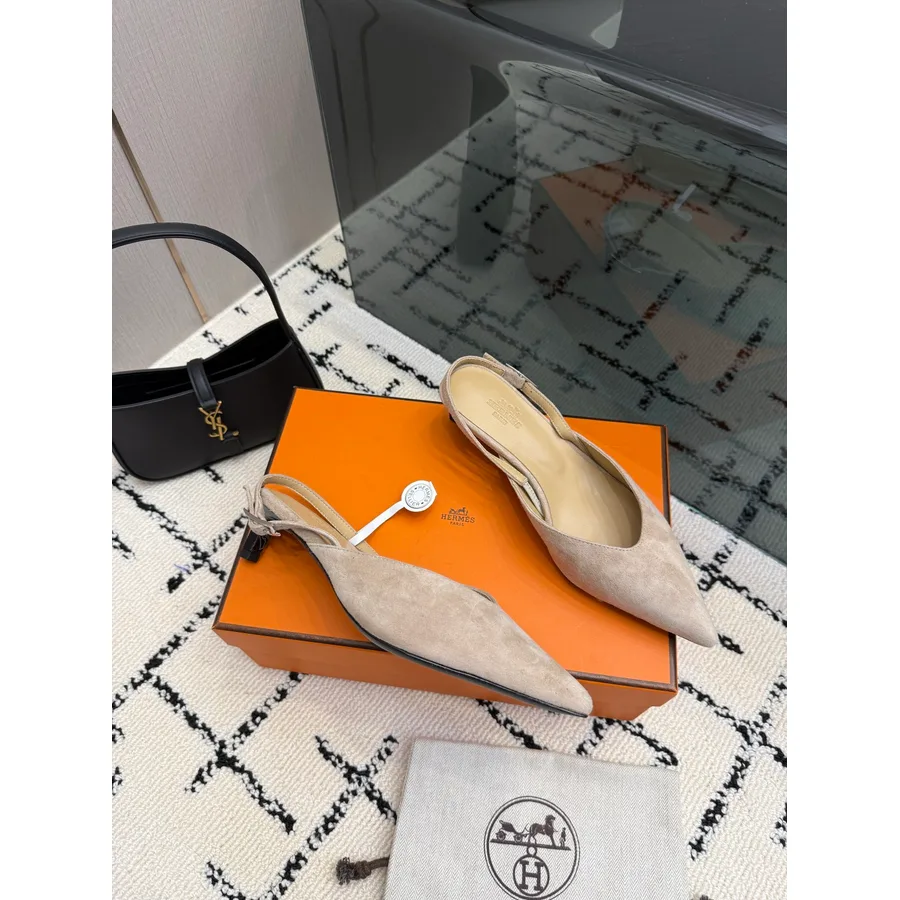
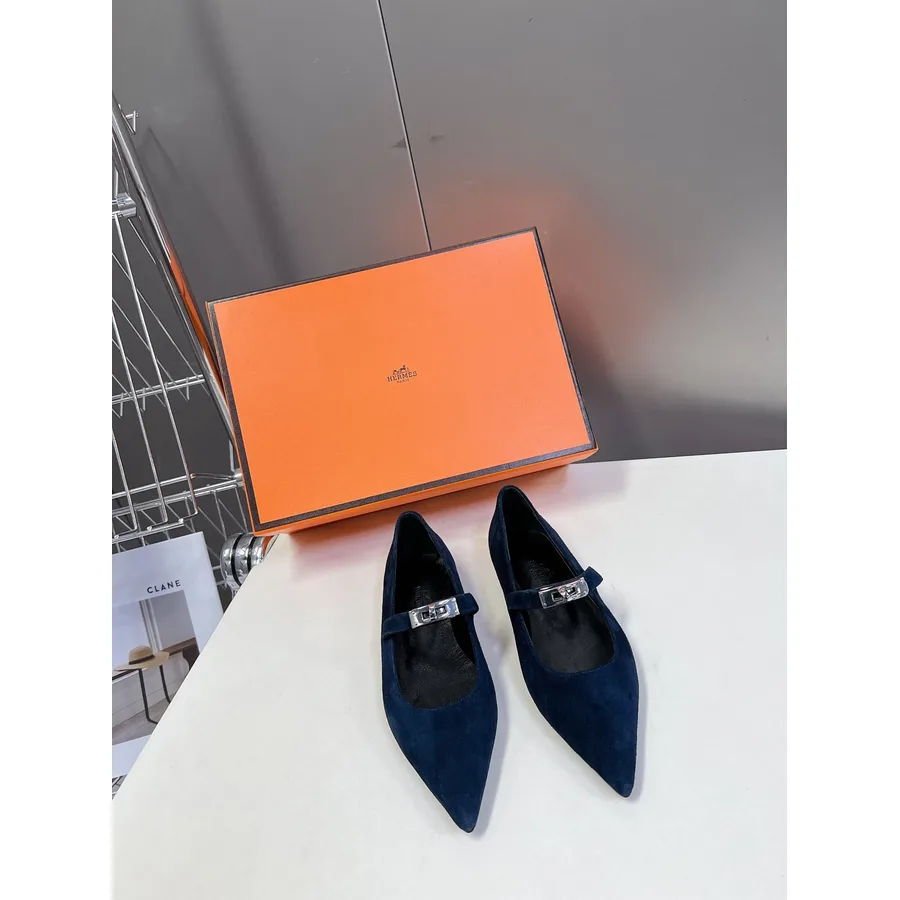
There is no Hermès shoe size chart
The house publishes measuring guides for clothing and for objects, but for shoes there is no ladder to look up: every sandal, loafer, mule and sneaker page carries one fit instruction and nothing further, and the size menus run on European numbers with half steps. The women's sandals and mules are listed from EU 34 with 0.5 steps through the thirties and into the low forties, and the men's slides and sandals begin at EU 39 and run upward. Because the numbers are European, the two figures worth sending with an enquiry are the EU size marked on the pair and the foot length in centimetres — a UK or US figure is a conversion, and there is no house chart here to convert it against.
The two sentences, and which models carry which
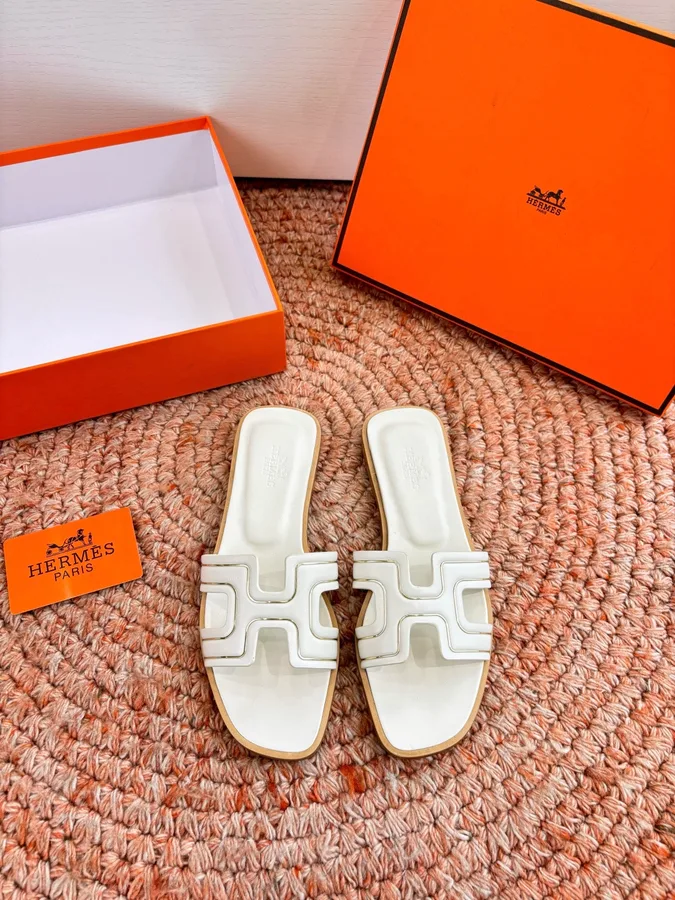
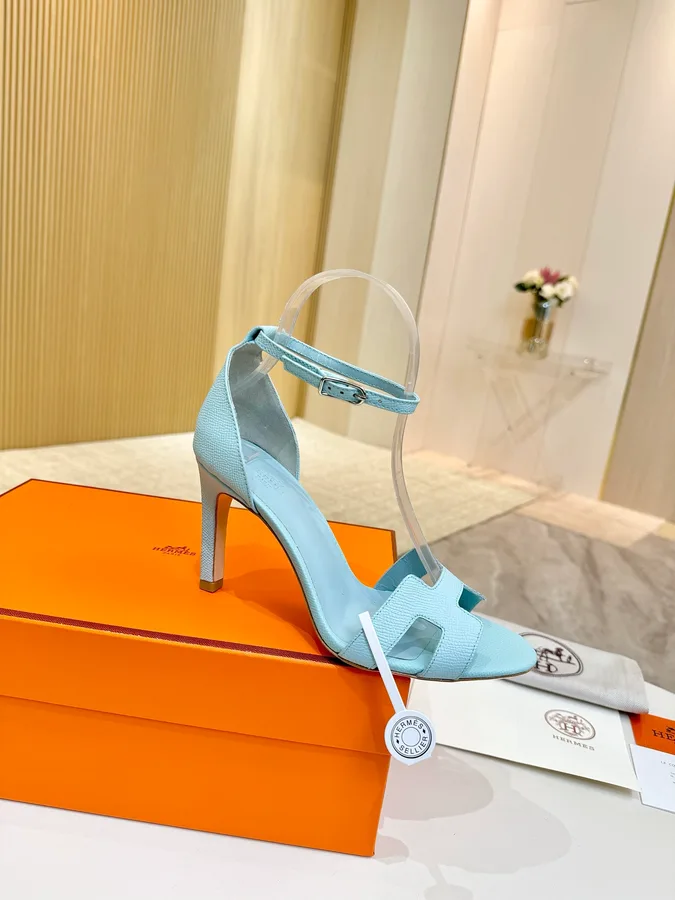
Most of the half-size advice comes in one of two forms. The first is the line printed on the Oran, the Oasis and the Chypre: choose your usual size, or size up a half size for a high instep. That wording is specific about the reason — a high instep is the part of the foot that presses against the strap of a slide, so the half size relieves pressure rather than adding length. The second form is shorter and appears on the Izmir sandal, the Oz mule and the Lazy loafer: size up a half size for this model. The Empire sandal carries a third variant, running true to size, which is a reminder that these notes are written per reference rather than per house.
The construction explains the note
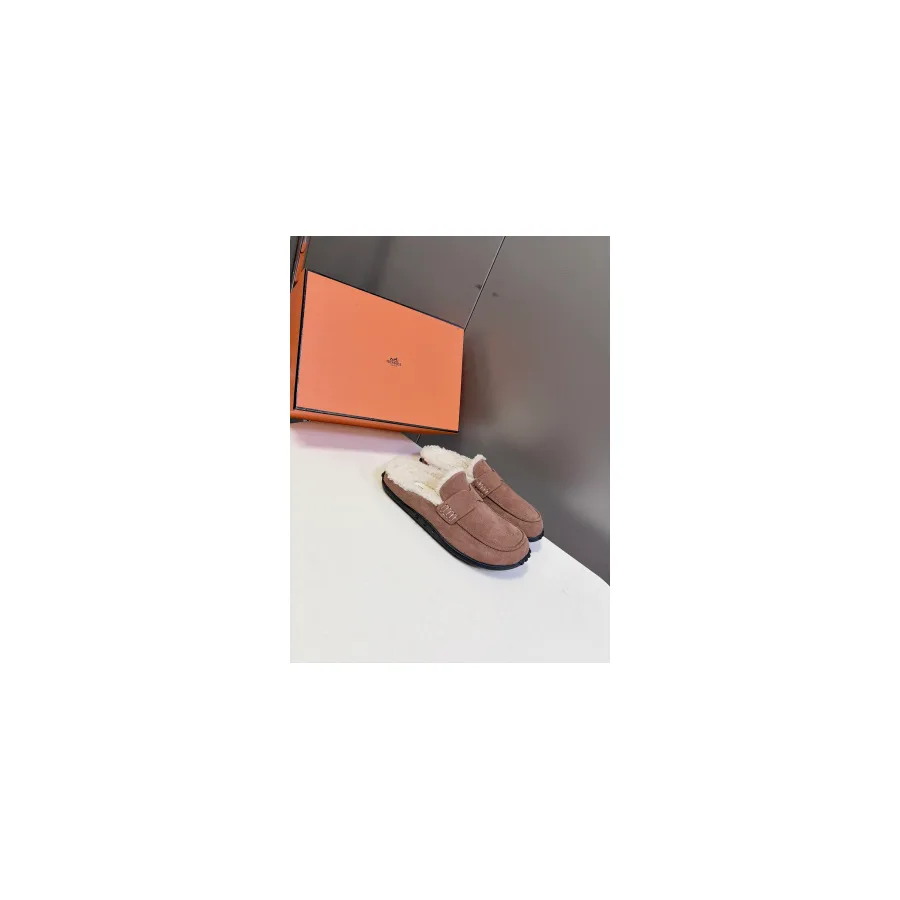
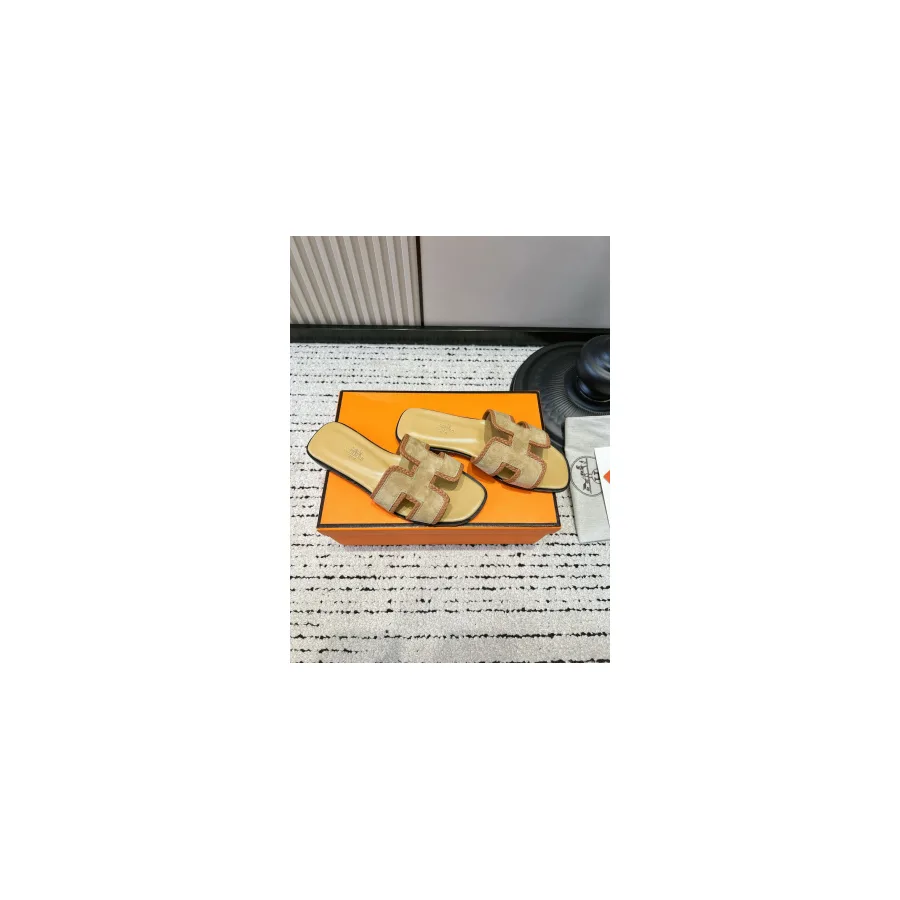
The notes follow the construction. The Oran is a single-piece calfskin sandal with the H cut out of the upper — no buckle and no adjustable element — so size is the only variable, and half a size up is the adjustment the design does not otherwise offer. The Chypre is described as a techno-sandal on an anatomic rubber sole with an adjustable strap, which is why its note stays with the softer wording of usual size or half up. The Lazy loafer pairs suede calfskin with a shearling lining, and lining takes up internal volume, so half a size up buys back the room the lining uses. The Bouncing sneaker is the line where the house asks for your usual size, and its pages say so on the references that carry a note.
Boots, and what to do when there is no note
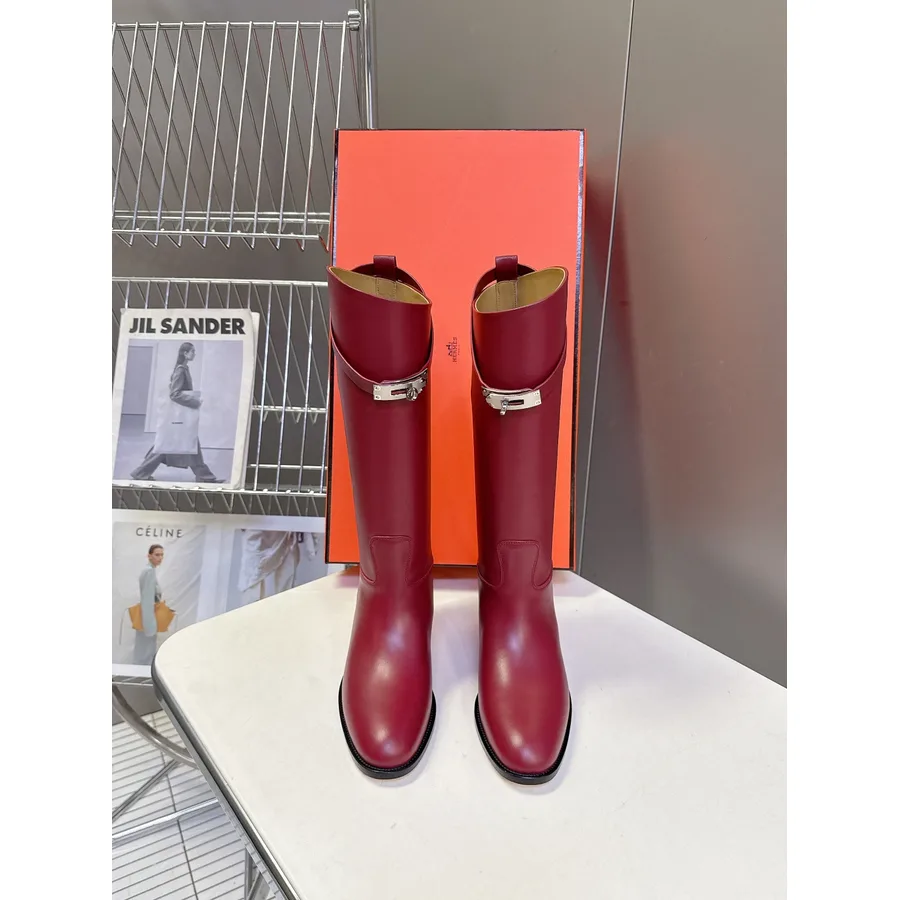
Boots are where the printed advice stops. The Jumping boot — the tall riding-inspired style with the Kelly buckle — publishes no fit line, and the reports from people who own a pair are consistent: go half a size up if you intend to wear it with socks, and expect the fit through the ankle to be firm rather than giving. Calf fit is a separate variable from foot fit on a tall boot, which is why the same size can read differently on two wearers. Where a page carries no note at all, the two figures that travel between a shoe and an enquiry are the EU size marked on the pair and your foot length in centimetres; anything converted to a US or UK number is a step further from what is written on the box.