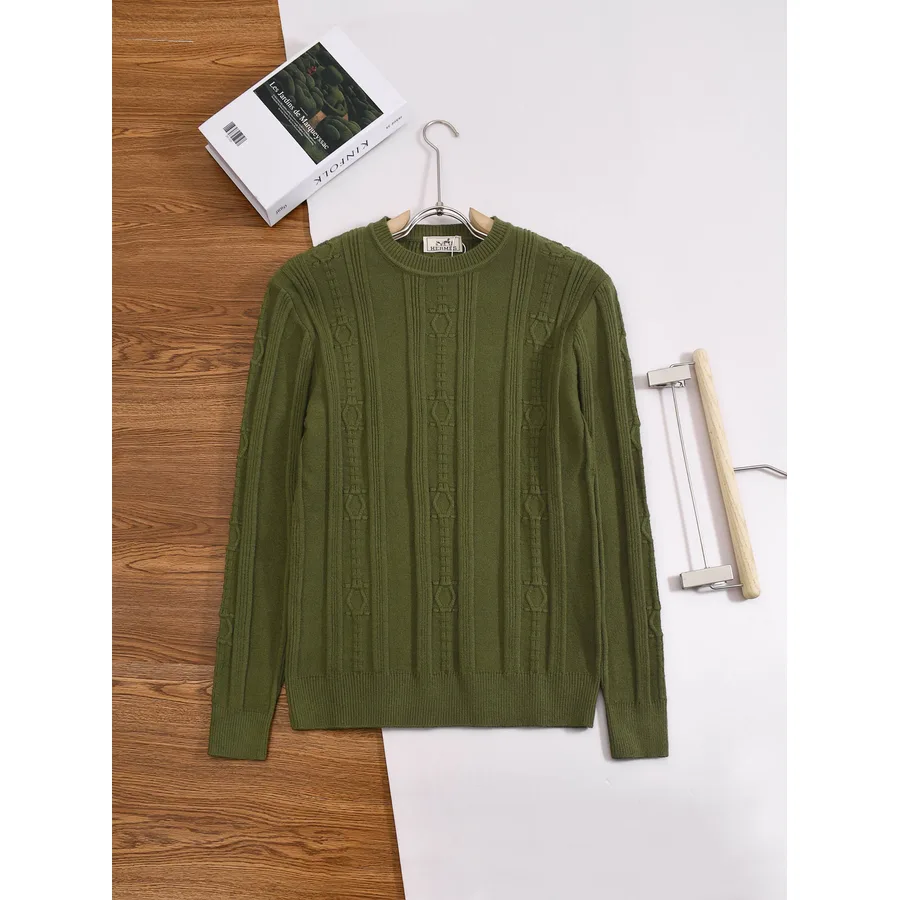
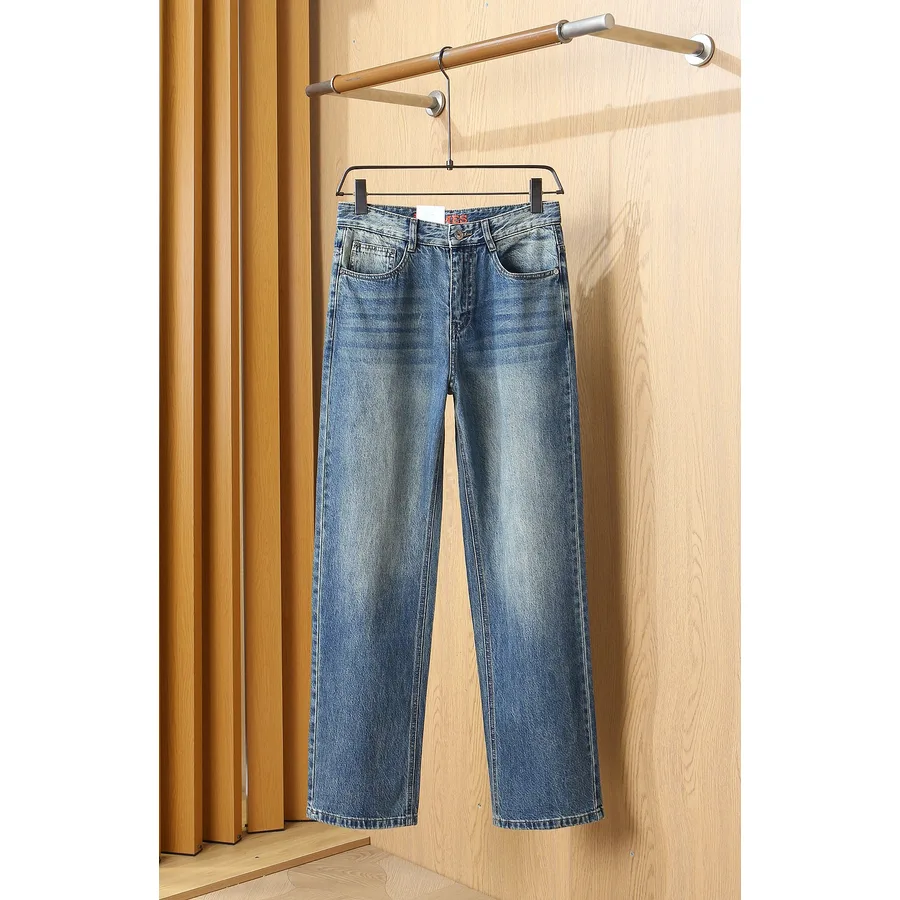
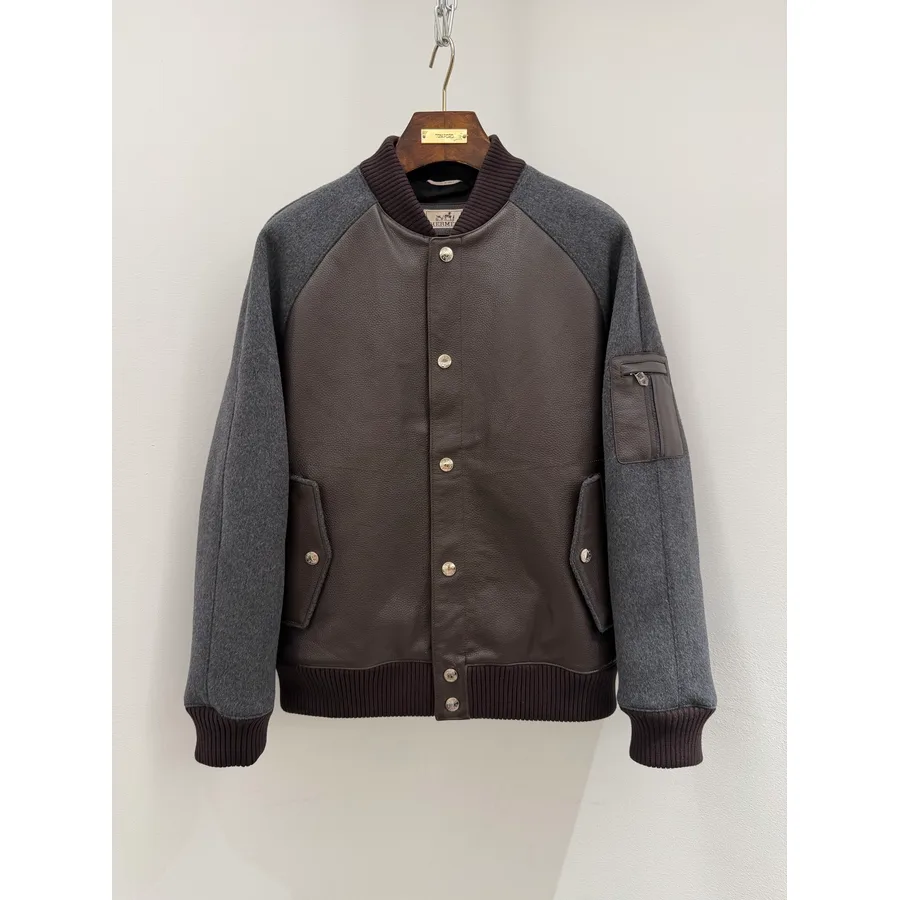
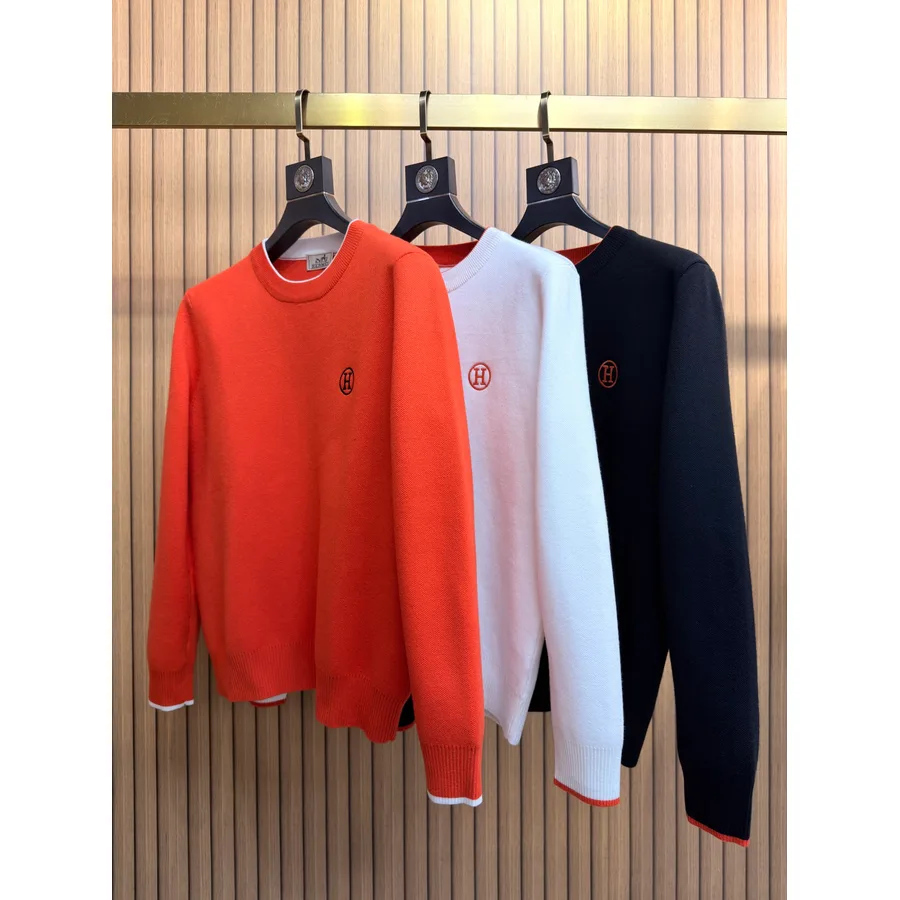
What the house's ladder actually contains
The ready-to-wear guide sets out seven columns across sizes 34, 36, 38, 40, 42, 44 and 46. Three are body measurements: the chest runs 78 cm to 102 cm, the natural waist 61 cm to 85 cm, and the hips 85 cm to 109 cm. Four are finished-garment measurements that move much less: sleeve length from 57.3 cm to 60.3 cm, front rise from 31.6 cm to 36.4 cm, back rise from 35.5 cm to 40.9 cm, and the trouser outseam from 106 cm to 109 cm. The small spread in those four figures is the point — those parts of a garment change far less between sizes than the circumference around the body does.
How Hermès tells you to measure
The guide's own definitions decide which number you compare, so they are worth following exactly. Chest is measured with the tape placed horizontally under the armpits and around the fullest part of the chest, kept straight at the back. Waist is taken around the natural waistline rather than the top of a trouser. Hips are measured at the widest point, about 20 cm below the waist. The tape sits directly on the body and is not pulled tight, and the closing instruction is the one to remember: if you fall between two sizes, choose the larger.
The four garment columns, and why they exist
Sleeve length is defined as the distance between the shoulder seam and the sleeve cuff. The front and back rises are the distance from the waist hem to the crotch seam, measured at the front and at the back. The outseam is the distance from the top of the waistband to the hem, down the outside of the leg. These are garment measurements rather than body measurements, which makes them directly comparable with something you already own: lay the garment flat, take the same figures, and the ladder tells you which published size is closest. It also shows where a size change will and will not be visible — two steps up the ladder is about 8 cm at the chest, and about 1 cm at the outseam.
The men's pages state the size the figure belongs to
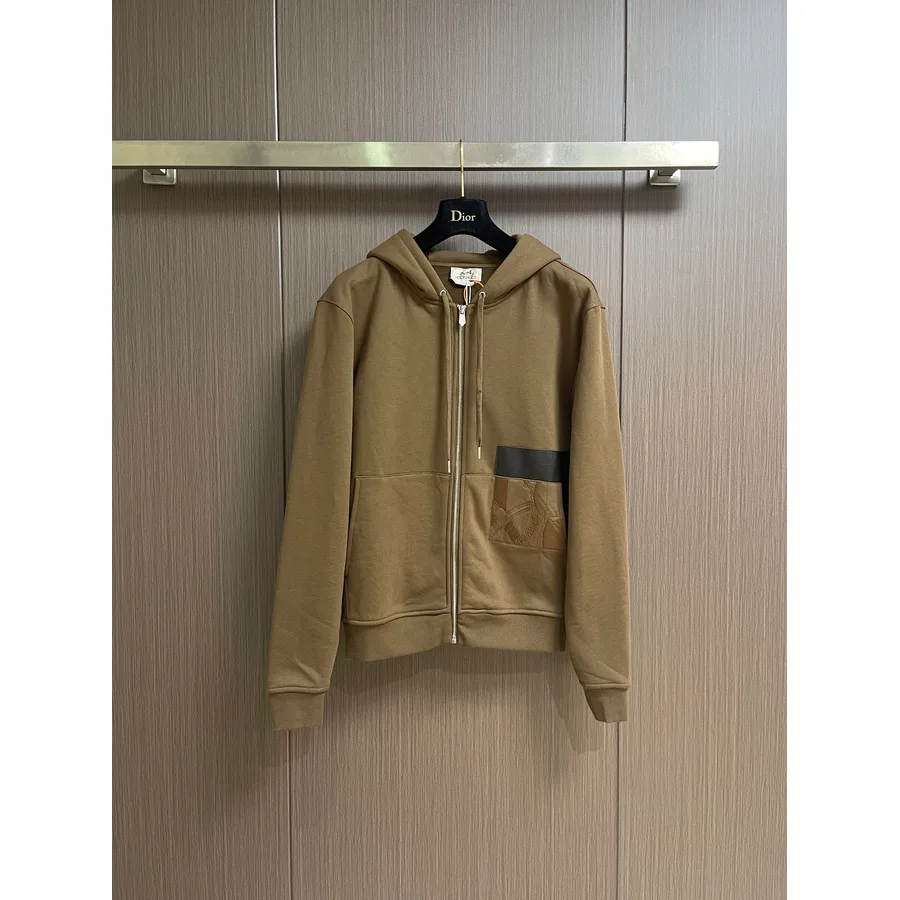
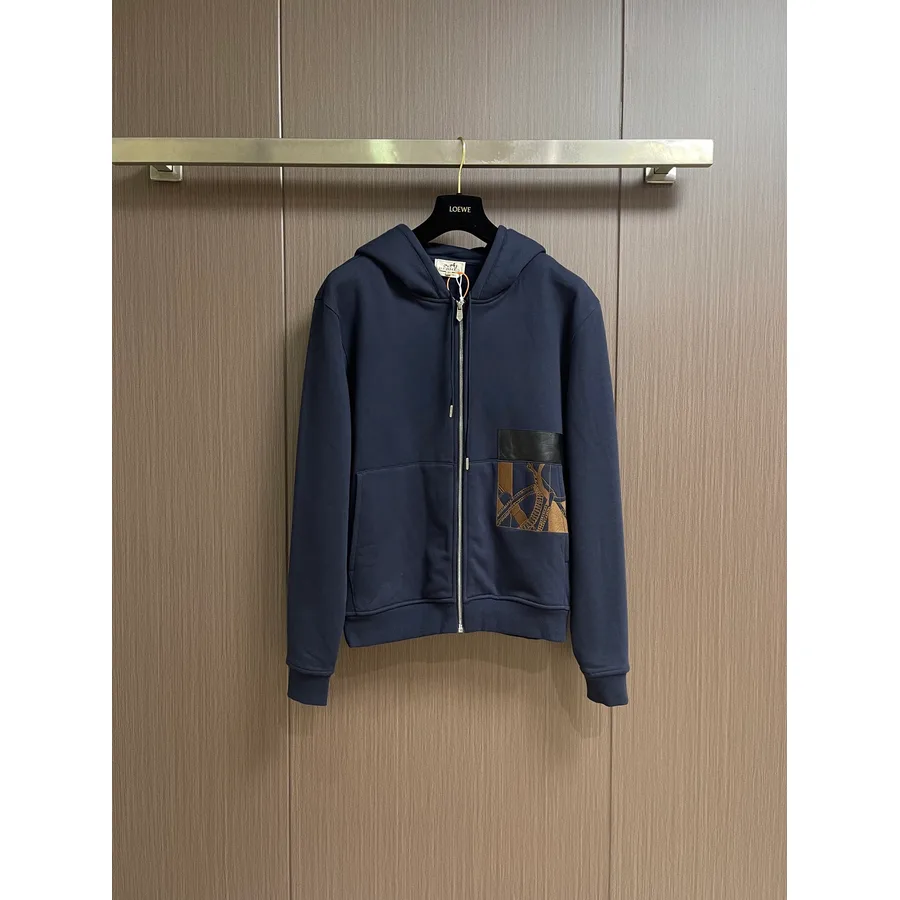
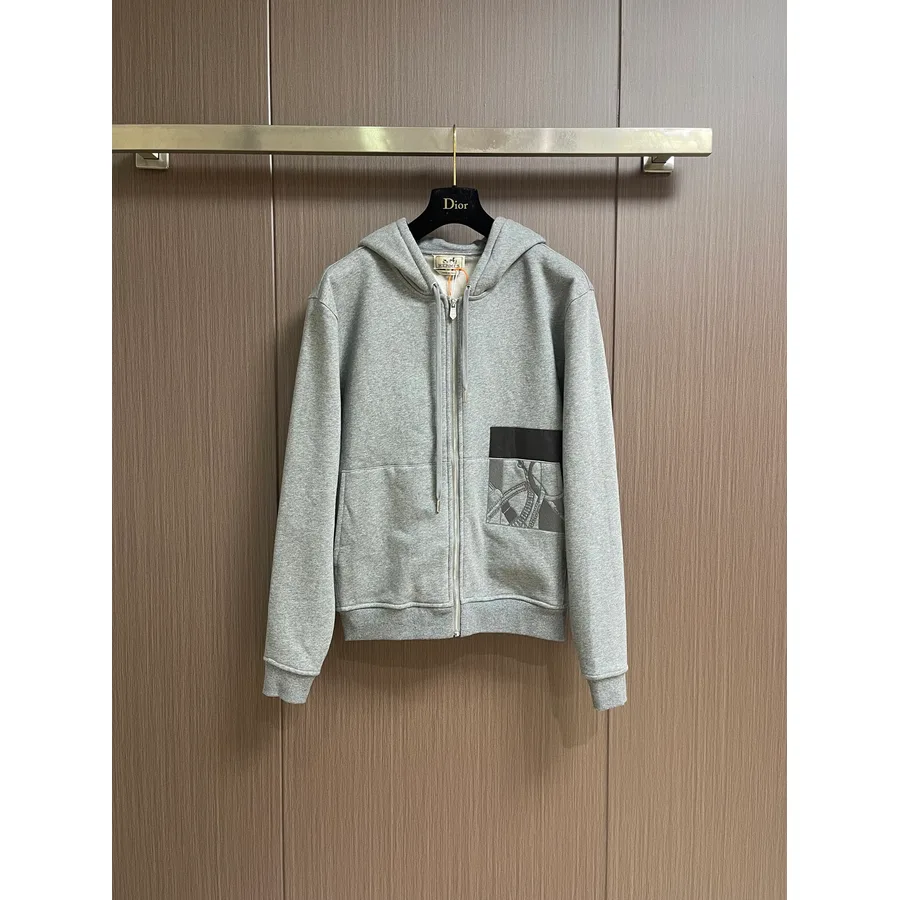
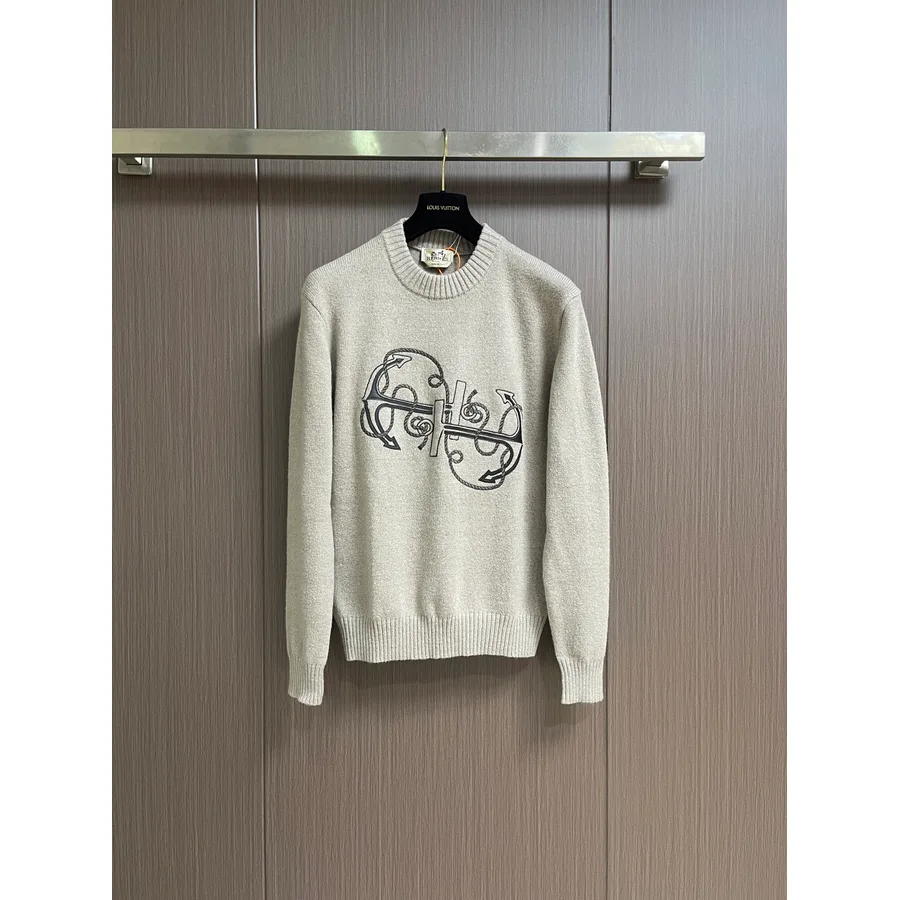
Men's garment dimensions are published one at a time, with the size they were taken from named: a back length of 64 cm given for a size 48, noting that the dimensions correspond to that size and may vary by about a centimetre between sizes. The same pages carry the fit line for the piece — this one is a slim fit, and the advice is to size up for a looser result — together with the model reference, naming the model's height and the size worn. Read as a set, those three things answer the question a number on its own cannot: what the garment is meant to look like on a body.