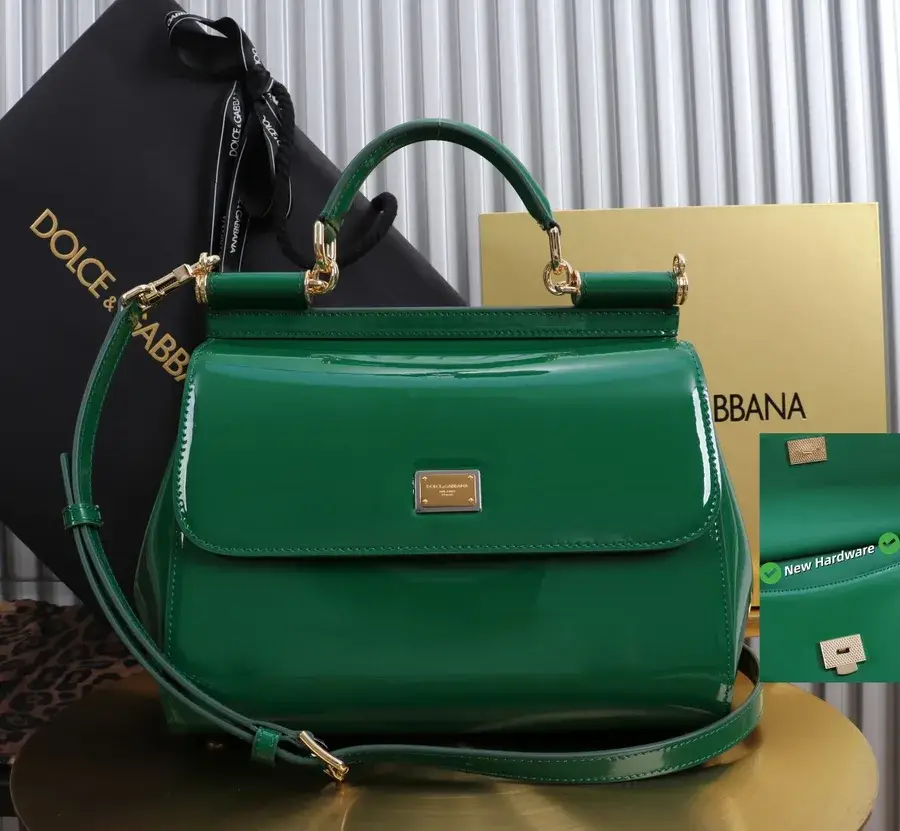
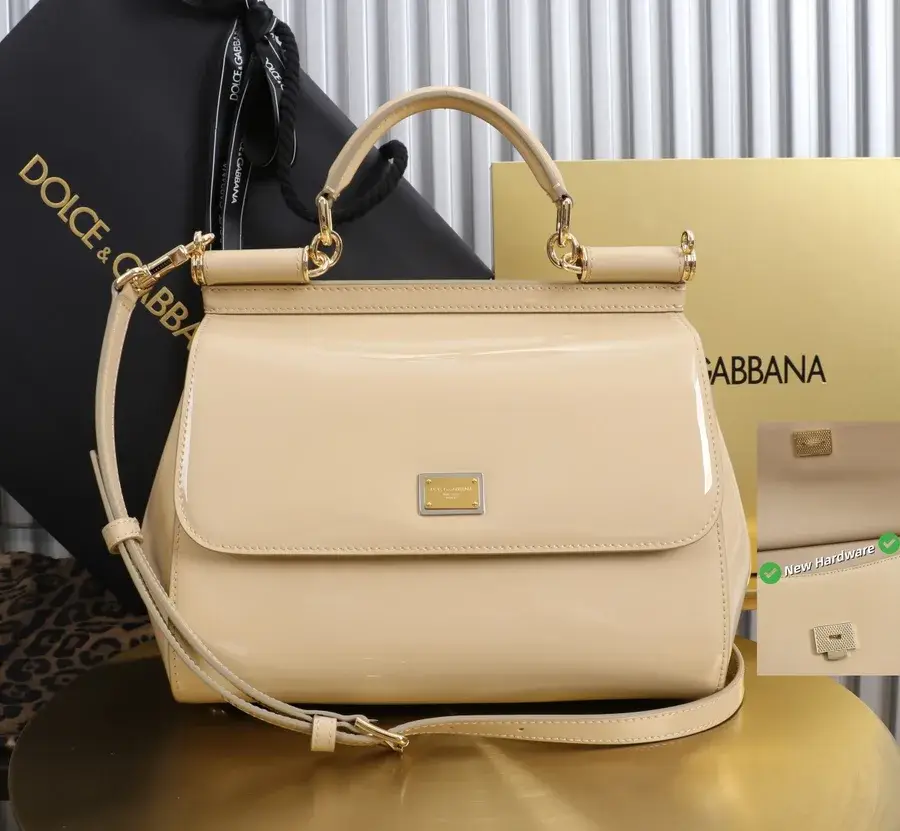
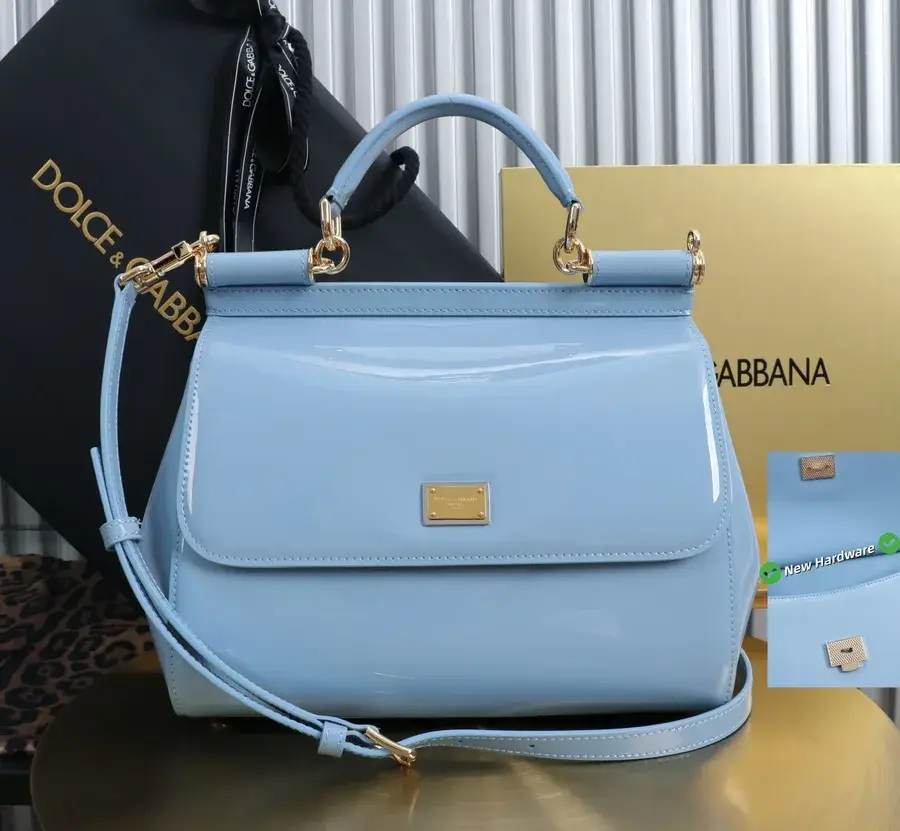
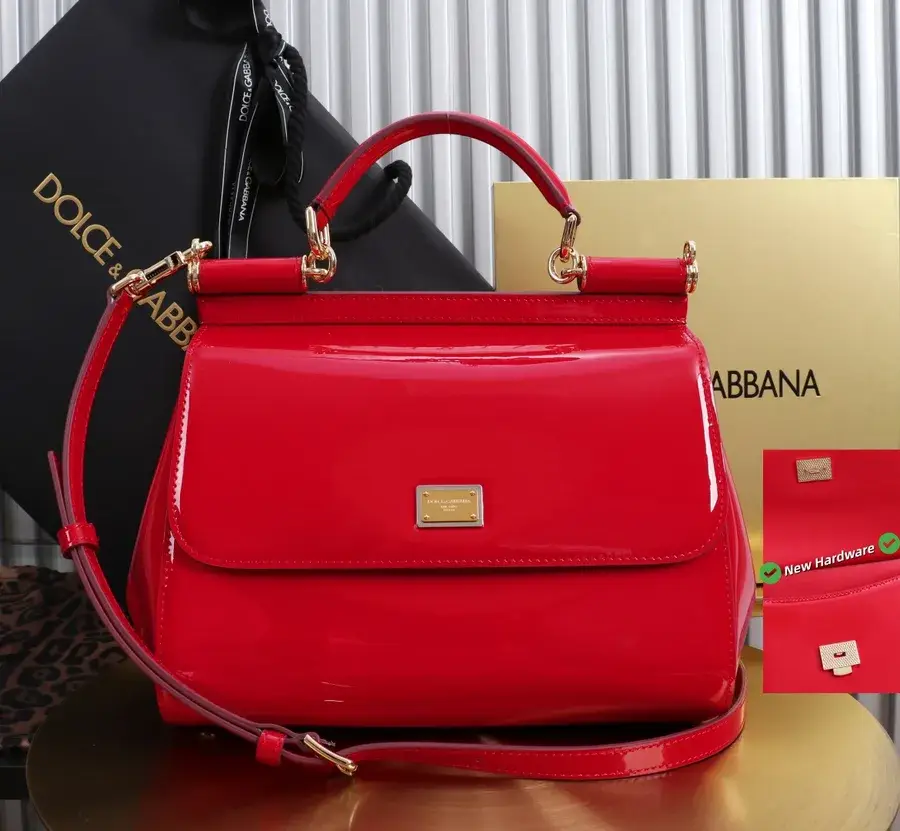
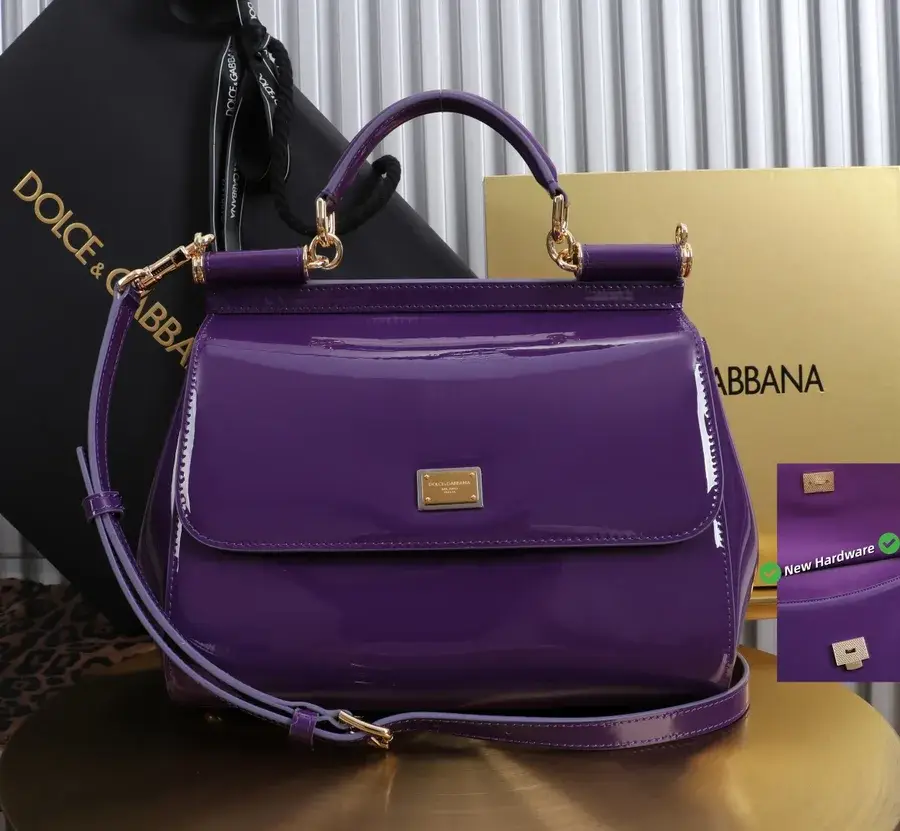
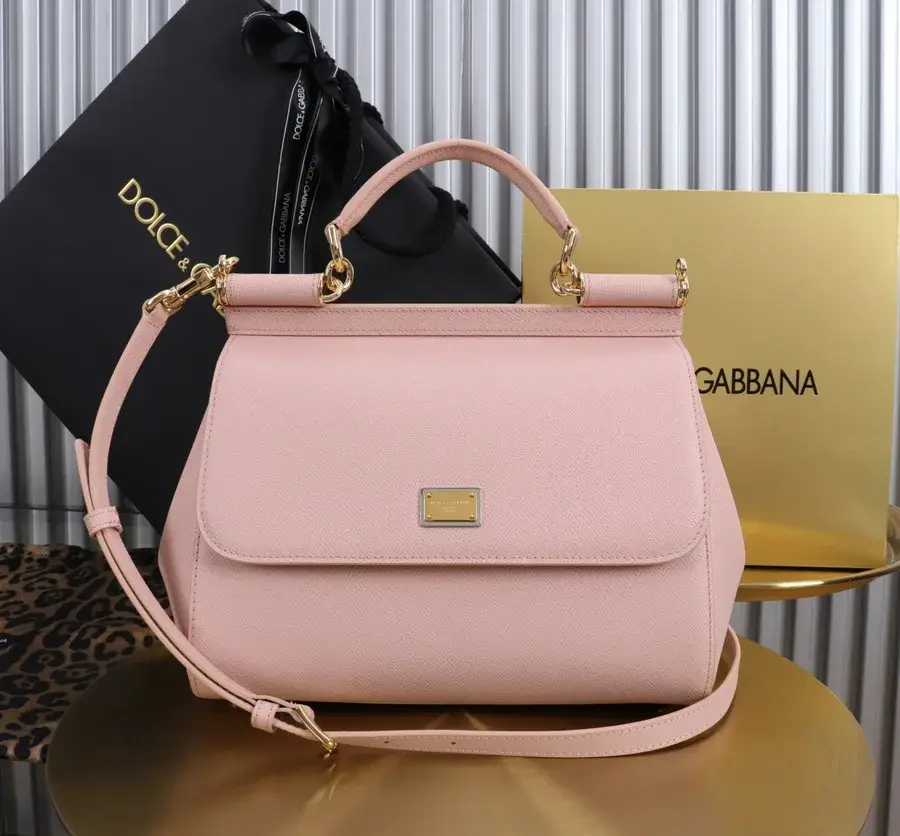
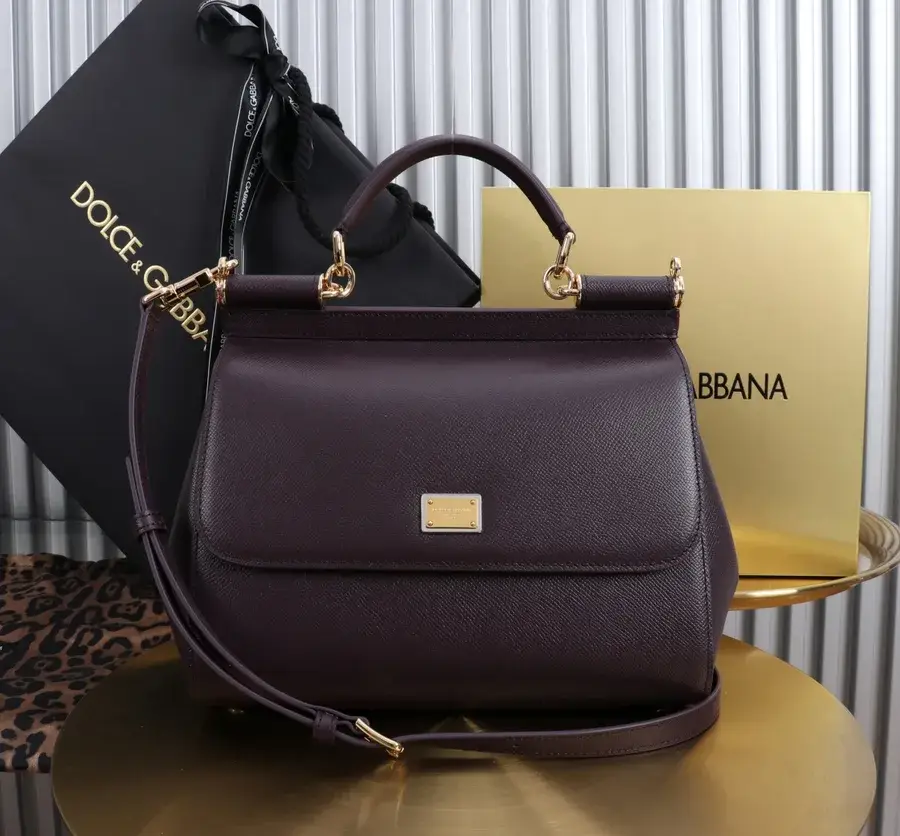
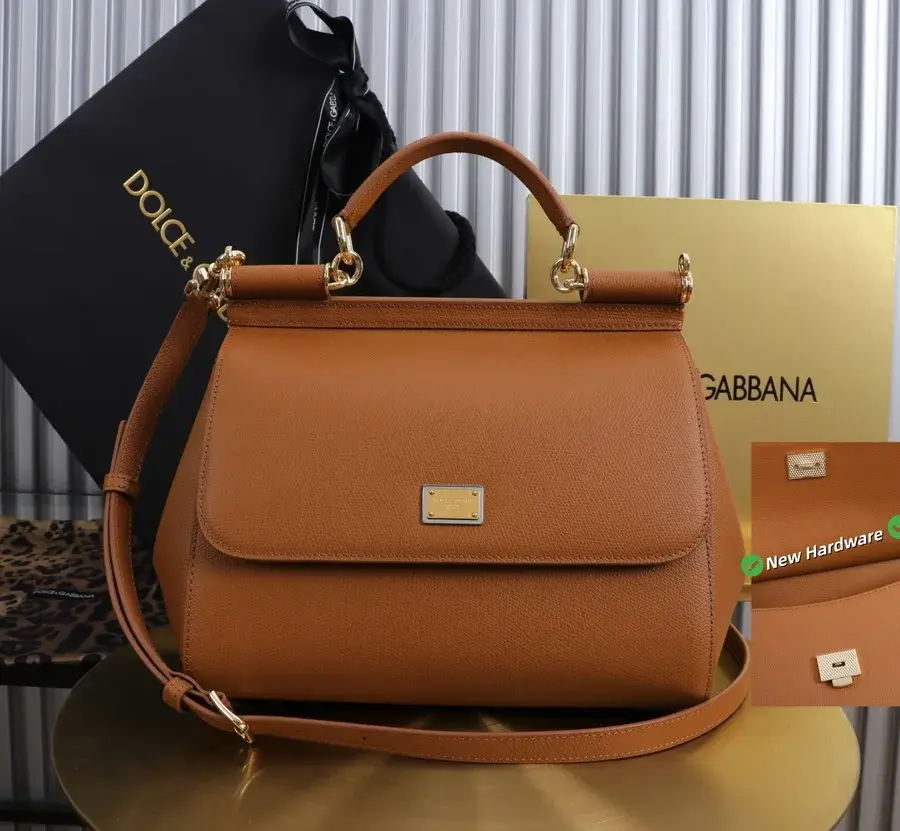
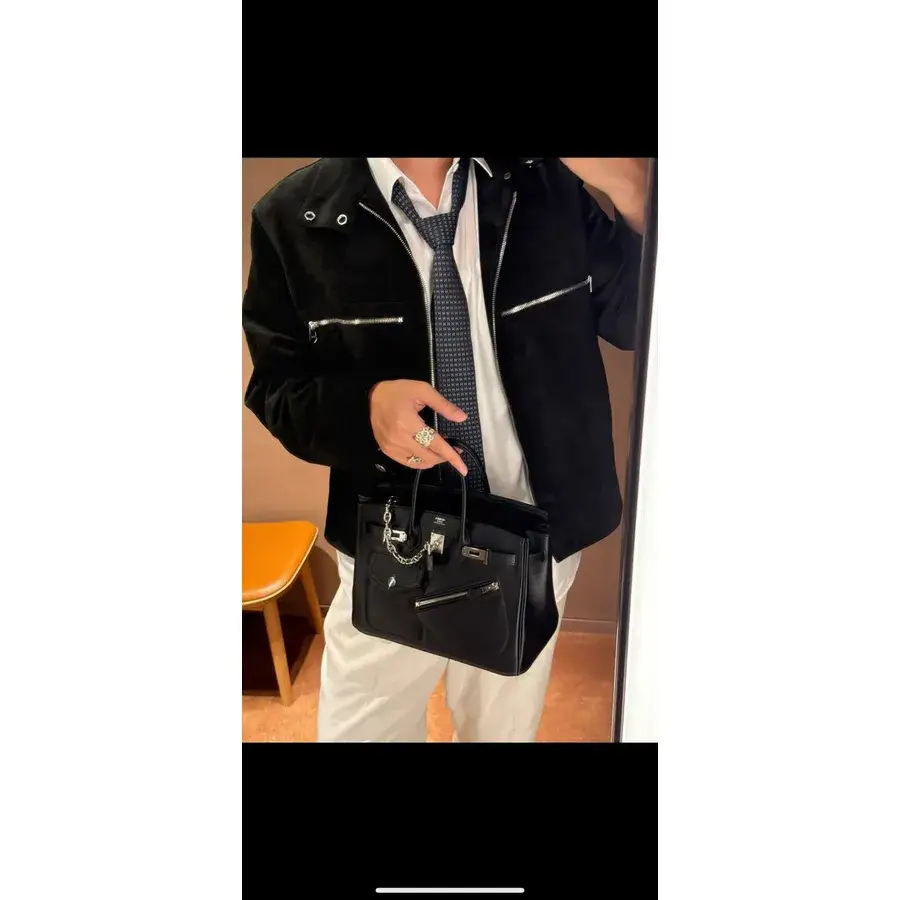
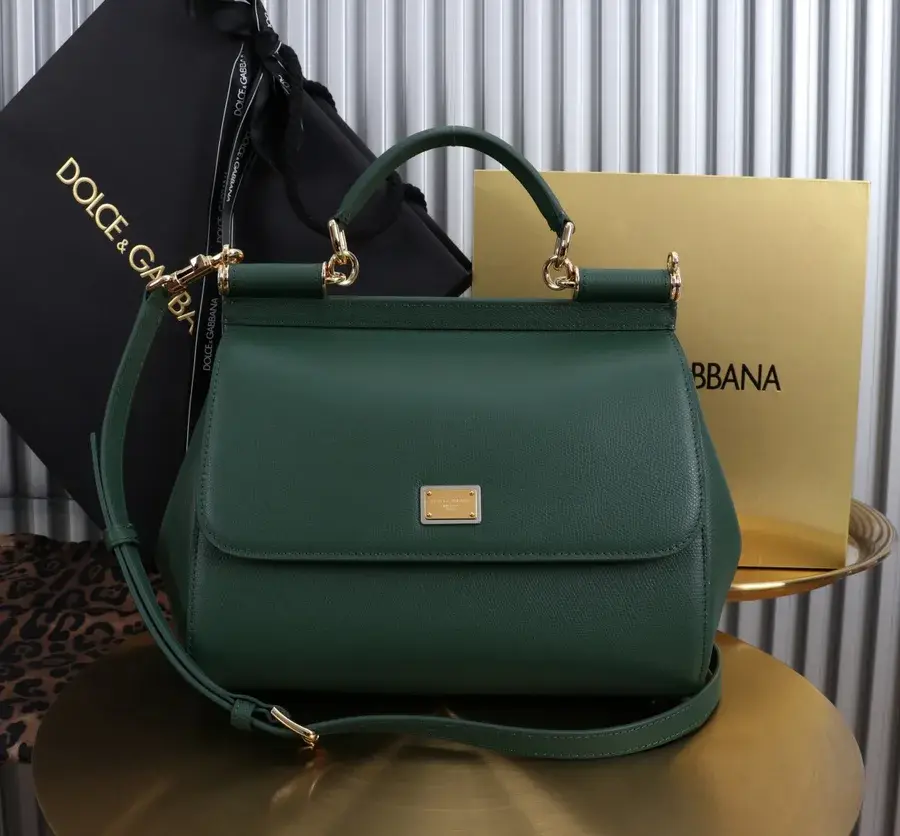
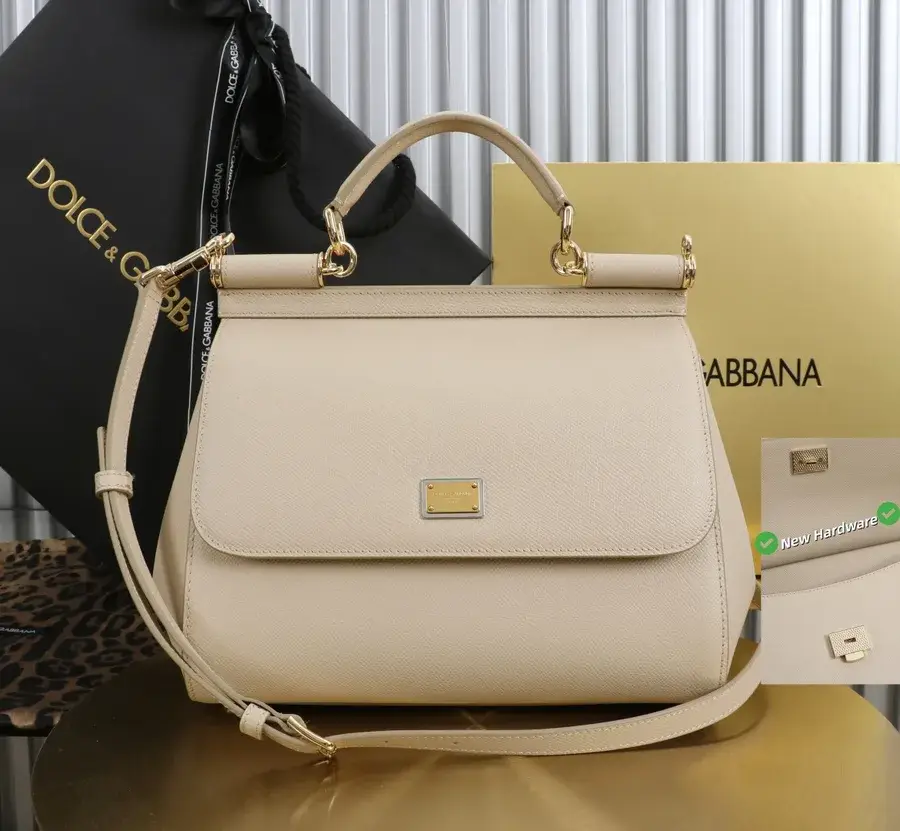
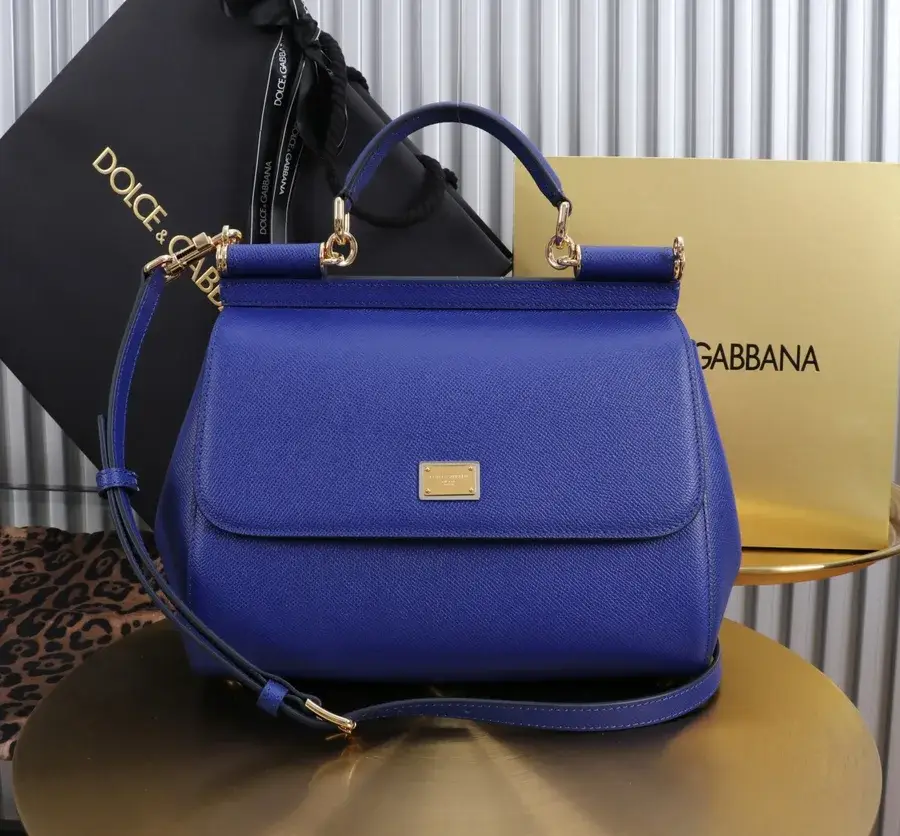
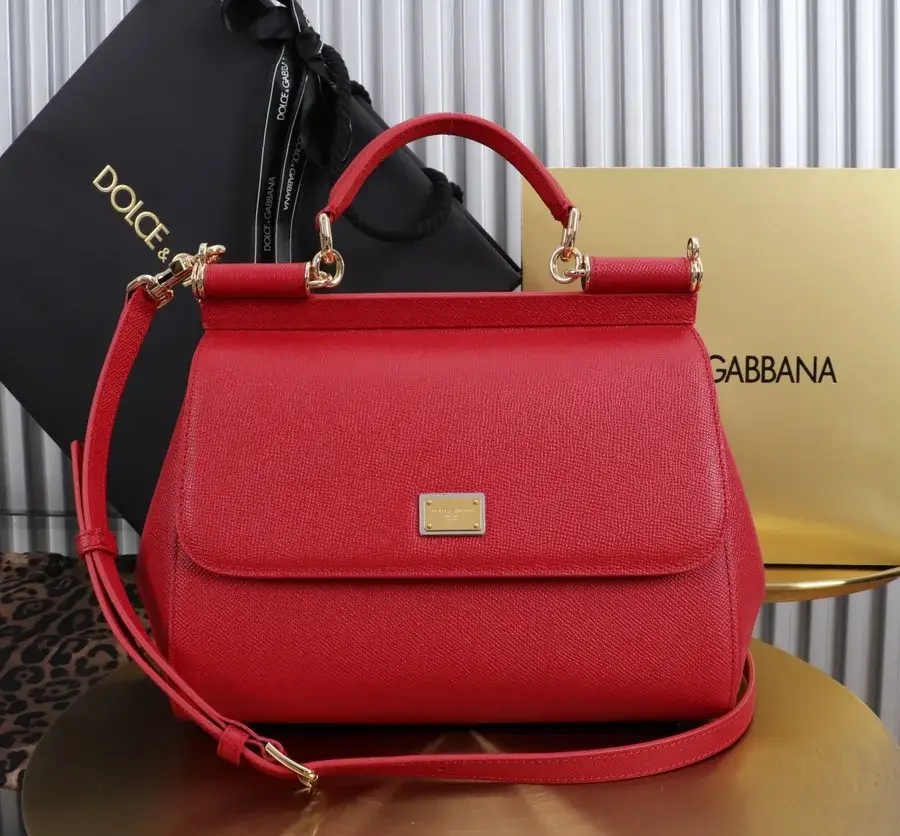
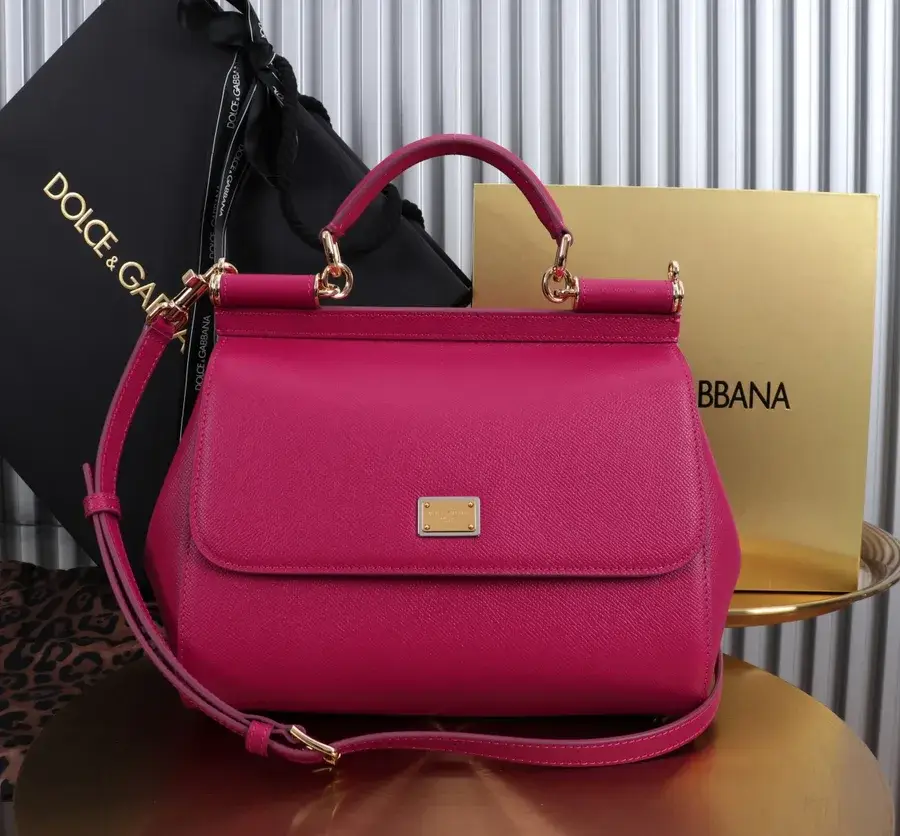
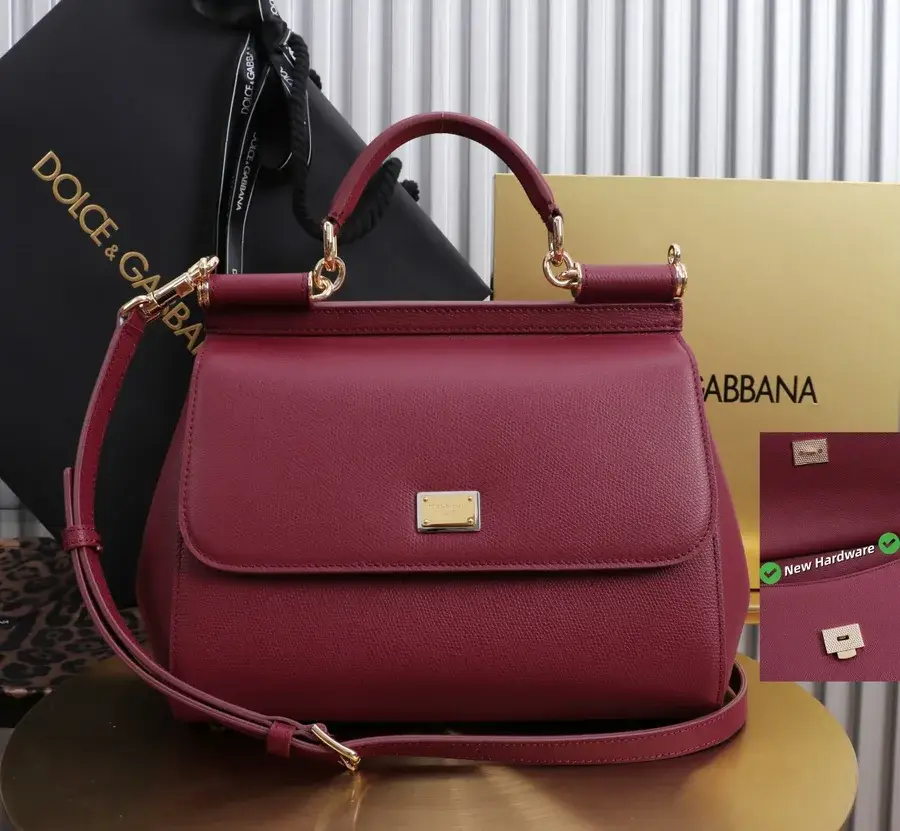
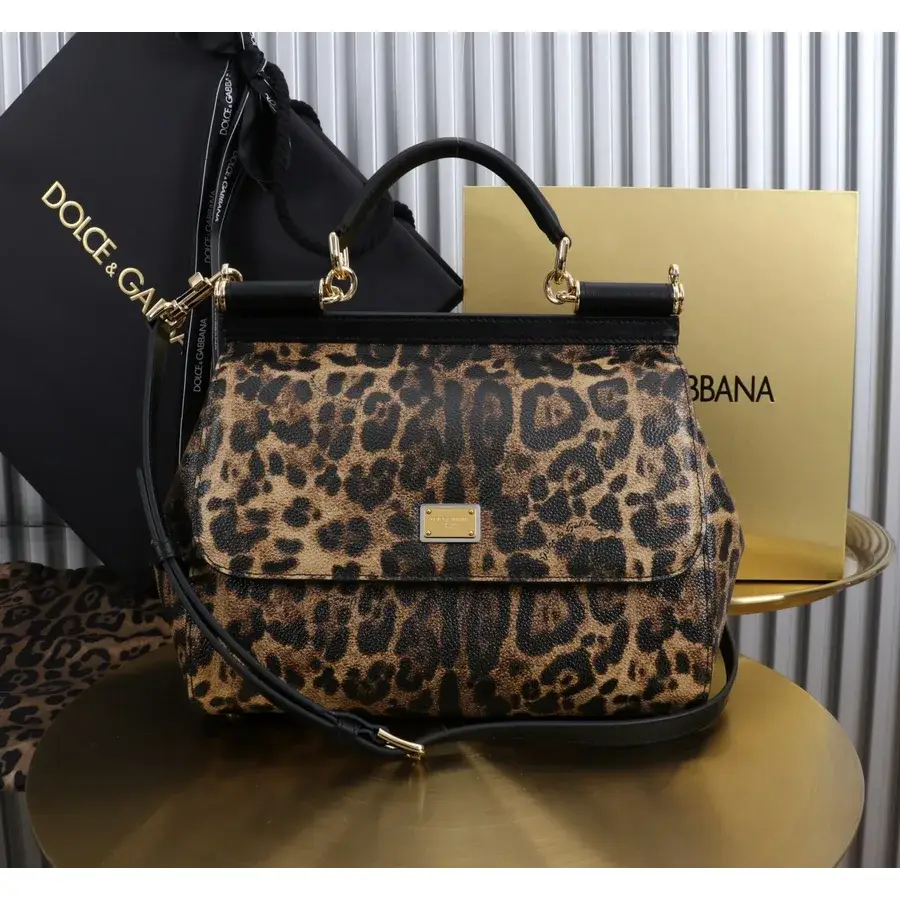
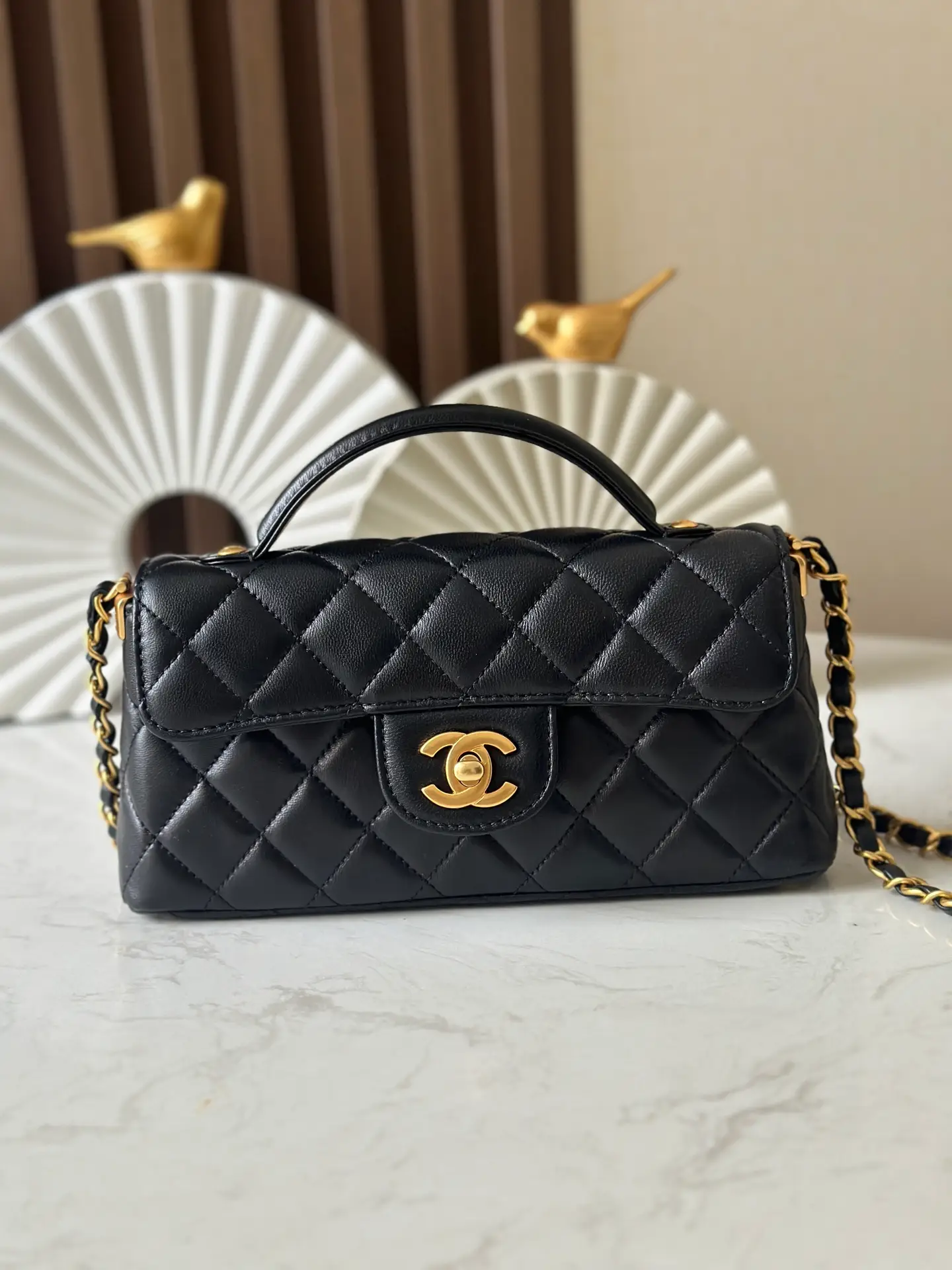
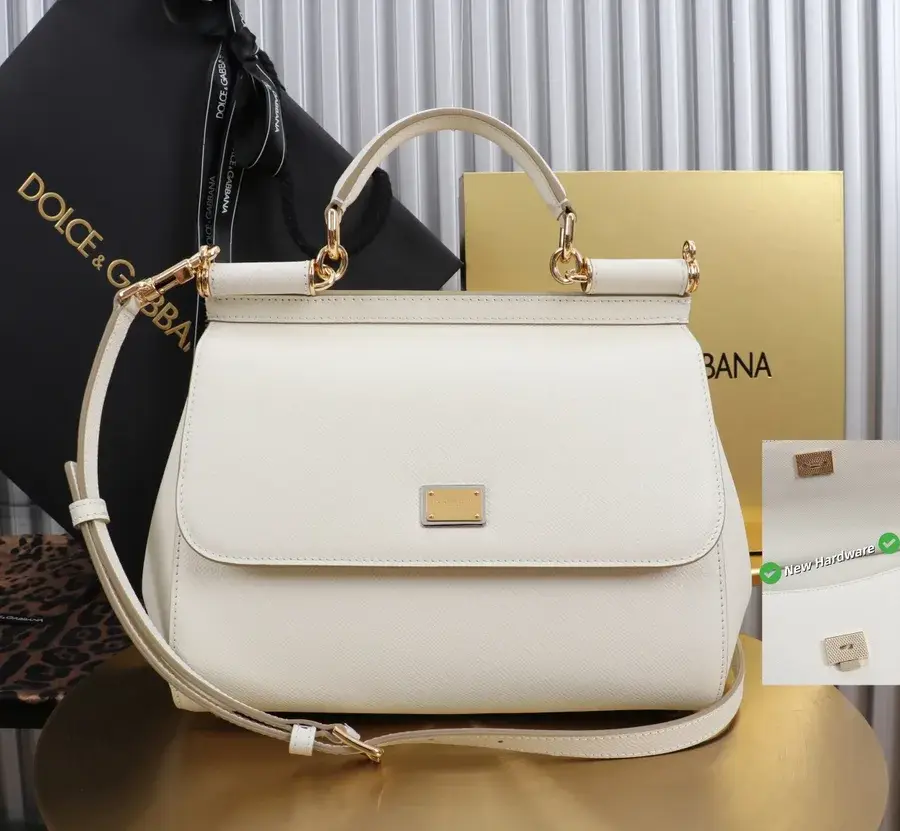
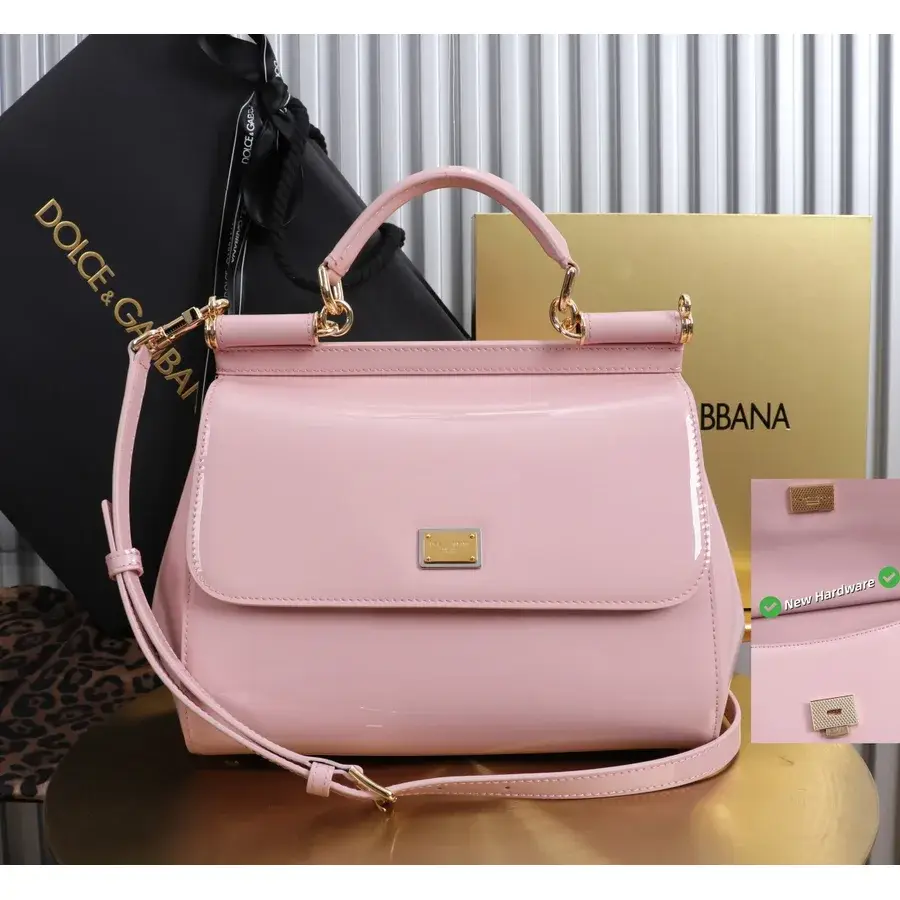
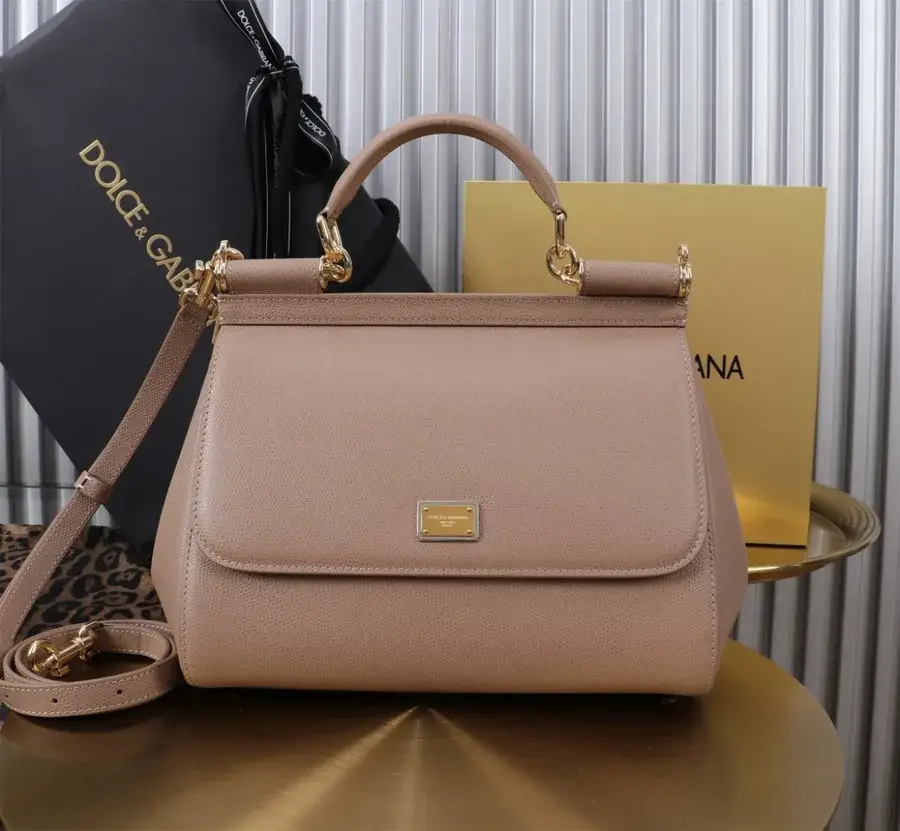
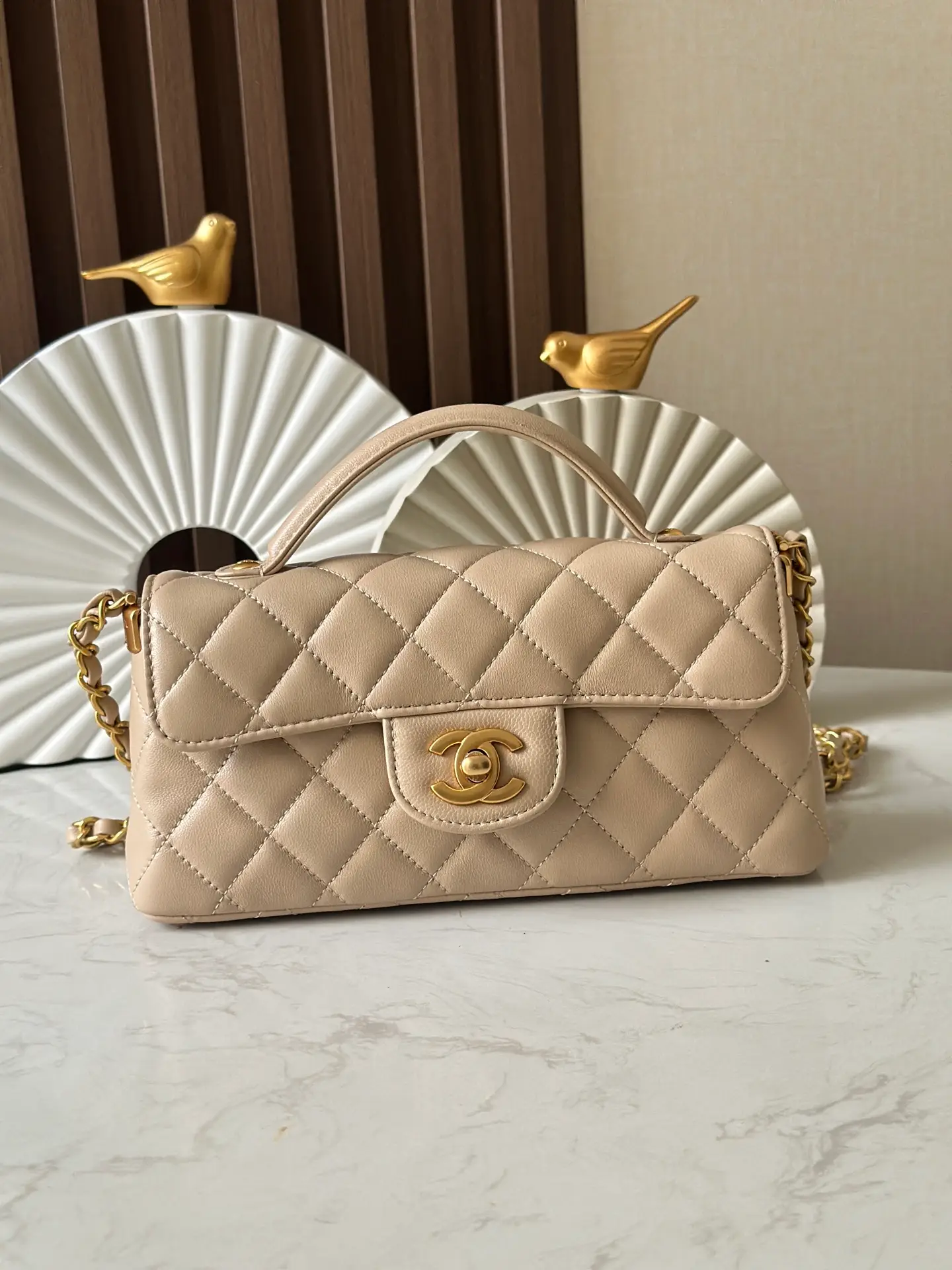
Kelly 20 is the structured strapped mini
The Kelly 20 II is published from about 20 × 12 × 6 cm in the most consistent reference tables. Another source records 20 × 16 × 10 cm when the handle or a different Mini Kelly generation is included. That spread is why the site's guide prints the competing rows rather than averaging them. The narrower 12 cm body needs a phone, card holder and keys arranged carefully; the larger 16 cm figure describes a taller exterior. A 5 cm handle drop and a 48 cm shoulder strap are the carry figures to ask for. A photograph with the handle standing can resolve part of the difference immediately.
Constance 18 is width and height without a settled depth
Constance 18 is published at about 19 × 14 cm across two sources, but its depth is not consistent: one reference gives roughly 4.5 cm and another about 7 cm. Treat the depth as unconfirmed until the specific piece is measured. The rectangular flap and H-shaped clasp make it a compact shoulder bag, and the strap runs across the body rather than sitting on top as a handle. Its useful capacity is therefore a thin phone-and-cards load. The unresolved depth is a good reason to quote width and height first and ask for a base tape measurement before claiming a precise volume.
Picotin Lock 18 is open and soft rather than closed and flat
Picotin Lock 18 is published at 18 × 19 × 13 cm. The bag is nearly as tall as it is wide and is the deepest of the three at 13 cm. Its soft bucket body and belt-and-lock closure create a rounder opening than a flap bag. A phone can stand upright, and a small pouch can settle at the base. The single top handle makes it primarily a hand or forearm carry. Because the bag is soft, the loaded silhouette can be wider than the published width while the opening remains compact.
Handle drop tells you more than width alone
A 20 cm wide Kelly and an 18 cm wide Picotin can look similar in a front photograph. The Kelly has a top handle plus a shoulder strap, while Picotin has a single handle and Constance has a shoulder strap. Measure the clear drop and the distance from the bag's top edge to the handle. A short handle limits how far it can move up the forearm; a long strap decides whether it can cross the body. Width does not answer either question. Ask for both the strap and the handle when the listing shows both.
Leather and closure decide how much empty space survives
Epsom is a stamped calfskin that holds its structure, Box is smooth and firm, Togo is softer and grained. On a structured Kelly the leather helps preserve the rectangle; on a Picotin the soft body closes around the load. A flap with a turn-lock or H clasp also dictates where the body can flex. These construction differences explain why two 20 cm bags can hold different sets of objects. The dimensions are the starting point; the leather and closure determine the usable volume.
Which Hermès mini bag fits which job
Choose Kelly 20 when you want a structured handle bag with a shoulder strap and accept a thin body. Choose Constance 18 for a flat rectangular flap and confirm depth on the exact piece. Choose Picotin 18 when the open bucket opening, 13 cm depth and hand carry suit the load. In all three cases, quote width, height and one measured depth, plus the handle or strap drop. That is more useful than the word mini, which covers three different constructions.