

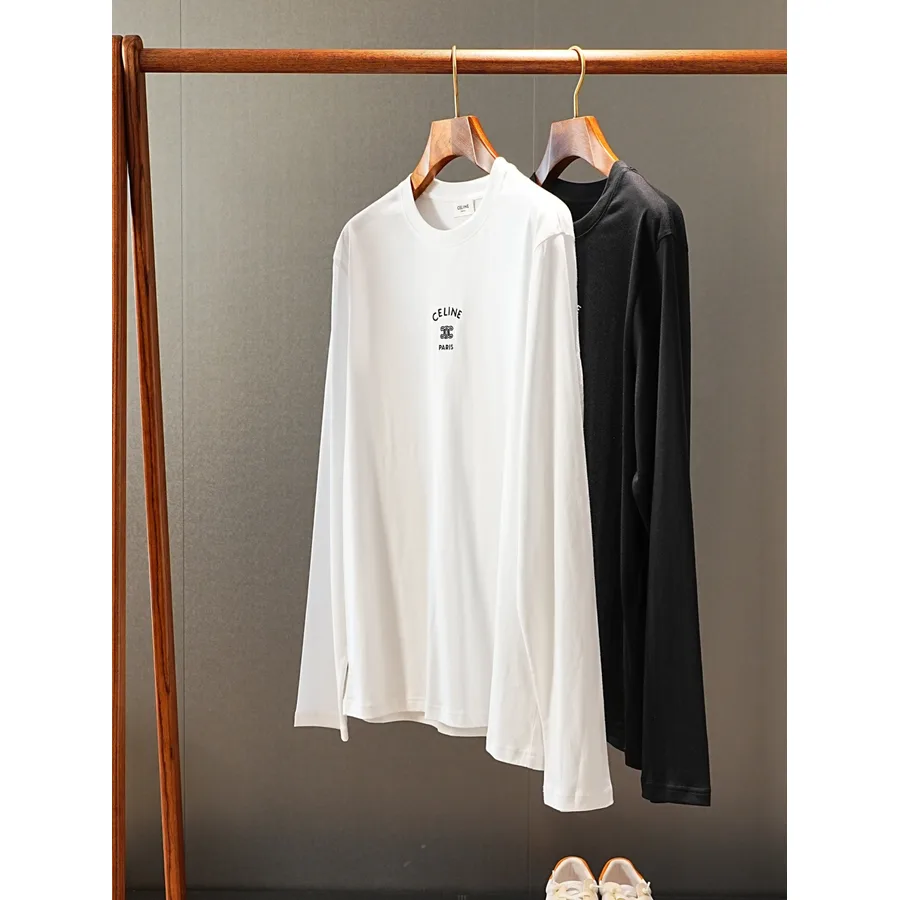
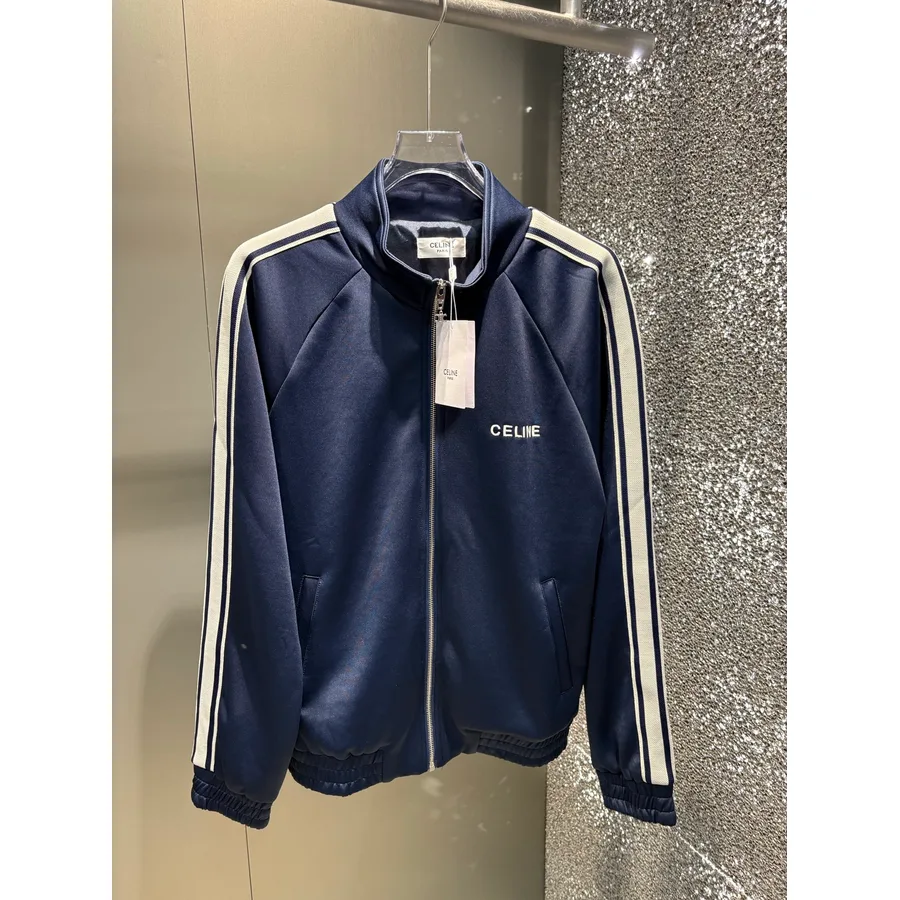
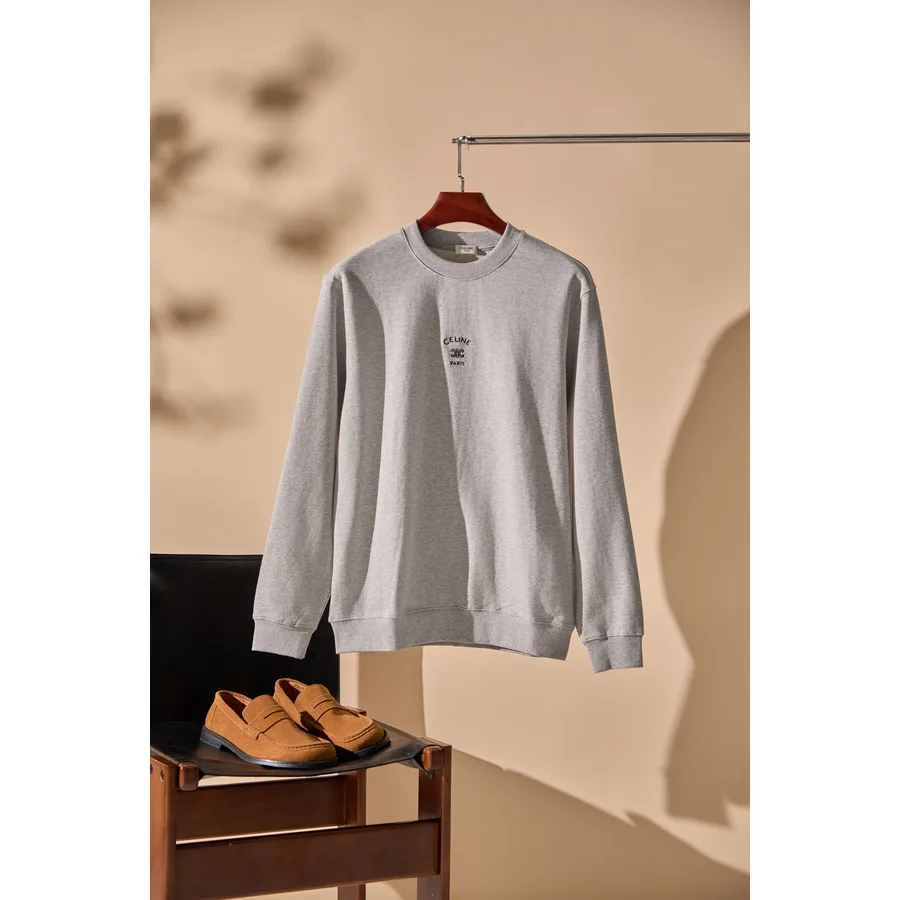
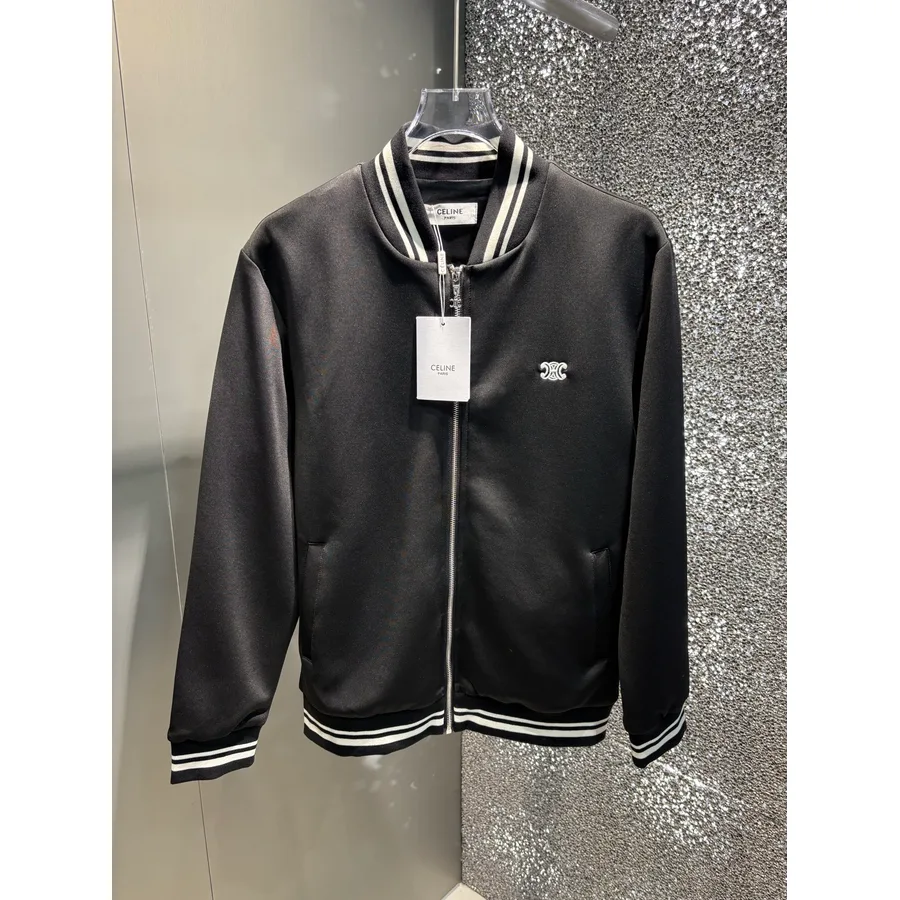
The official body ladder runs from FR 34 to 44
Celine publishes FR 34 with an 80 cm bust, 60 cm waist and 86 cm hip; FR 38 with 88, 68 and 94 cm; and FR 44 with 100, 80 and 106 cm. The increments are mostly four centimetres from one size to the next. The table is deliberately described as body measurements, not finished garment measurements. That means the numbers help identify the size band for the person, while the cut of a boxy jacket, fitted knit or drawstring trouser decides how much room sits between body and cloth.
The house tells buyers that the product overrides the chart
Celine's size guide opens with a direct warning: sizing can vary from product to product, so buyers should use the product-specific guide or fit suggestion. This is more useful than treating FR 38 as a fixed physical block. A boxy jacket in FR 38 can carry more shoulder room than a fitted knit in the same label. A hoodie may be designed to sit away from the body, while a shirt may be intended close. If a listing provides only the French number, ask for the finished measurements of that exact piece.
Where a jacket and a hoodie need different checks
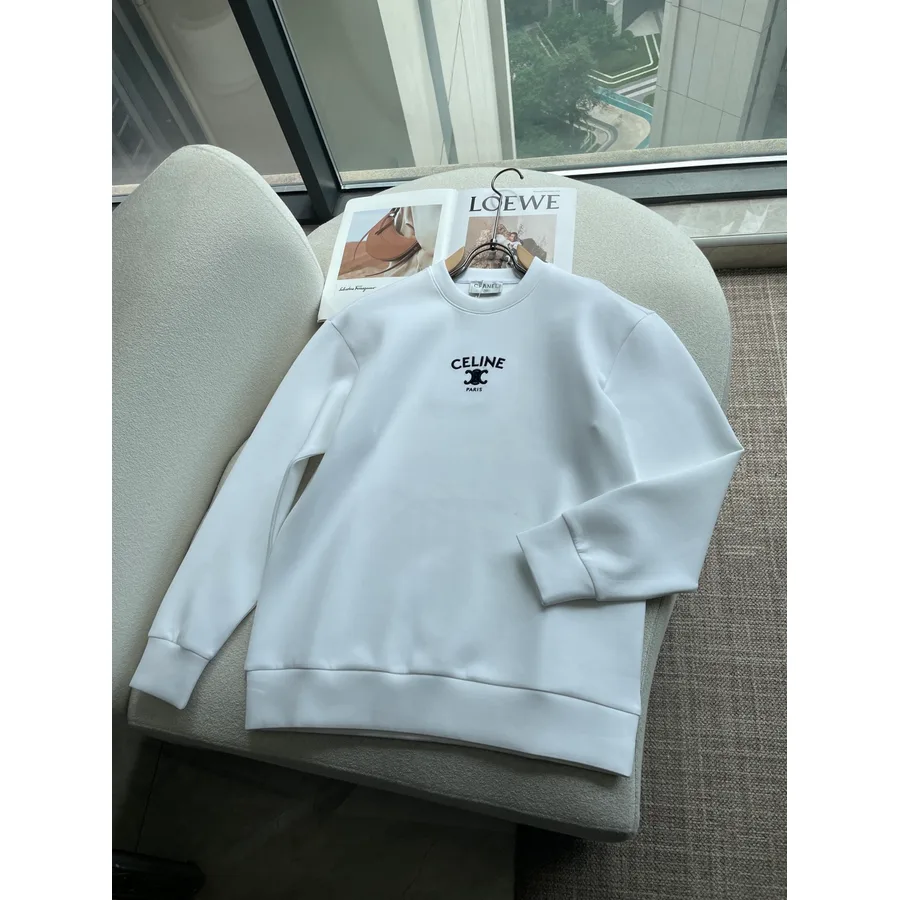
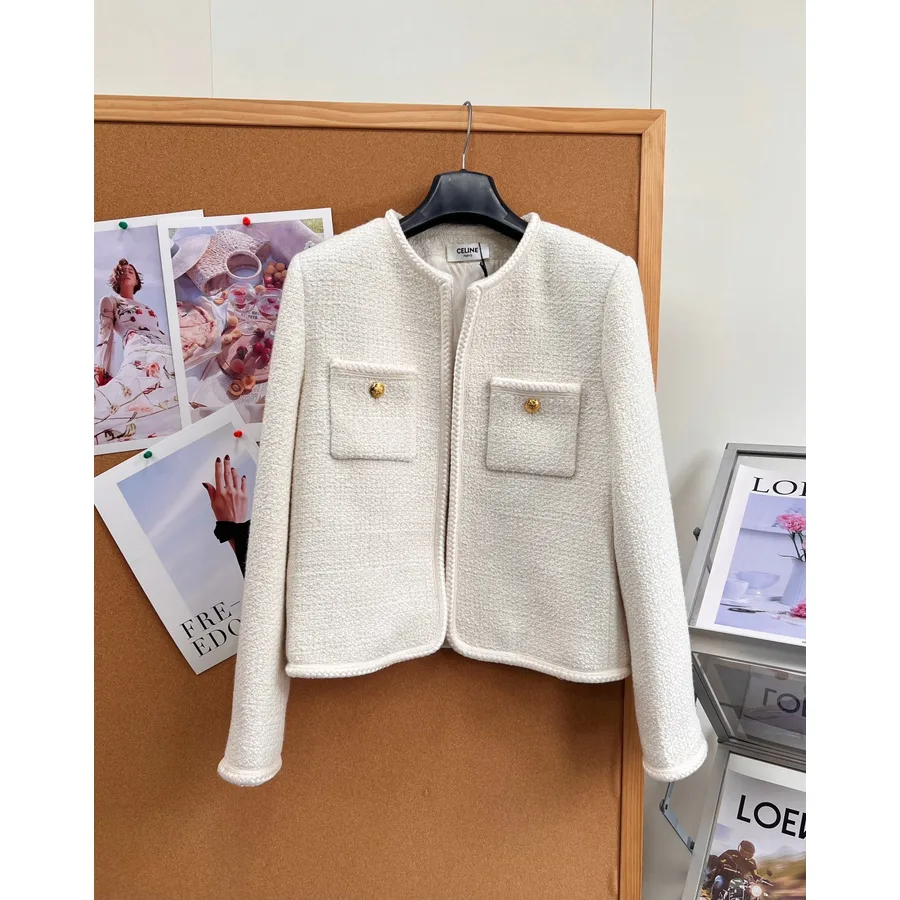
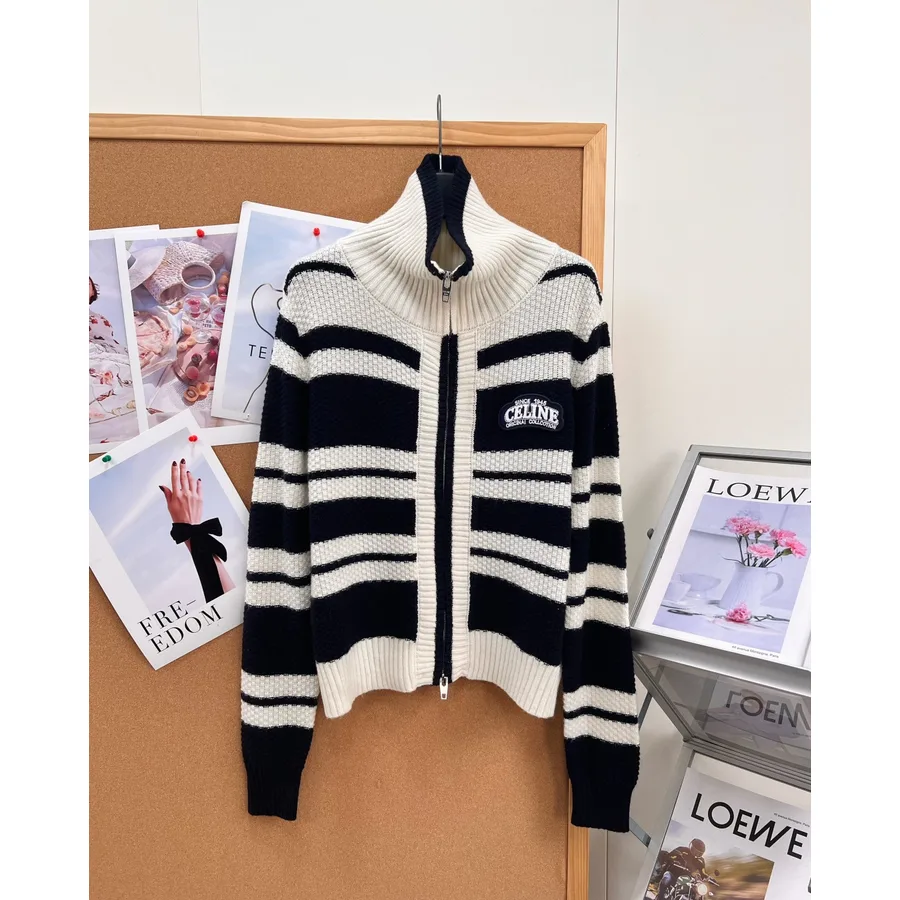
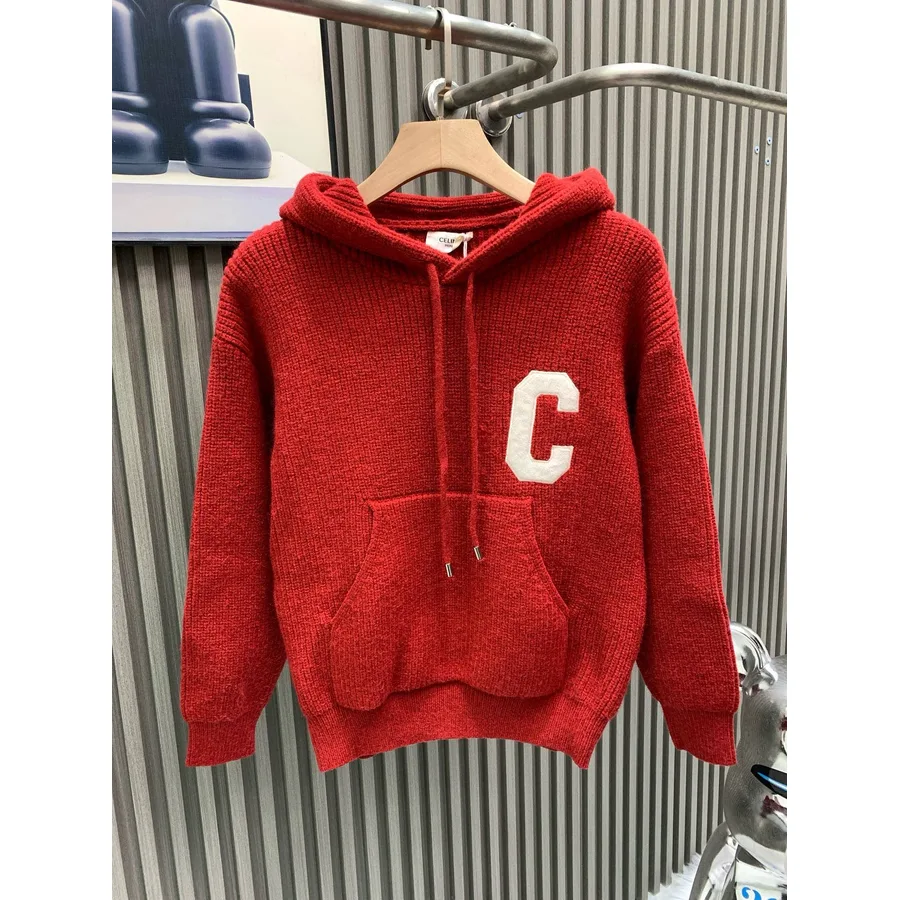
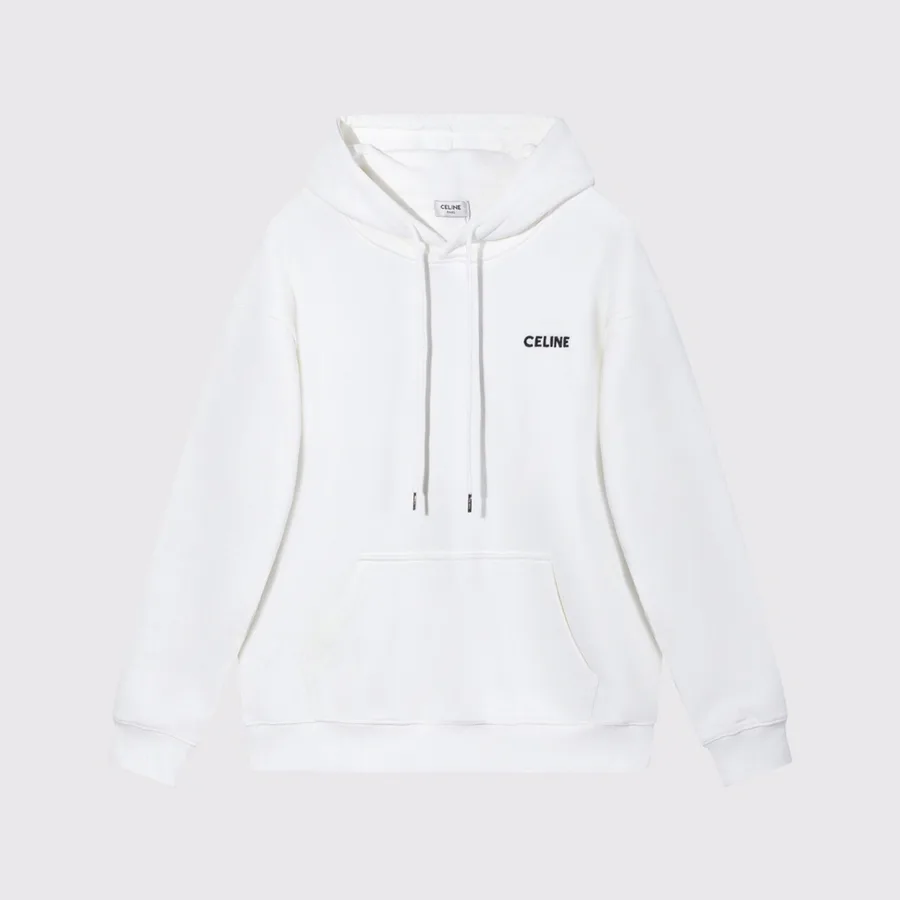
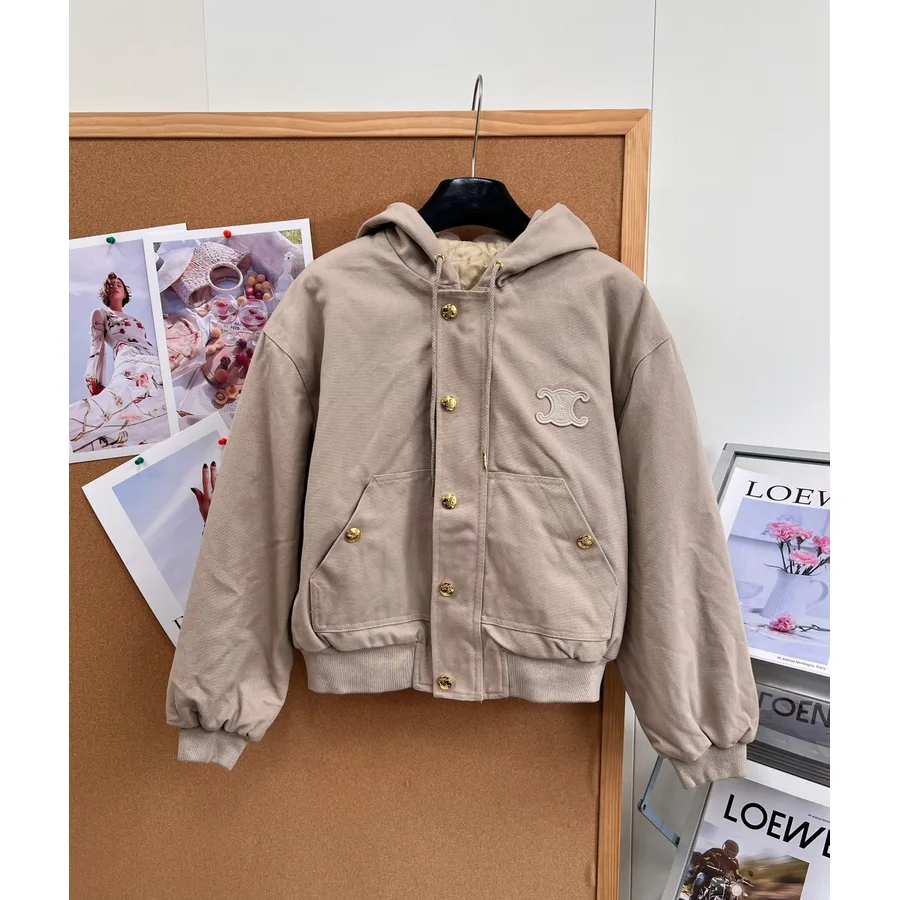
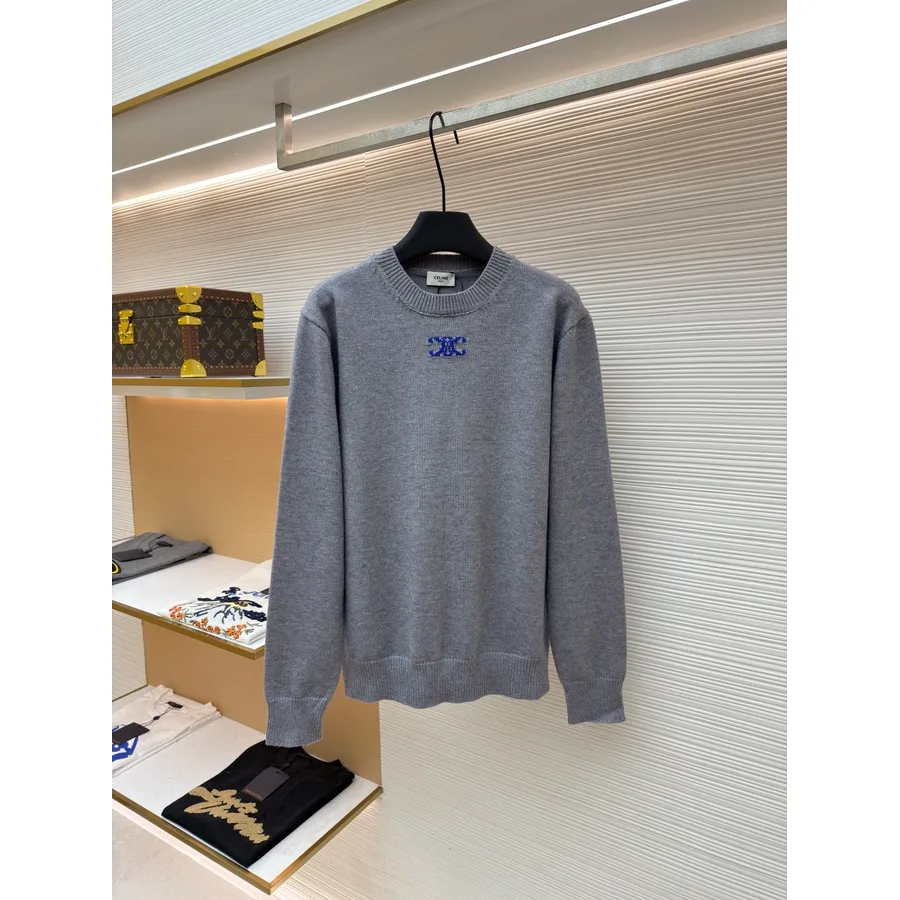
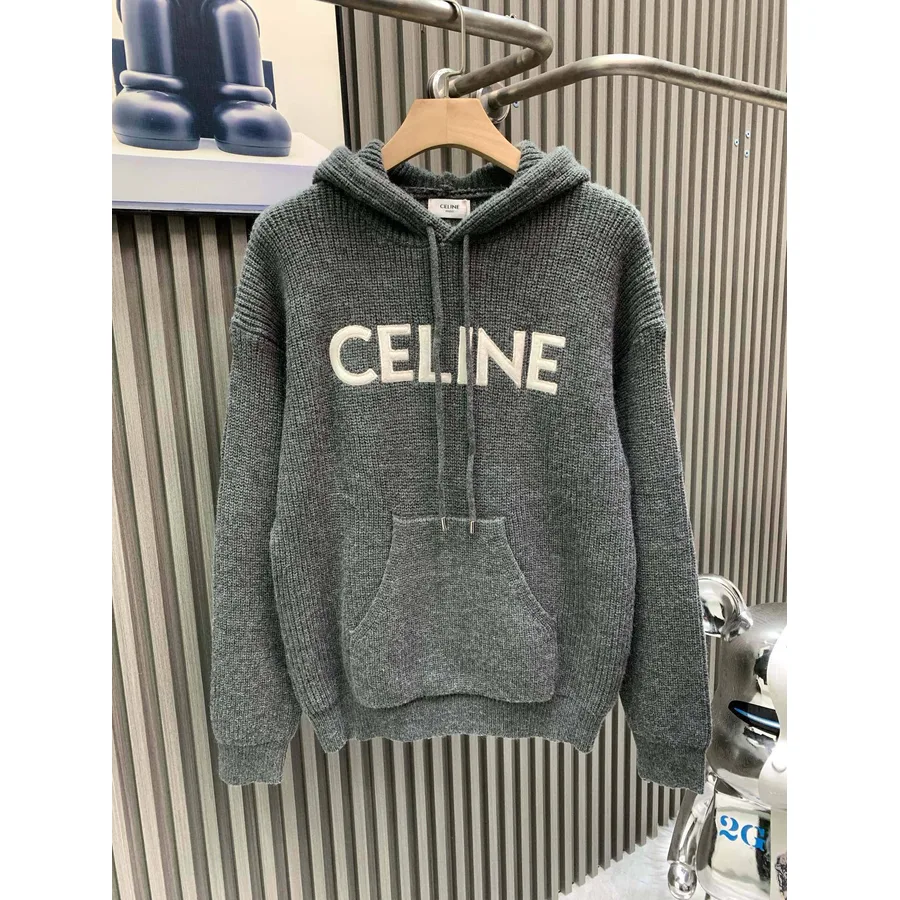
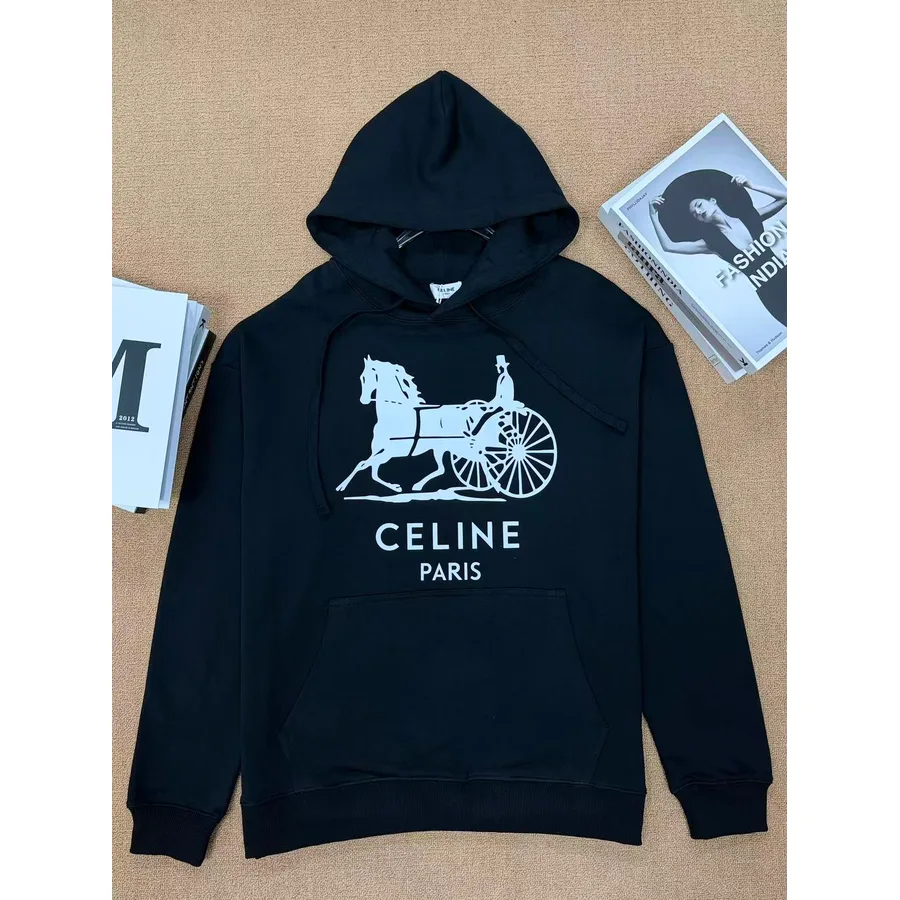
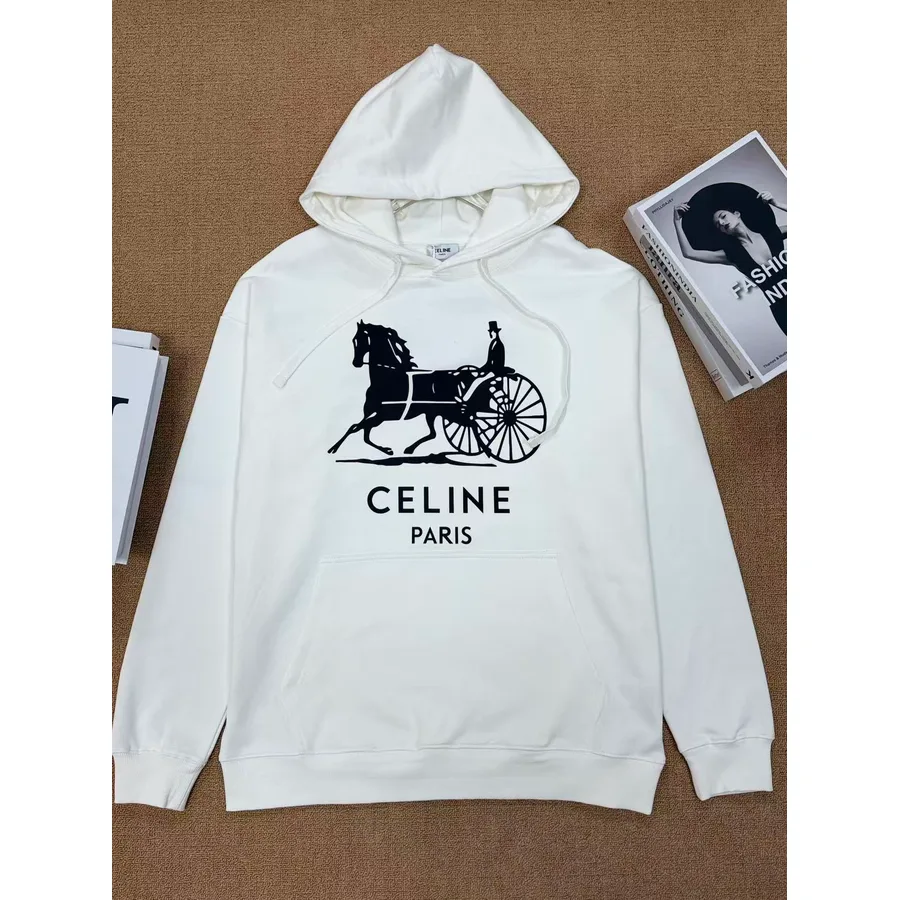
For a woven jacket, shoulder seam, chest and sleeve length decide the line. Pull the shoulders on and off a hanger; a jacket that fits at the bust but not the shoulder will not be repaired by the next size down. For a hoodie or sweatshirt, compare chest and centre-back length with a garment you enjoy wearing, then add the ribbed hem and cuff measurements. A ribbed hem changes the shape at the bottom, even when the chest looks relaxed. For knitwear, note whether the fabric is compact or open; the same body width feels different across the two.
Use adjacent sizes as a test, not a ladder
If your bust falls between two rows, compare the larger difference in the actual garment. A four-centimetre step at the chest is small in a loose jacket and large in a close-fitting top. Hip and waist can pull the decision another way: a size that works at the chest may be too narrow through the hip if the garment is cut straight. Build a three-piece comparison using chest, shoulder and hip rather than averaging the labels. The best size is the one that fits the most restrictive intended area of that cut.
A finished-measurement request that removes guesswork
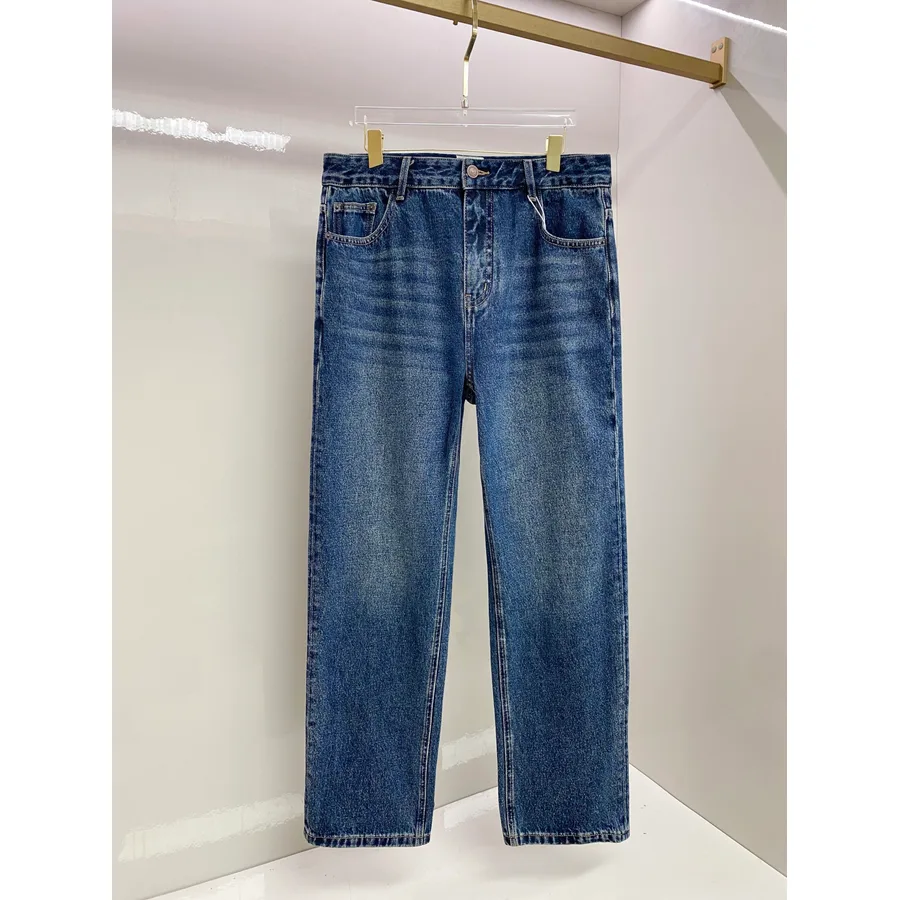
Ask for the chest measured flat and doubled, the shoulder point to point, the centre-back length and the sleeve from shoulder seam to cuff. For trousers add waist, hip, rise and inseam. Say whether the piece is a jacket, knit, sweatshirt or trouser so the answer uses the right convention. These figures can be compared with a garment you own, while the Celine body table keeps the French number in context. That combination is stronger than a single conversion from US or UK.
The fit conclusion for Celine clothing
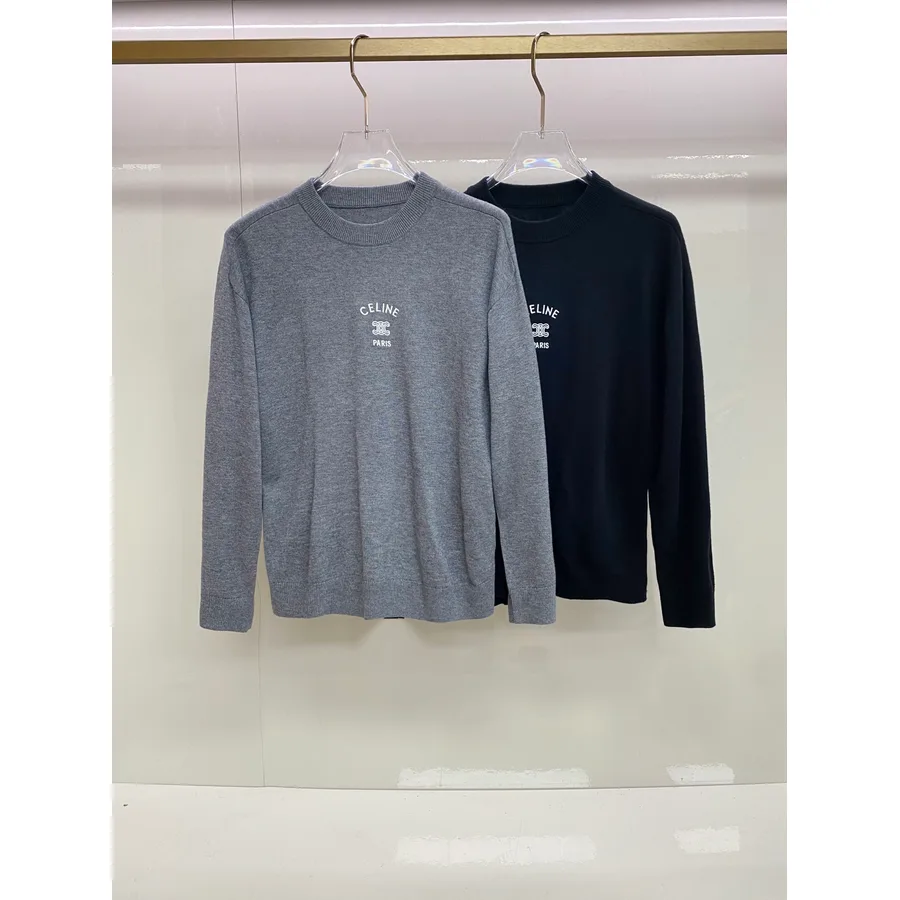
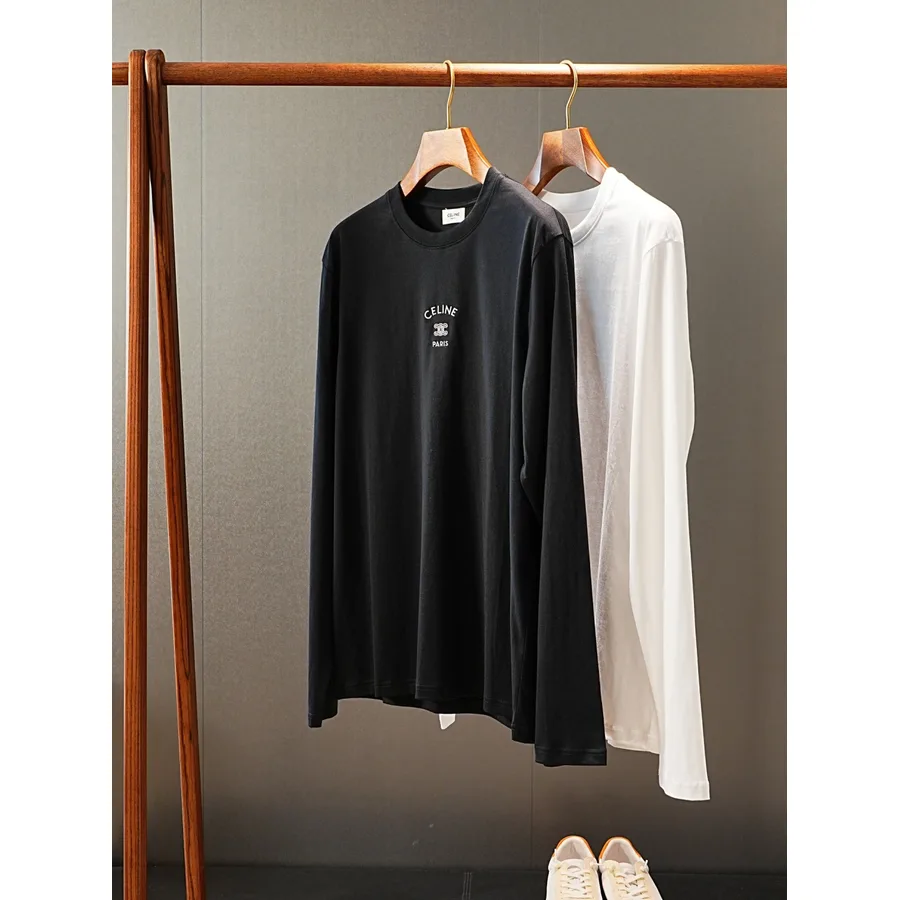
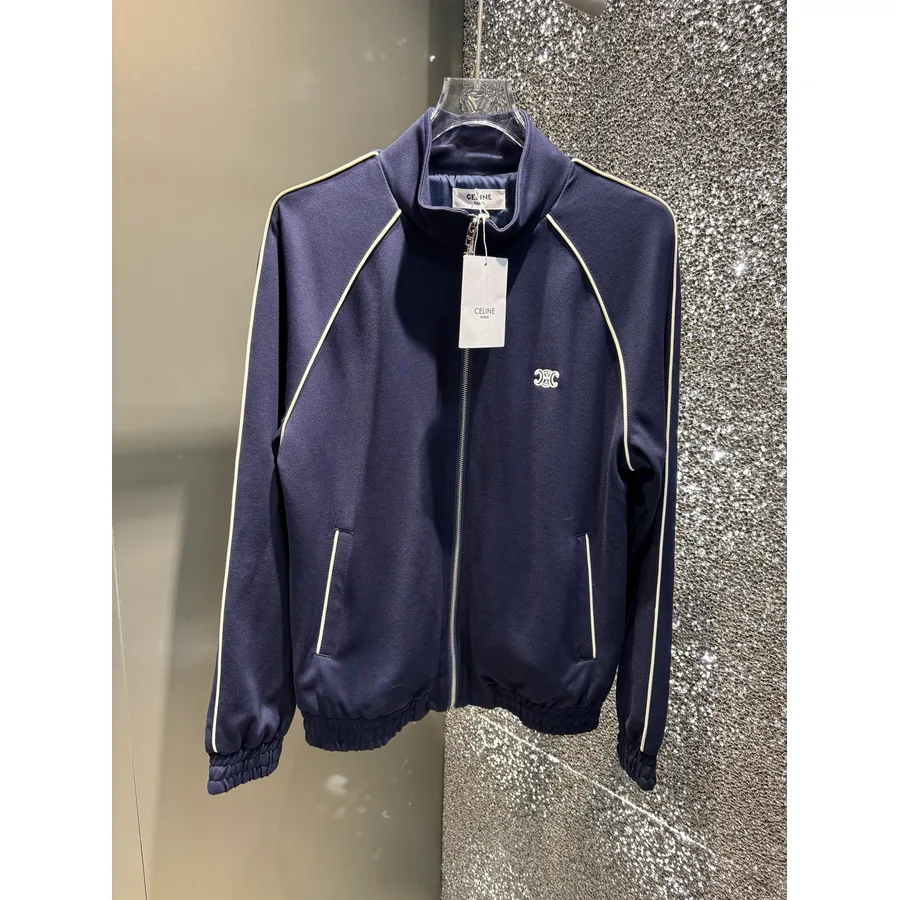
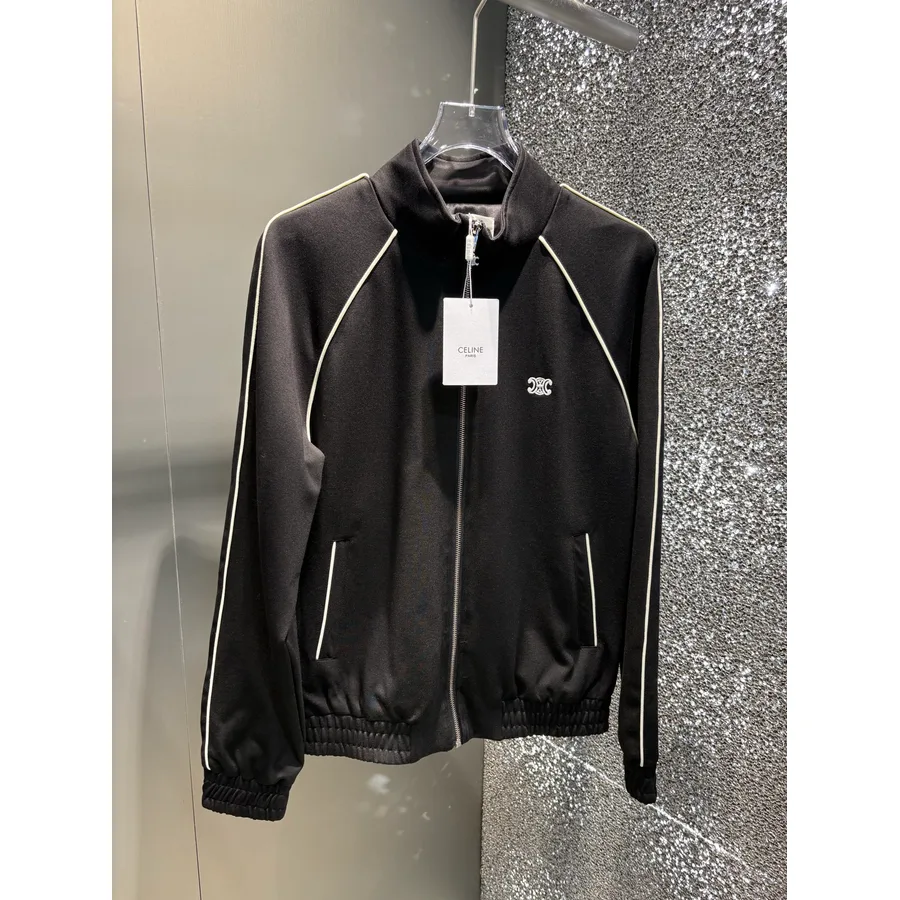
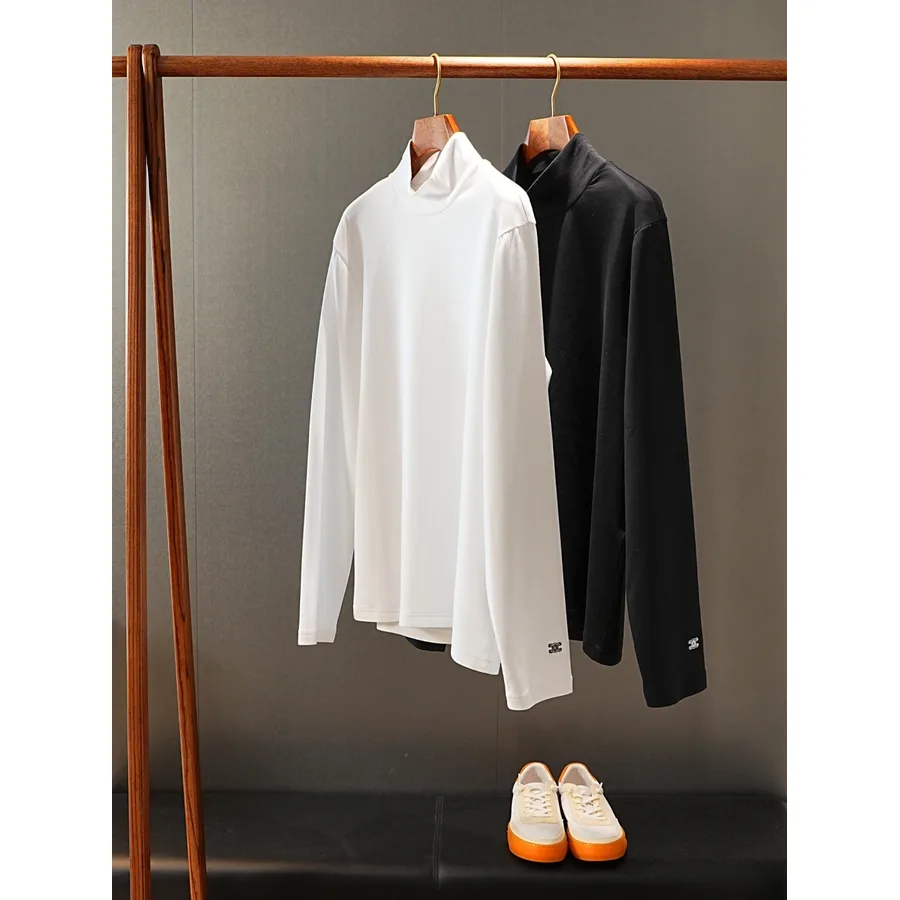
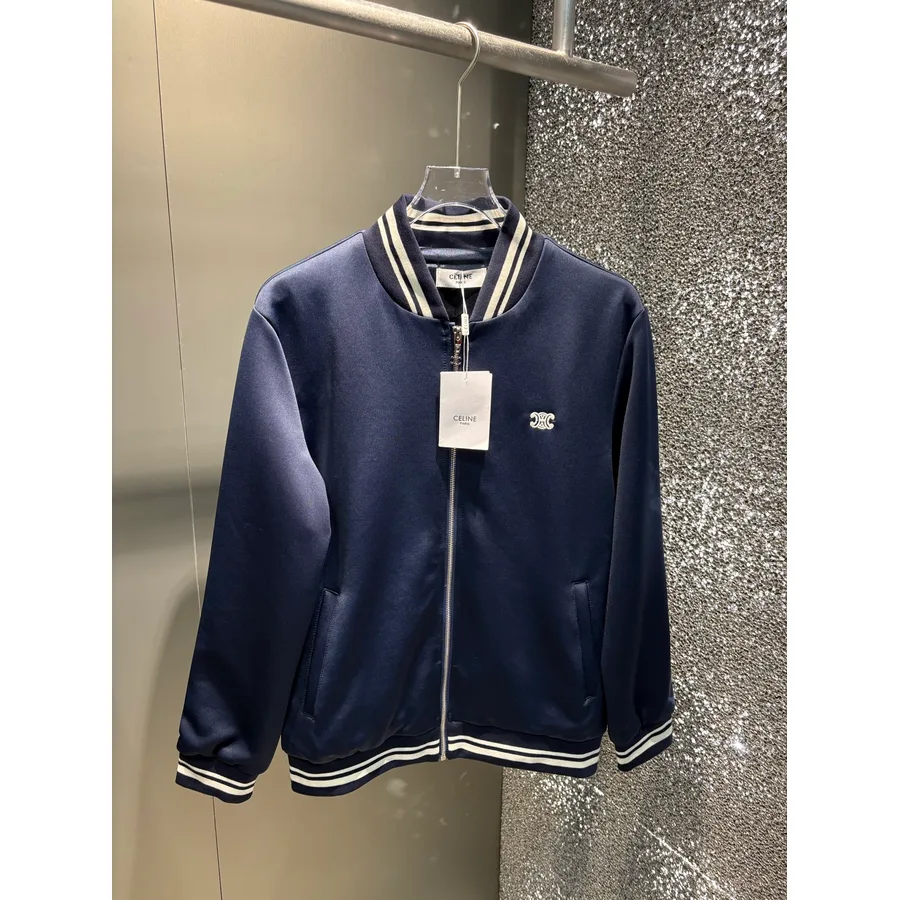
Start with the official body row nearest your measurements, then let the finished garment decide between it and the adjacent size. Treat FR 34 as the smallest published adult row here and FR 44 as the largest, without stretching either into a universal XS or XL claim. The catalogue photos are useful for reading shoulder slope, sleeve volume and hem position, but they cannot supply a tape measurement. A listing becomes answerable when its French label and four completed-garment figures are sent together.