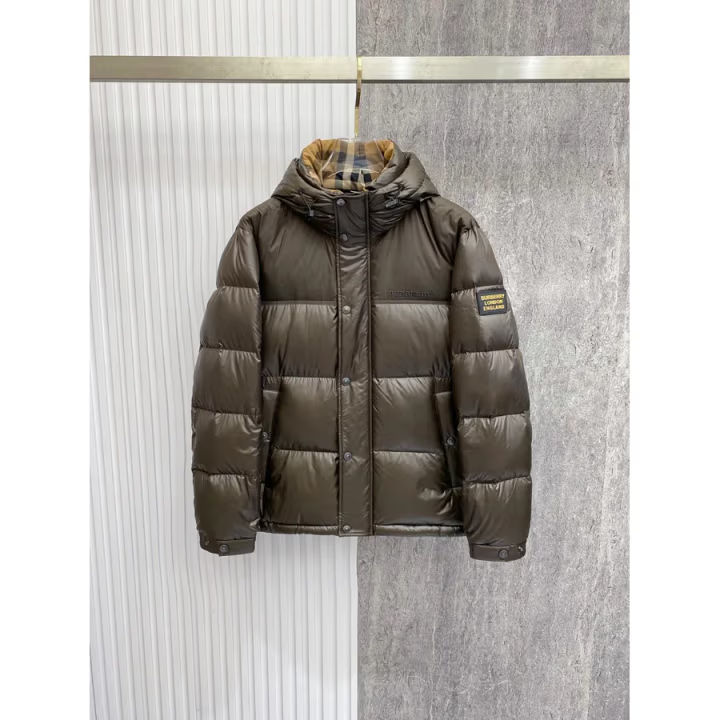
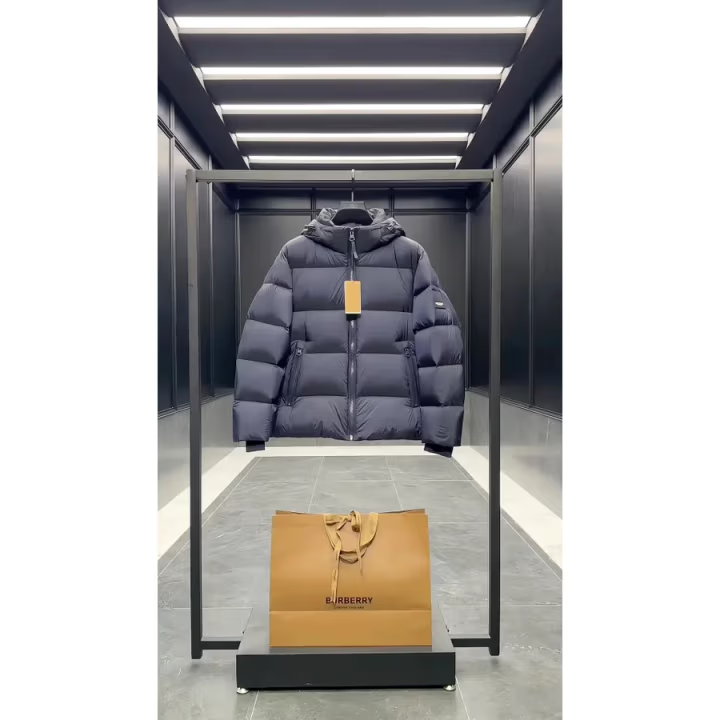
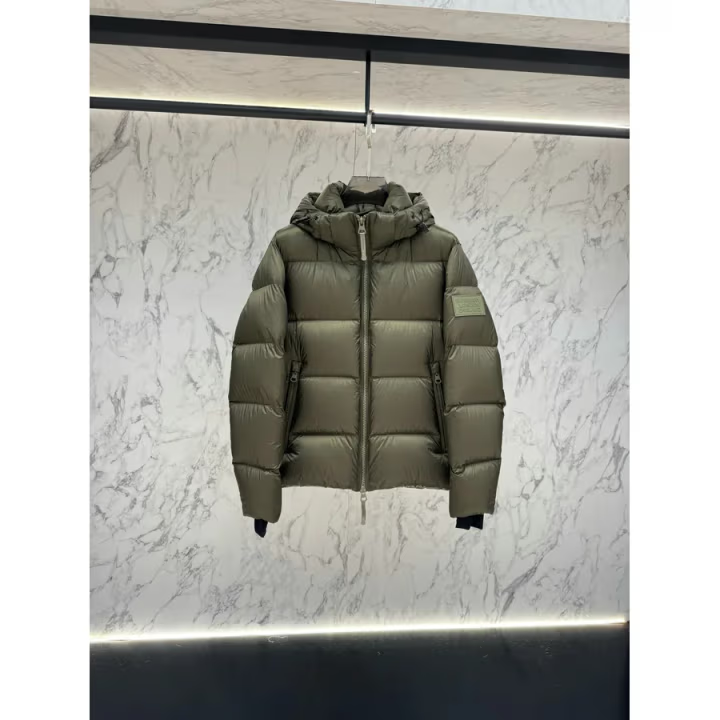
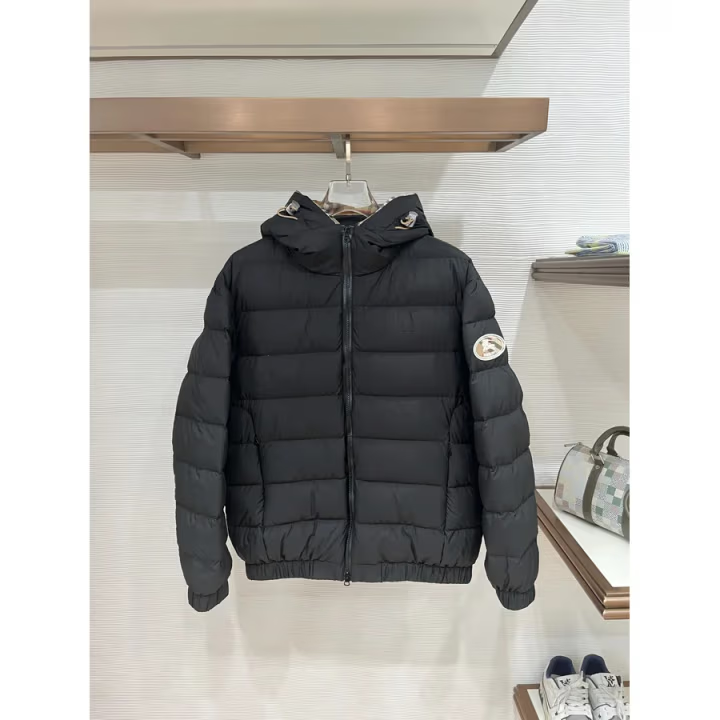
Down volume is not the same as a loose cut
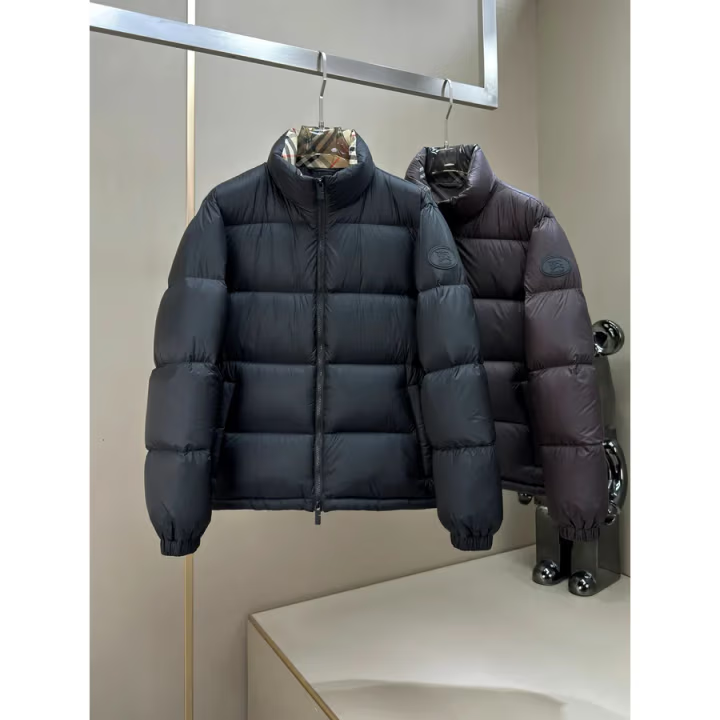
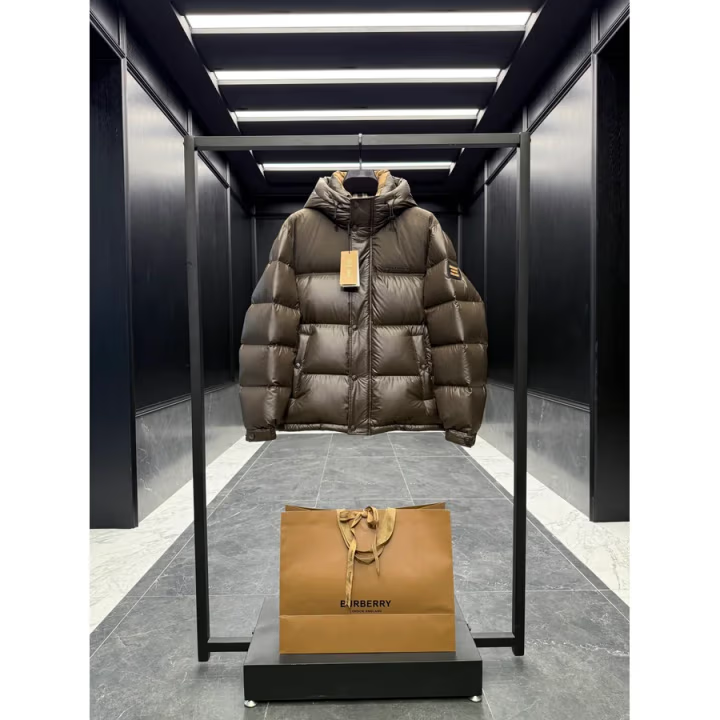
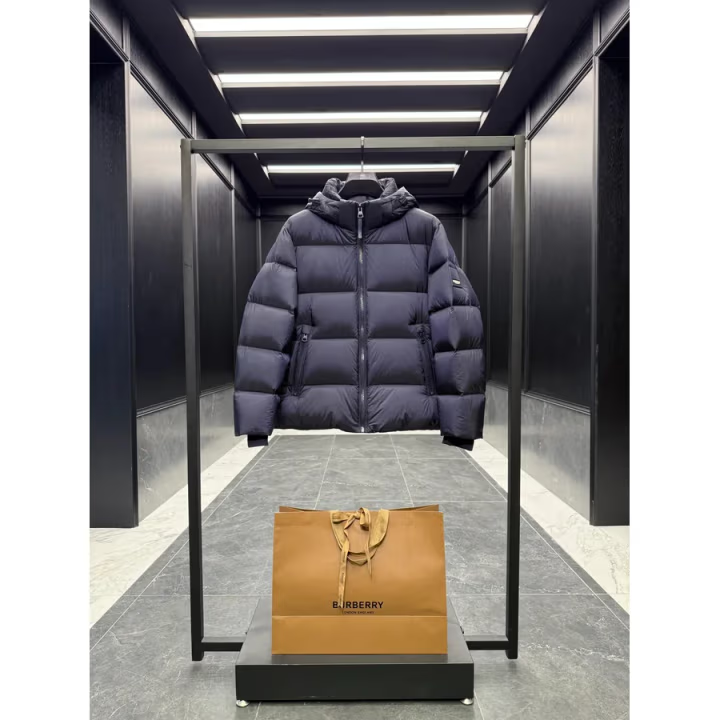
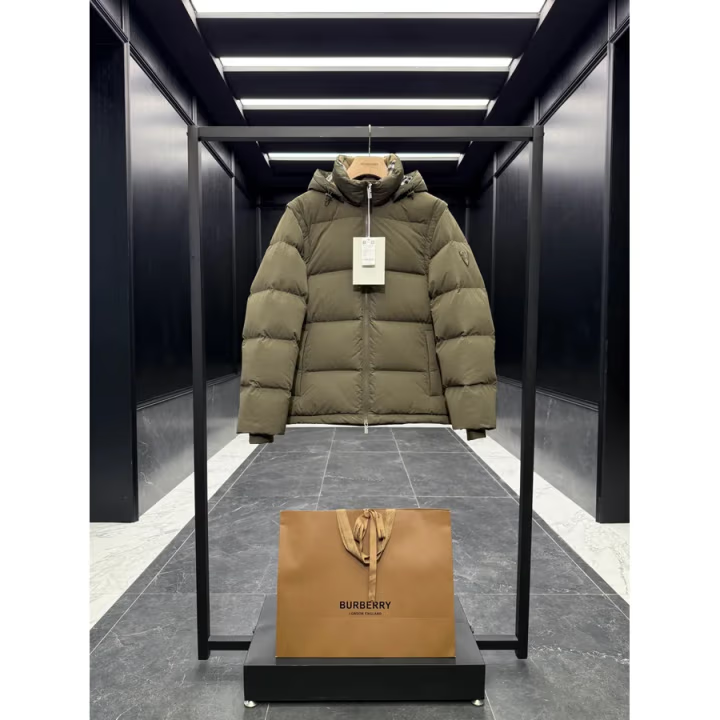
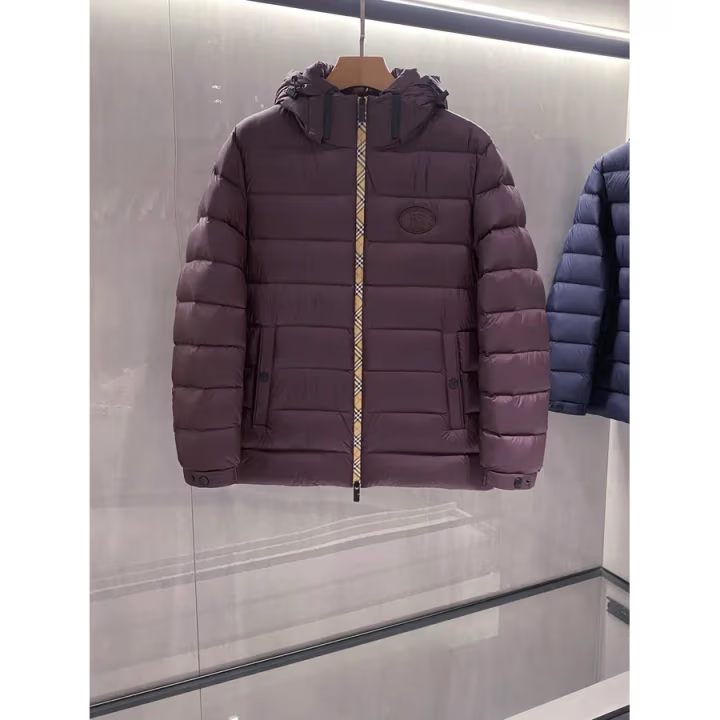
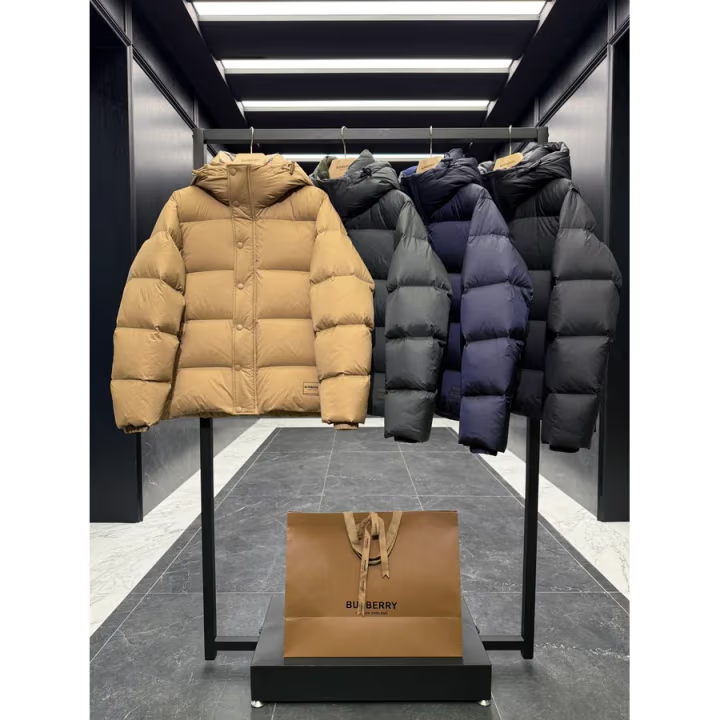
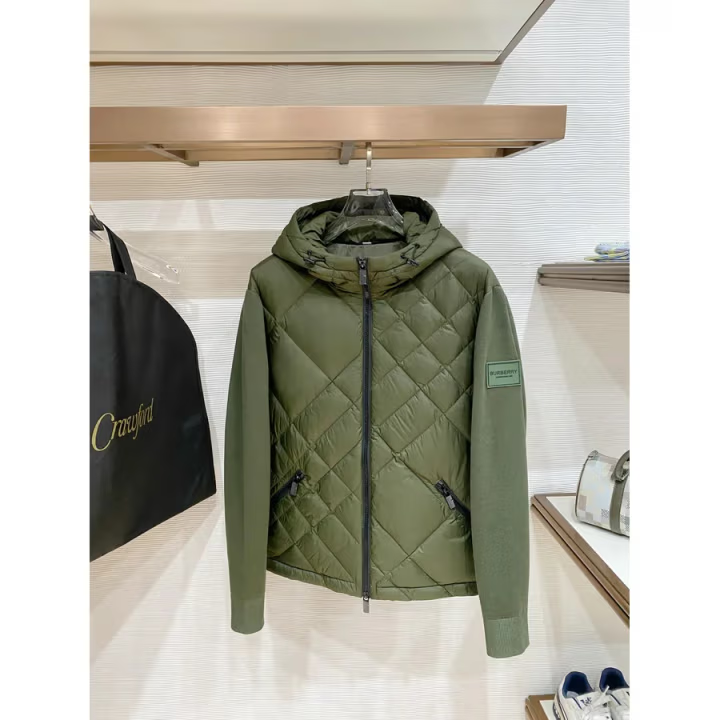
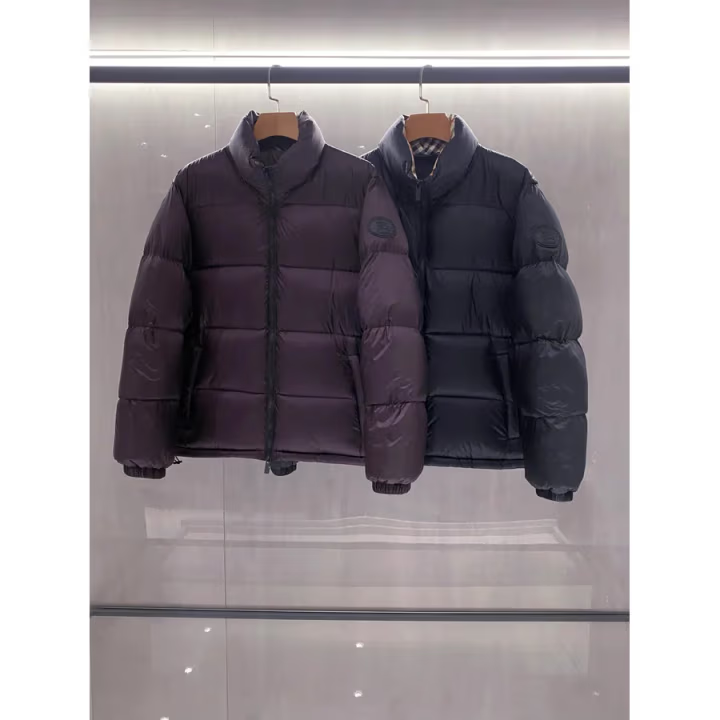
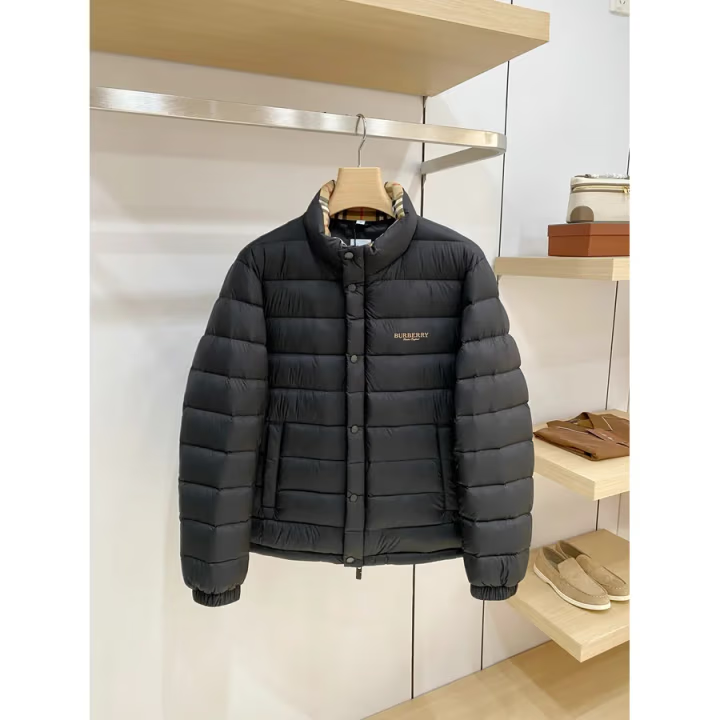
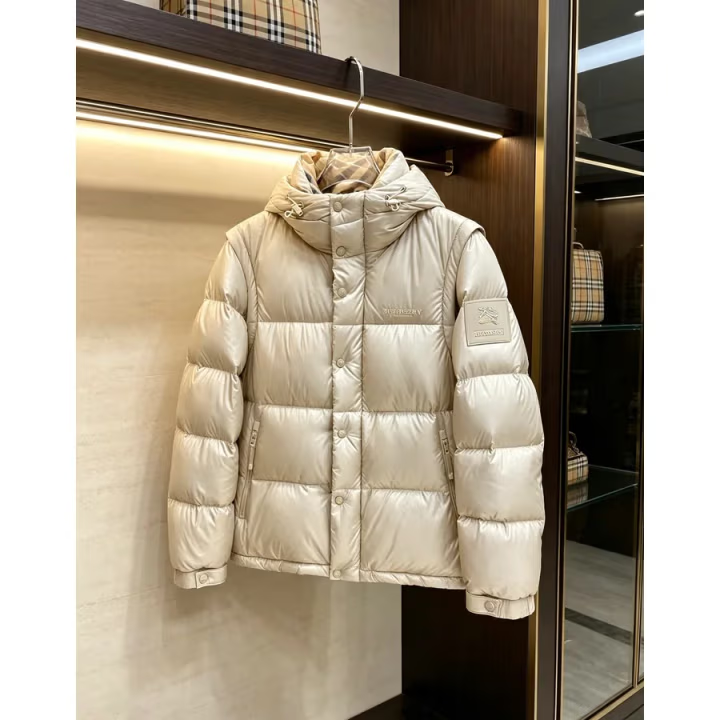
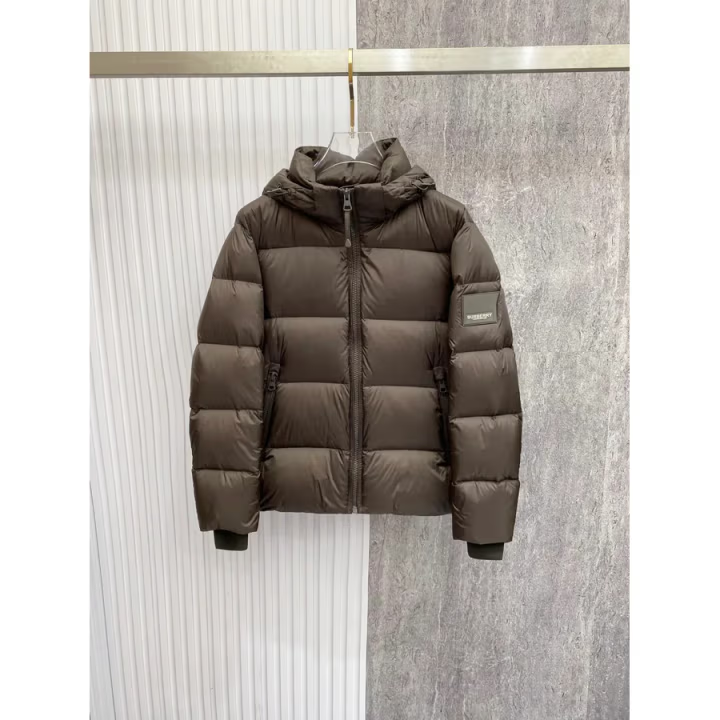
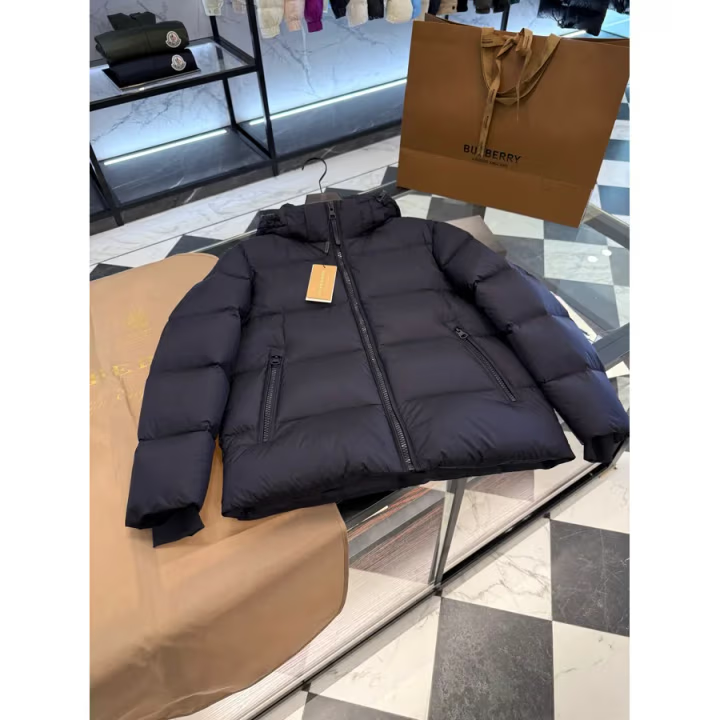
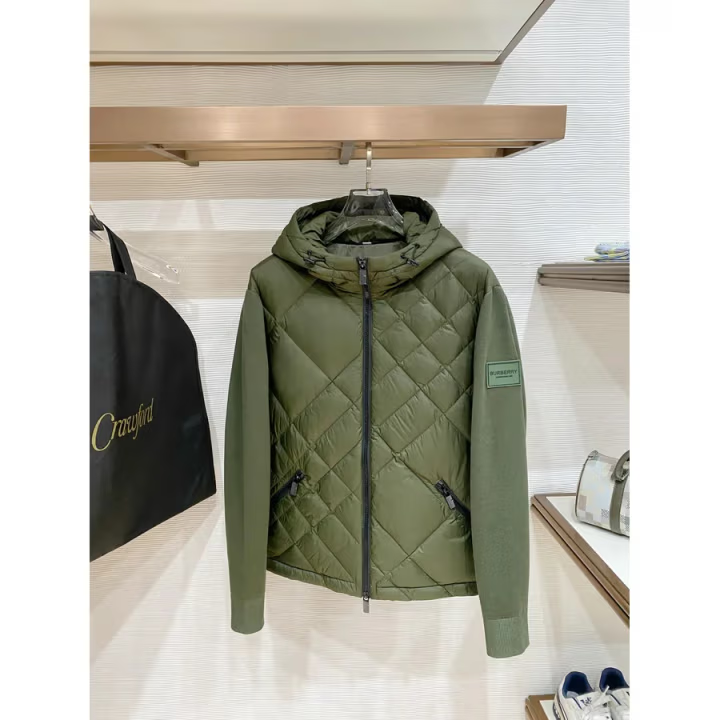
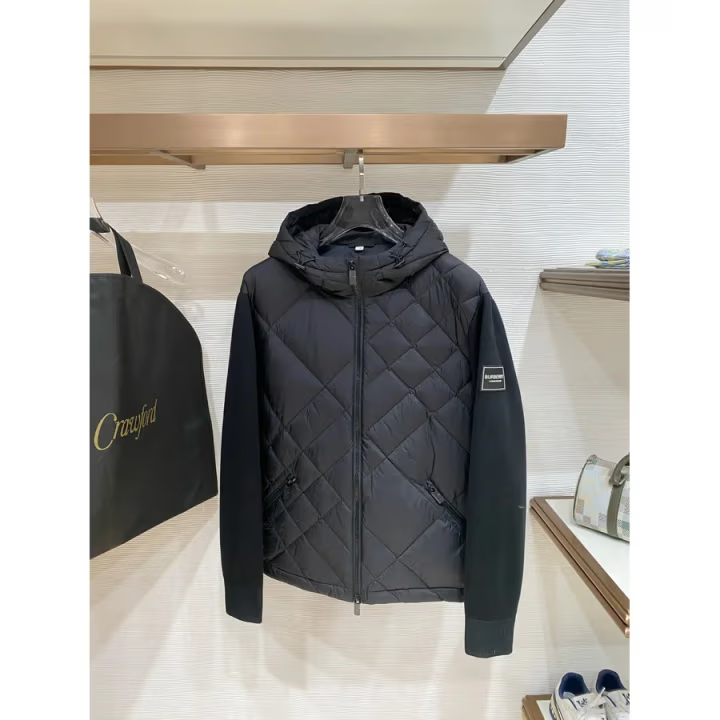
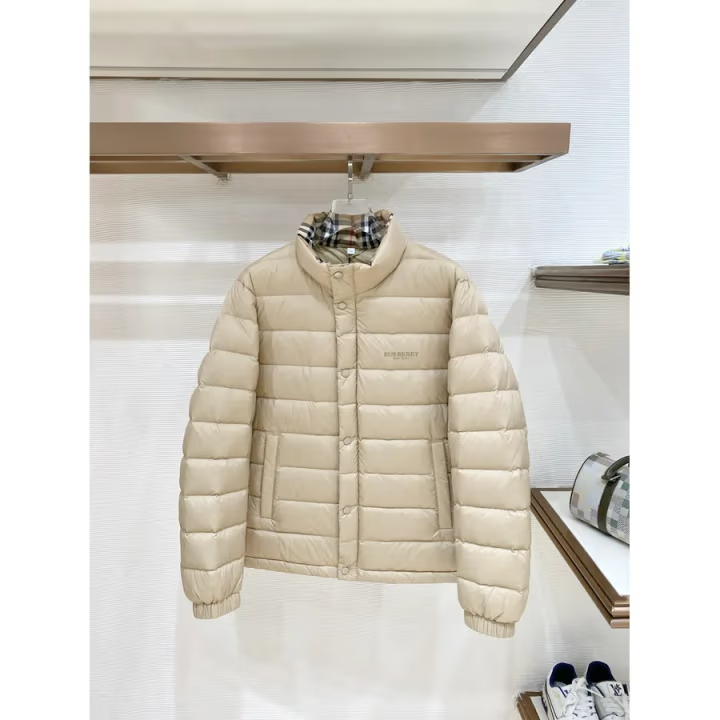
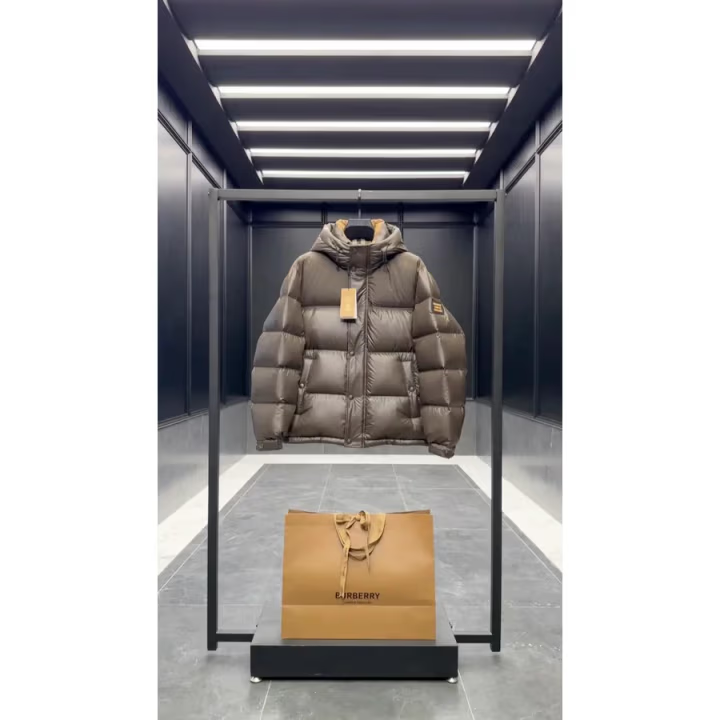
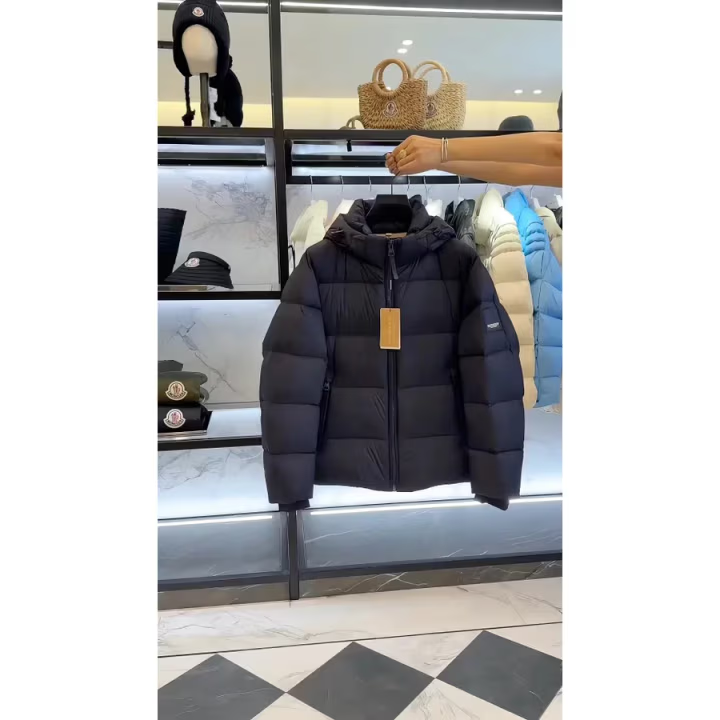
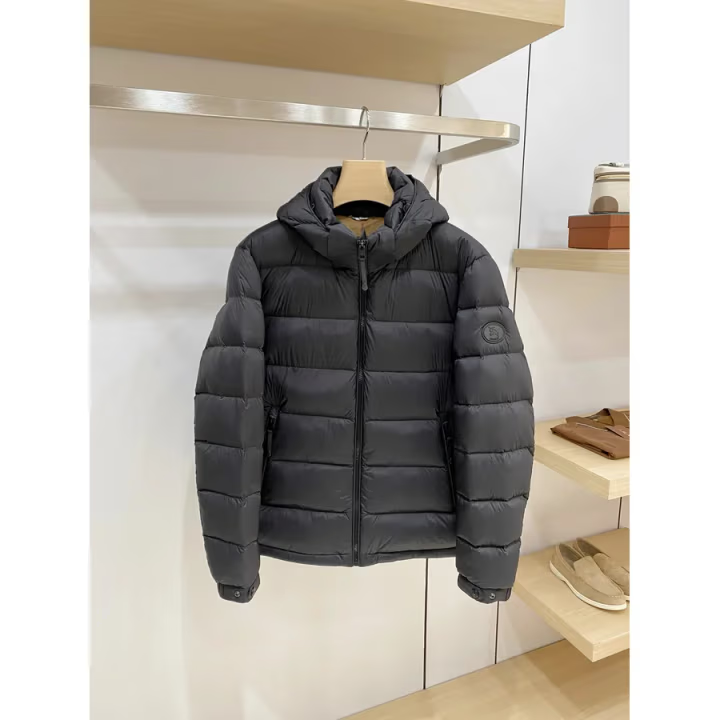
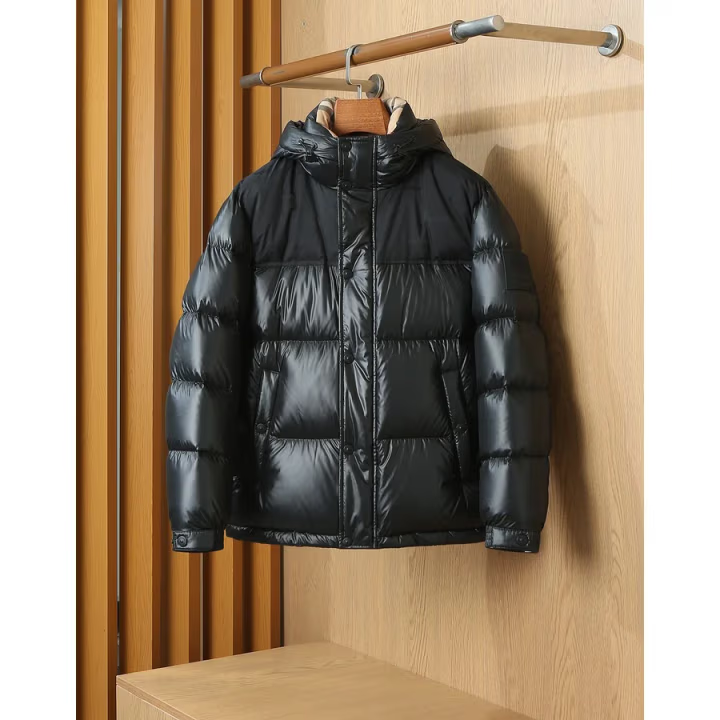
The fill in a down jacket creates loft between the shell and the lining. A jacket can hold a close body block and still stand away from the torso because the quilted panels have thickness. That means a large chest number may not correspond to a large body in the same way it would on a T-shirt. Inspect whether the channels are full and whether the jacket is cut straight, gathered at the hem or shaped at the waist. Those construction details explain where the external measurement sits relative to your own chest. A dealer should flatten the garment without pressing the fill and state the measurement method.
Match the jacket to the layer, not the calendar
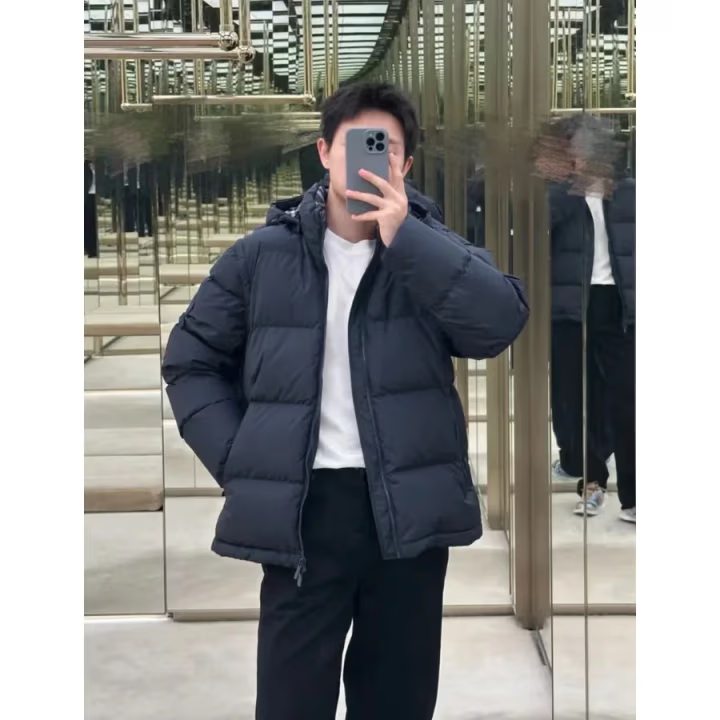
The right size can change with the intended layer. A shirt-only fit needs less upper-arm room than a jacket worn over a sweater or hoodie. Put on the thickest layer you expect to use, then compare its chest and shoulder outline with the finished down jacket. A close fit can still compress the fill at the back or restrict reach if the shoulder is short. The body chart helps locate the block, but it cannot know what you will wear underneath. If one size gives a tidy line over a shirt and the next gives room over knitwear without overwhelming the sleeve, the second is the functional fit.
Nylon shells and quilt channels need a visual check
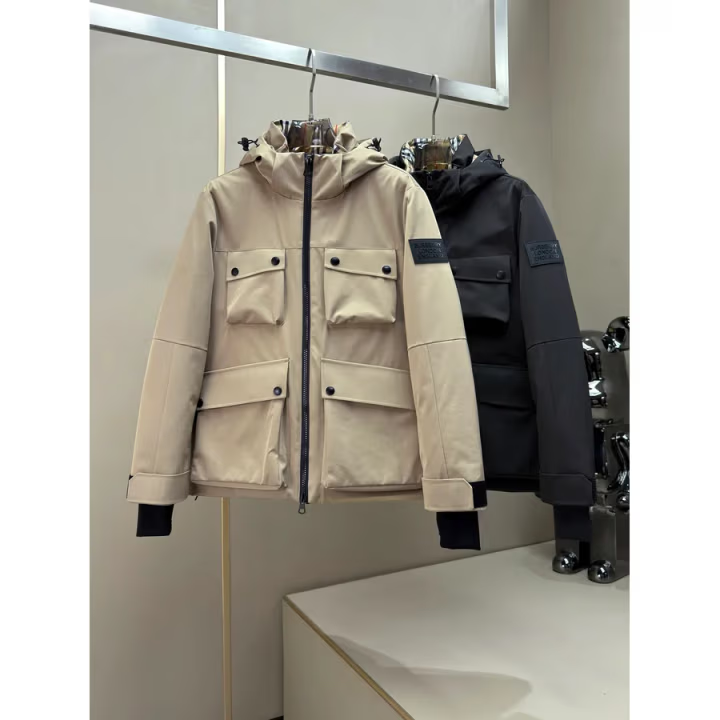
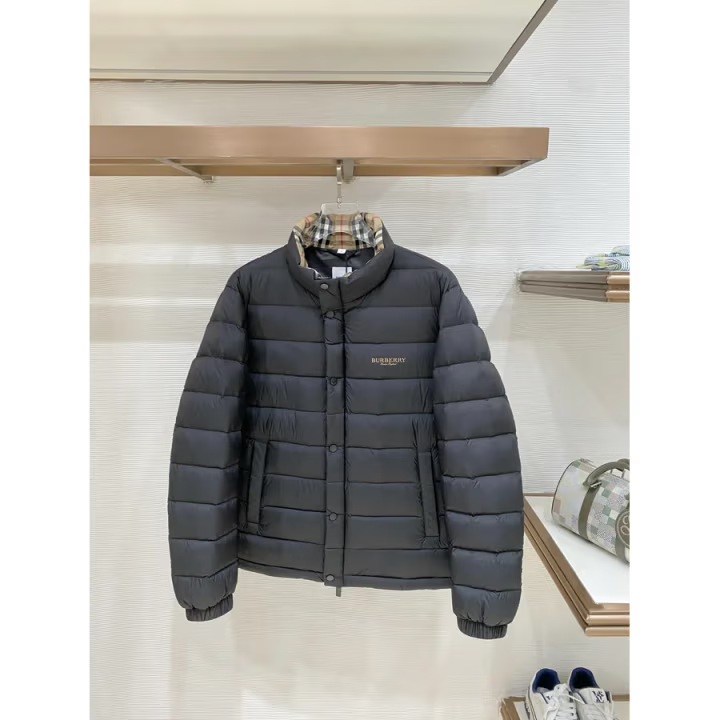
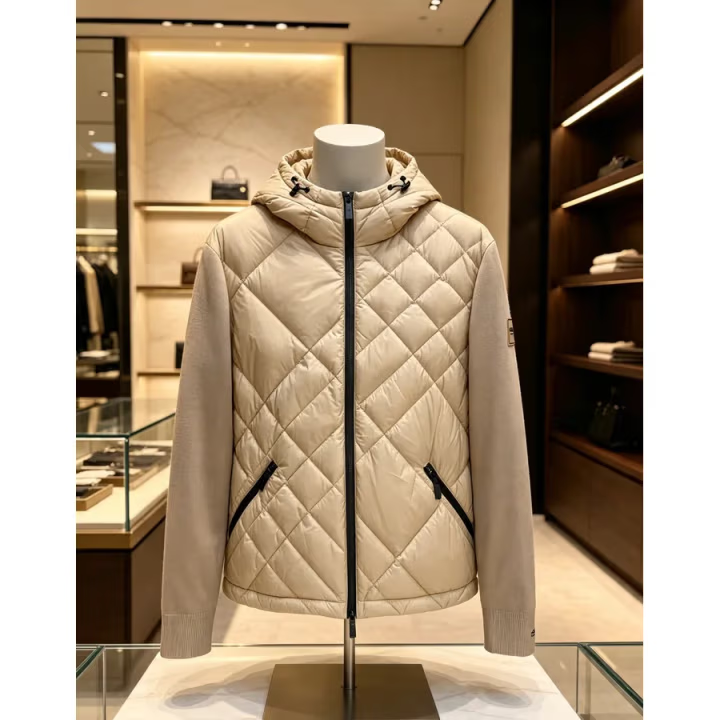
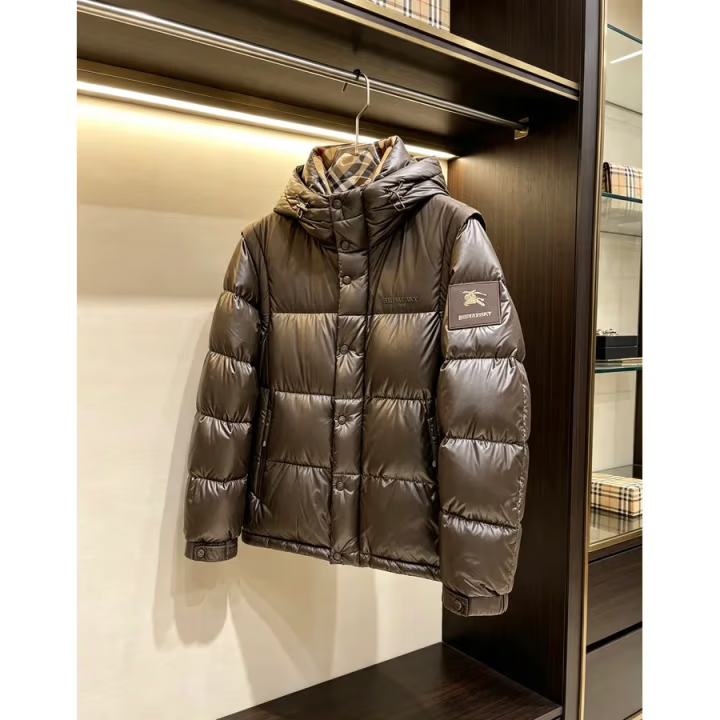
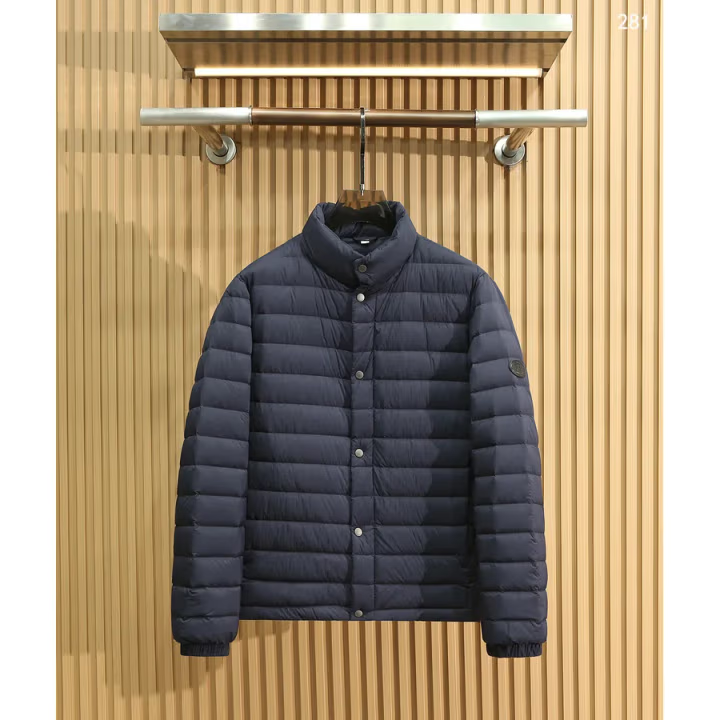
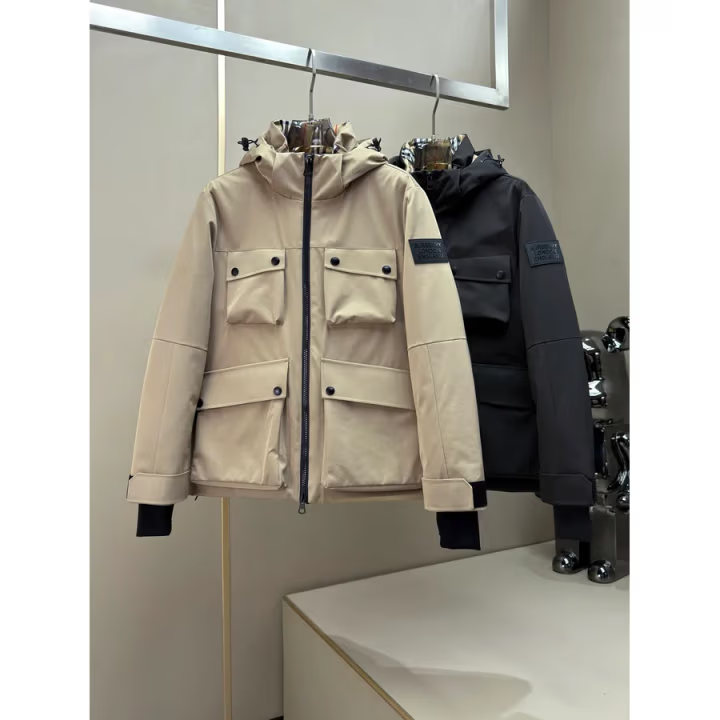
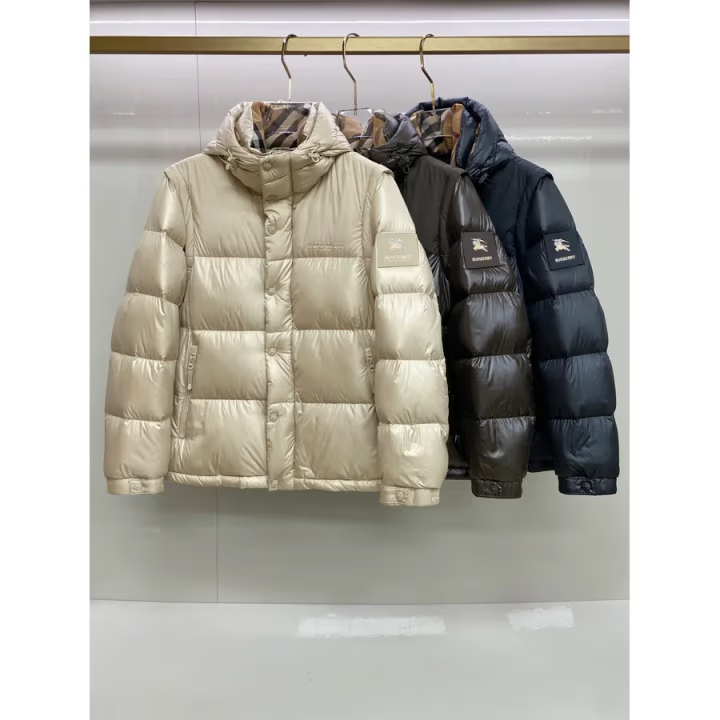
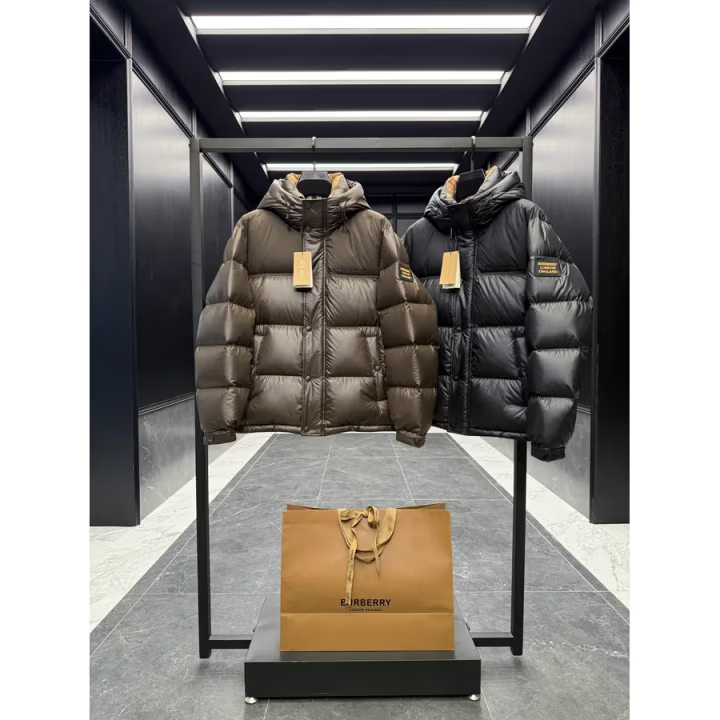
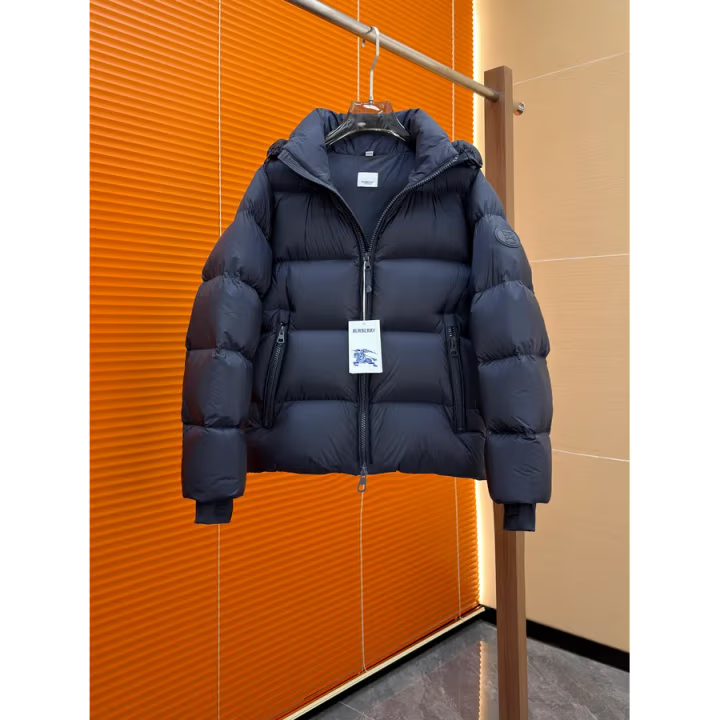
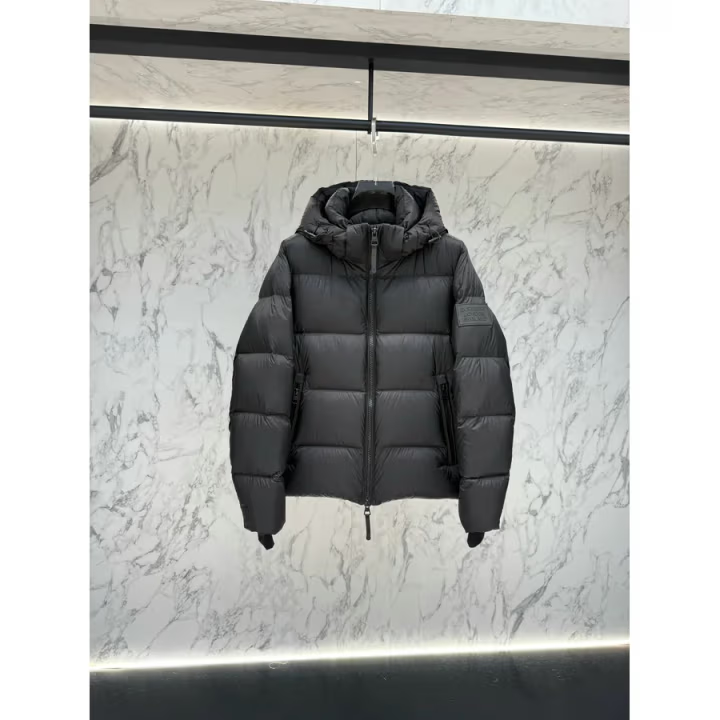
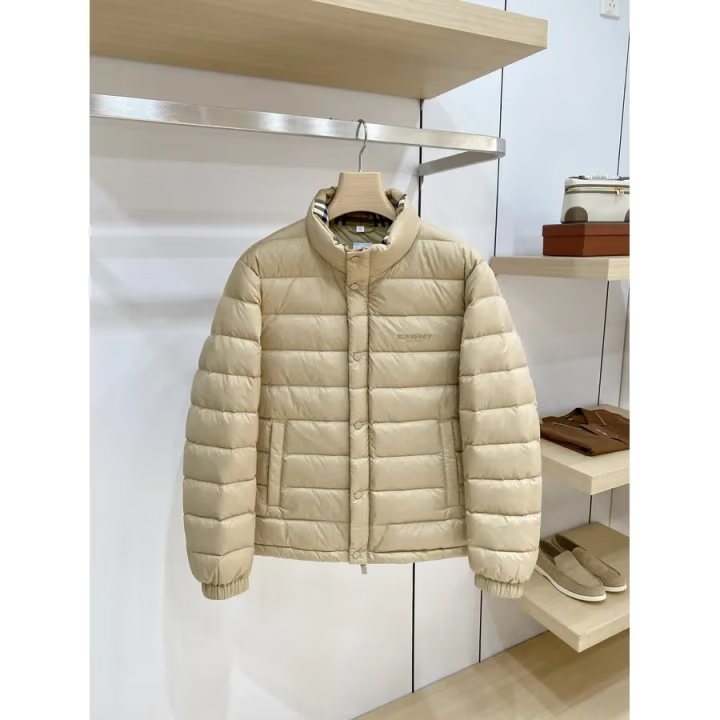
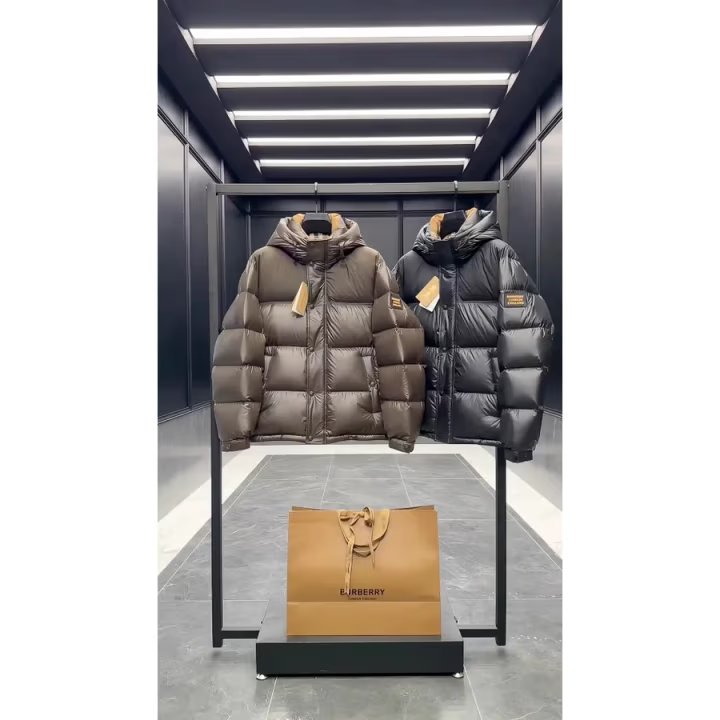
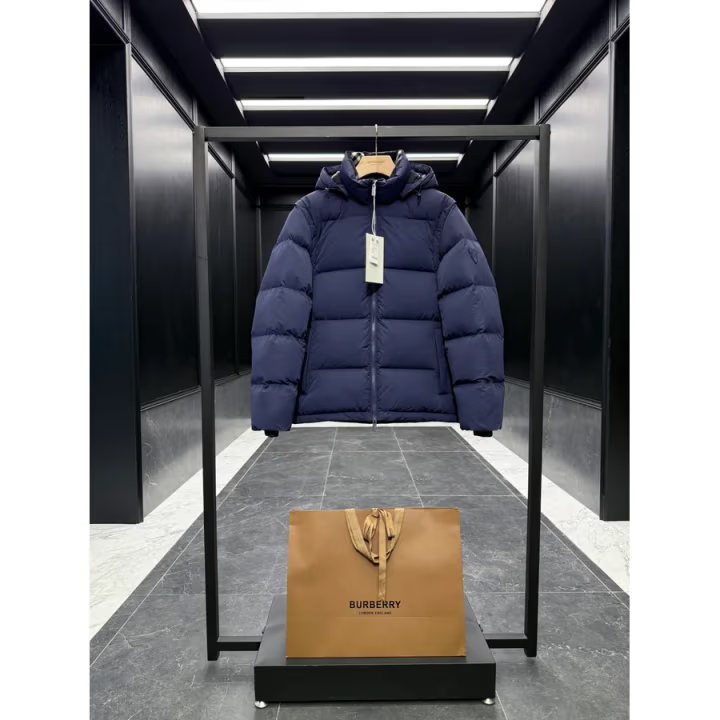
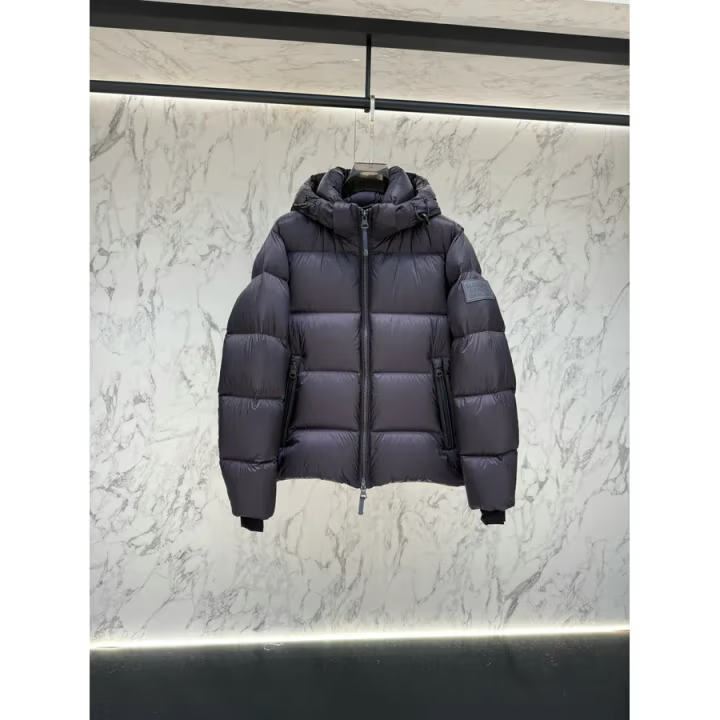
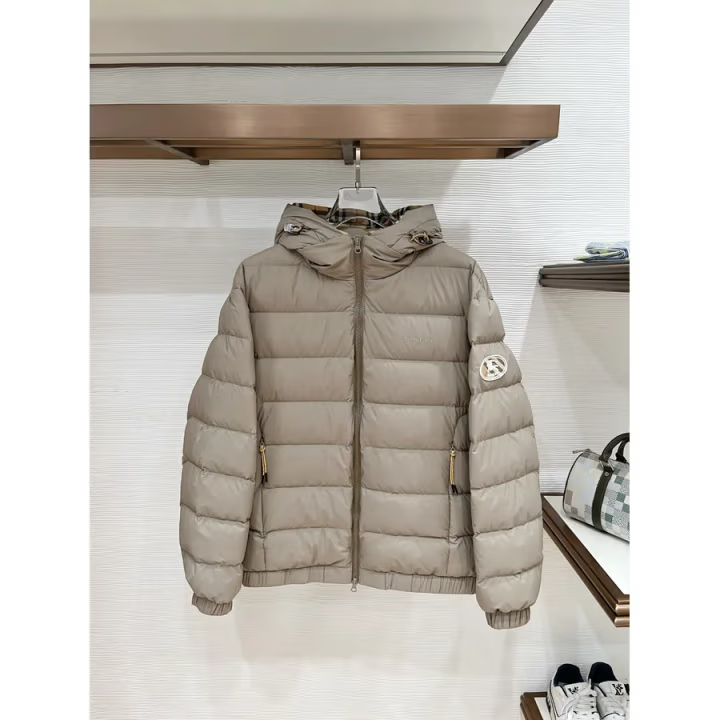
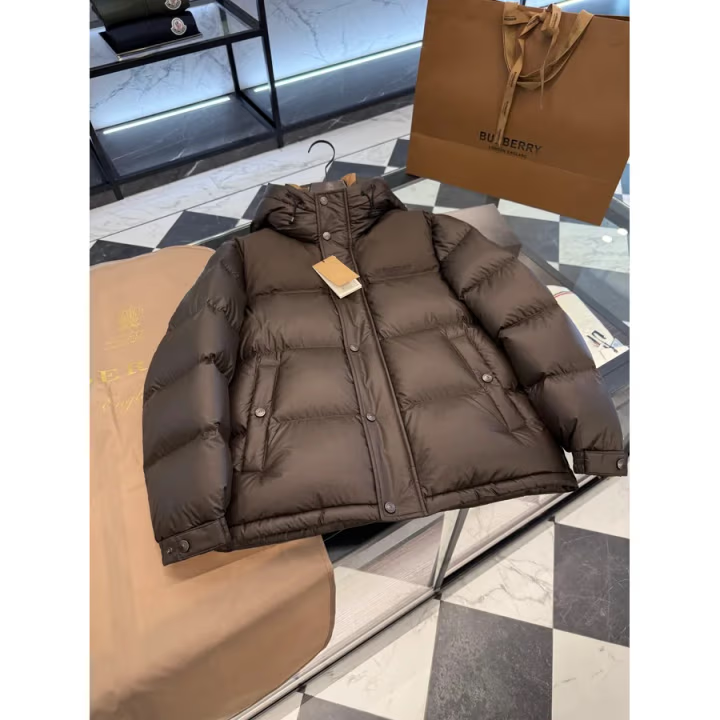
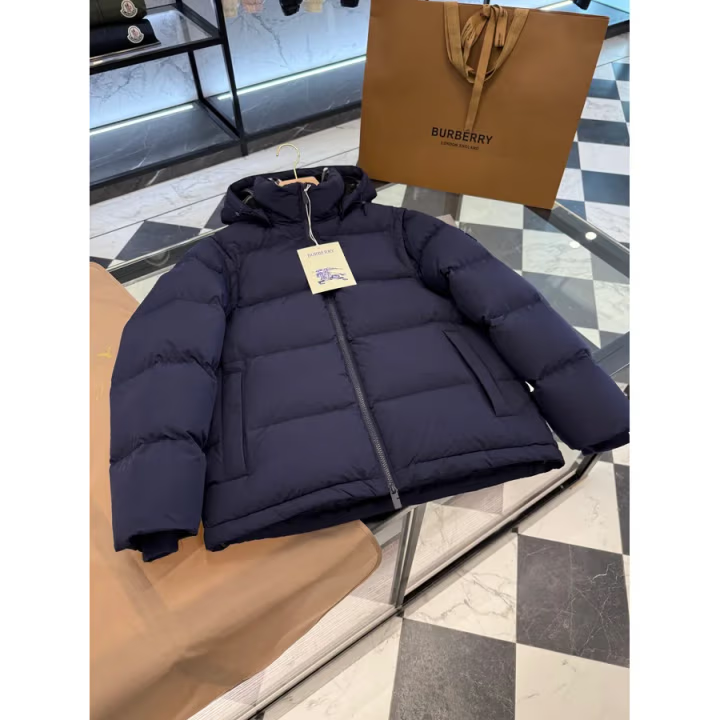
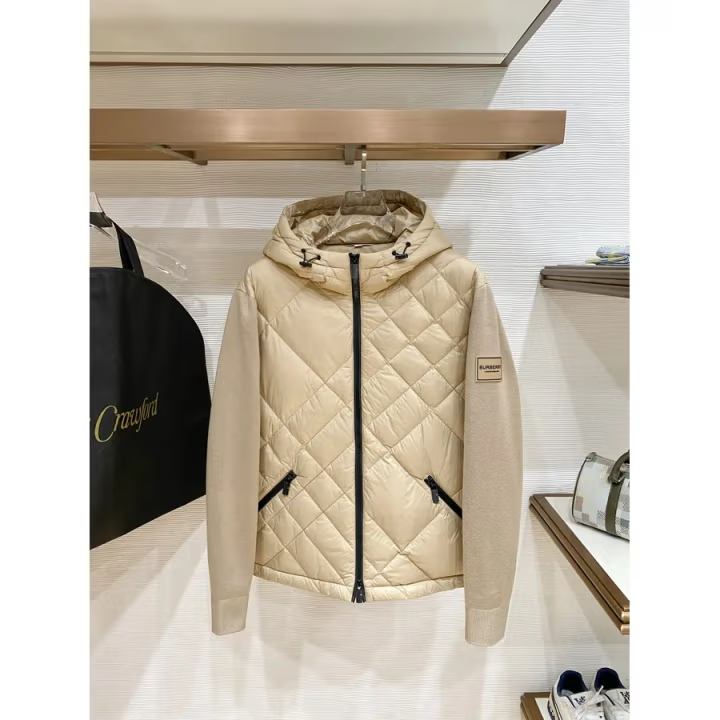
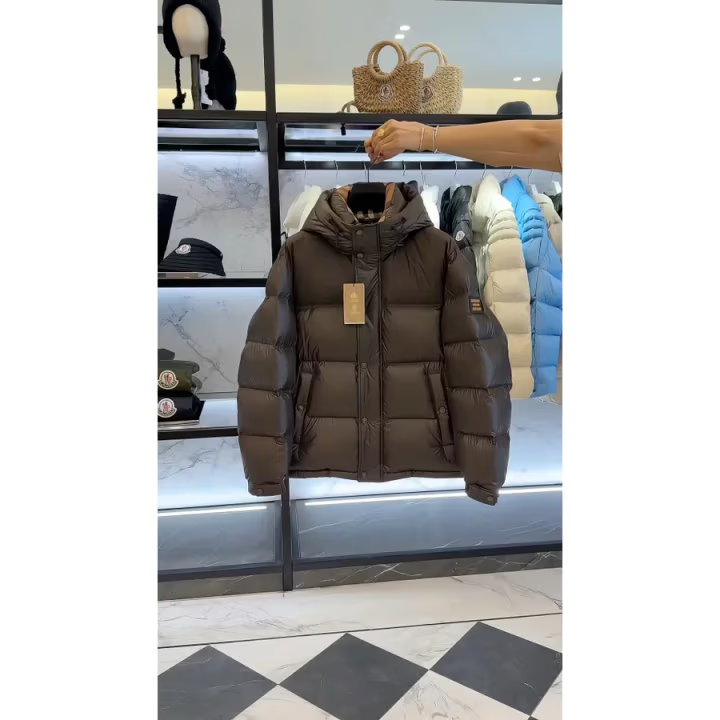
A smooth nylon shell reflects light and can make a jacket look firmer than a matte finish. Quilt channels run vertically, diagonally or horizontally depending on the design, and their direction changes where the jacket bends and folds. The catalogue set includes dark, light and coloured shells, but colour is not evidence of construction. Look for the channel layout, hood shape, zip guard, cuff and hem treatment. Ask for a front and back photo with the jacket flat and one side profile. The front shows the closure and panel design; the side shows loft and hem position.
Five figures to request before choosing
Request pit-to-pit width doubled, shoulder seam to seam, centre-back length, outside sleeve with the start point stated, and the relaxed hem width. Add the marked size and the fit word. If you are comparing a jacket that already fits, measure it the same way in the same position. A measurement taken over a quilted surface can vary more than one taken on a jersey because the fill may compress slightly under the tape; repeat it twice and report both readings rather than choosing the smaller one.
When the answer should be no
A down jacket is the wrong purchase when the shoulder is short for your intended layer, even if the chest is generous. It is also a poor match when the hem sits above the part of the body you need covered, because additional chest room cannot lengthen the garment. Compare those failure points before discussing a size exchange. Nylon glare, a high hood and the bulk of the fill can make a photograph look looser than the jacket feels in use; the flat tape and the layer test are the evidence that should decide the question.