
A body chart is a starting gate
The official chart places a 44.5 cm shoulder and 90.5 cm chest at XXS, a 47.5 cm shoulder and 102.5 cm chest at M, and a 51.5 cm shoulder with 118.5 cm chest at XXXL. Those figures describe the body block for the label. A cotton T-shirt needs ease to move over the shoulders and chest, so the finished shirt is normally wider than the body reference. The amount of extra room depends on the intended cut. This is why two shirts carrying the same M can both be correct while one feels close and the other hangs loosely.
Measure the shirt you already like
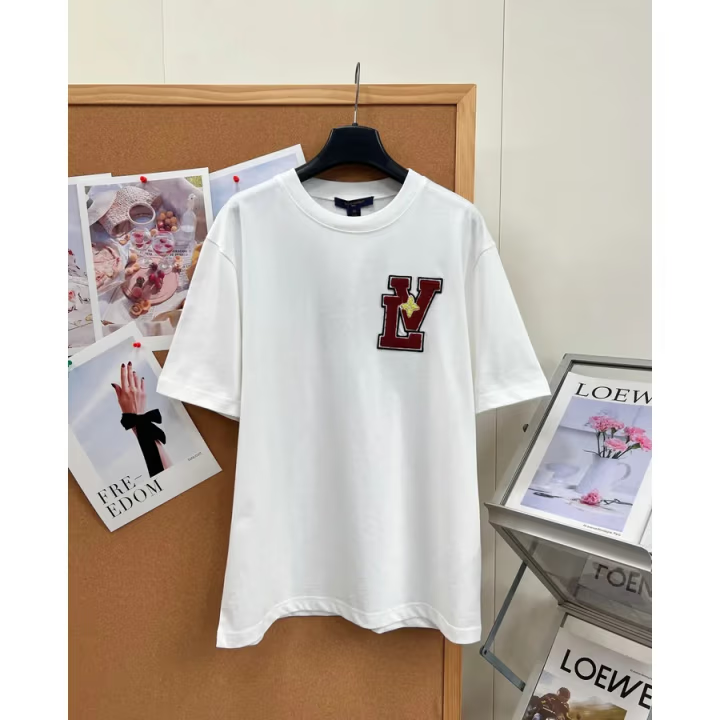
Lay a T-shirt flat, smooth it once without stretching, and measure from underarm seam to underarm seam. Double that number. Then measure shoulder seam to shoulder seam, centre-back length from collar seam to hem and the width of the hem. Those four figures are enough to compare construction. If your preferred shirt measures 108 cm around the chest and the listing's finished chest is 104 cm, the label size is secondary; you know the new garment offers less room. A useful photograph includes the shirt from the back with both shoulders squared, because a front-only image can hide a dropped shoulder or a narrower body.
Why the hem changes the apparent fit
A T-shirt can have the same chest and still read differently because the hem is straight, curved or ribbed. A straight hem that ends near the hip can look clean with a low-rise trouser; a longer body that clears the waistband changes the proportion entirely. Cotton jersey can also relax across the chest after wear while the shoulder line stays where it started. Compare length and hem width before changing size. Moving up to add 2 cm of body length can also add room through the neck and shoulders, which may solve one issue while creating another.
Keep the request specific
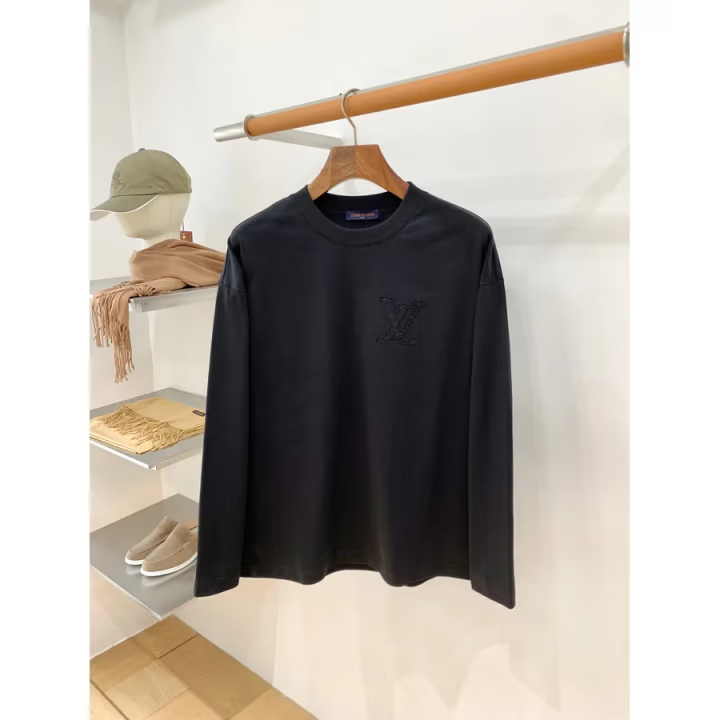
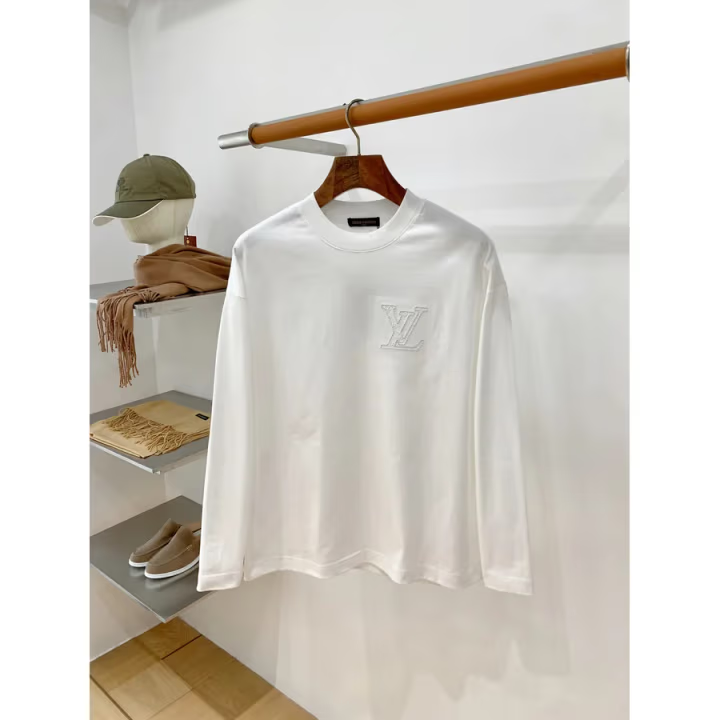
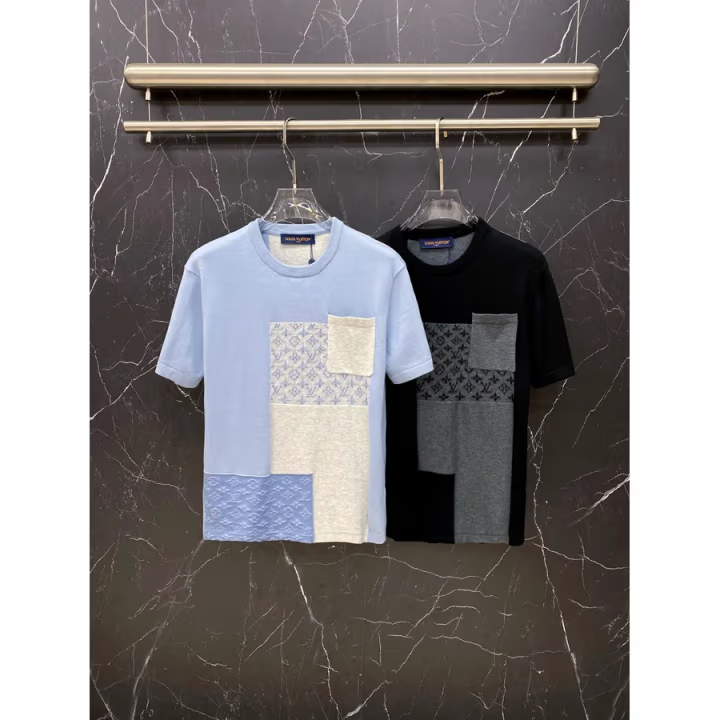
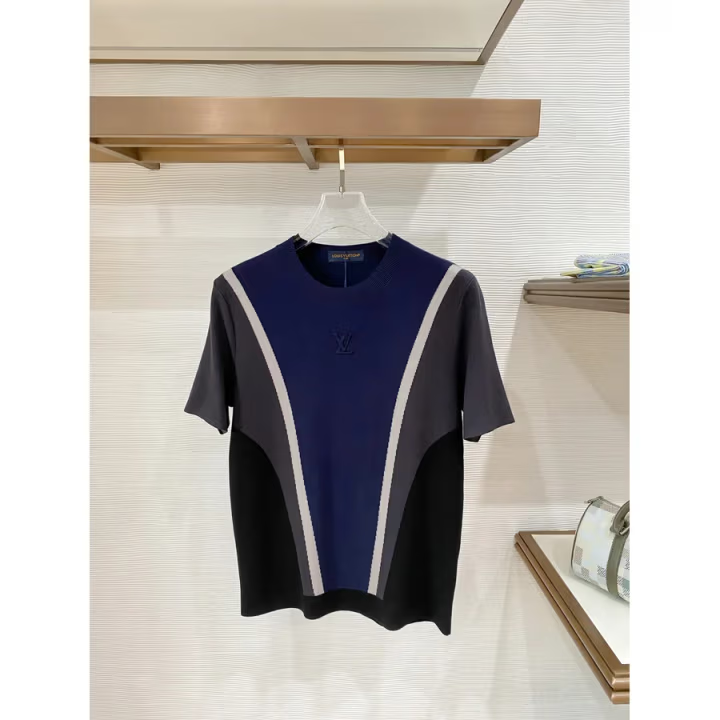
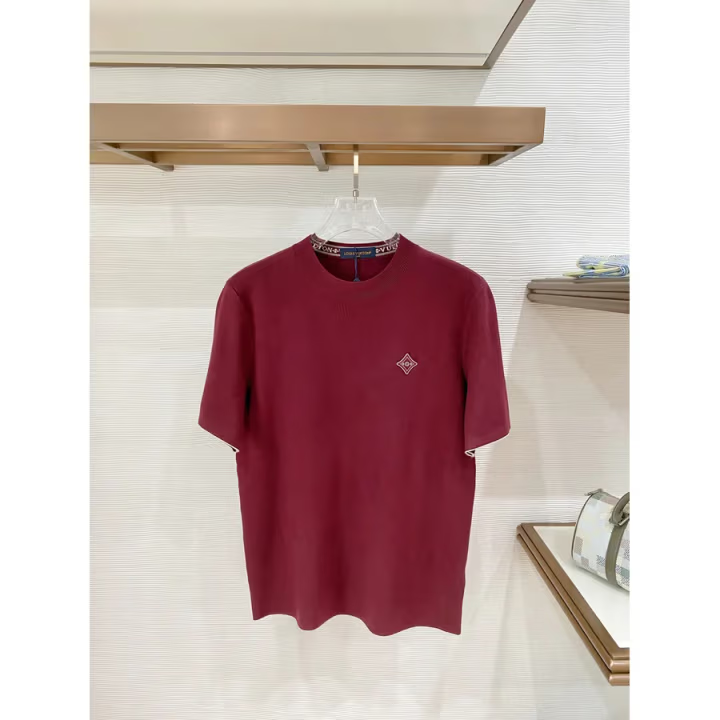
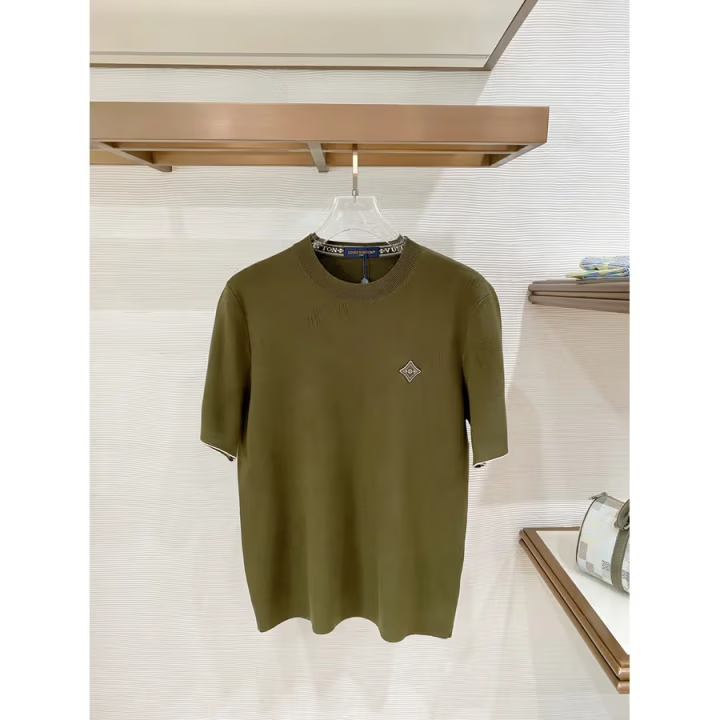
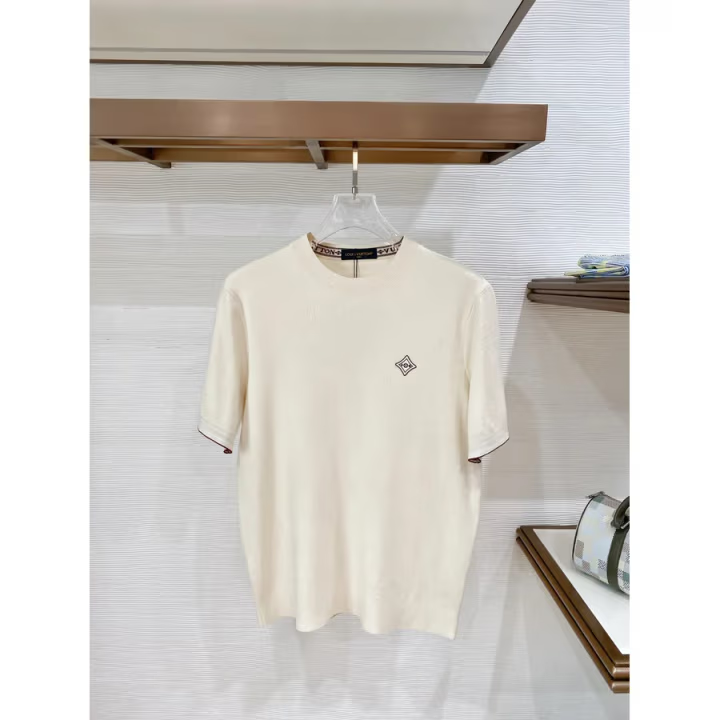
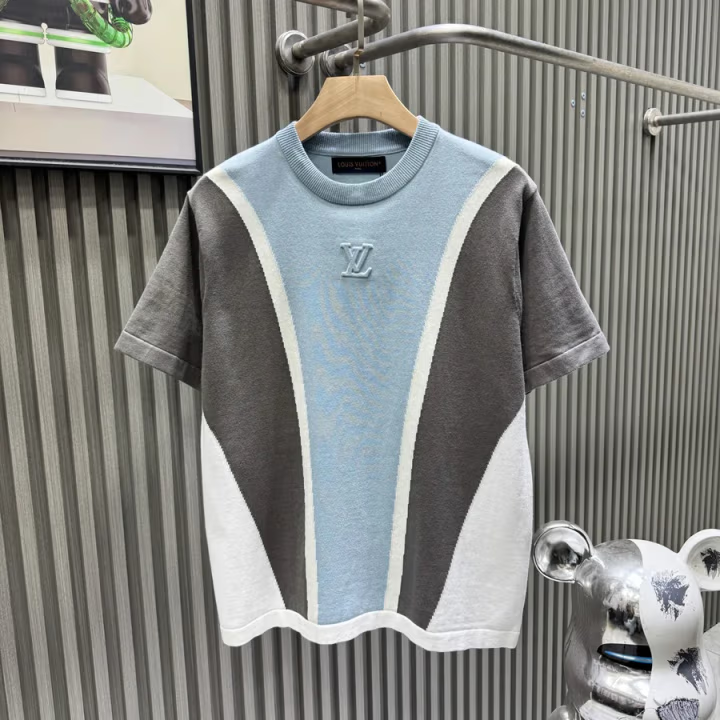
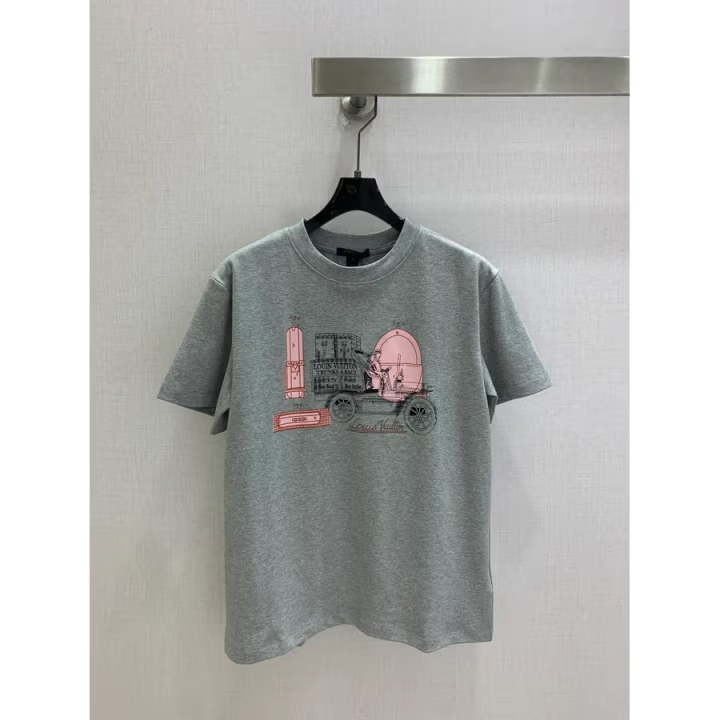
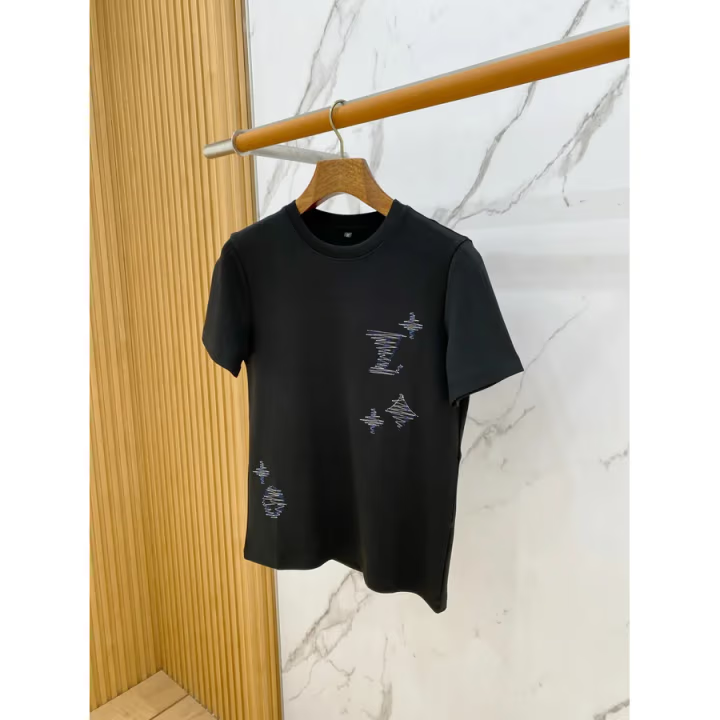
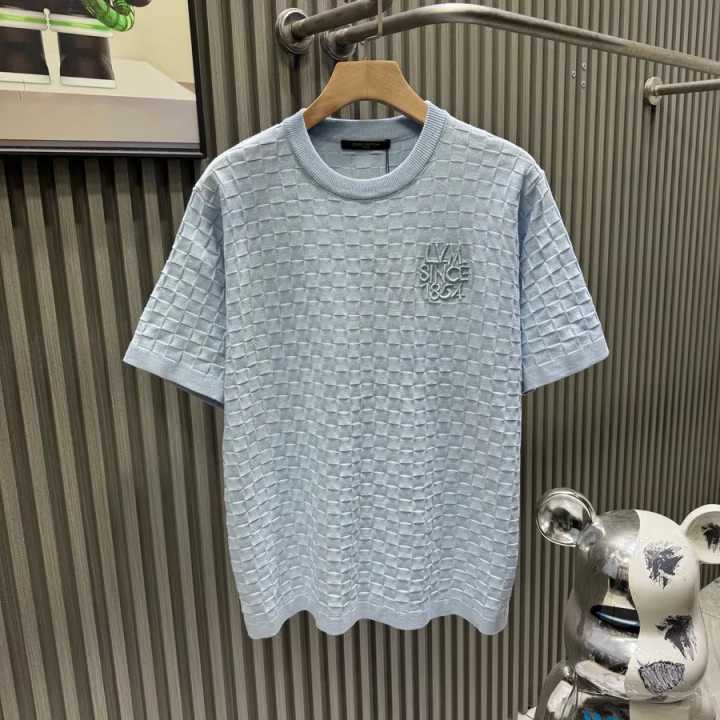
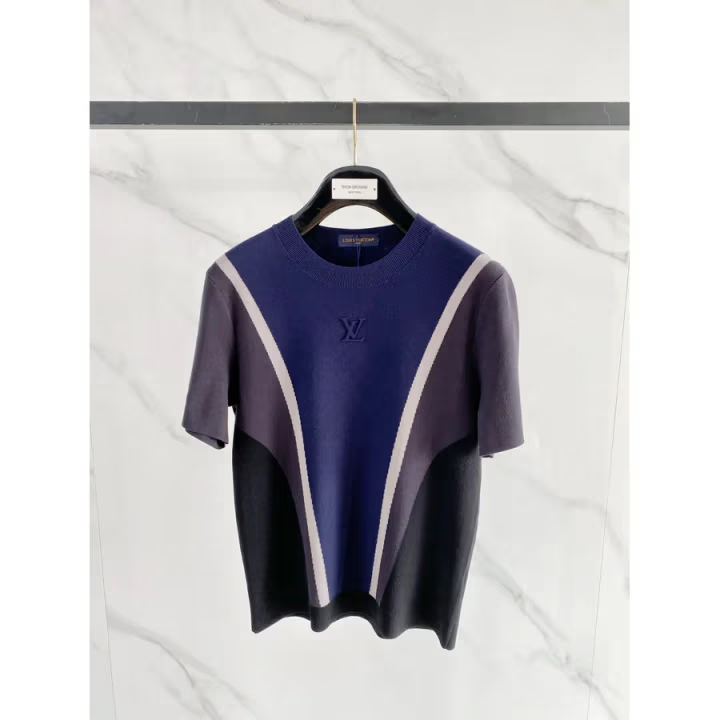
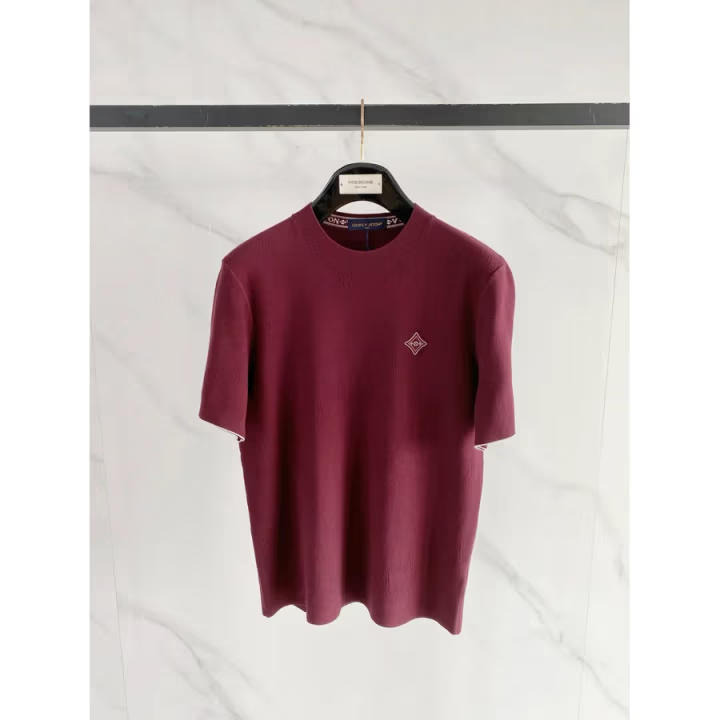
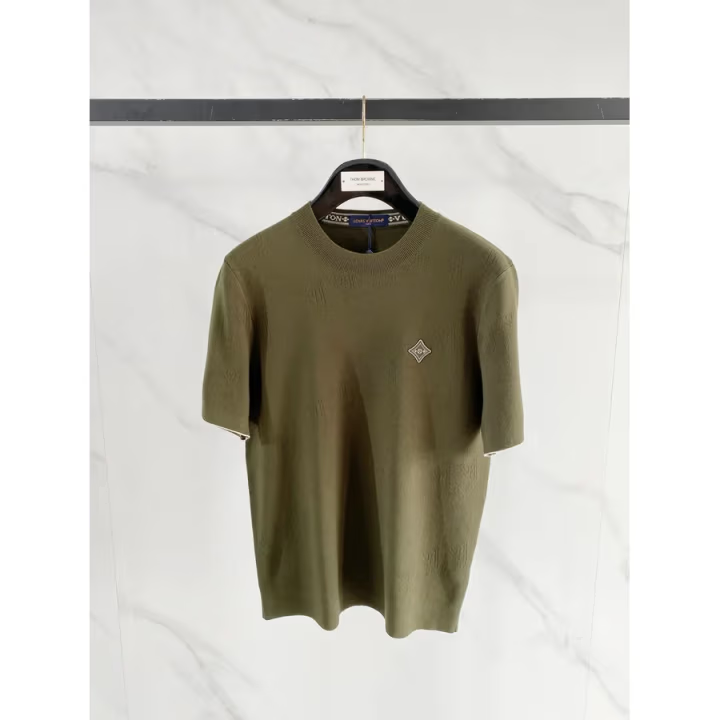
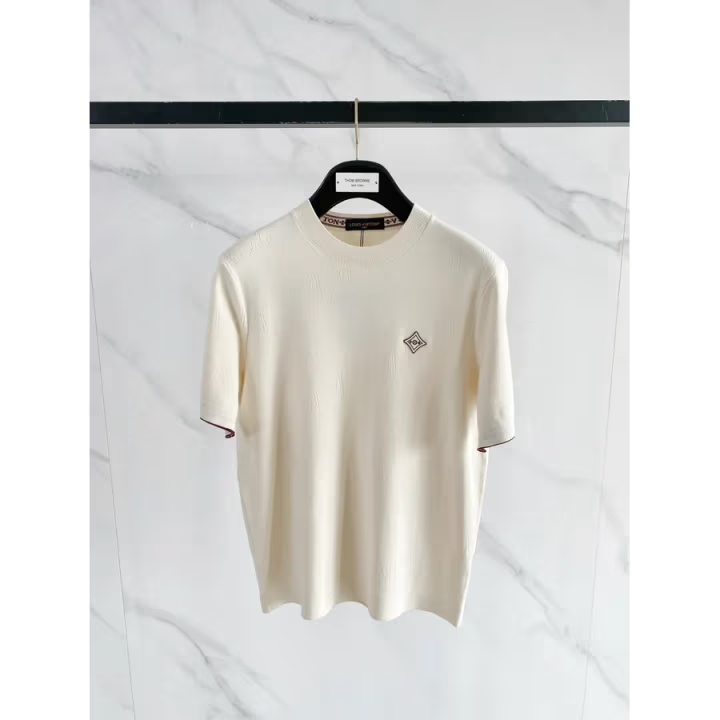
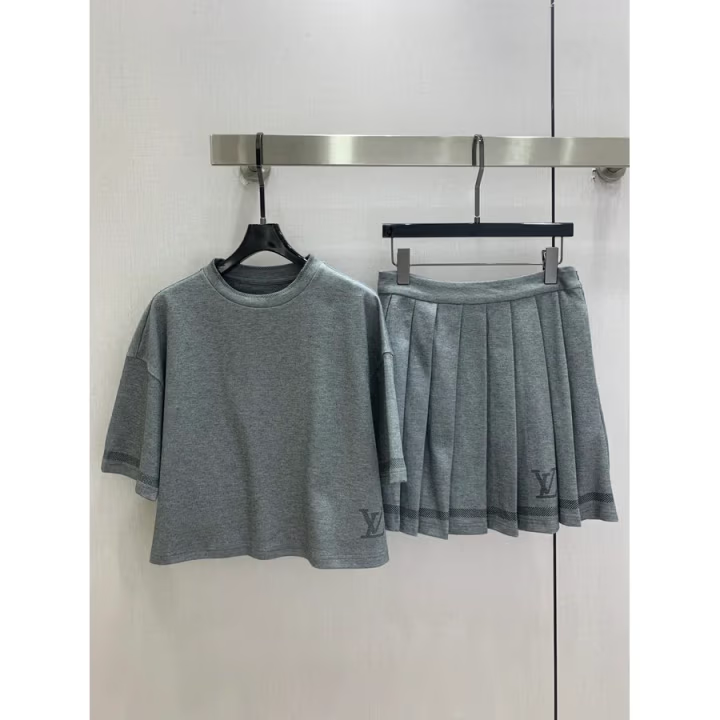
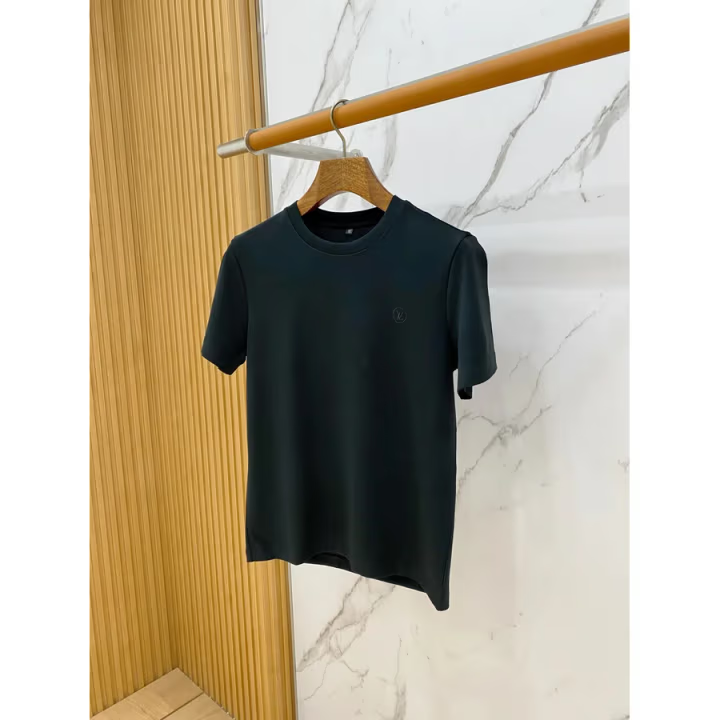
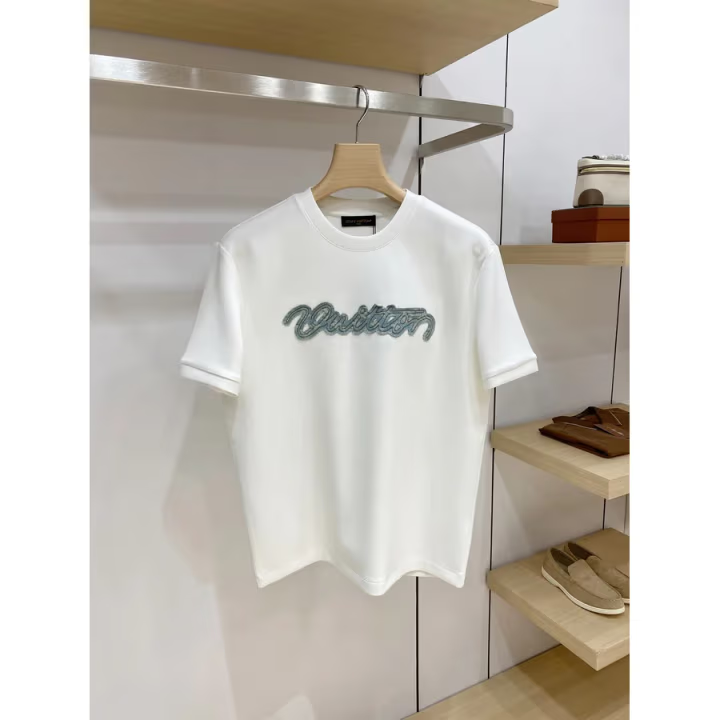
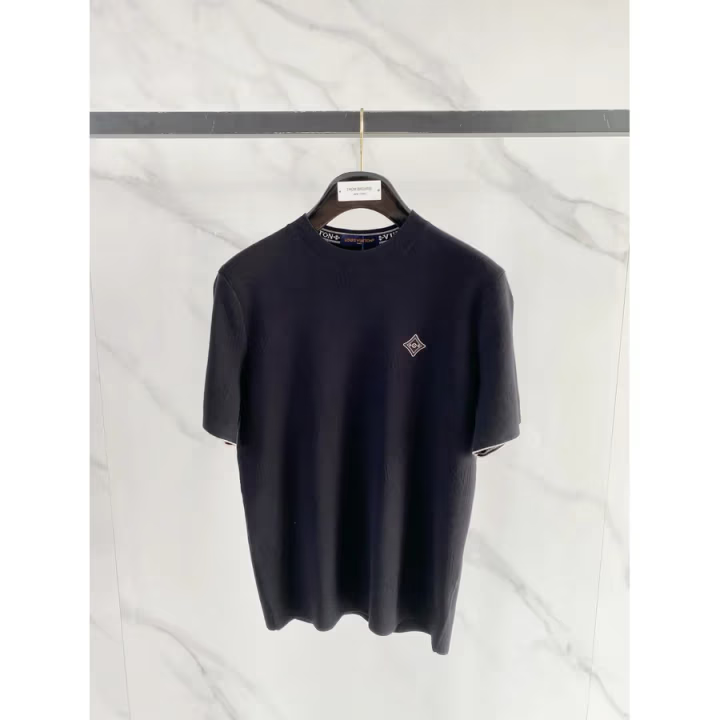
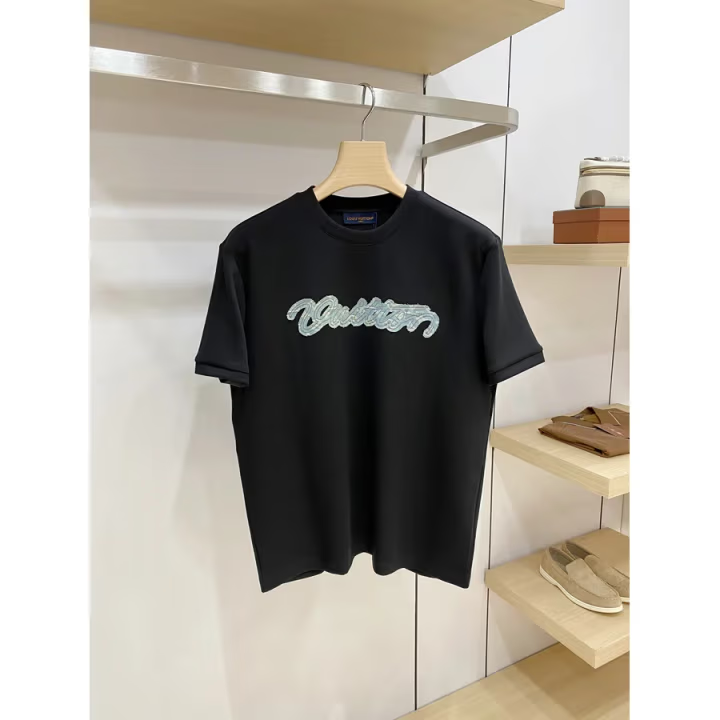
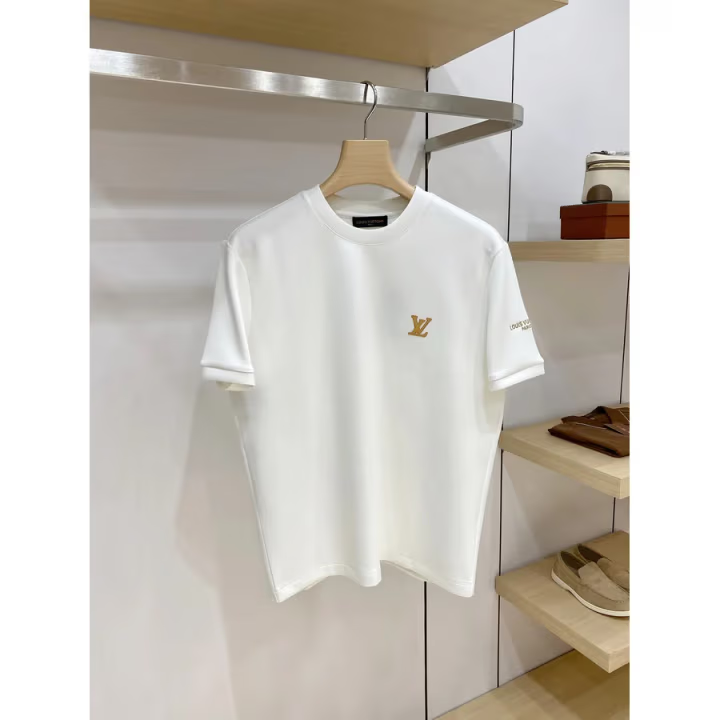
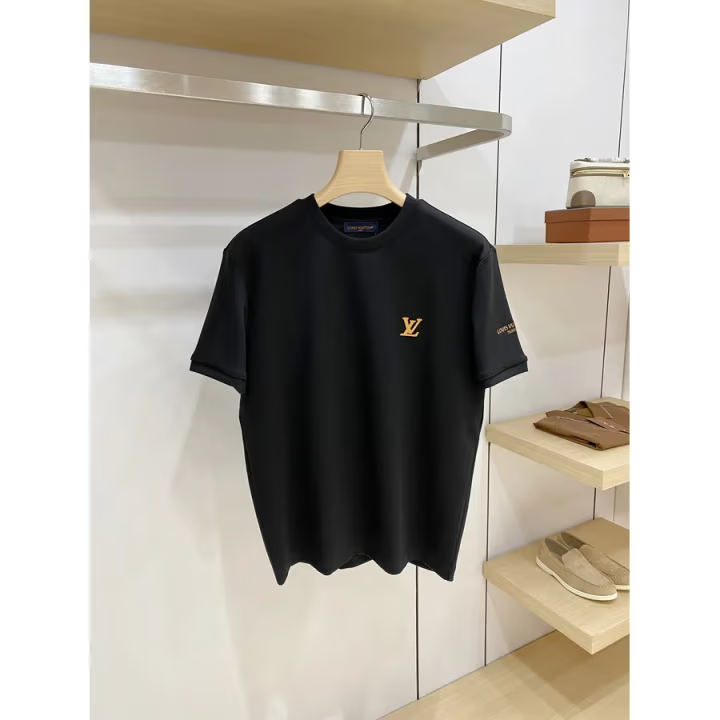
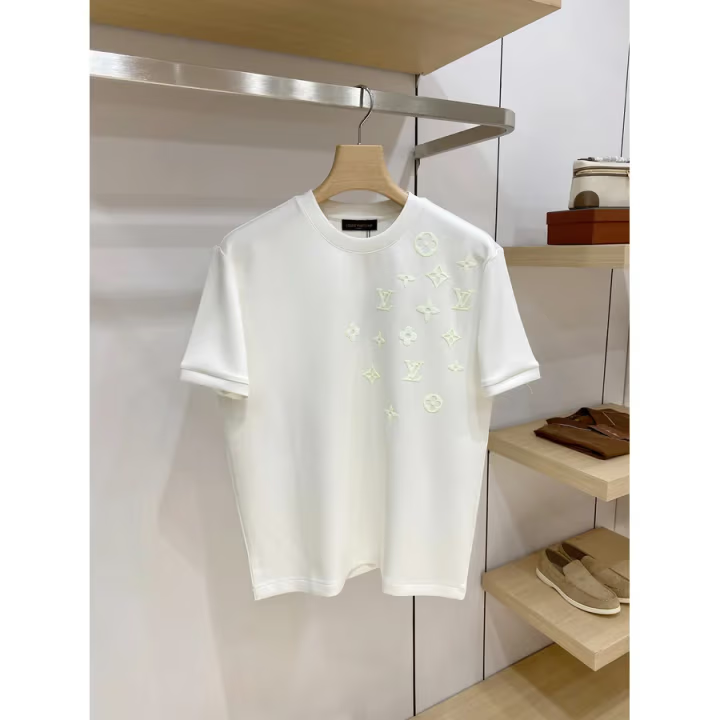
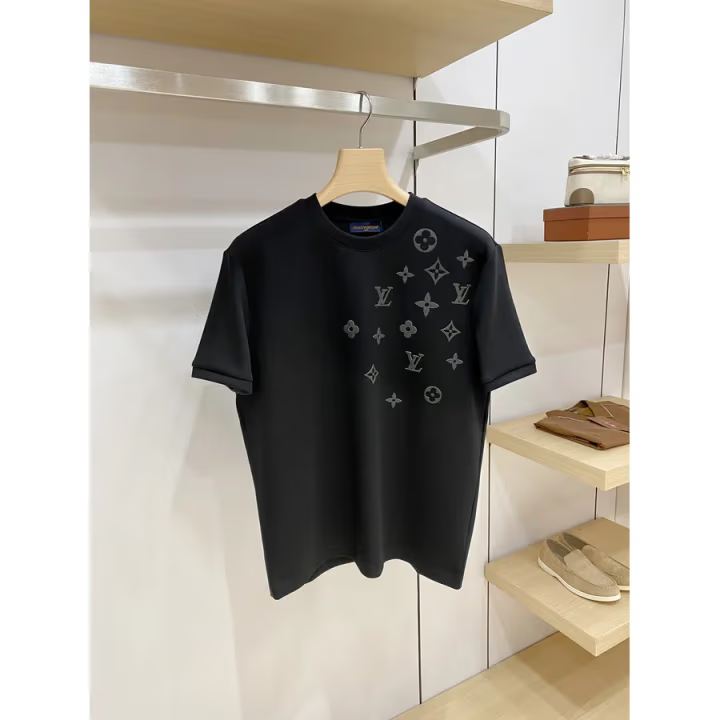
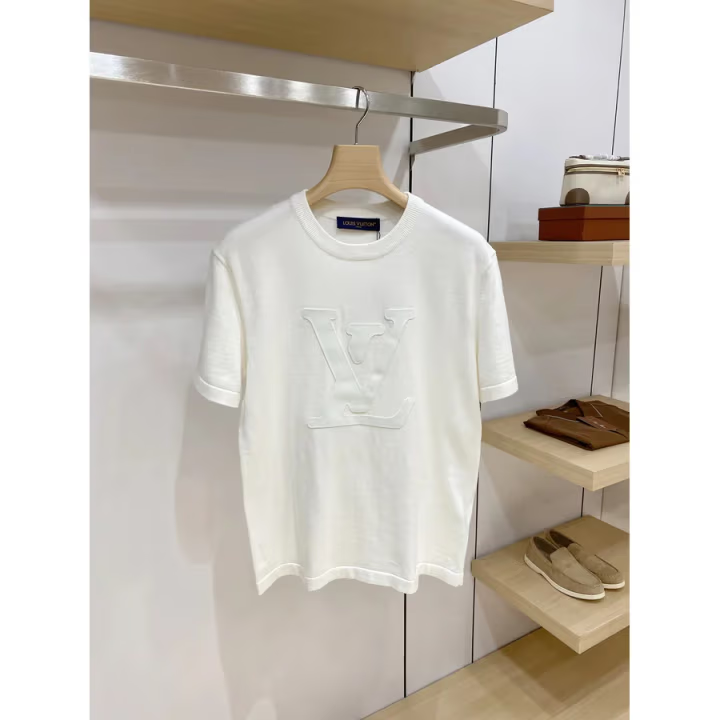
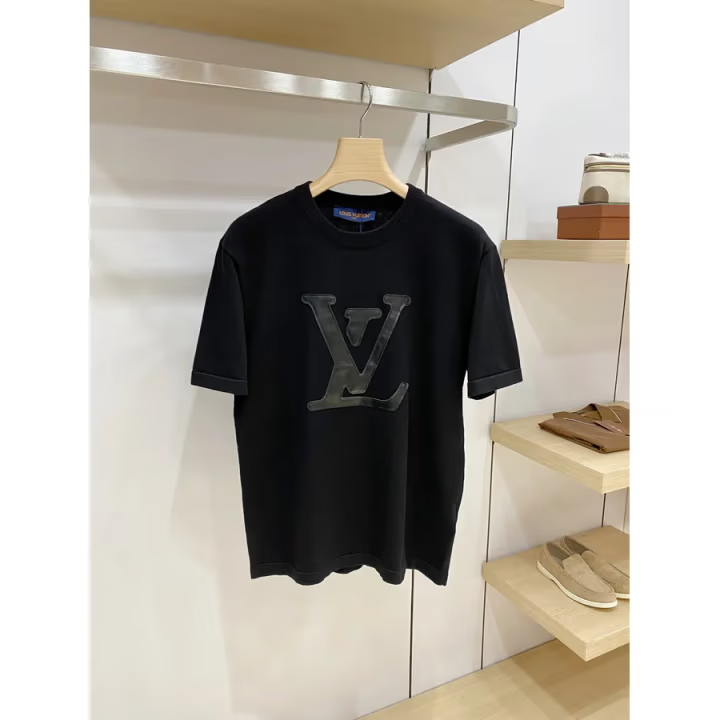
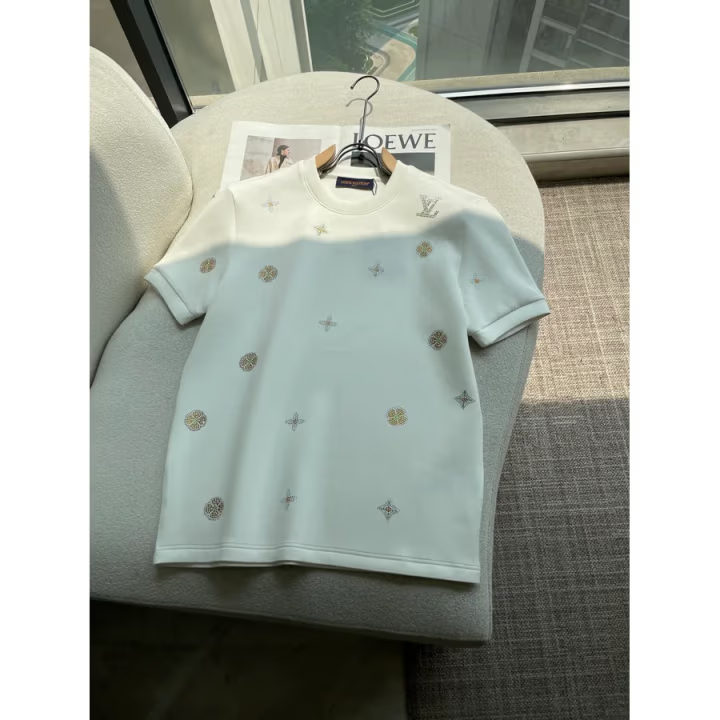
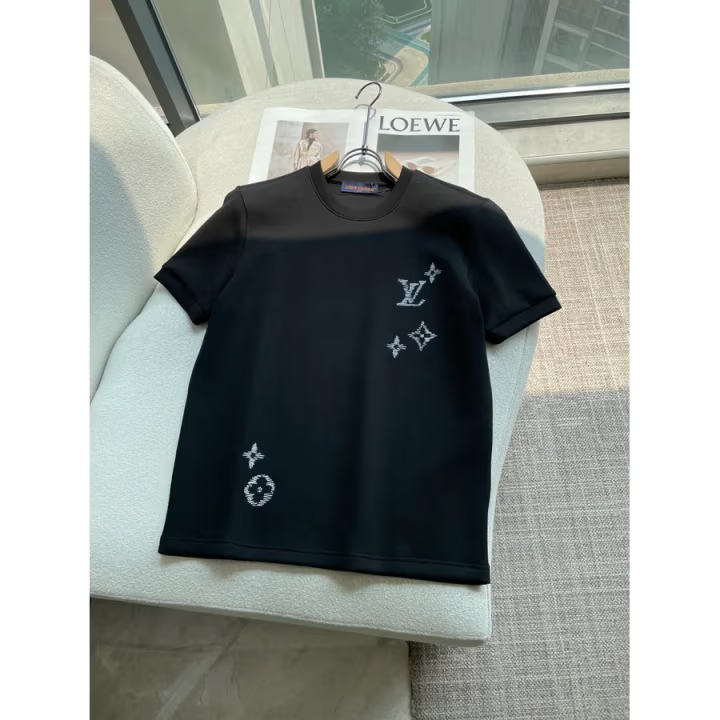
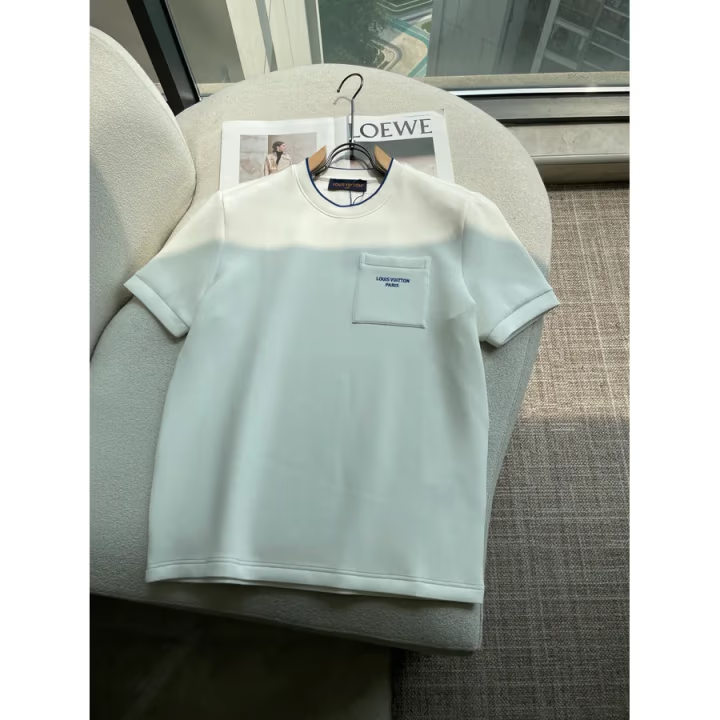
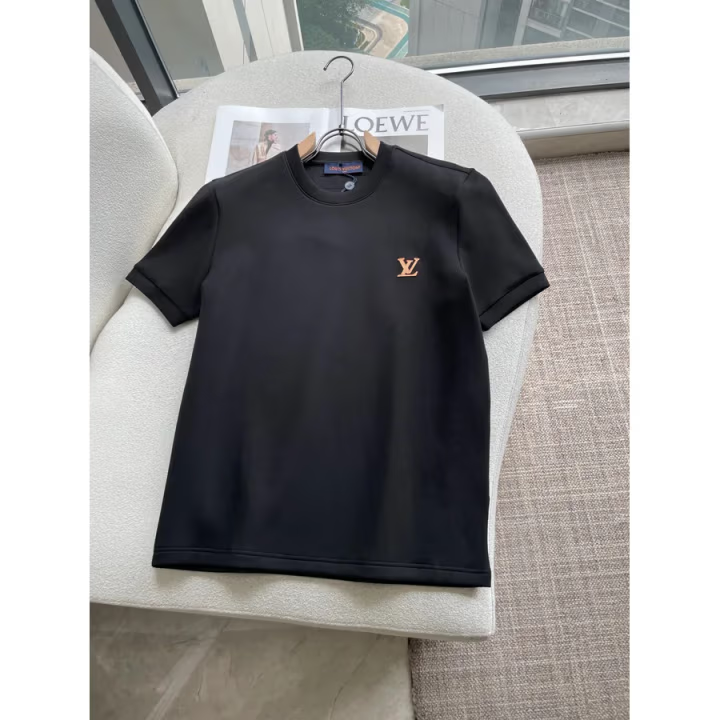
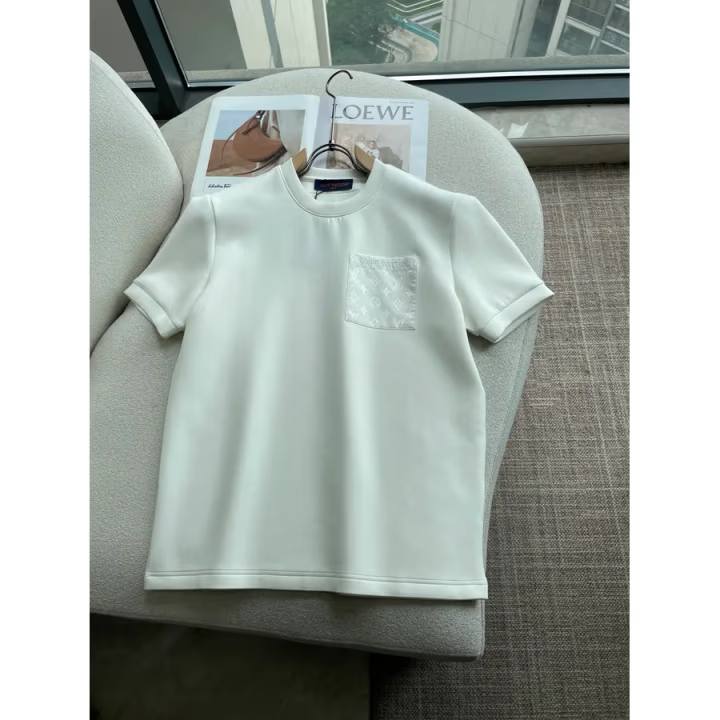
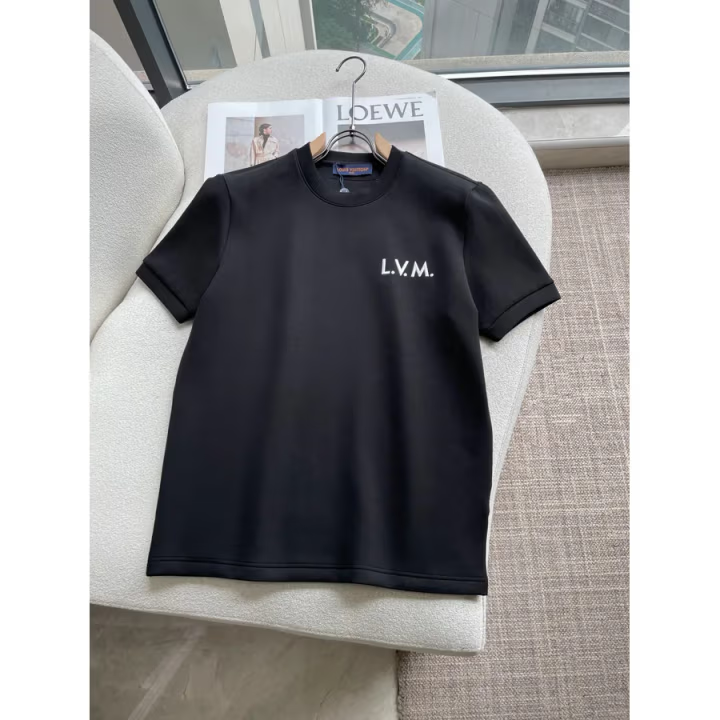
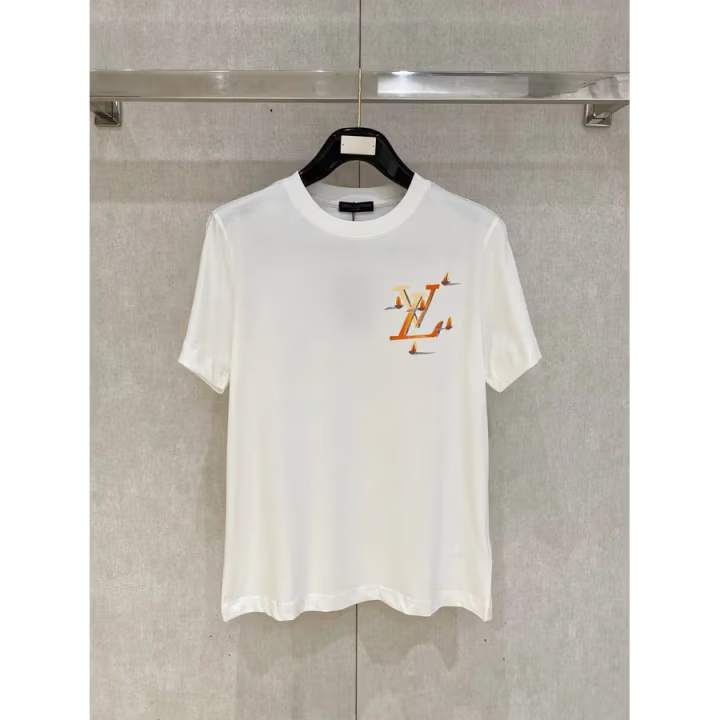
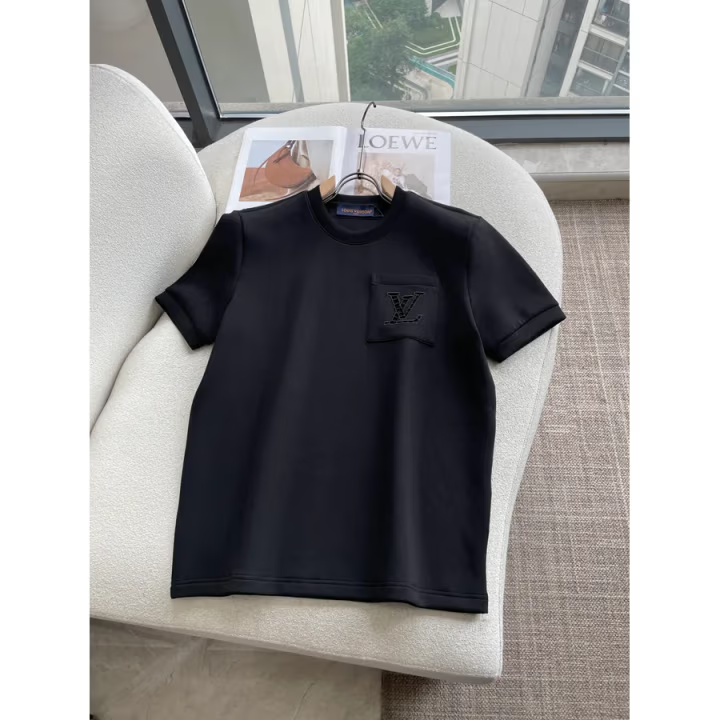
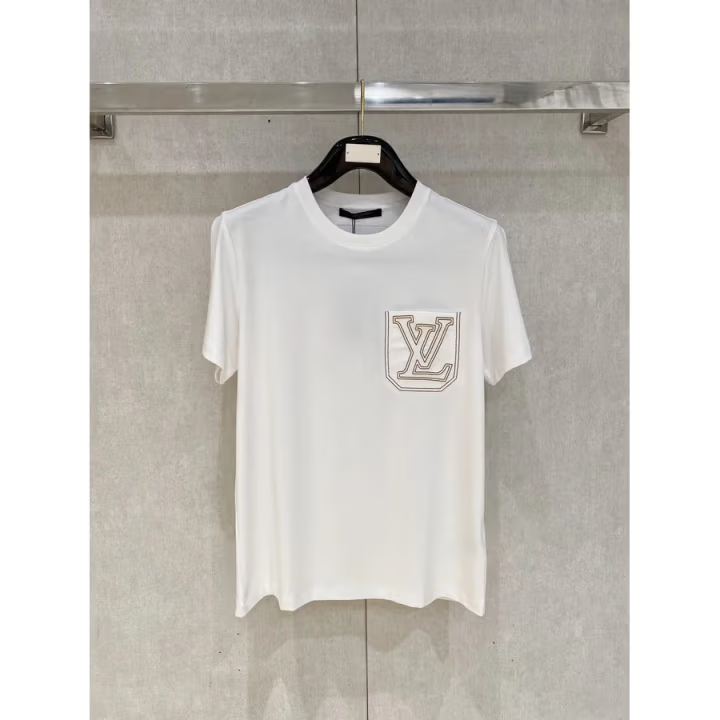
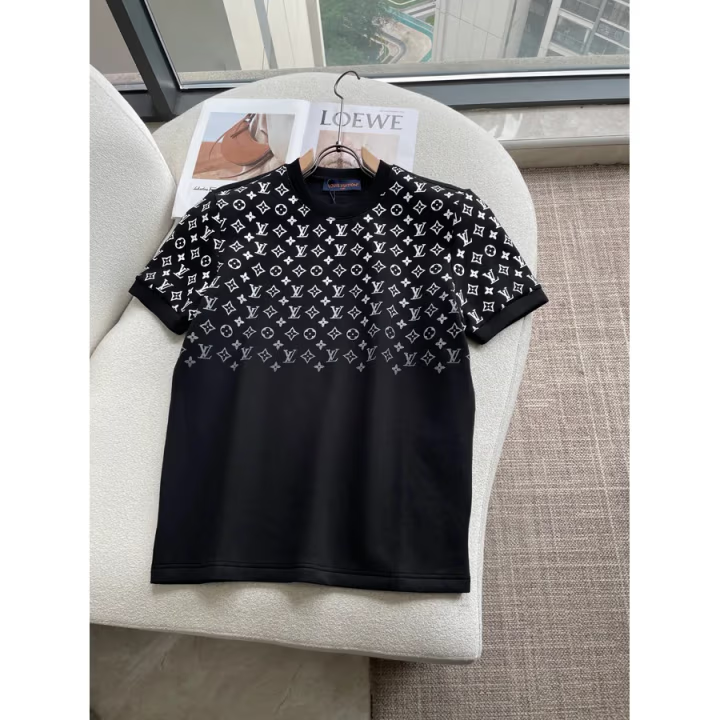
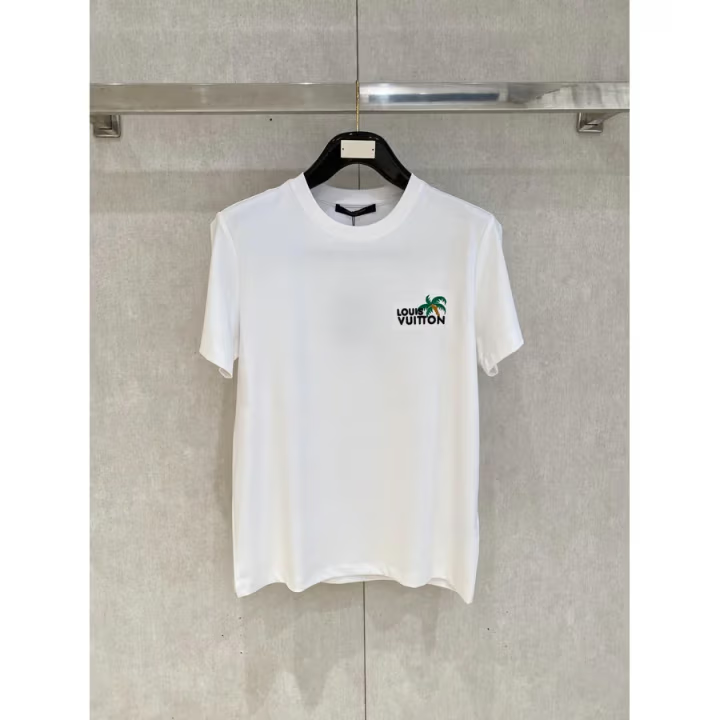
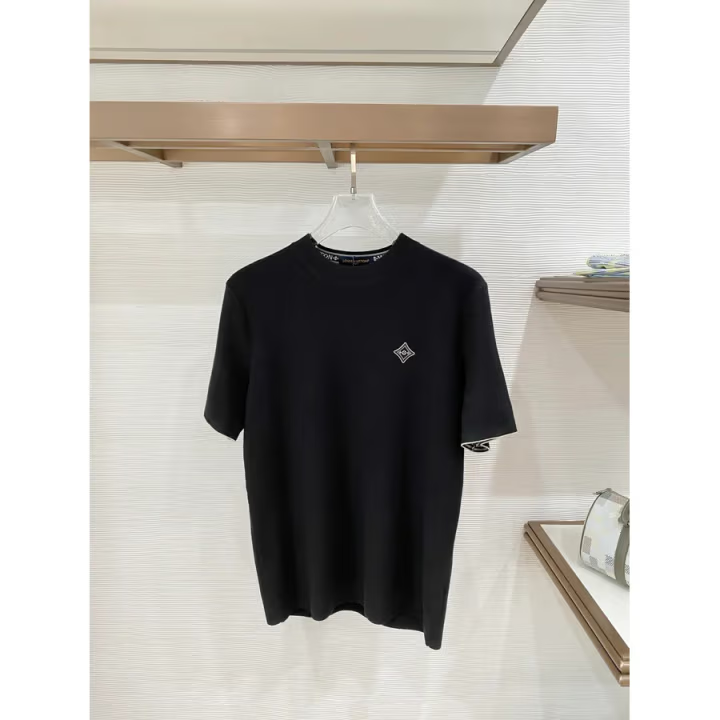
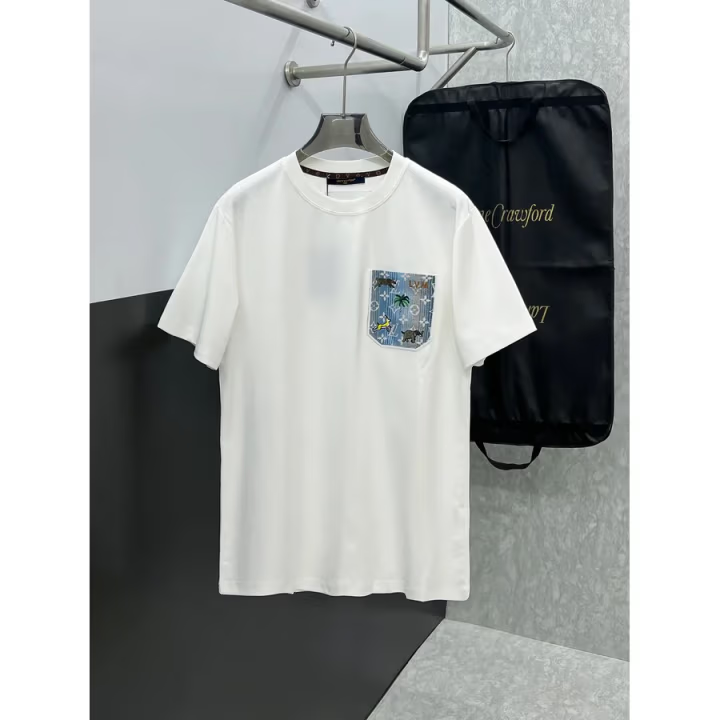
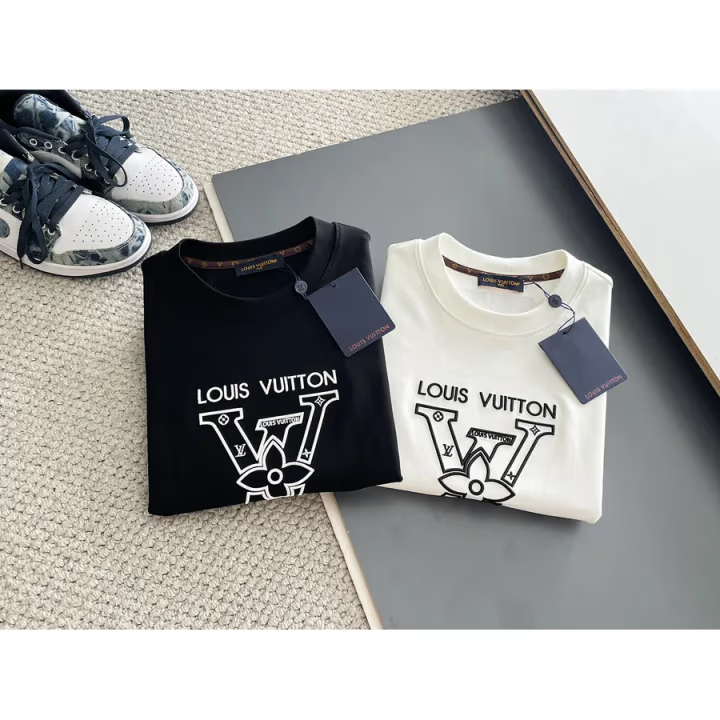
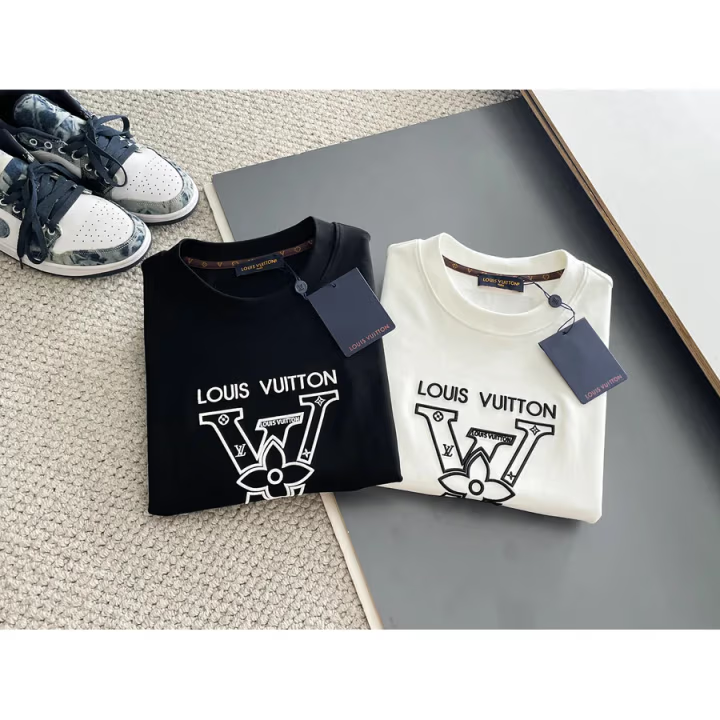
Send the reference or a clear front and back photo, the marked size and the four flat values from a shirt that fits. Say whether you want a close shoulder, room for layering or a deliberately loose drop. That last point matters because the house's regular and oversize fit language can occupy the same letter range. A photograph identifies graphics, collar shape and sleeve length; the tape identifies whether you will find the shirt comfortable after a full day.
How to read the final answer
A good answer separates the size label from the actual shirt. It should say the measured chest in centimetres, whether the shoulder seam is set in or dropped, the back length and the fit word for that reference. If two shirts share a letter but differ by several centimetres of chest, the answer should name which one the figures describe. That removes the temptation to turn one product page into a rule for every Louis Vuitton T-shirt and makes the next comparison repeatable.