Start with the hip ladder, then leave the label behind
The official men's tops and bottoms chart gives body measurements across the ladder. At EU 44 it lists a 90.5 cm chest and 91 cm hips; by EU 58 those references rise to 118.5 cm and 119 cm. The eight-centimetre increase in hips across the first four sizes is regular enough to place yourself between two rows, but it is not a trouser measurement. Fabric ease, the rise and the shape of the seat are garment decisions layered on top. A sculpted trouser and a loose utility cut can use the same body reference and still sit very differently at the waist.
Waist, rise and inseam answer three different questions
Waist circumference asks whether the waistband closes without pulling. Front rise, measured from crotch seam to the top of the waistband, decides where the trouser sits. Inseam, taken from the crotch seam to the hem, decides the leg length. Those figures can move independently. A pair with a shorter front rise feels low even at the right waist; a pair with the right rise but a 2 cm longer inseam may still need the hem turned. Ask for the measurements with the waistband closed, buttons fastened and the legs laid straight, because a waistband pulled flat across two people's hands is easy to stretch by a centimetre or more.
The fit word is not the same as going up a size
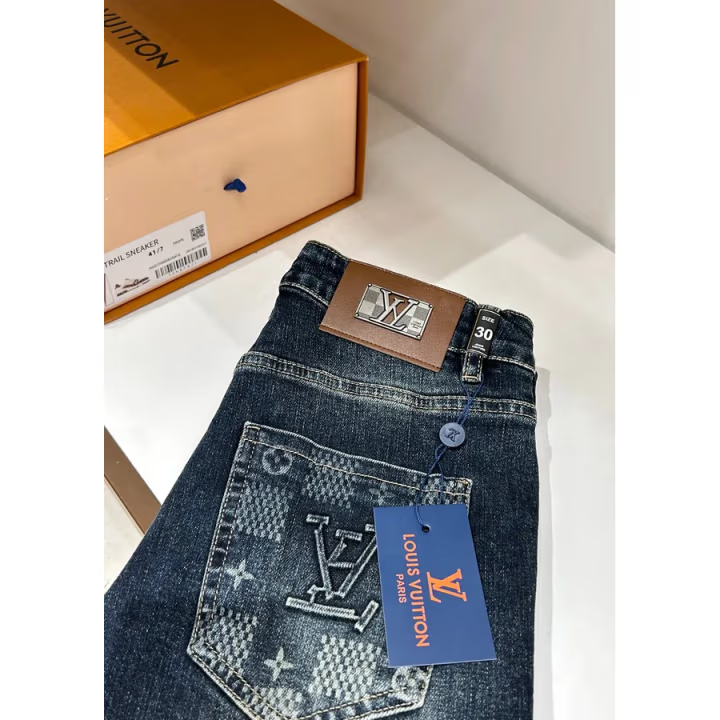
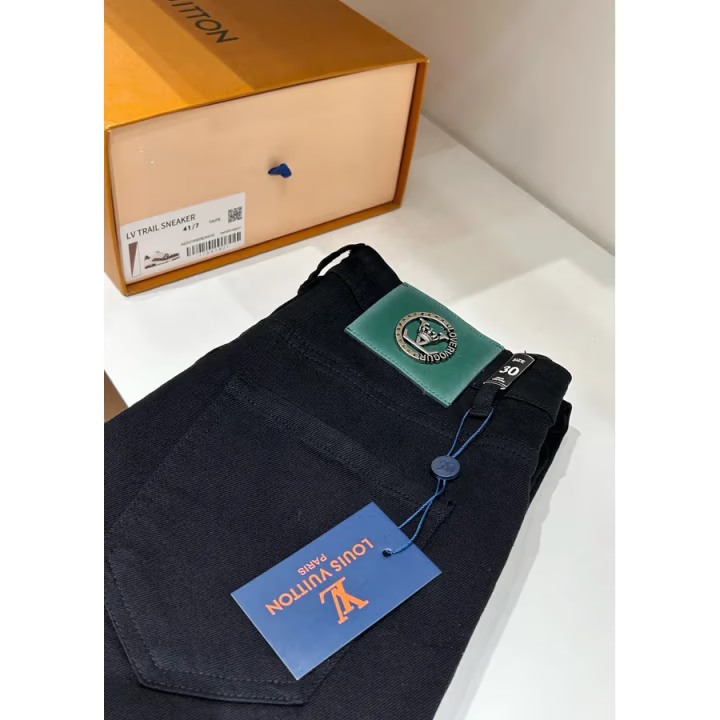
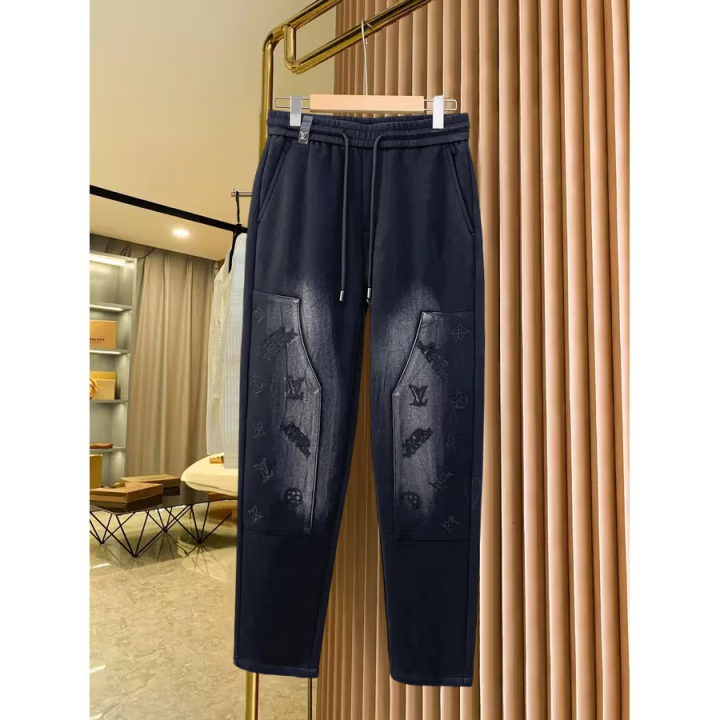
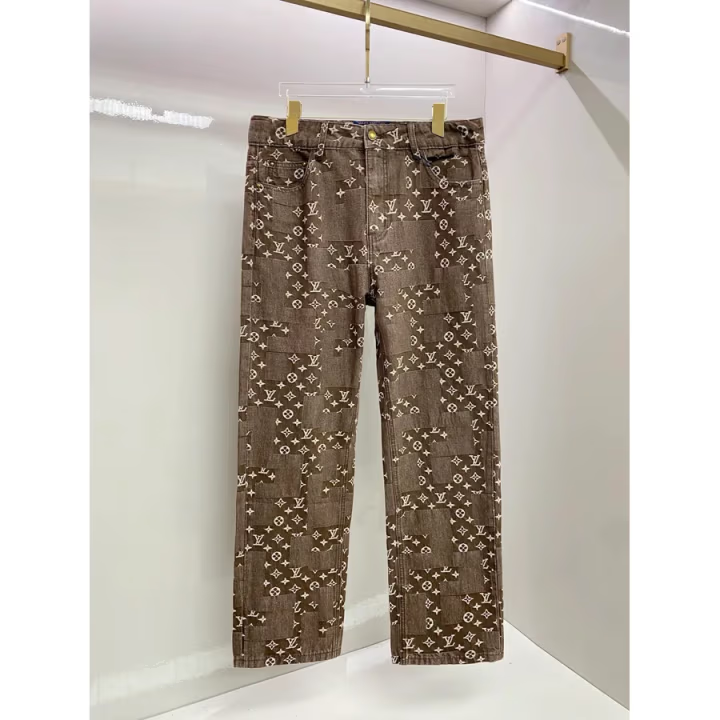
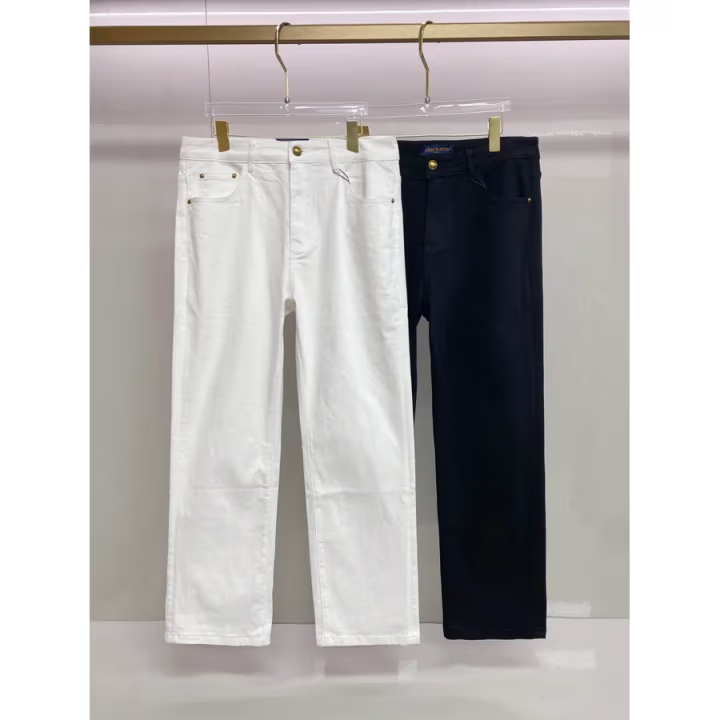
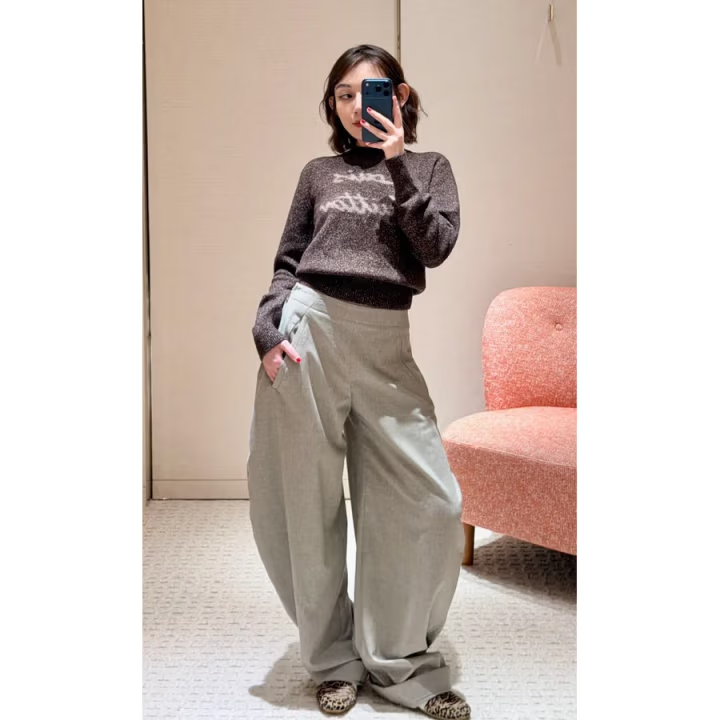
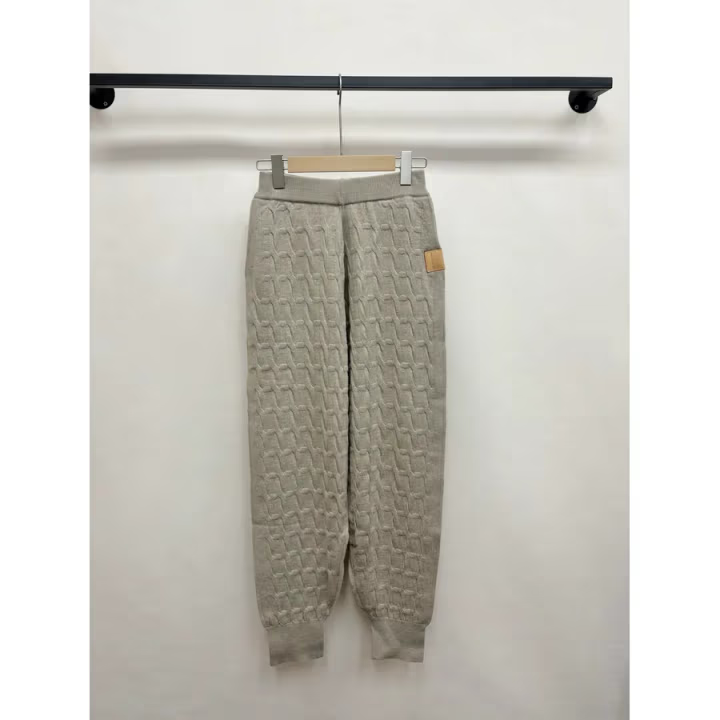
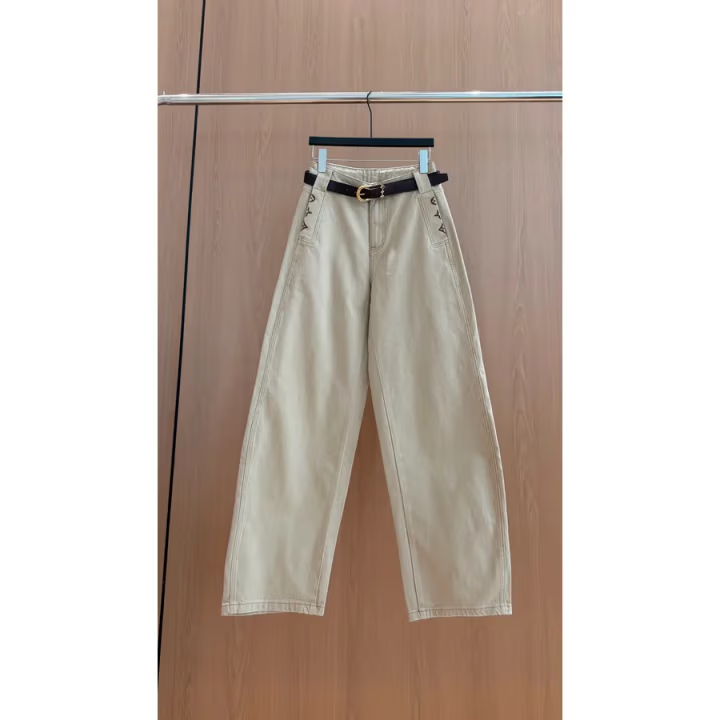
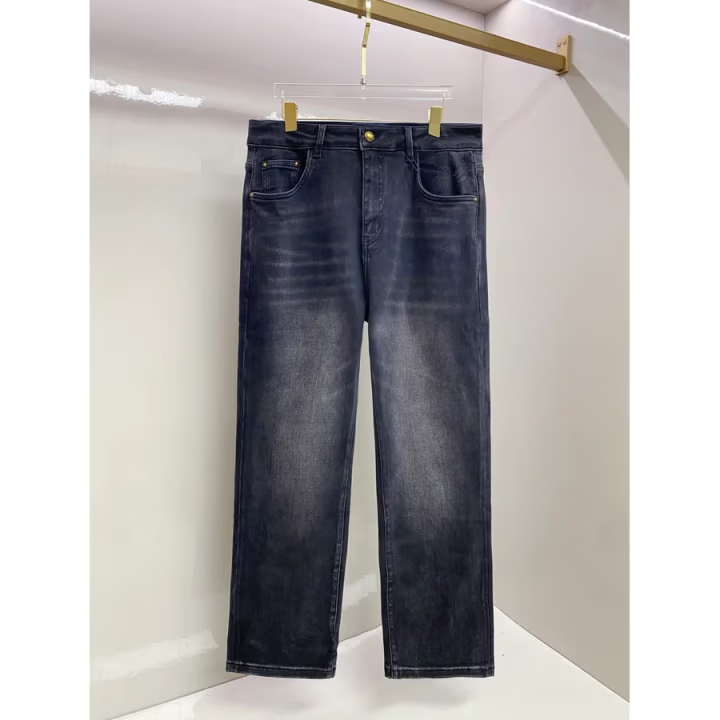
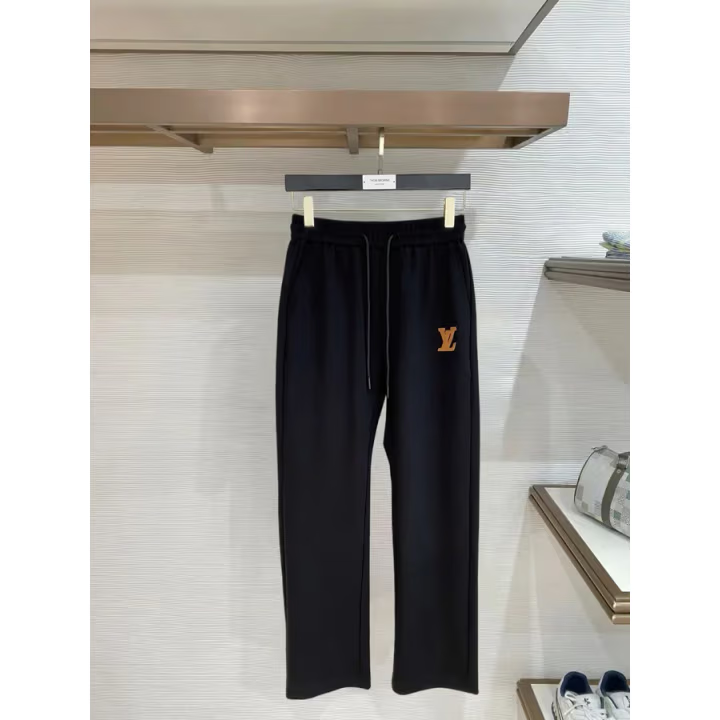
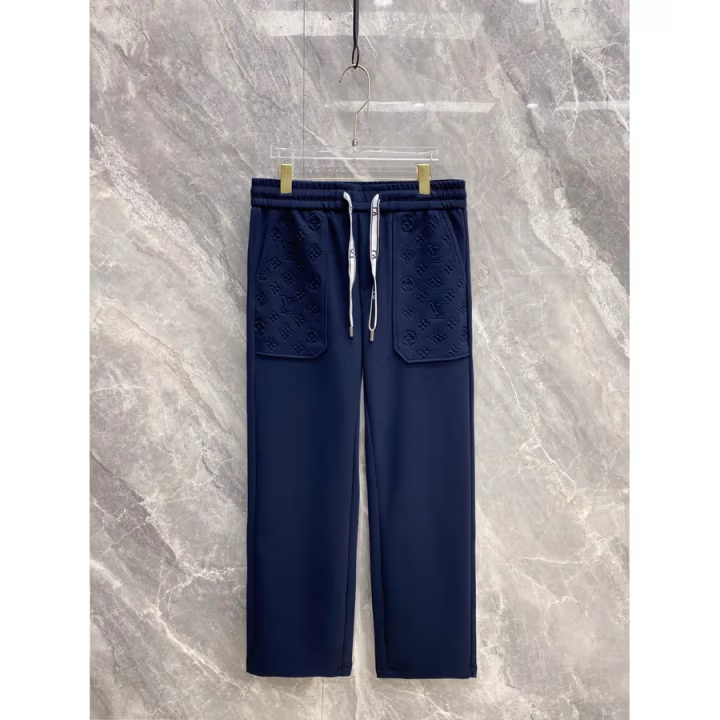
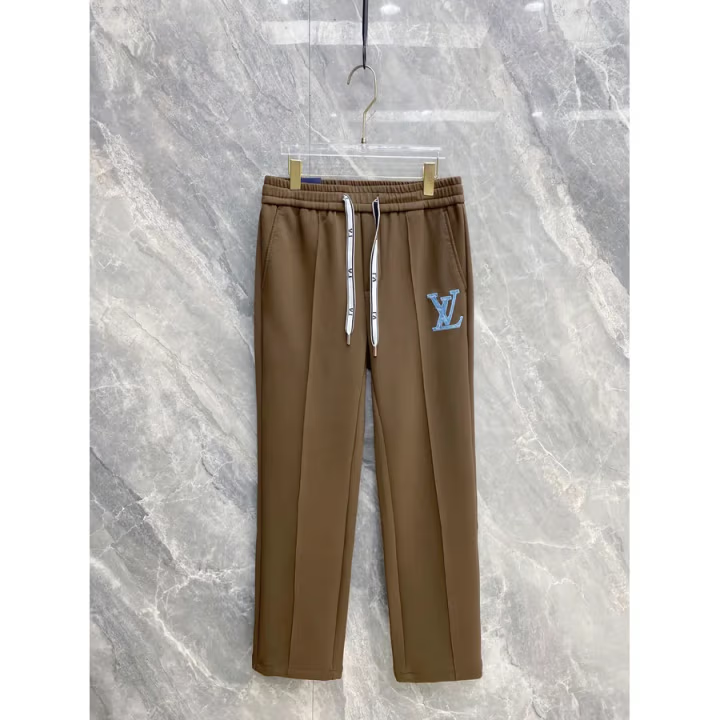
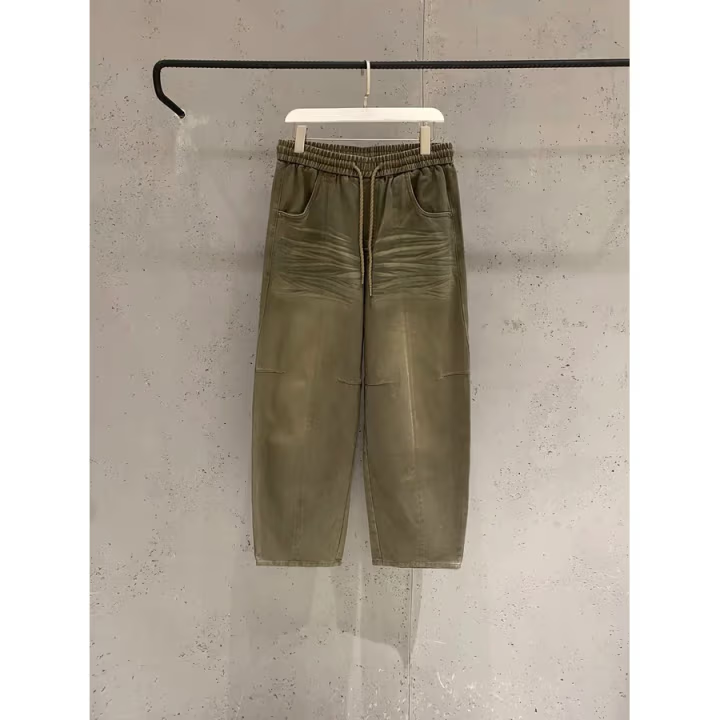
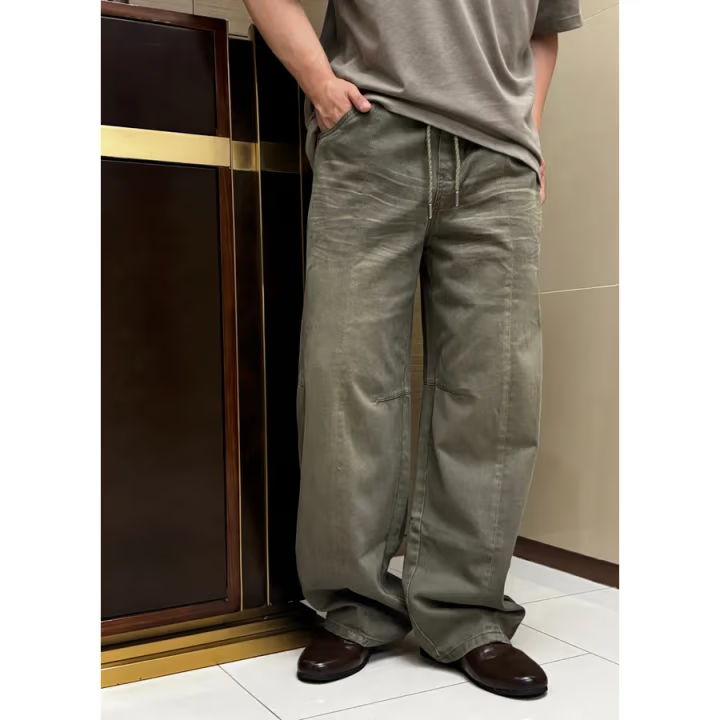
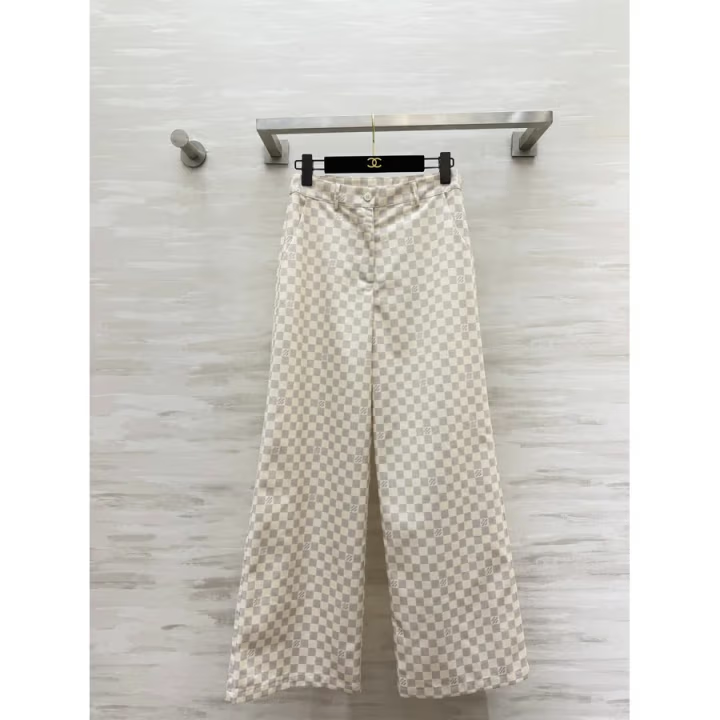
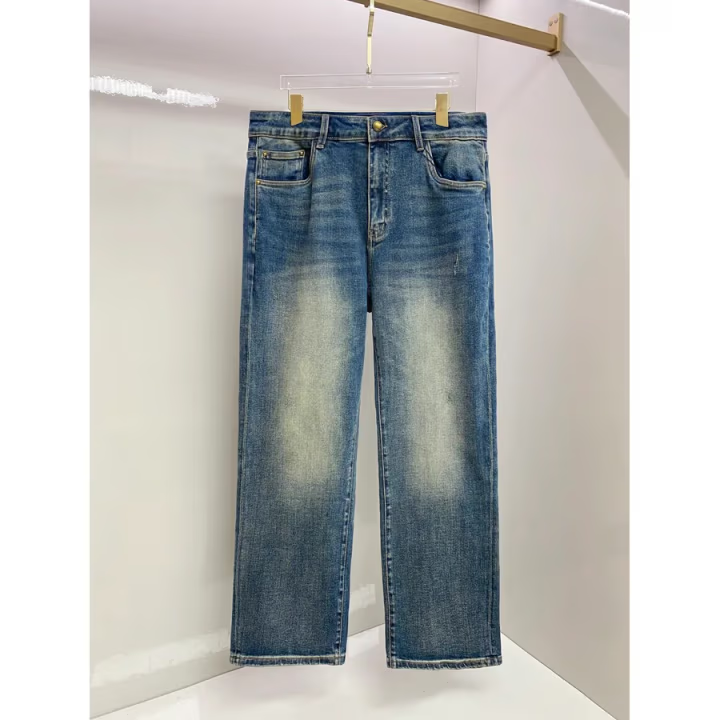
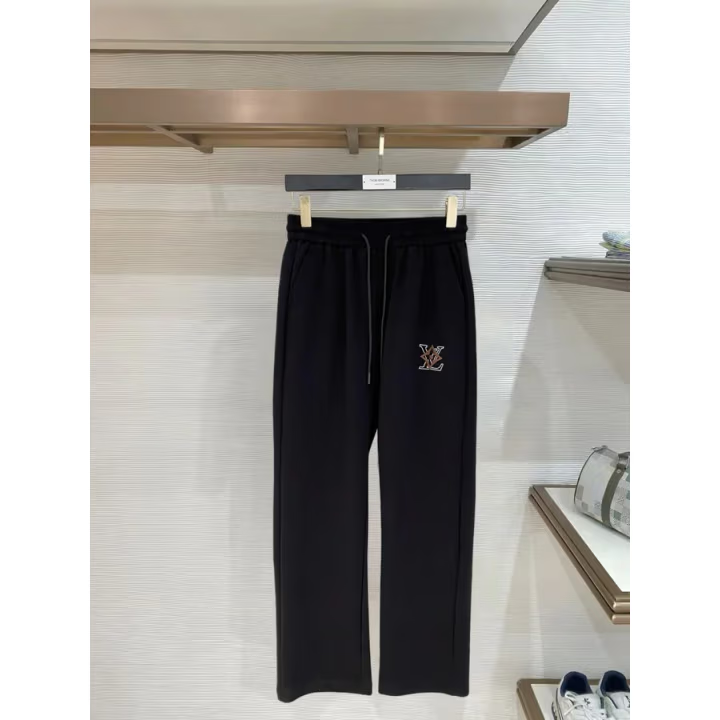
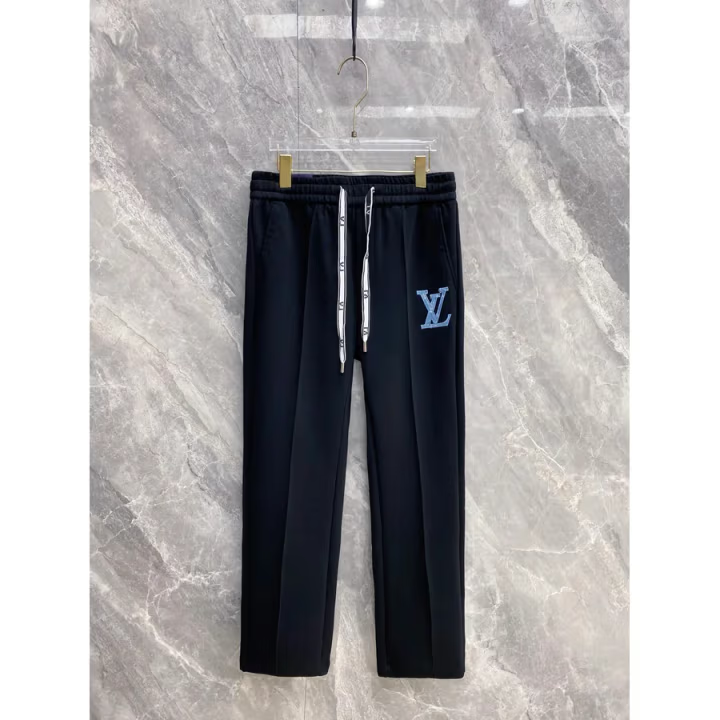
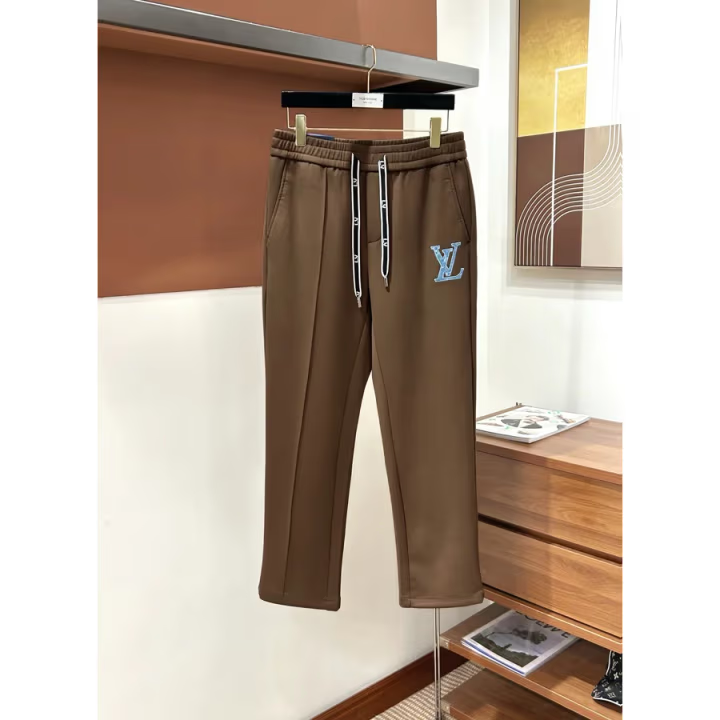
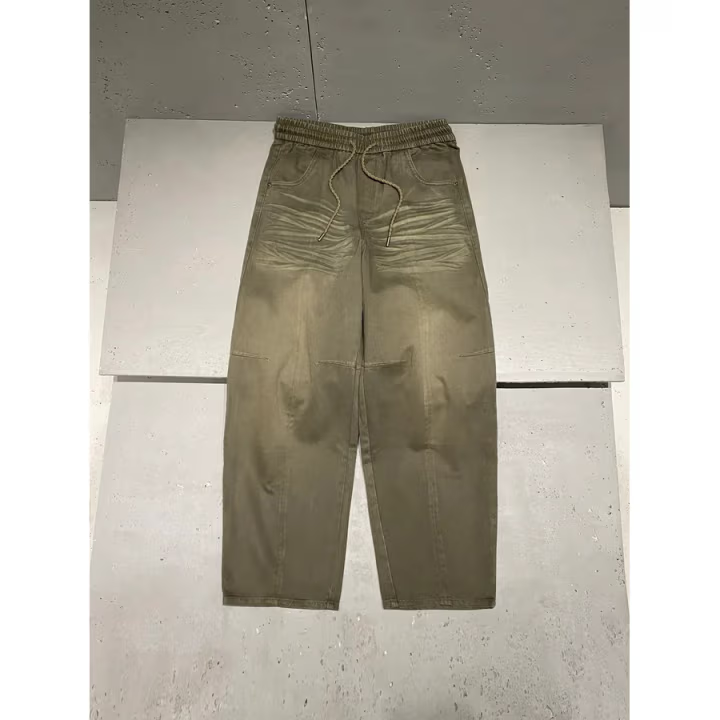
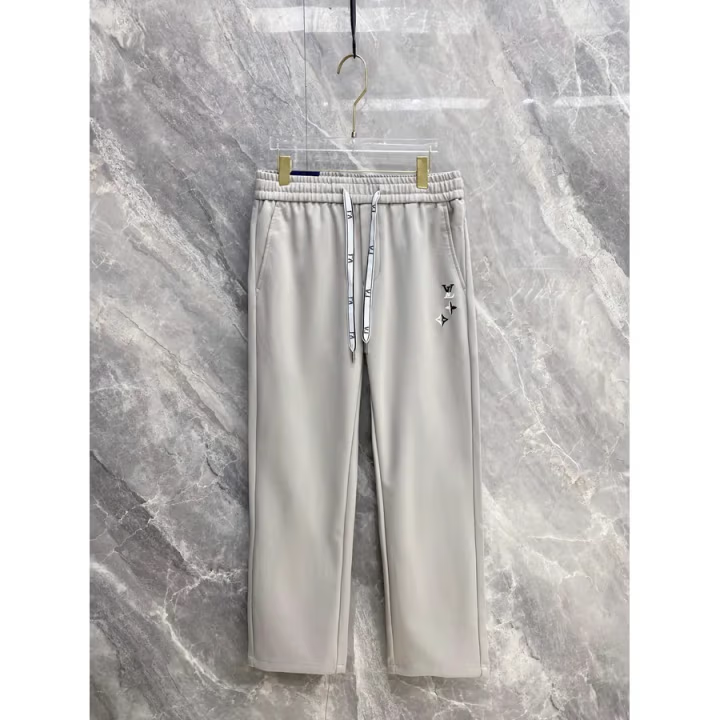
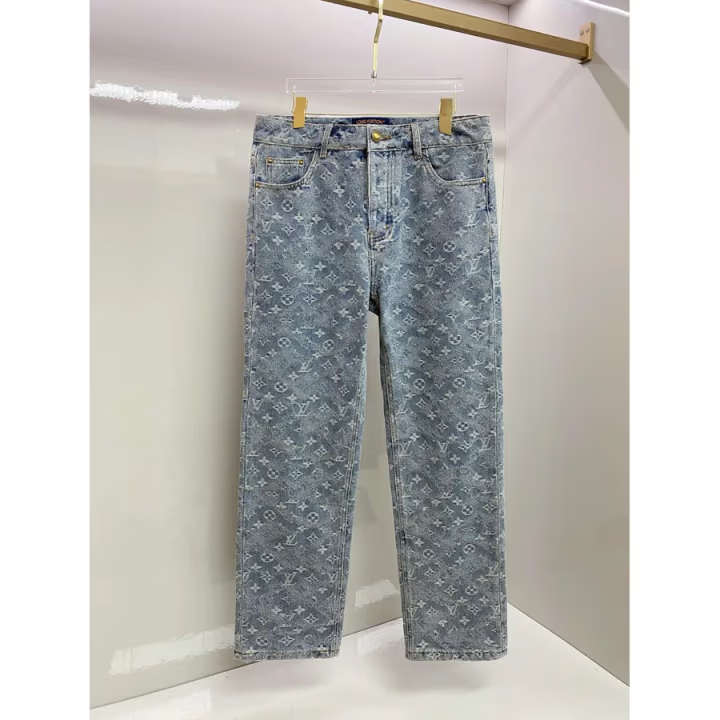
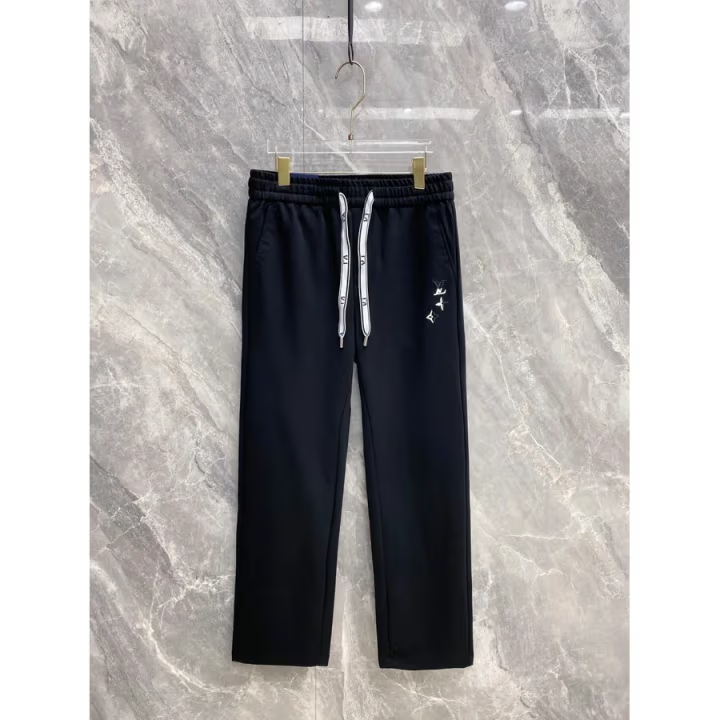
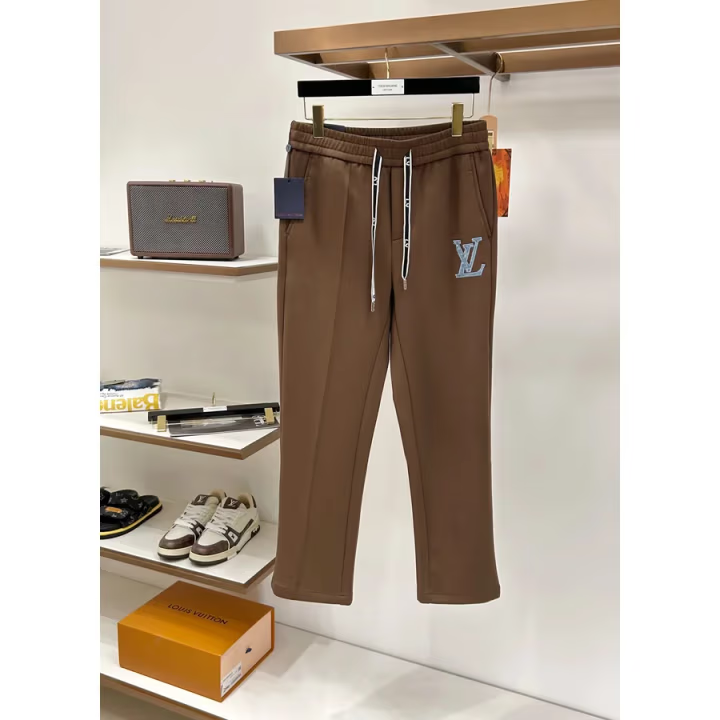
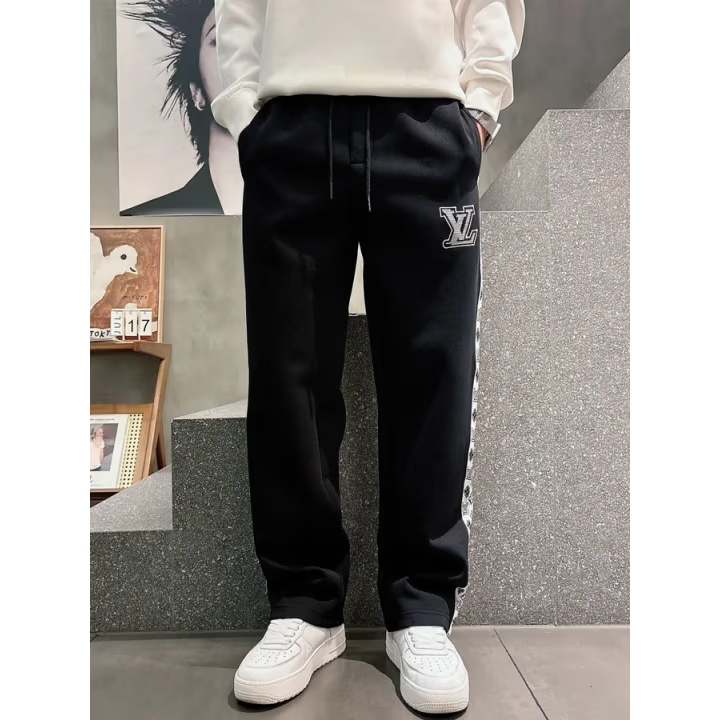
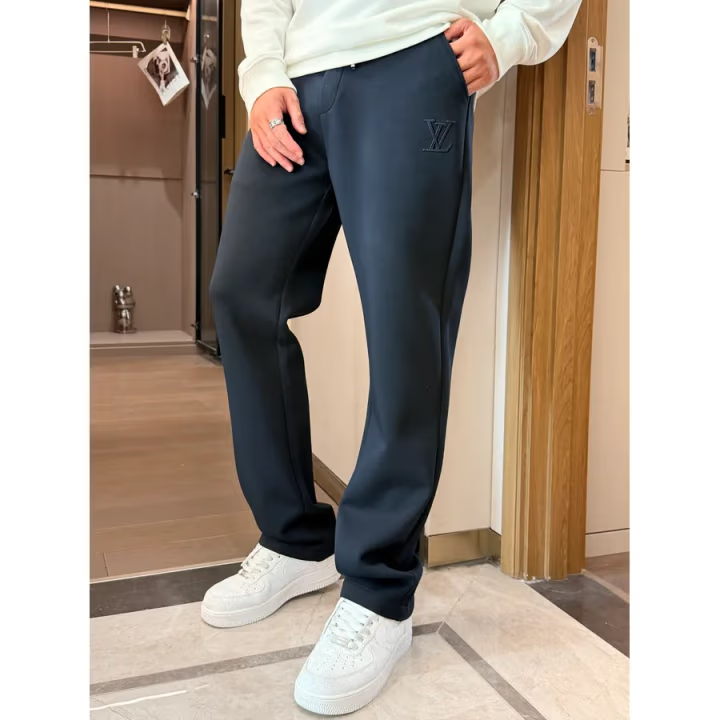
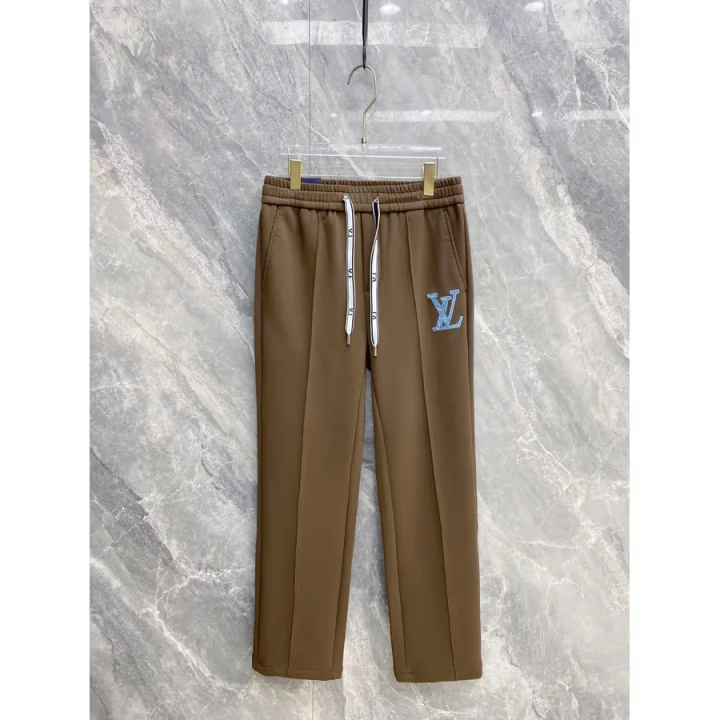
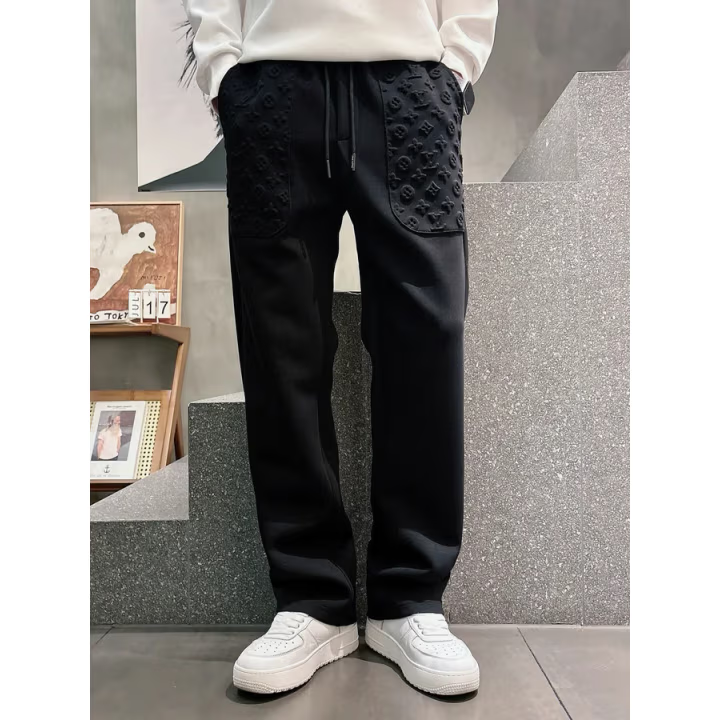
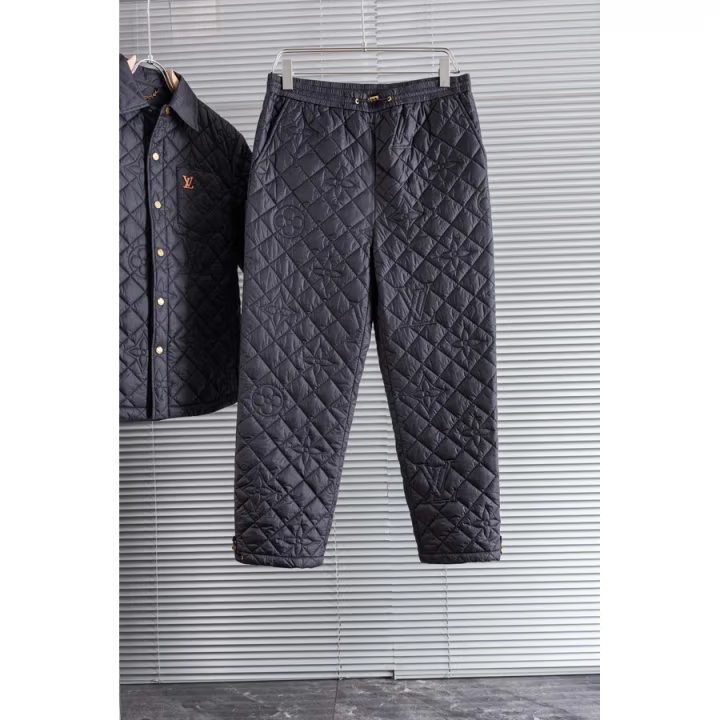
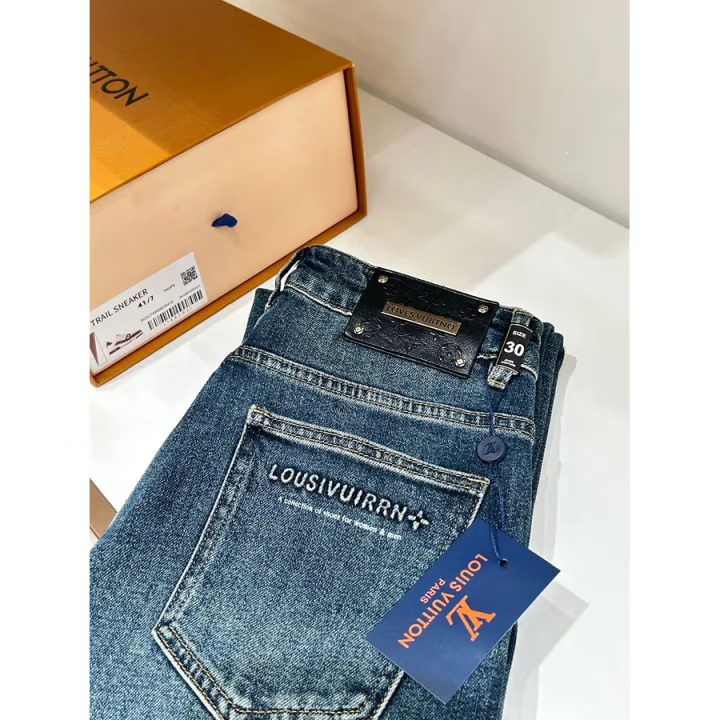
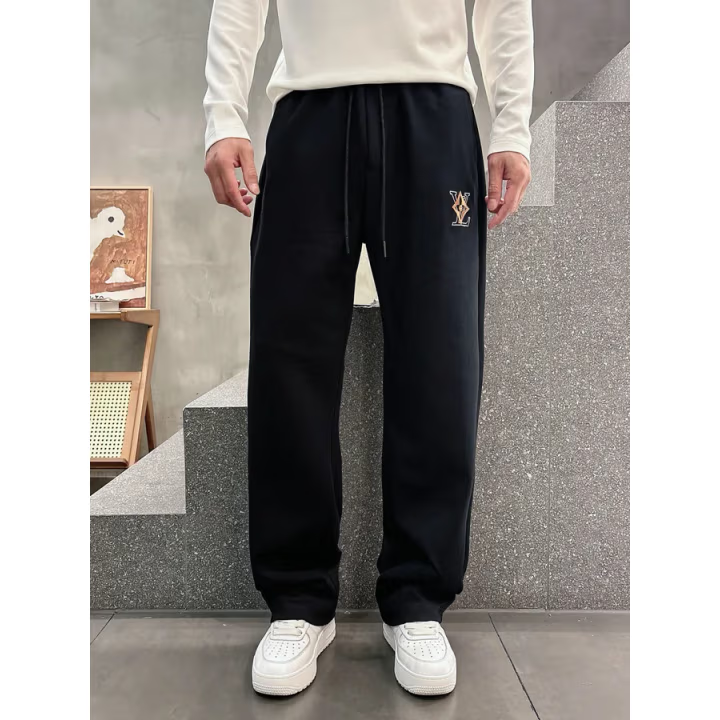
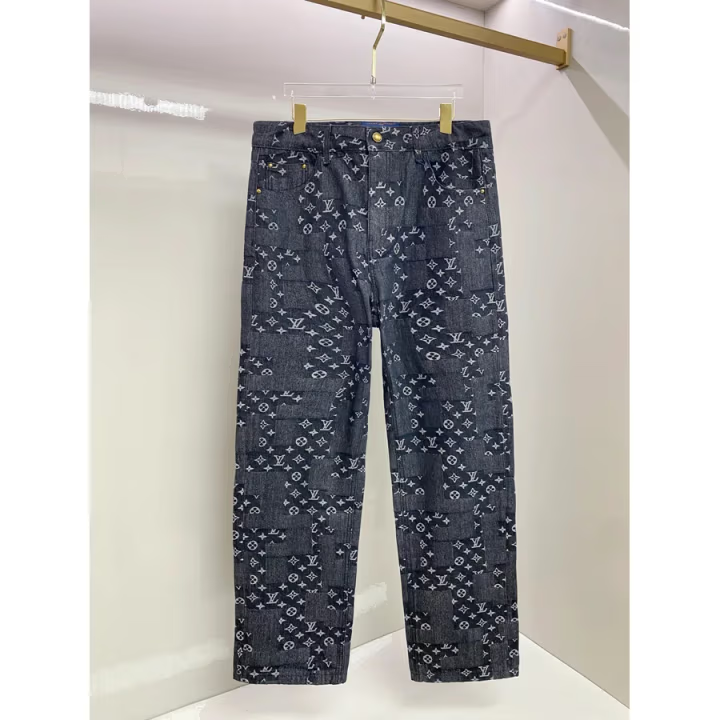
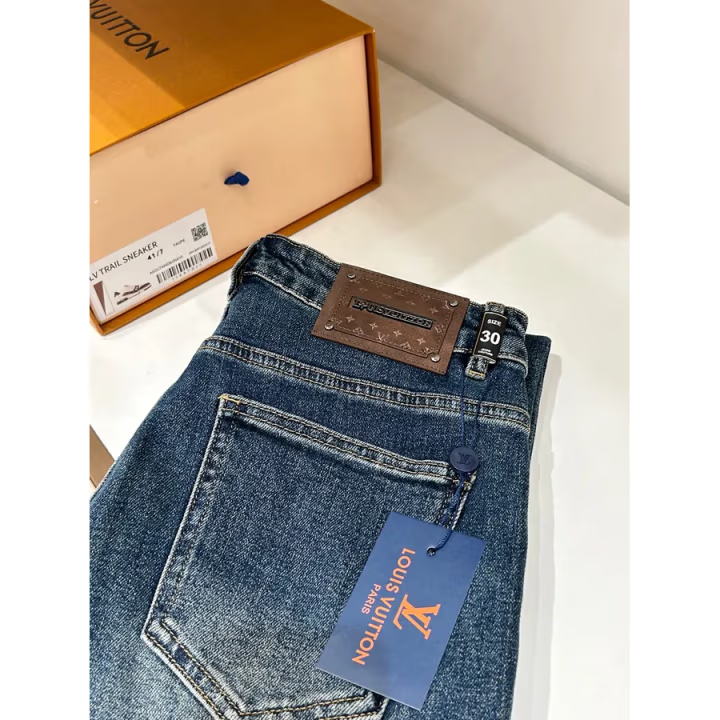
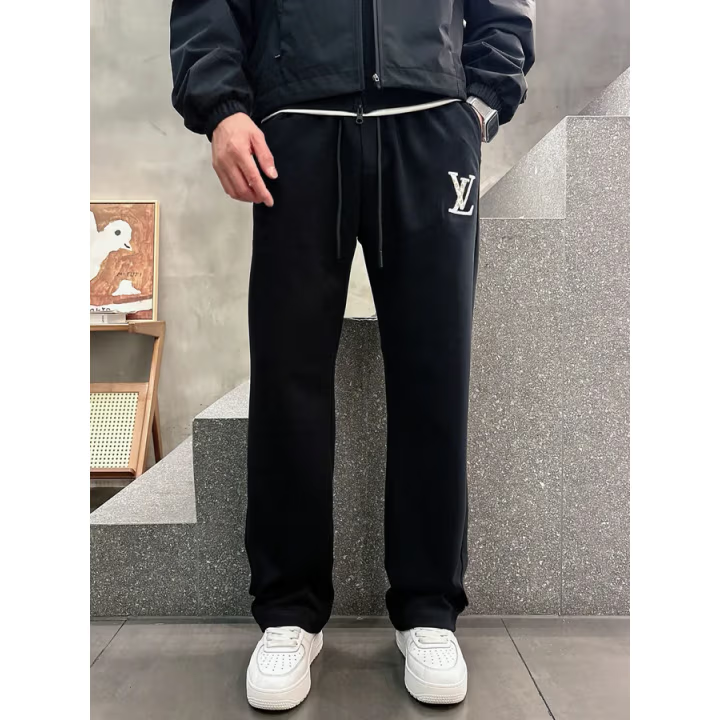
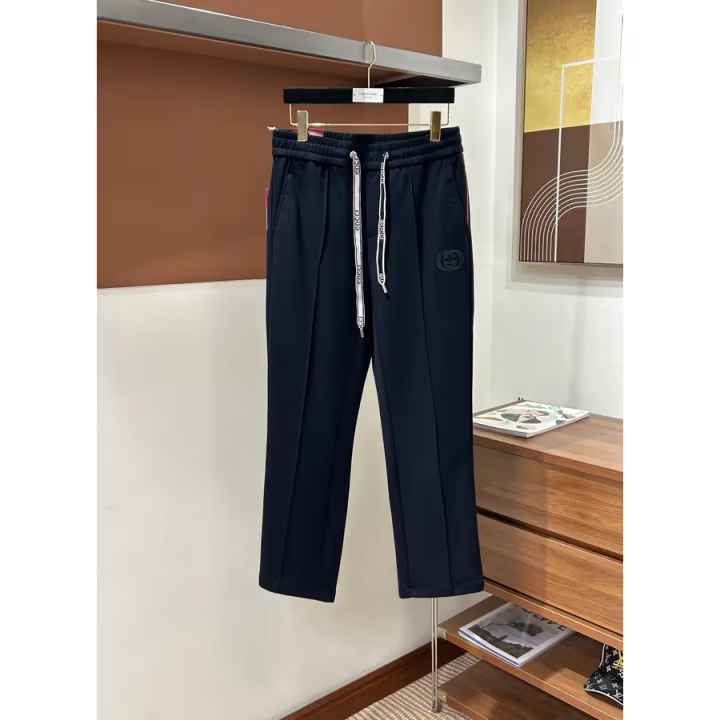
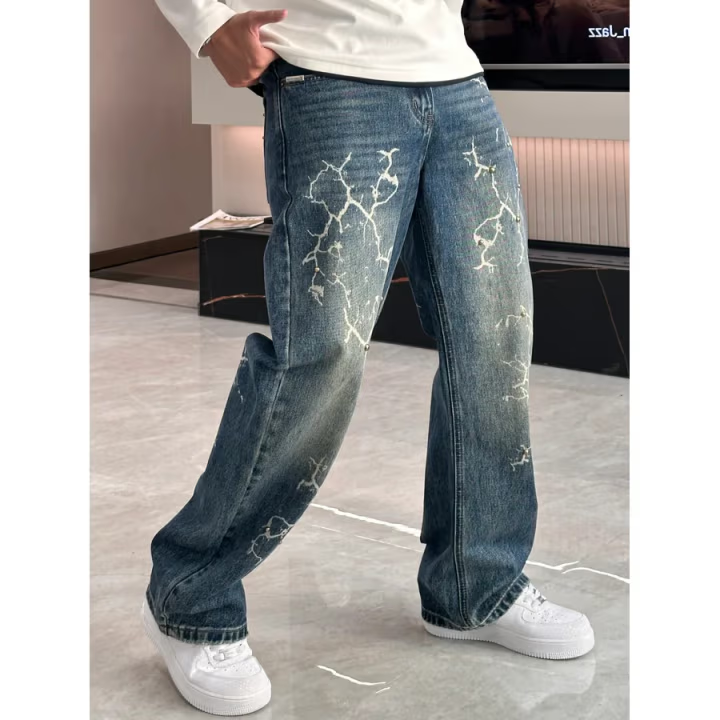
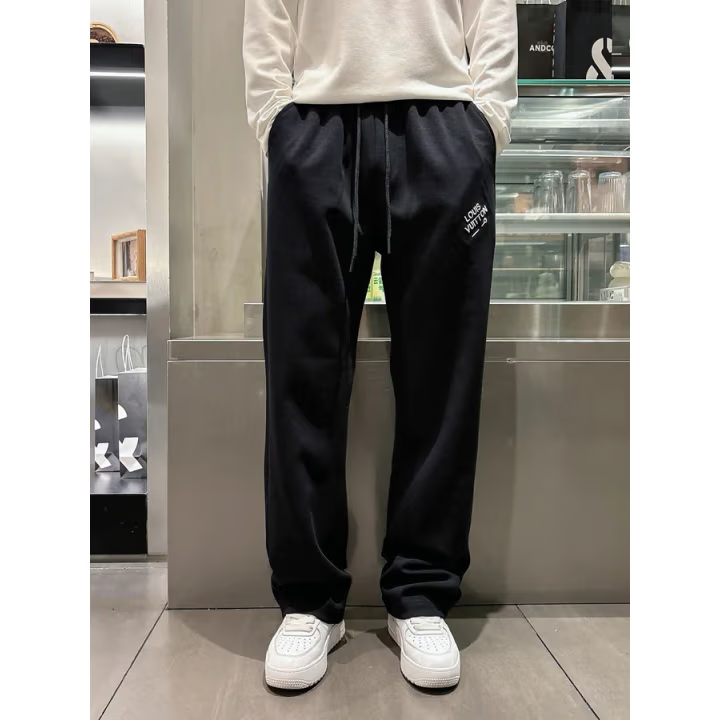
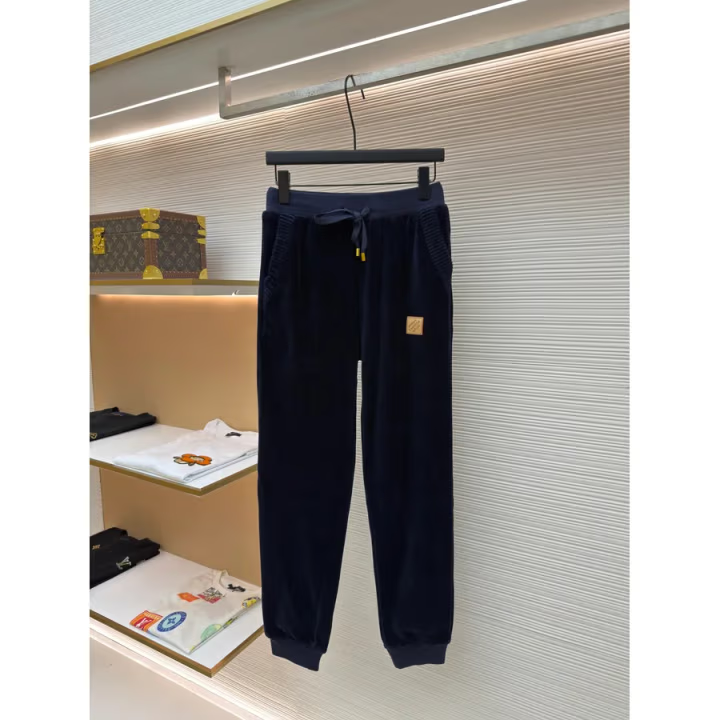
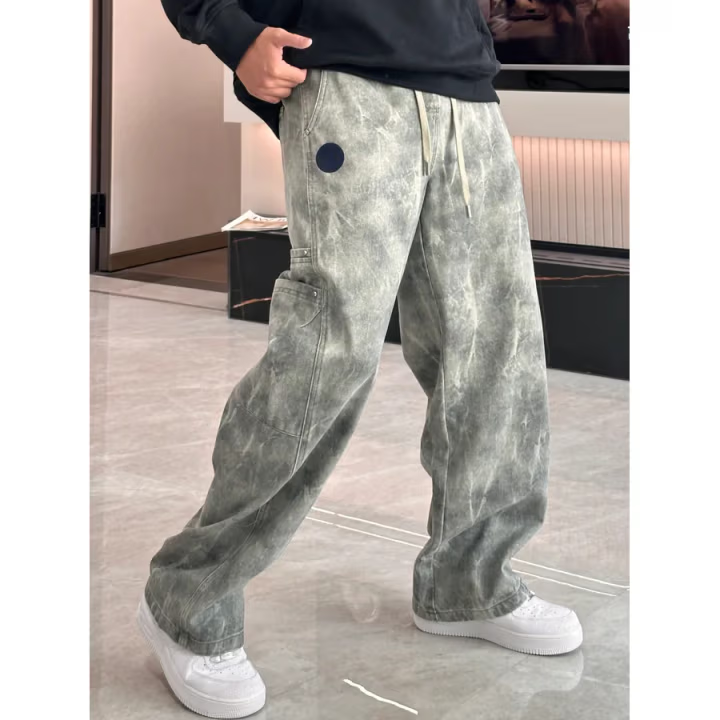
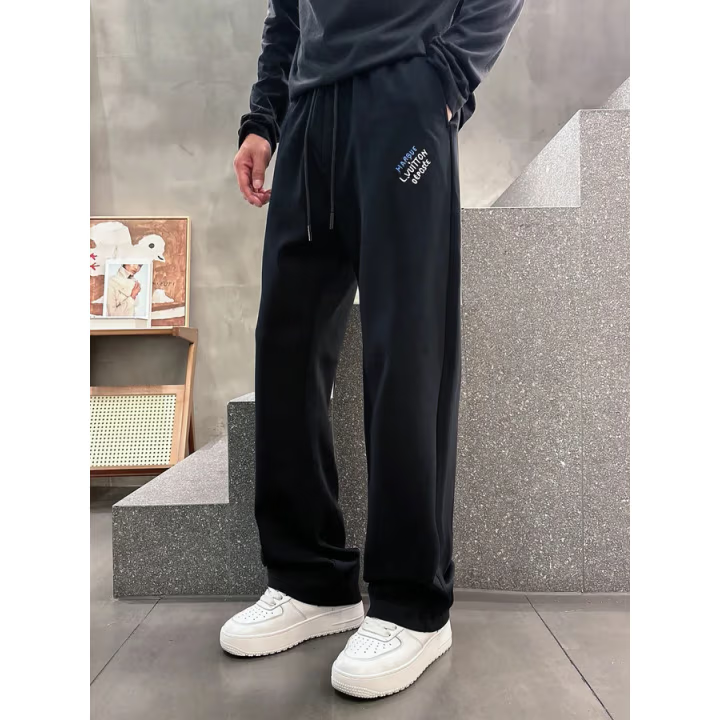
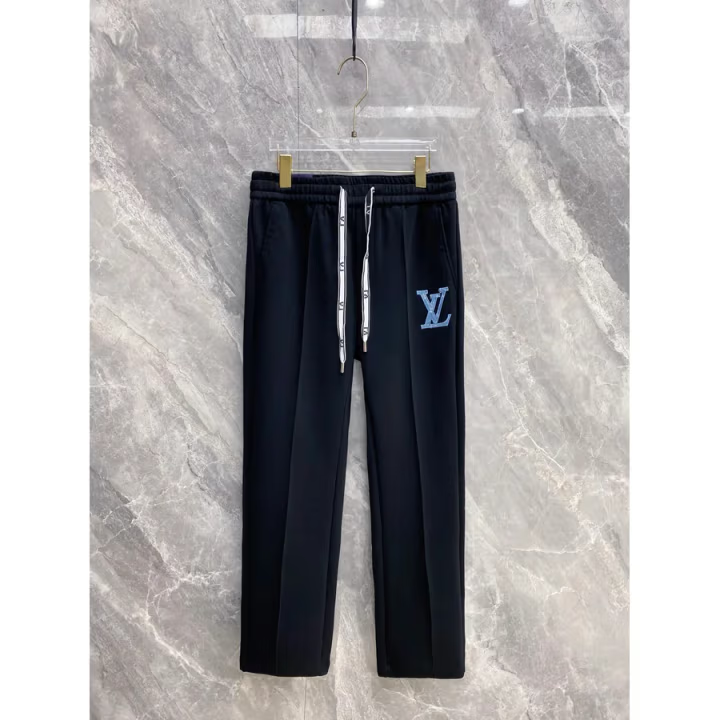
Louis Vuitton uses regular, slightly loose and oversize language across ready-to-wear, and a roomy cut is not automatically a reason to order down. Moving down changes the waist, rise and hip position at the same time. If the intended look is a lower, softer trouser, sizing down to recover a smaller waist can shorten the rise or reduce the leg width that made the design appealing. Compare the garment with a pair whose waist and rise already work for you. The catalogue photographs can show the taper, pocket placement and break over the shoe, while the numbers explain how much room sits inside that outline.
What to record before asking about a pair
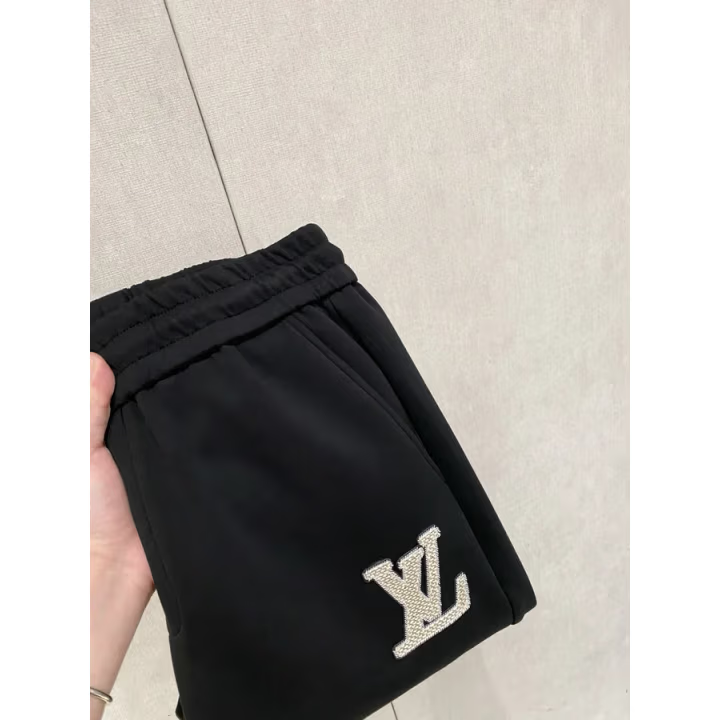
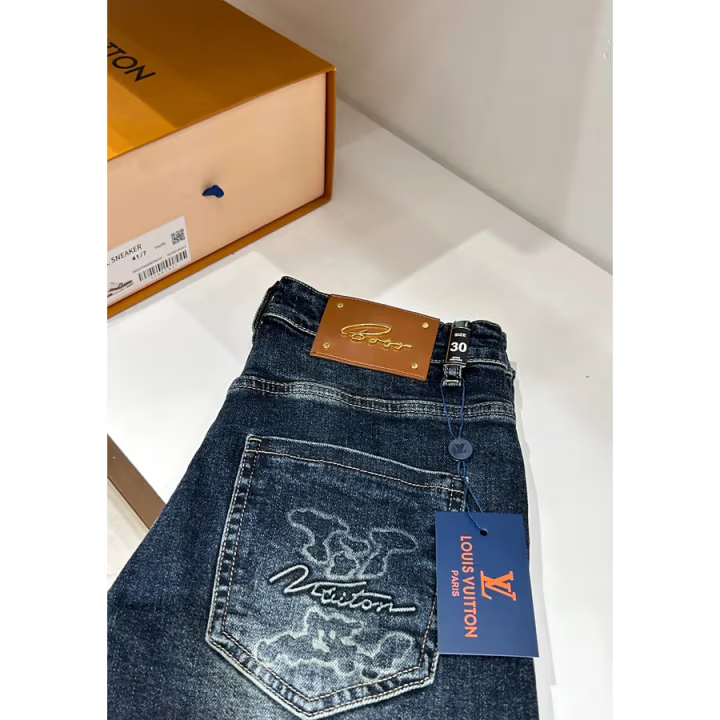
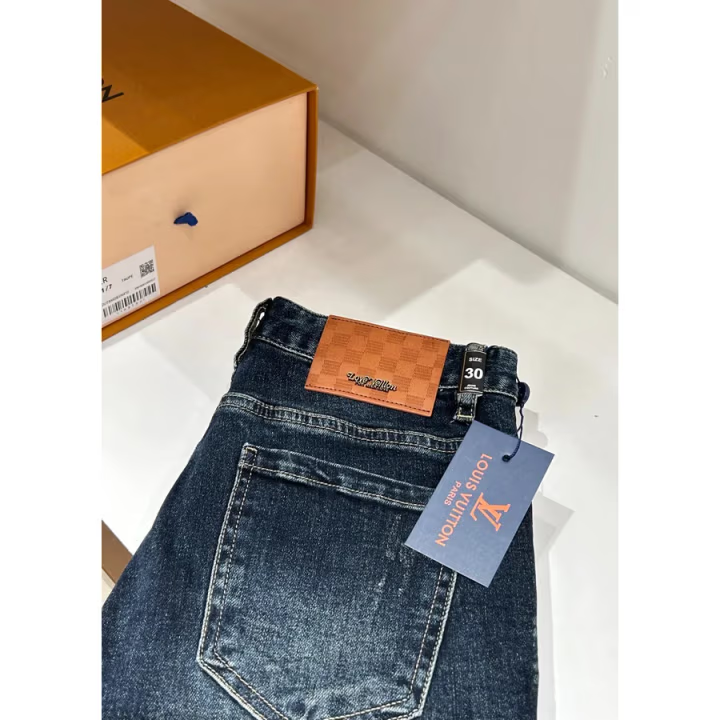
Record waist flat and doubled, front rise, inseam, leg opening across the hem and the outside seam from waist top to hem. Add the marked size and the fit word if it is visible. For a photo, take one straight-on front view with the legs laid out and one close view of the waistband label and fastening. This separates a size problem from a length problem. If the waist closes but the pocket bows, the issue may be hip room; if the waist has a gap but the rise is right, taking a smaller size can move the rise and produce a different problem.