
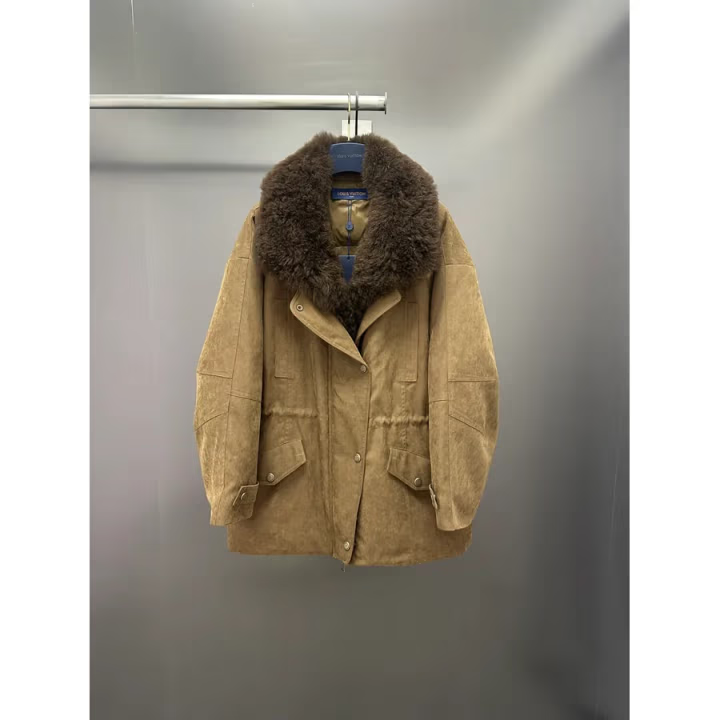
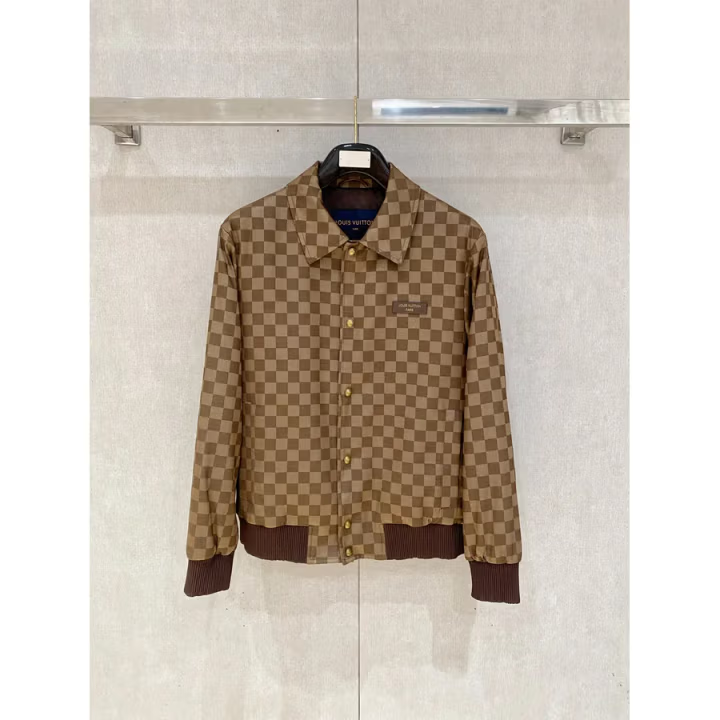
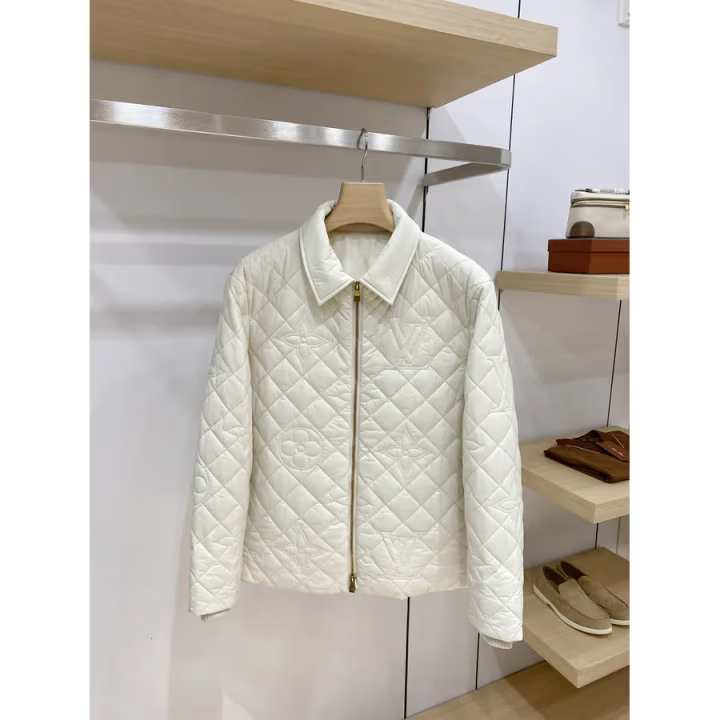

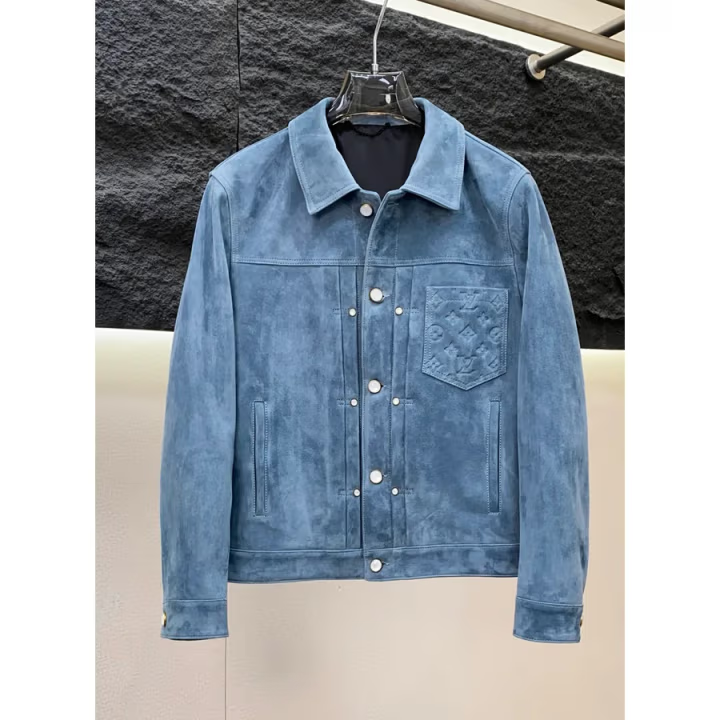
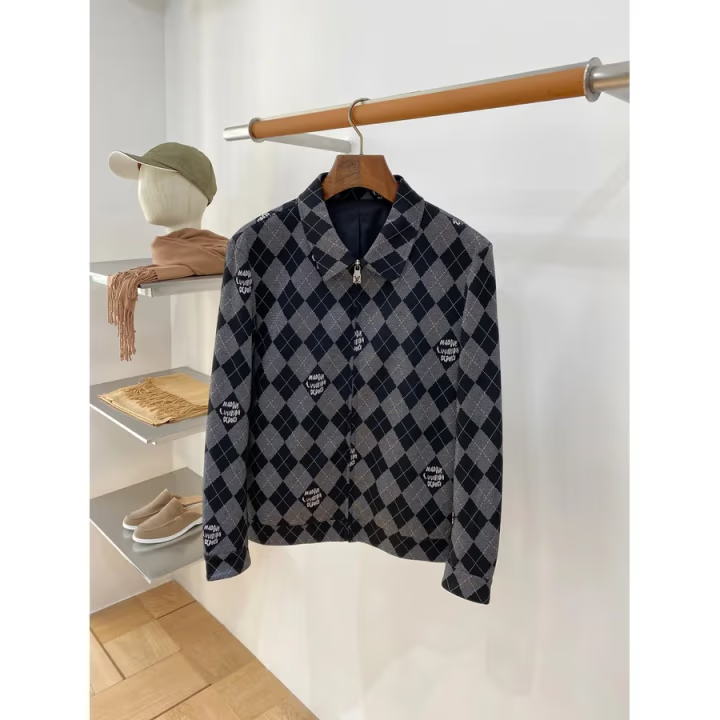
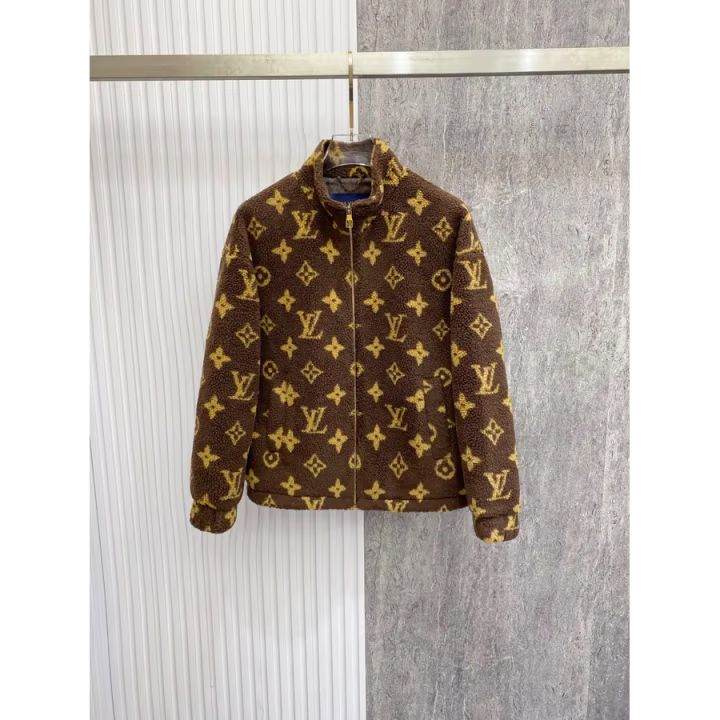
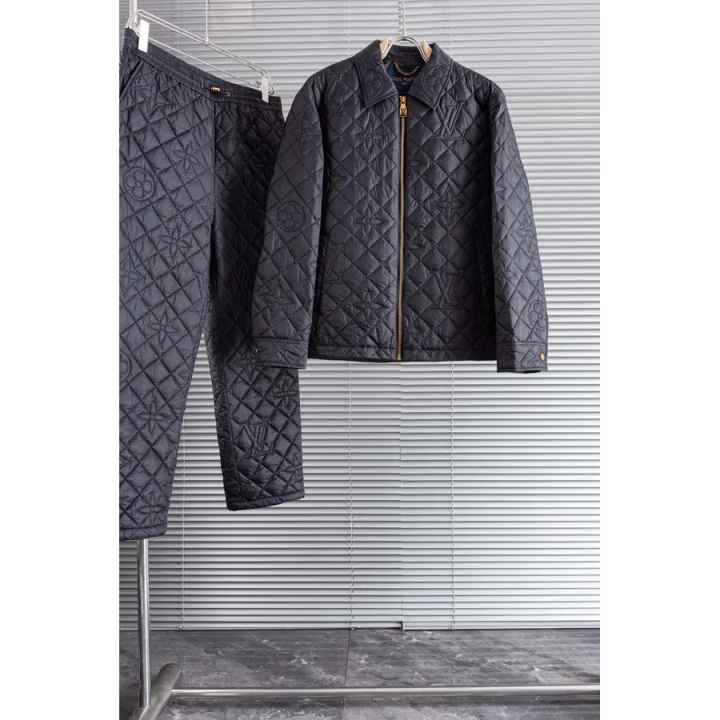
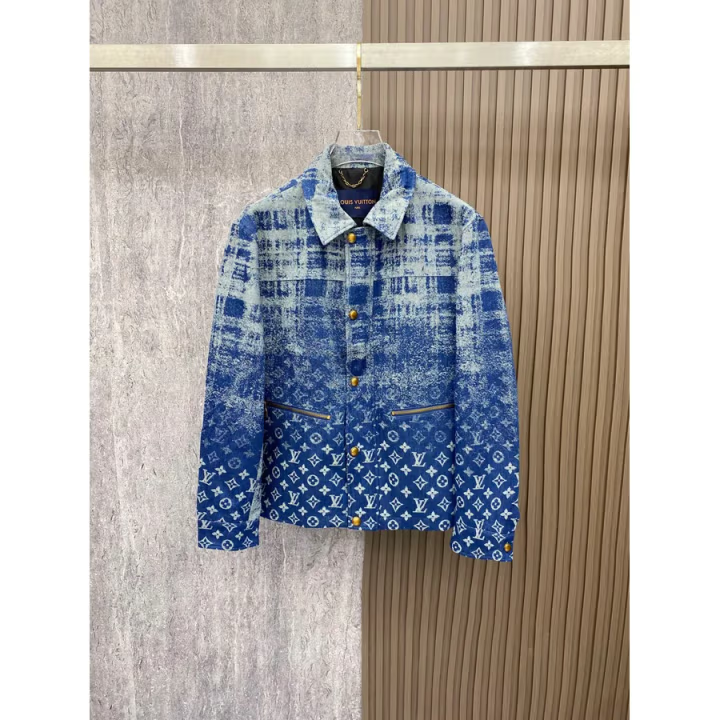
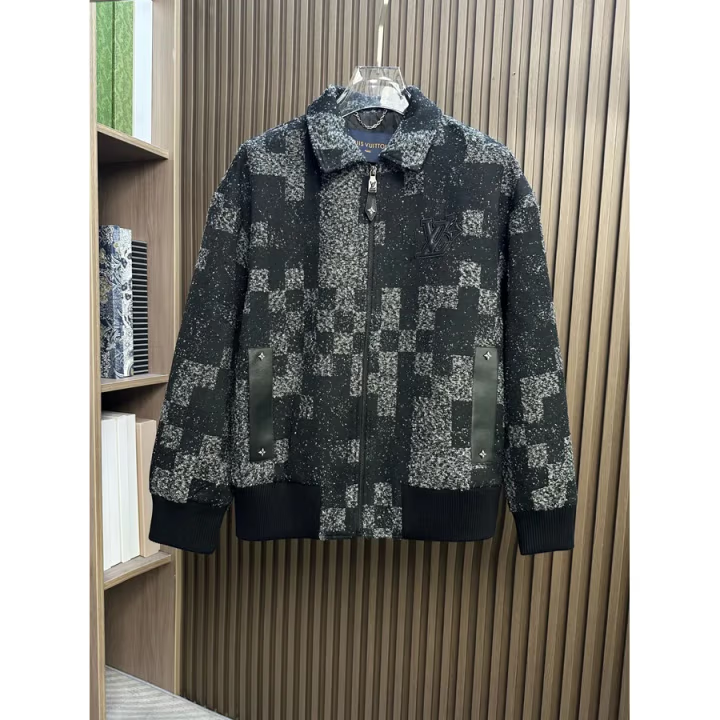
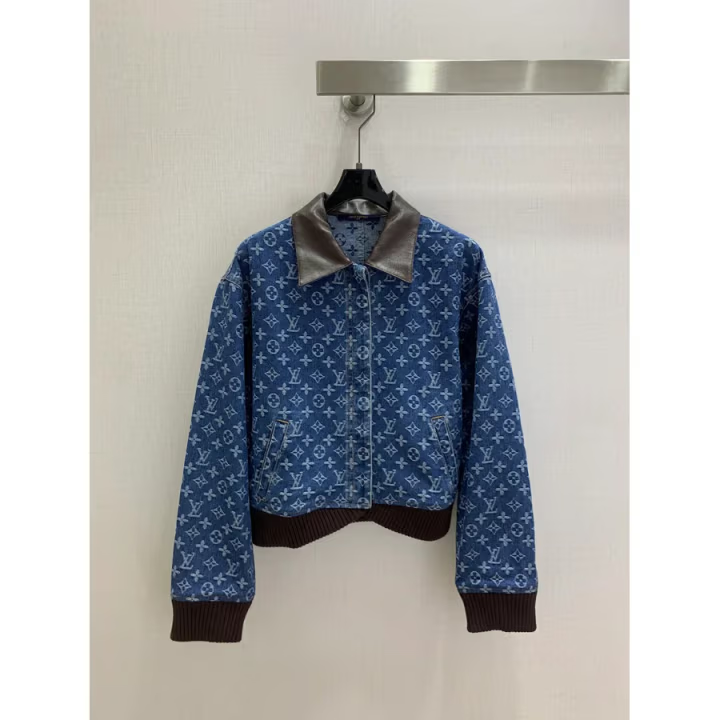
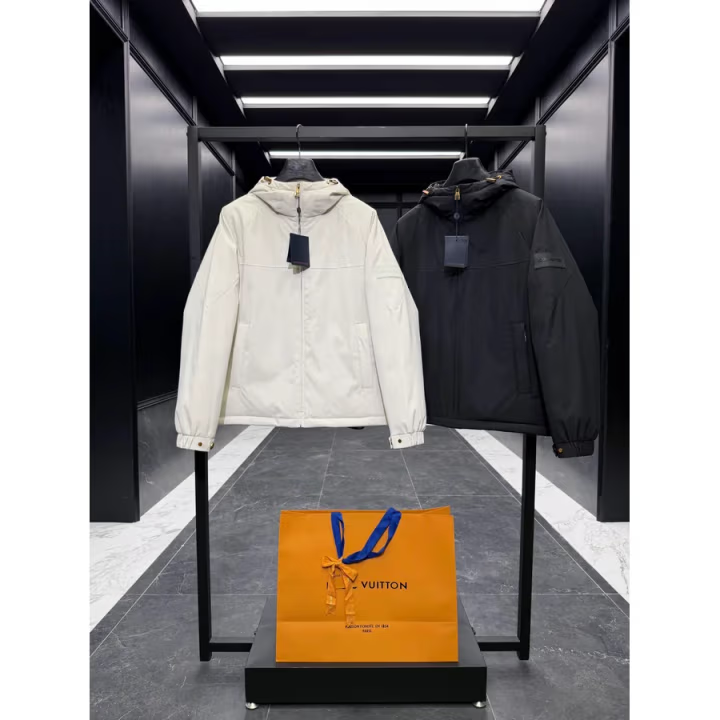
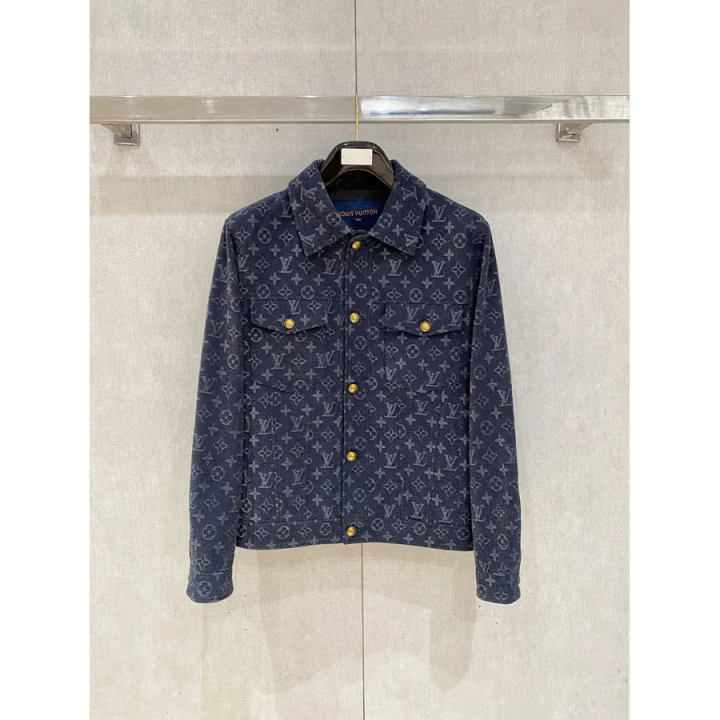
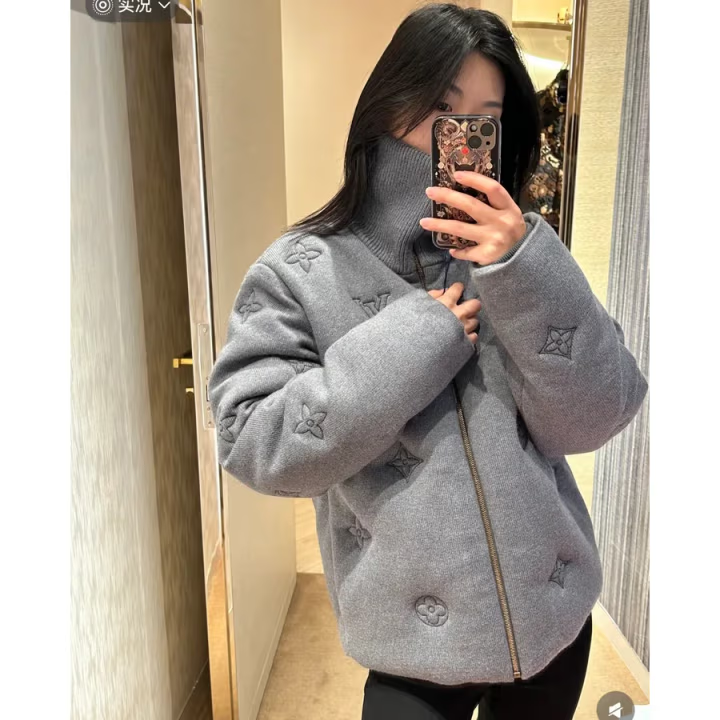
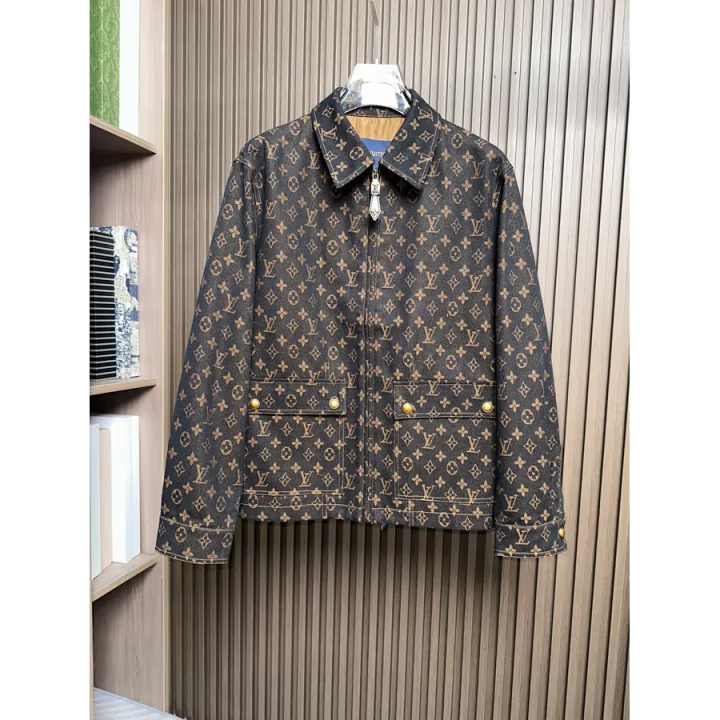
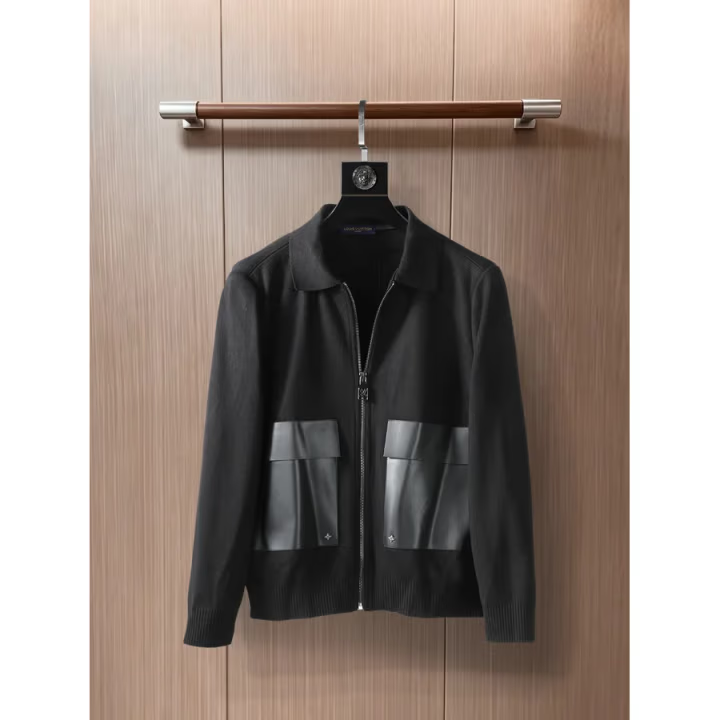
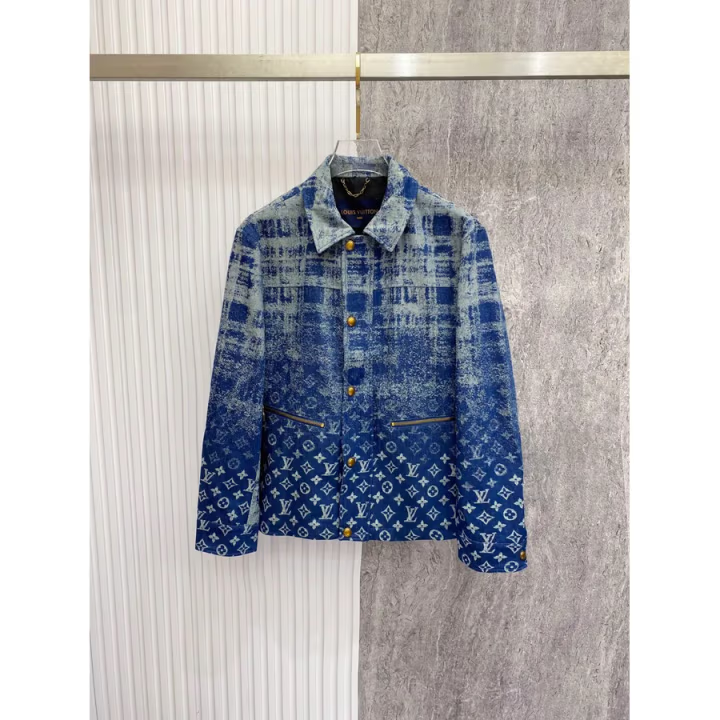
Why one size row explains so little
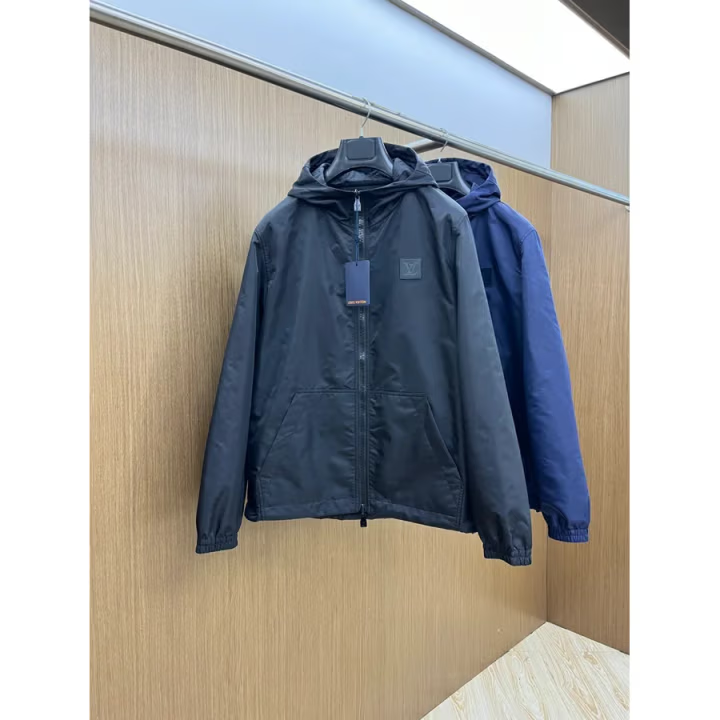
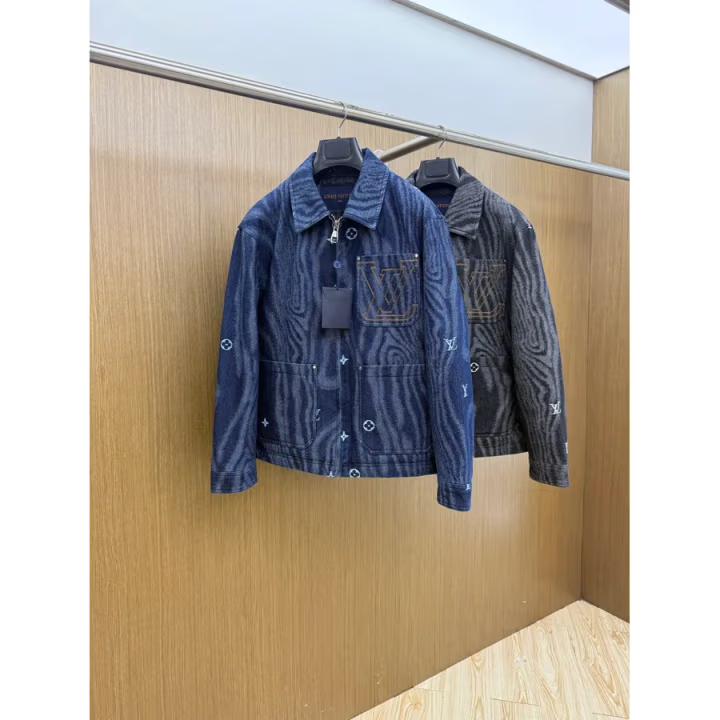
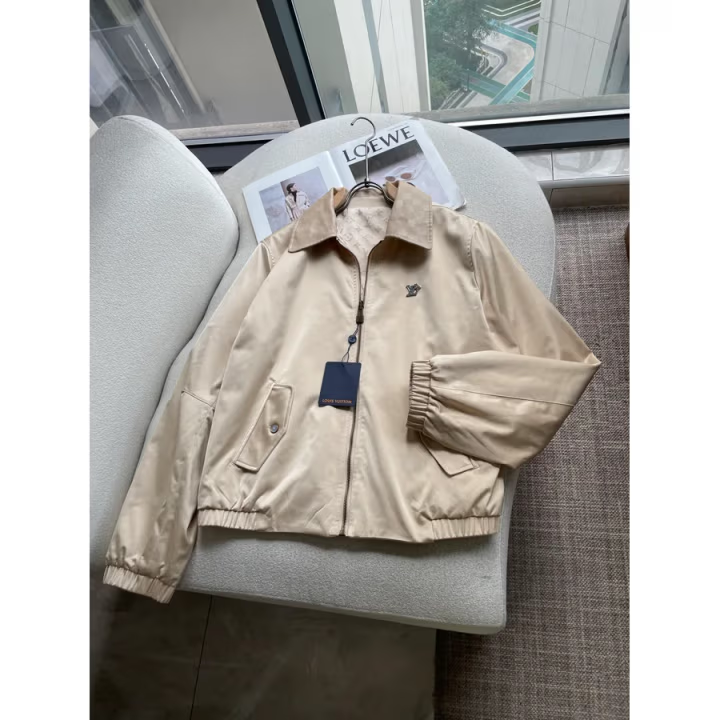
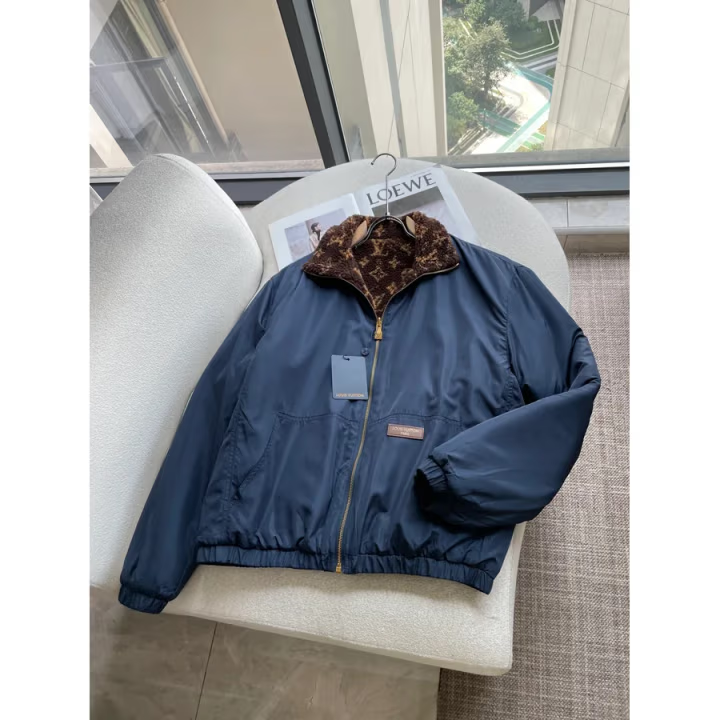
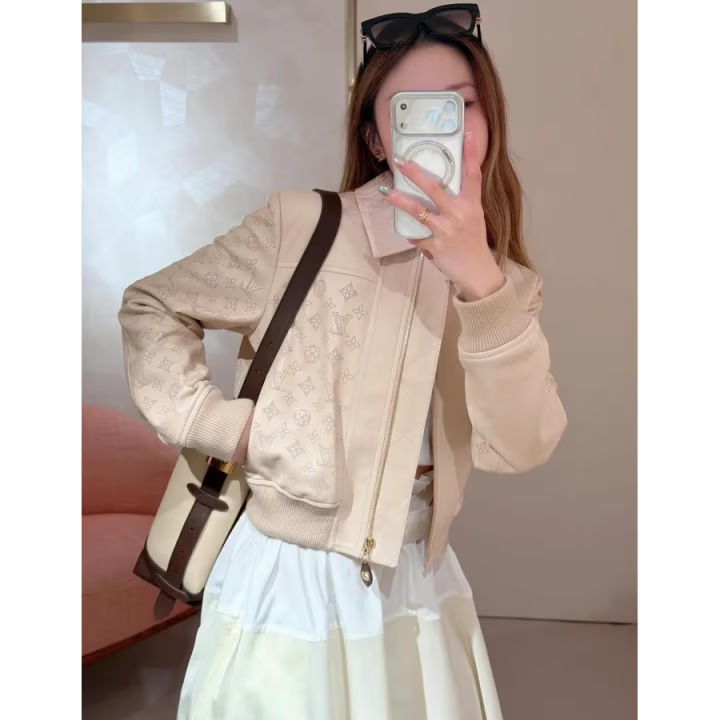
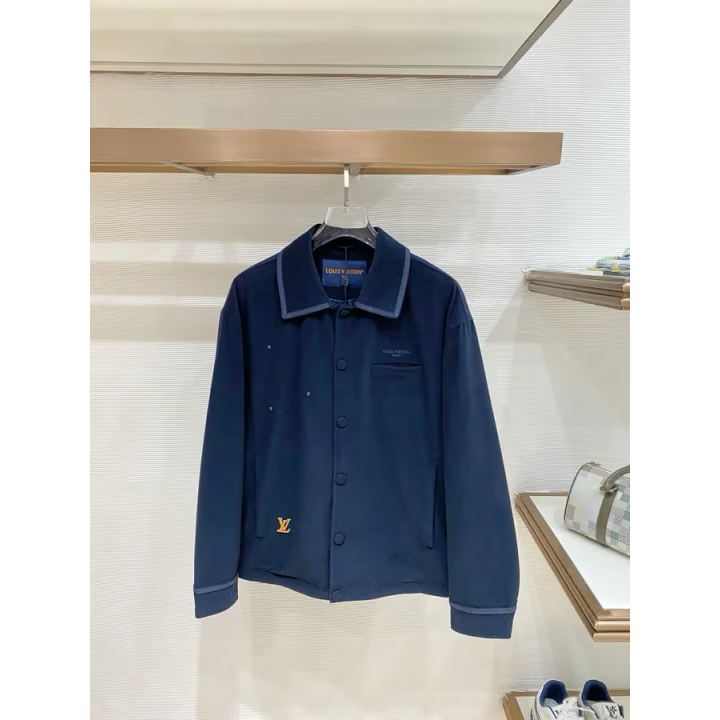
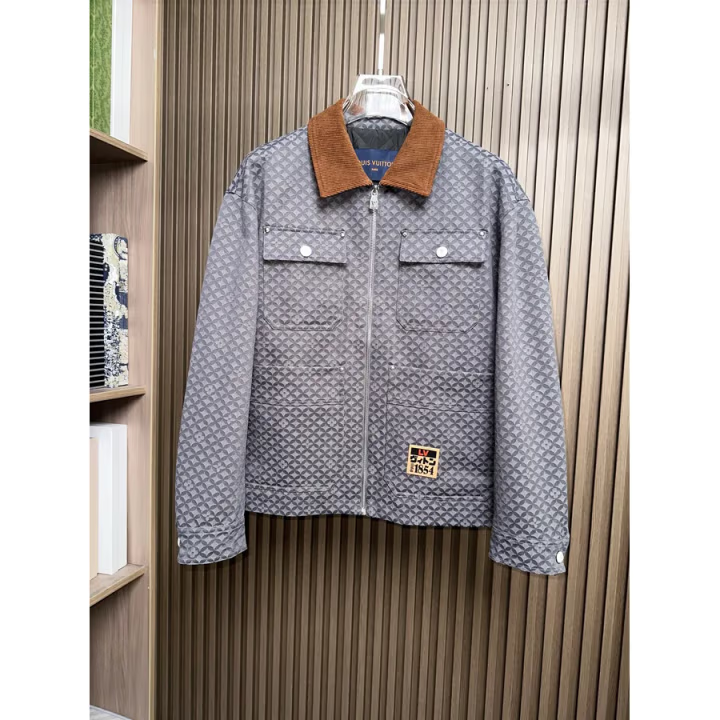
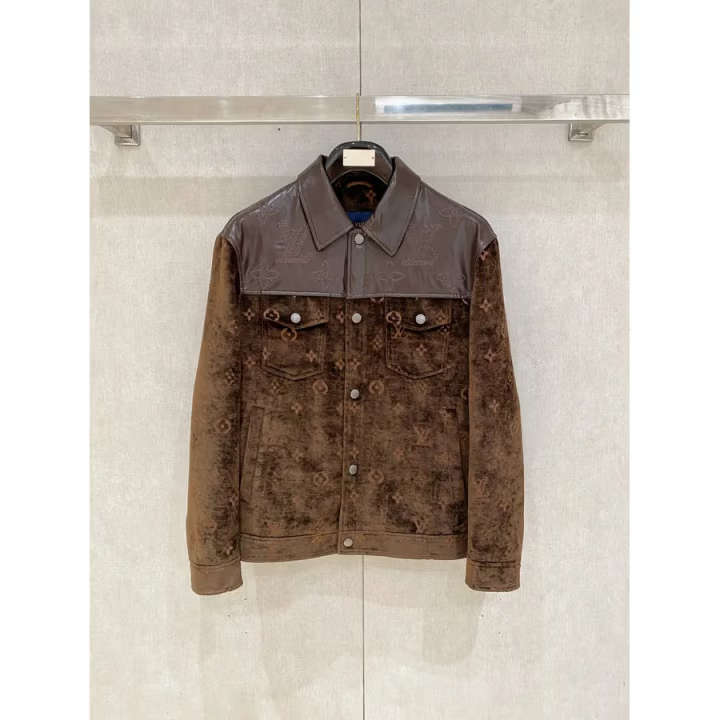
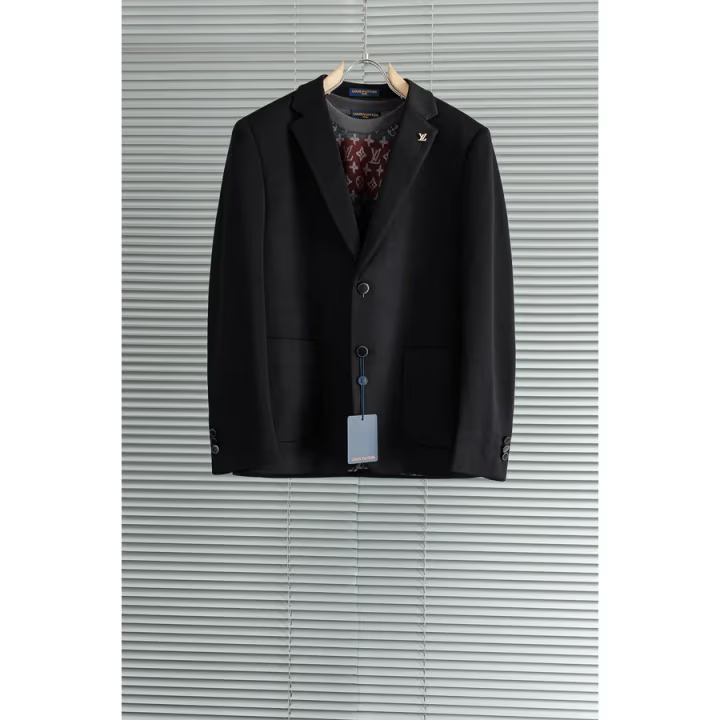
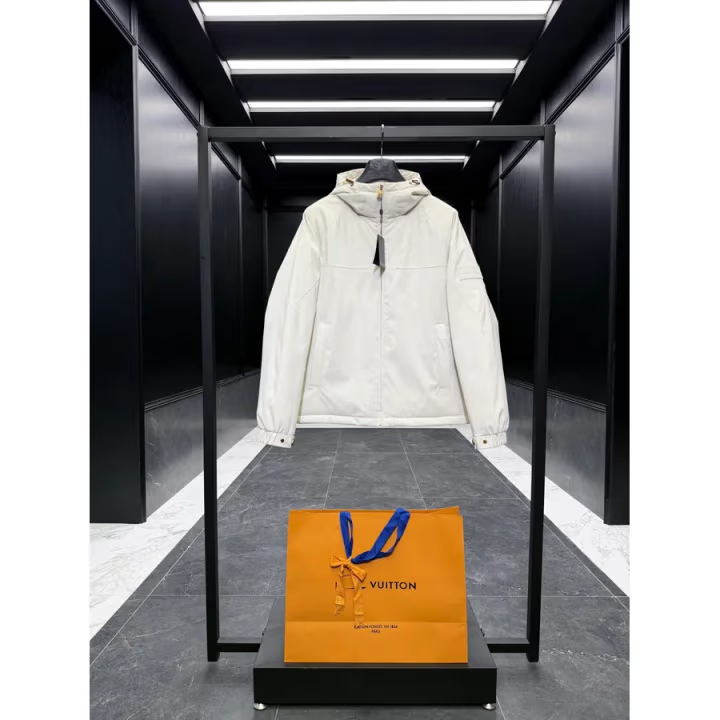
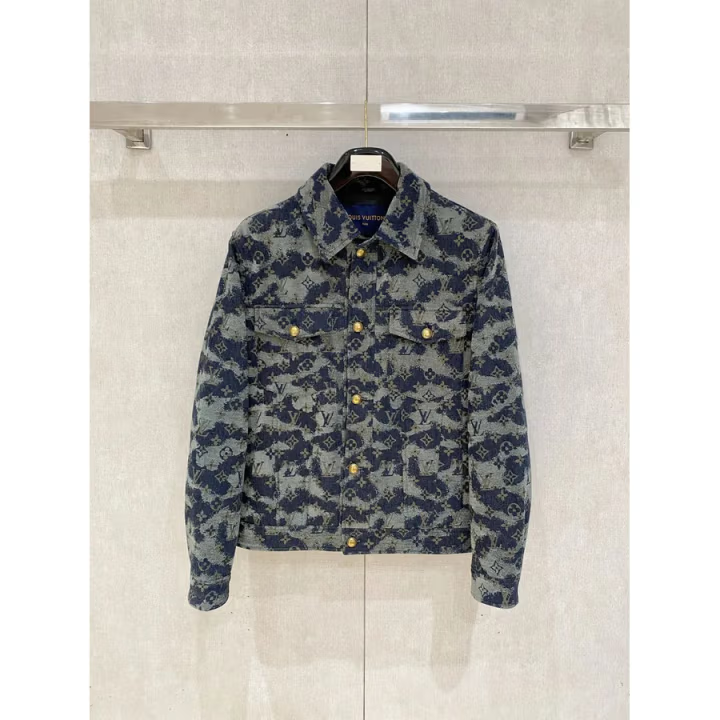
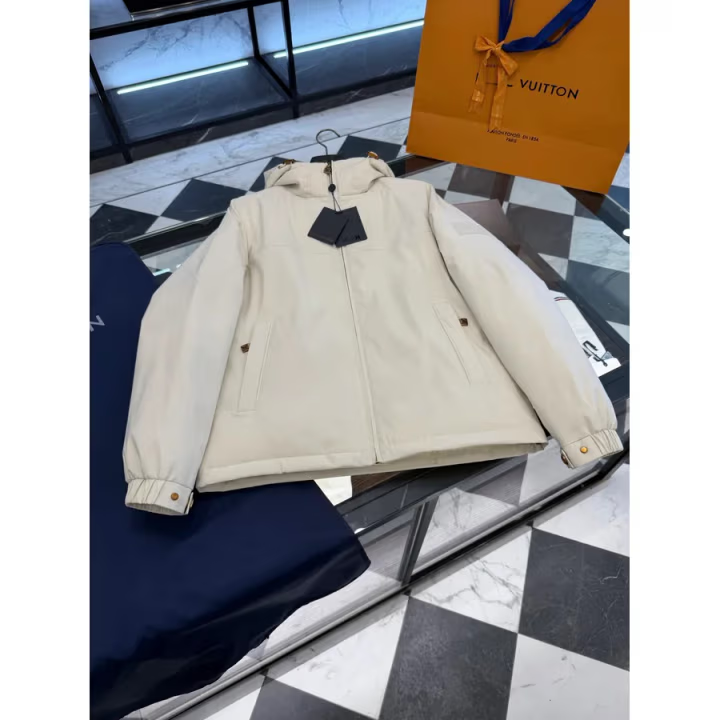
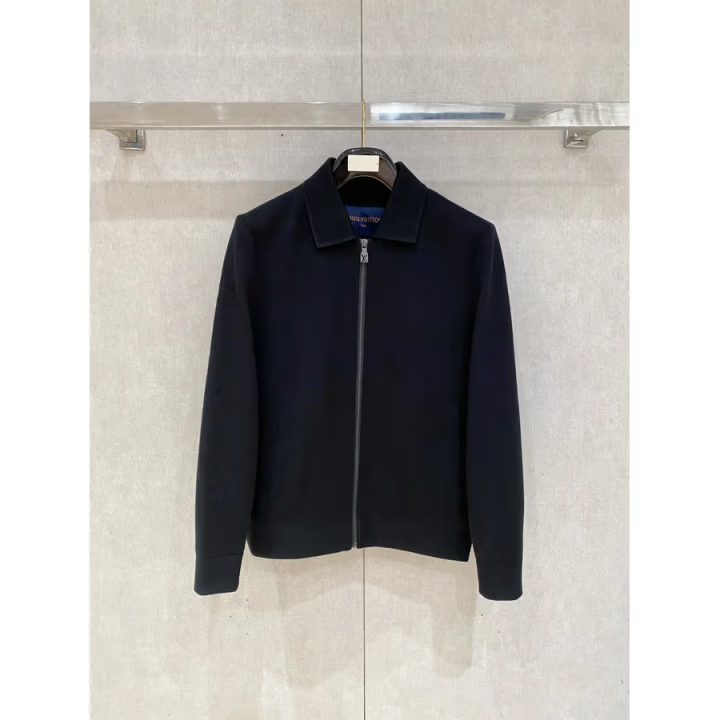
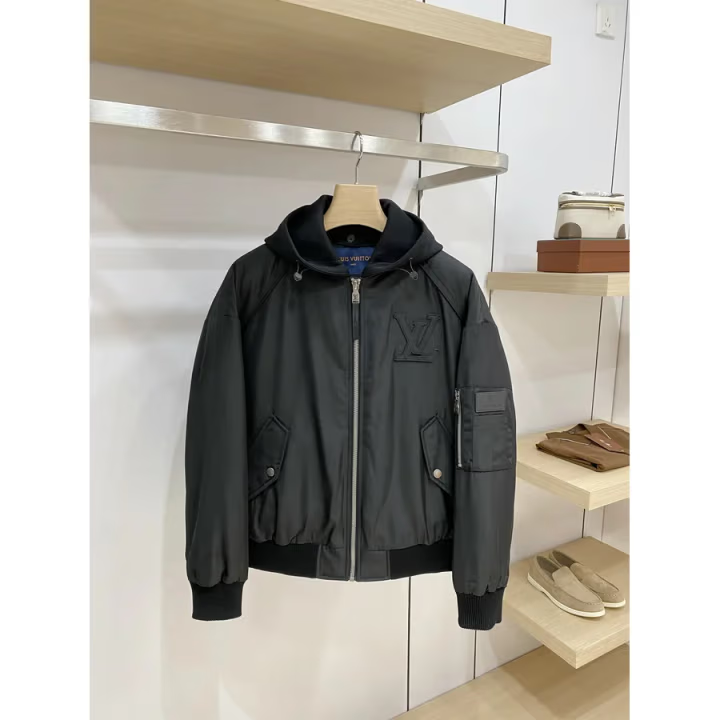
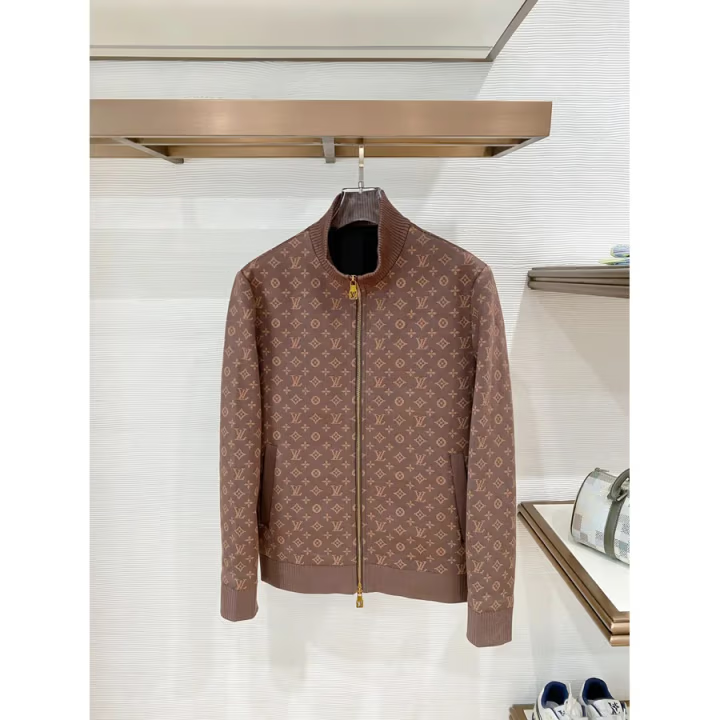
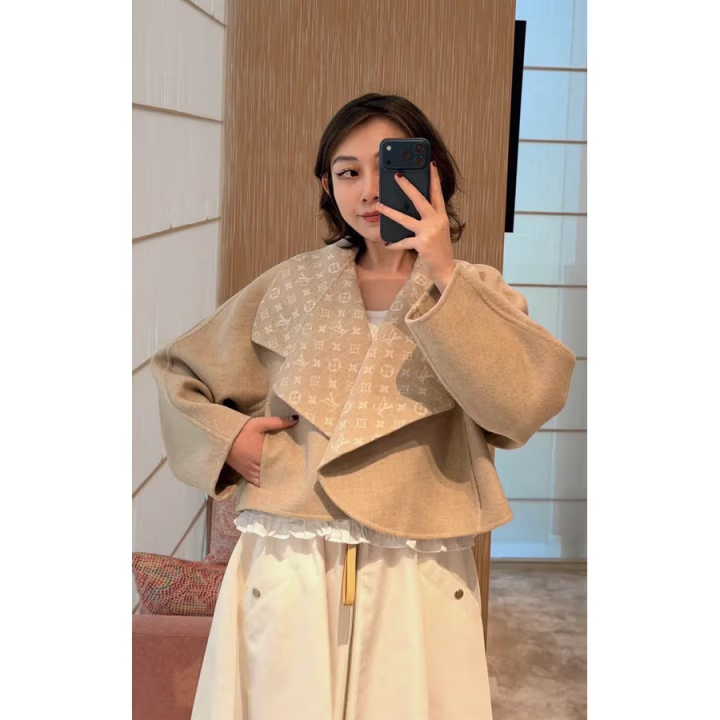
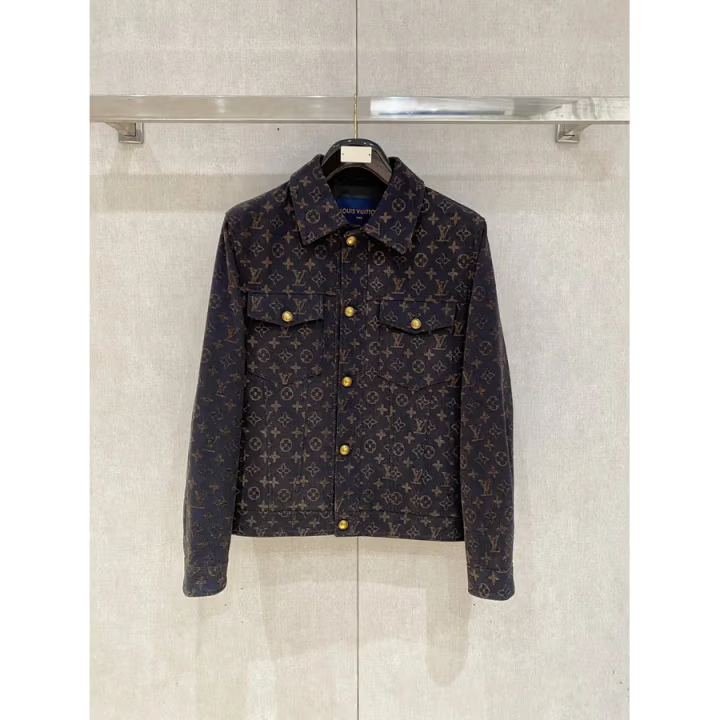
Louis Vuitton publishes the measurements of a finished jacket against one named size, commonly size 48, while offering that jacket in several adjacent sizes. The row is valuable because the tape is placed by the house, but it is incomplete because the same row is never printed for every size. This creates a specific buying risk: two listings can both say size 48 and still describe a short blouson, a tailored hip-length jacket or an oversize coat. The 62 cm back length on the Monogram Admiral Jacket is close to the waist; the 125 cm figure on the Puffy Coat reaches far lower. Those are separate designs, not evidence that one is mislabelled. Start with the silhouette, then use the size 48 row to compare proportions.
Shoulder, waist and sleeve are different measurements
The house's men's tops chart describes the body block, while the product row describes the jacket itself. At size 48 the body chart gives a 46.5 cm shoulder and a 98.5 cm chest. The Double Layer Jacket is published at 49 cm across the shoulder and 121 cm around the waist. Neither number cancels the other: one tells you who the block was designed for and the other shows how much garment surrounds that body. Sleeve figures need the same care because some product pages include the shoulder in the sleeve number. A 66.3 cm outside sleeve and a 93.5 cm sleeve including the shoulder are not comparable values, even when both appear under the same 48 label.
Denim, leather, nylon and quilting change the decision
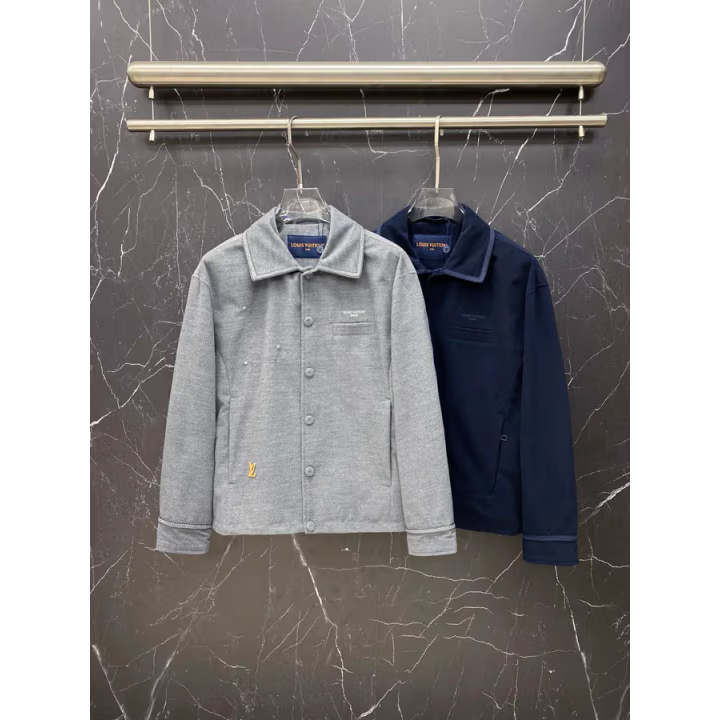
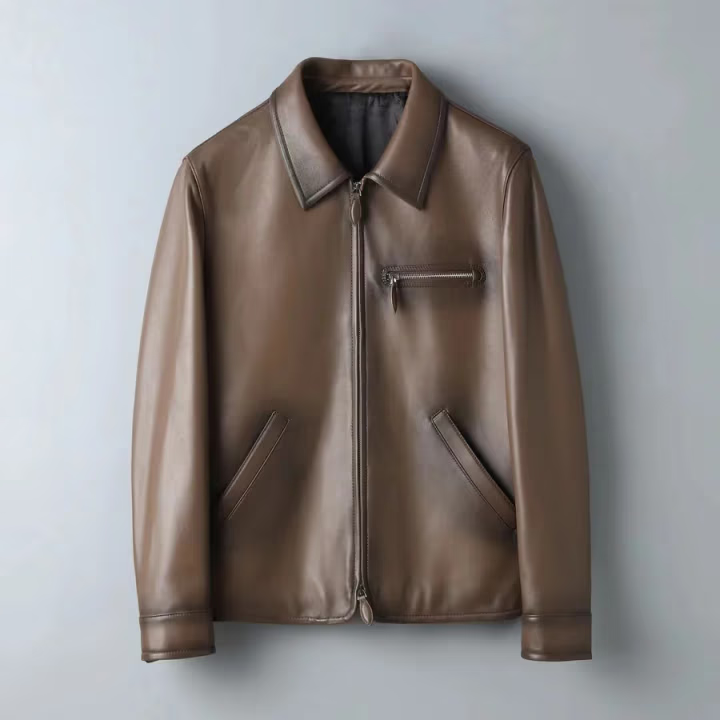
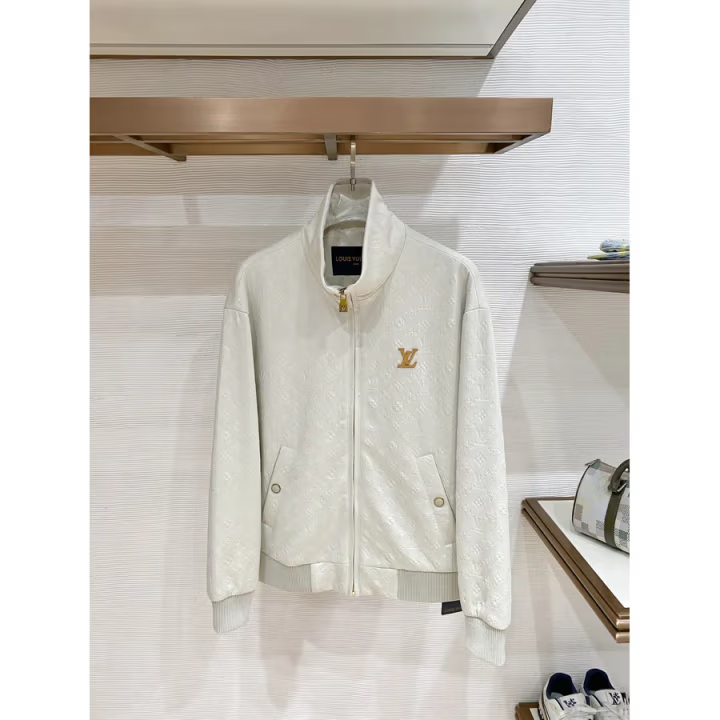
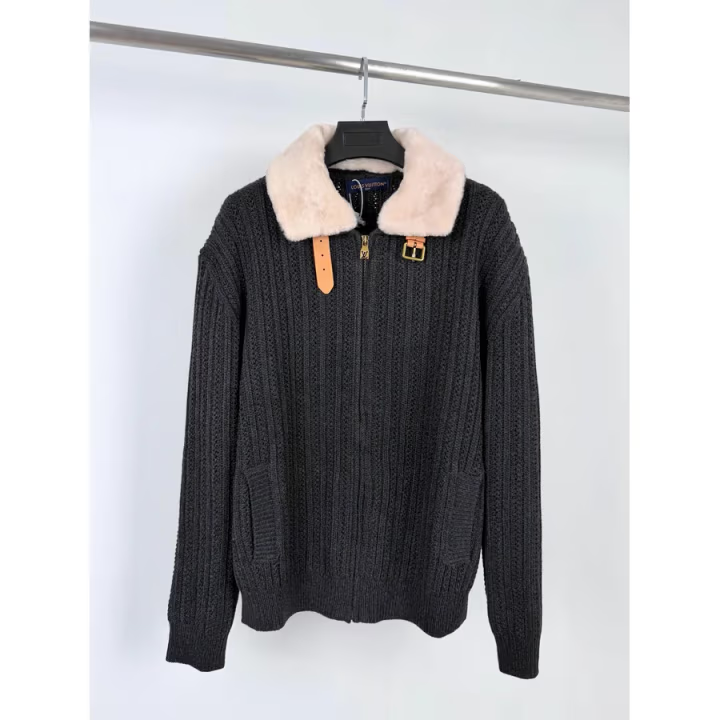
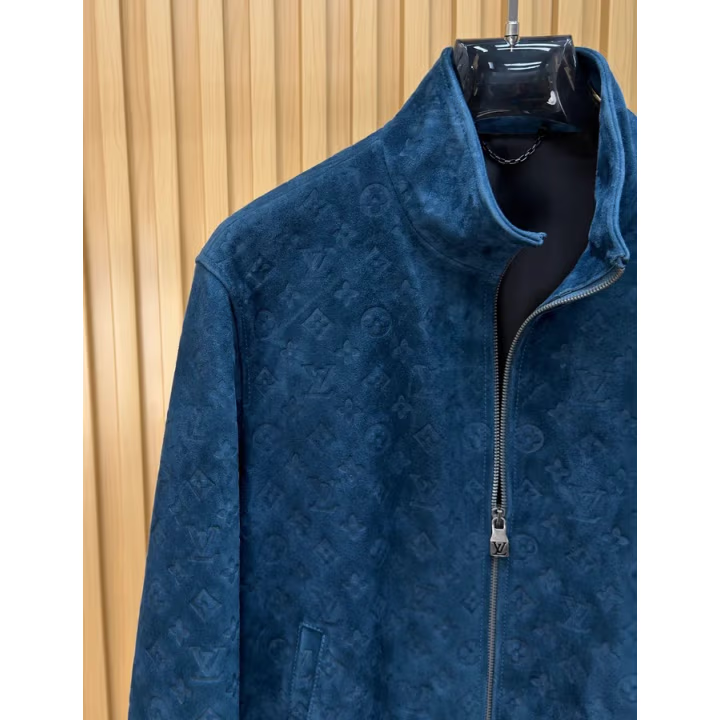
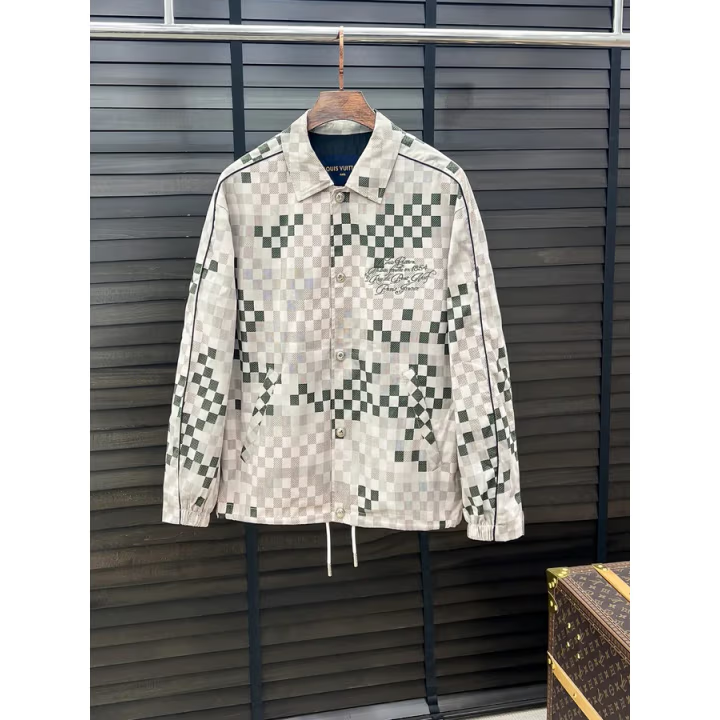
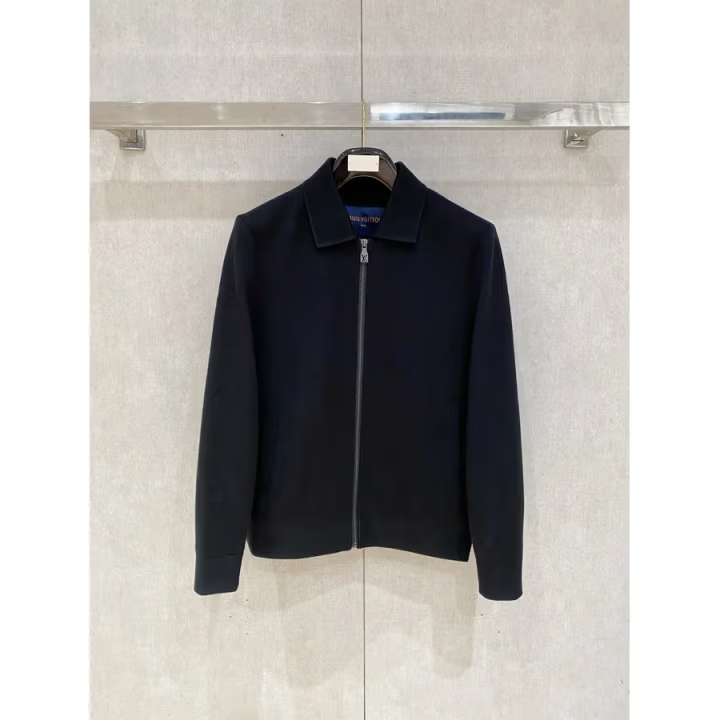
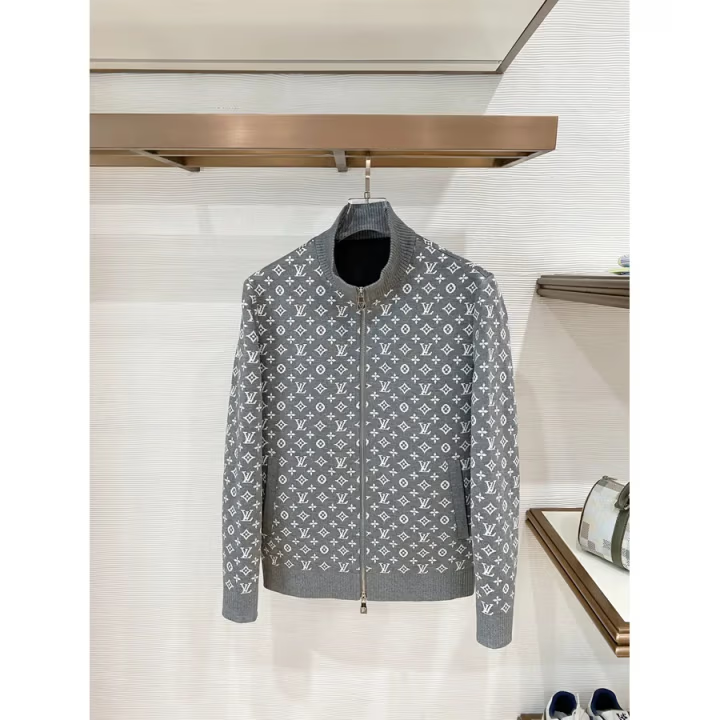
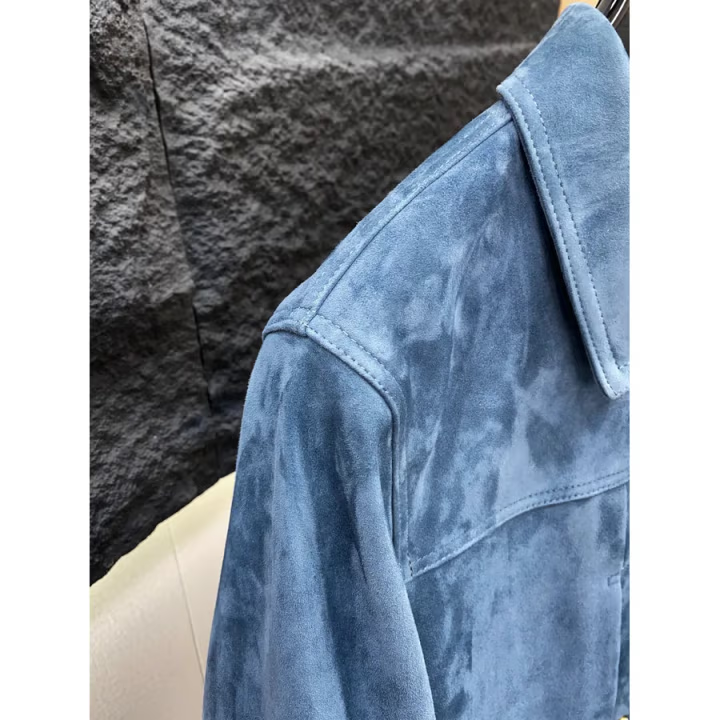
Denim tends to hold a crisp line and adds firmness through the body; leather can be heavier and less forgiving over the upper back; nylon compresses and moves more easily but can sound or feel looser without underlayers; velvet, quilted leather and padded nylon add surface and volume. Those differences are visible in the catalogue set, where several jacket constructions appear in the same broad family. They do not supply official measurements of their own. Instead they tell you what to ask next. For a leather jacket, record the pit-to-pit measure and check whether the shoulders are padded. For a padded jacket, flatten the garment carefully and measure the outer shell rather than assuming the quilt channels can compress.
The jacket request that produces a comparable answer
Lay a jacket that fits you flat and record five figures: shoulder seam to shoulder seam, underarm to underarm and doubled, centre-back length from collar seam to hem, sleeve length with its start point named, and the waist or hem width. Add the fit word printed for the exact Louis Vuitton piece. If you already own a 48 jacket, measure it rather than quoting only the label, because that is the only way to identify whether the new piece adds width, length or both. A photograph taken straight from the front and another from the back make the outline visible; a tape settles what the outline cannot.