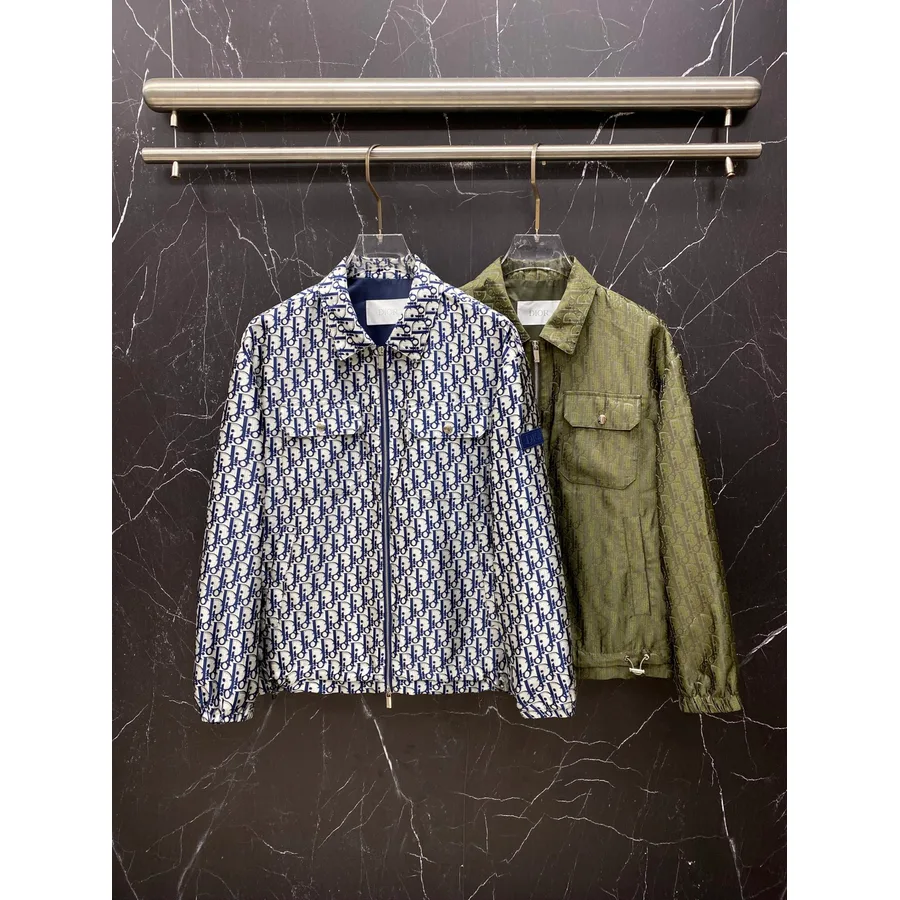
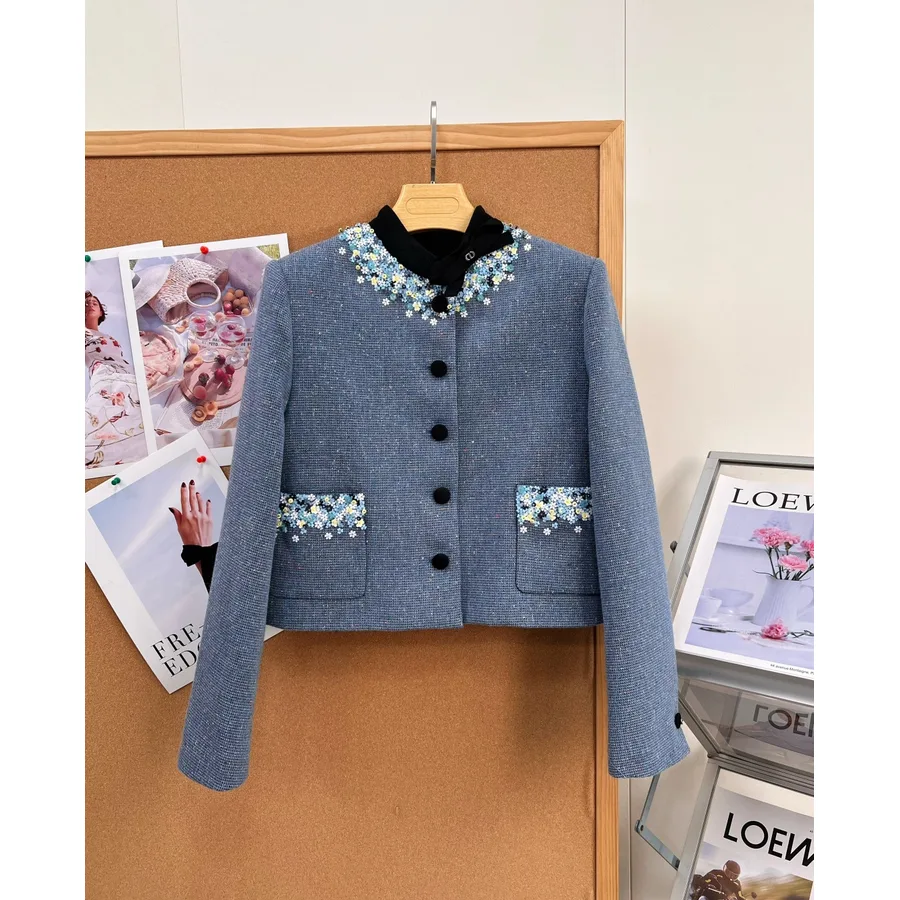


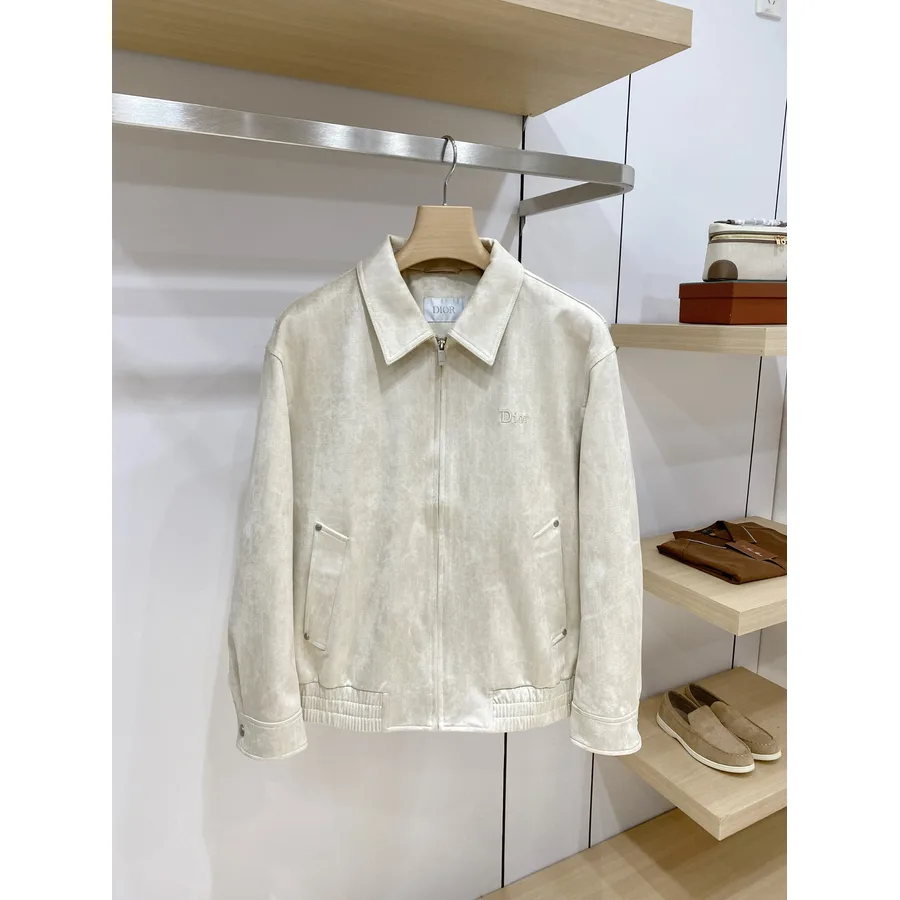
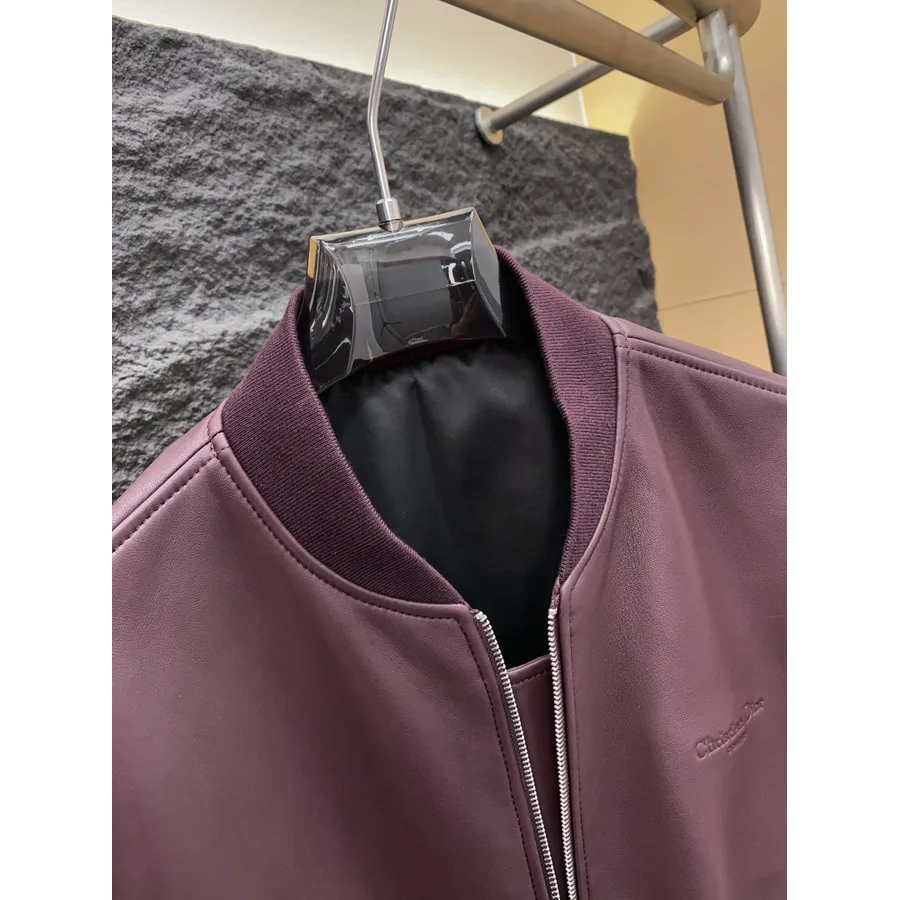
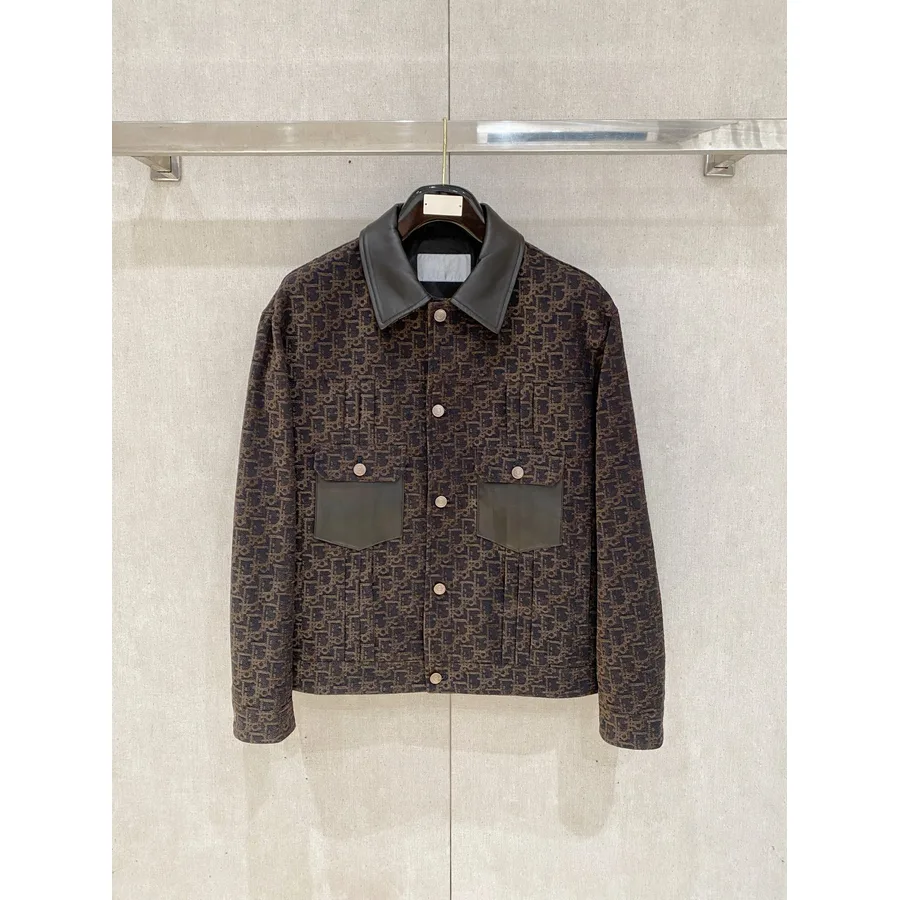
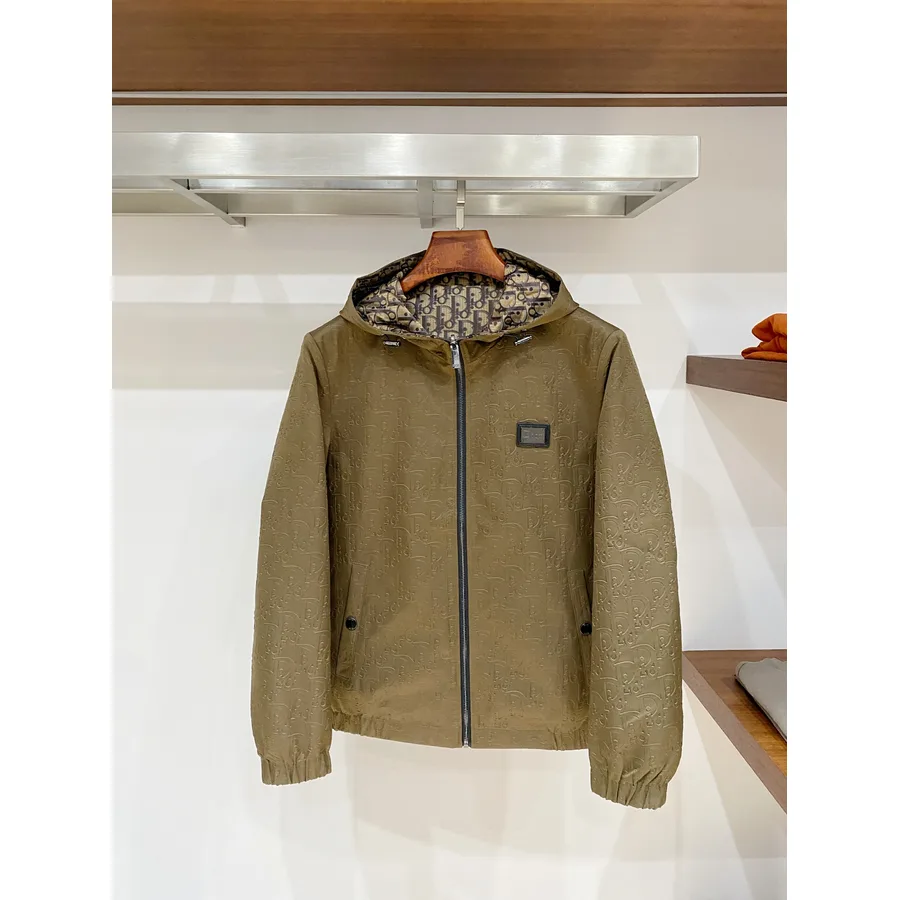
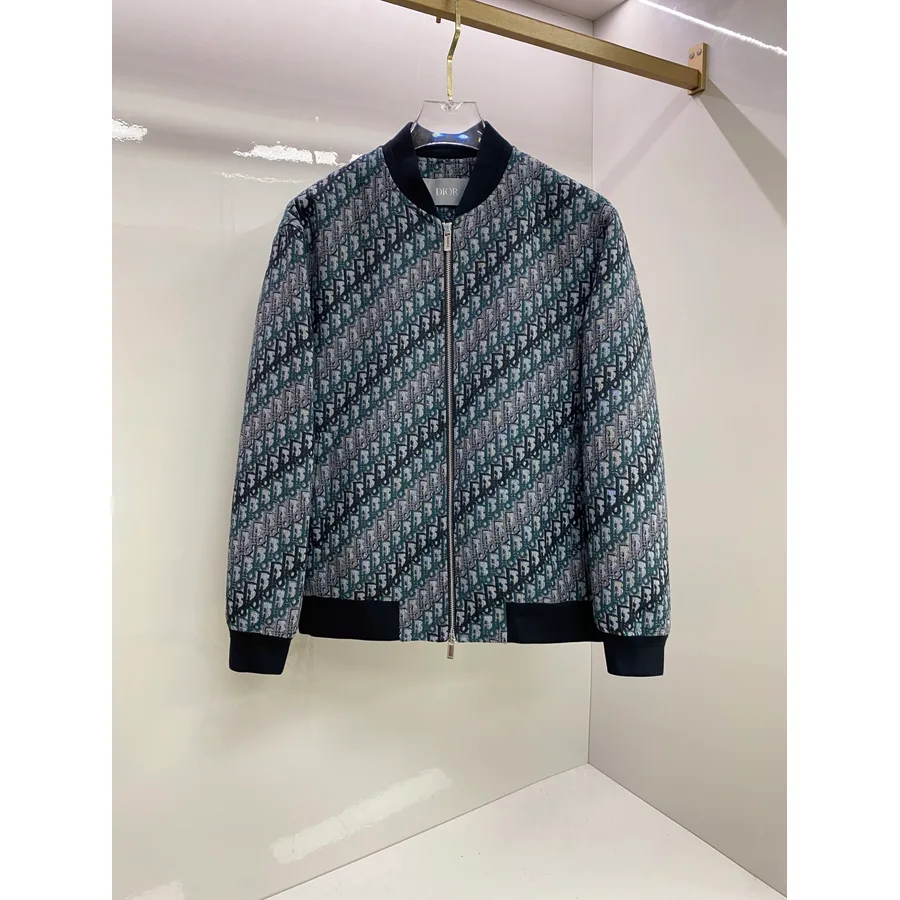
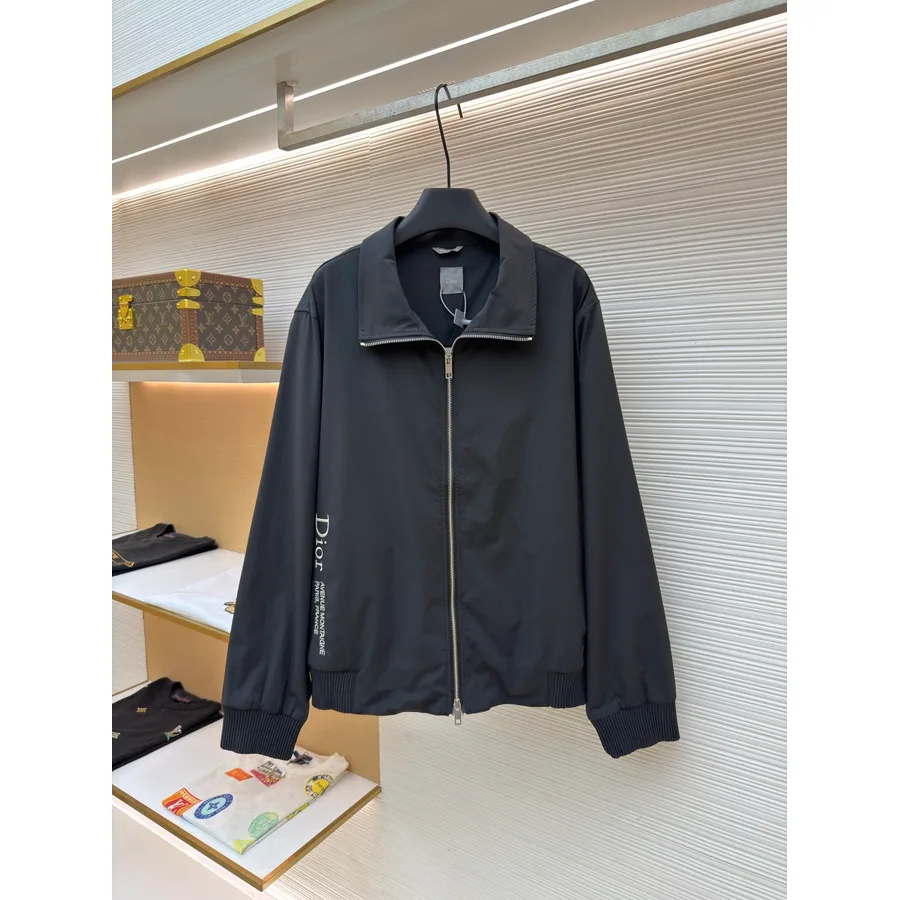
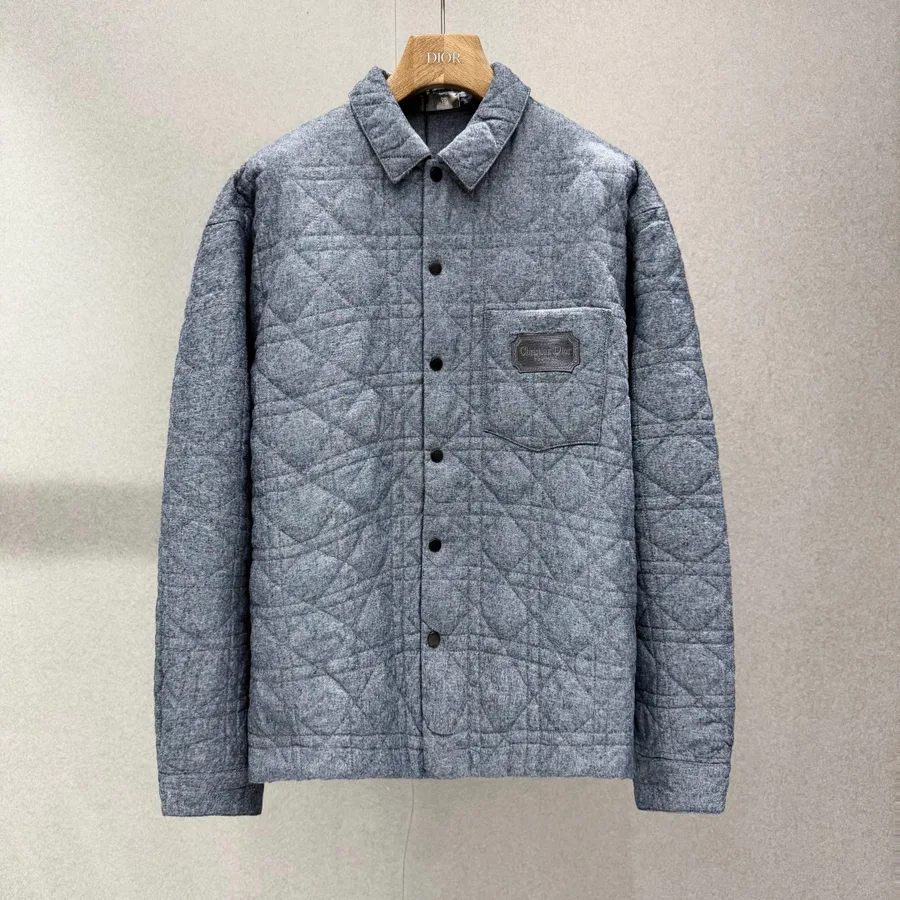
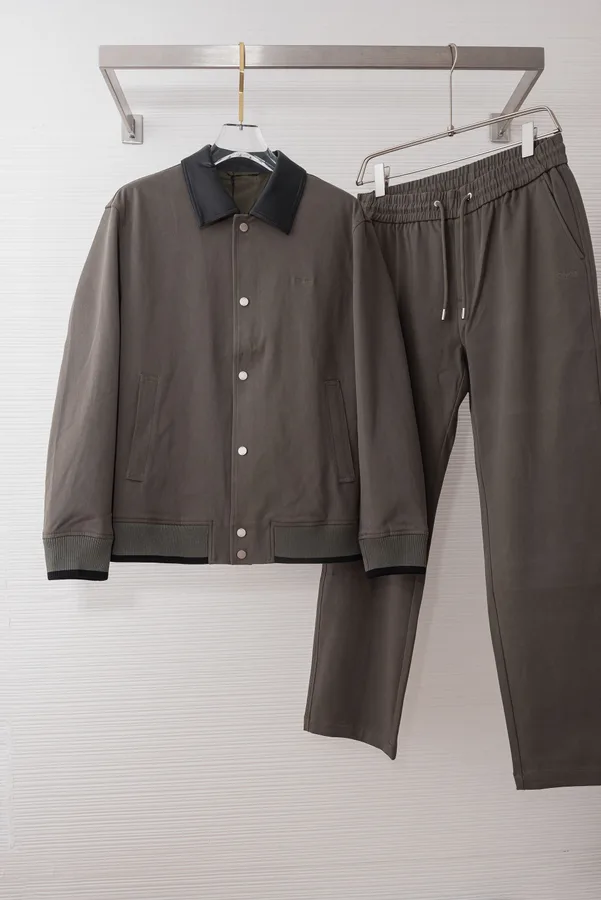
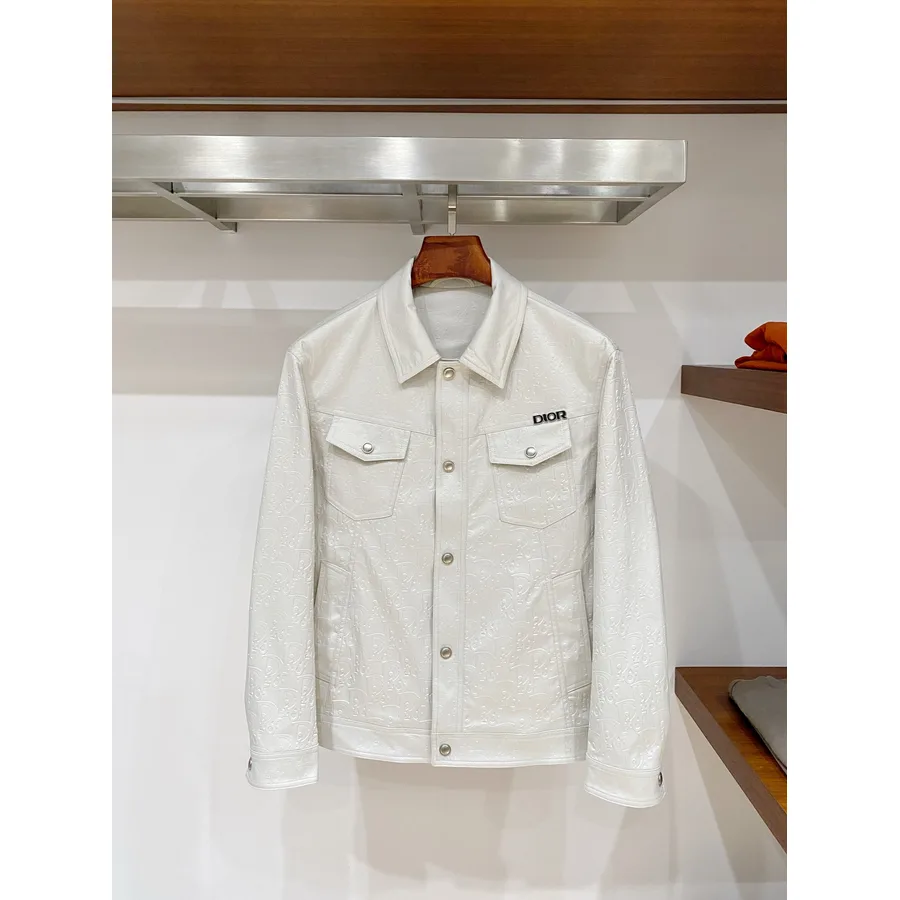
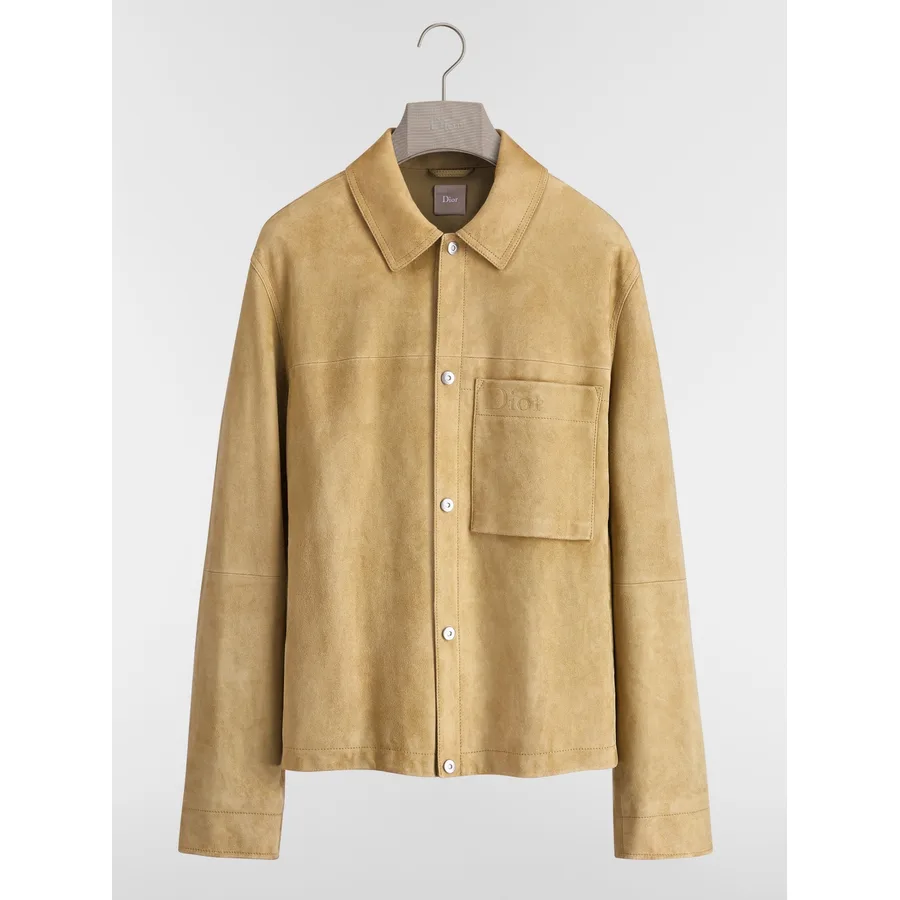
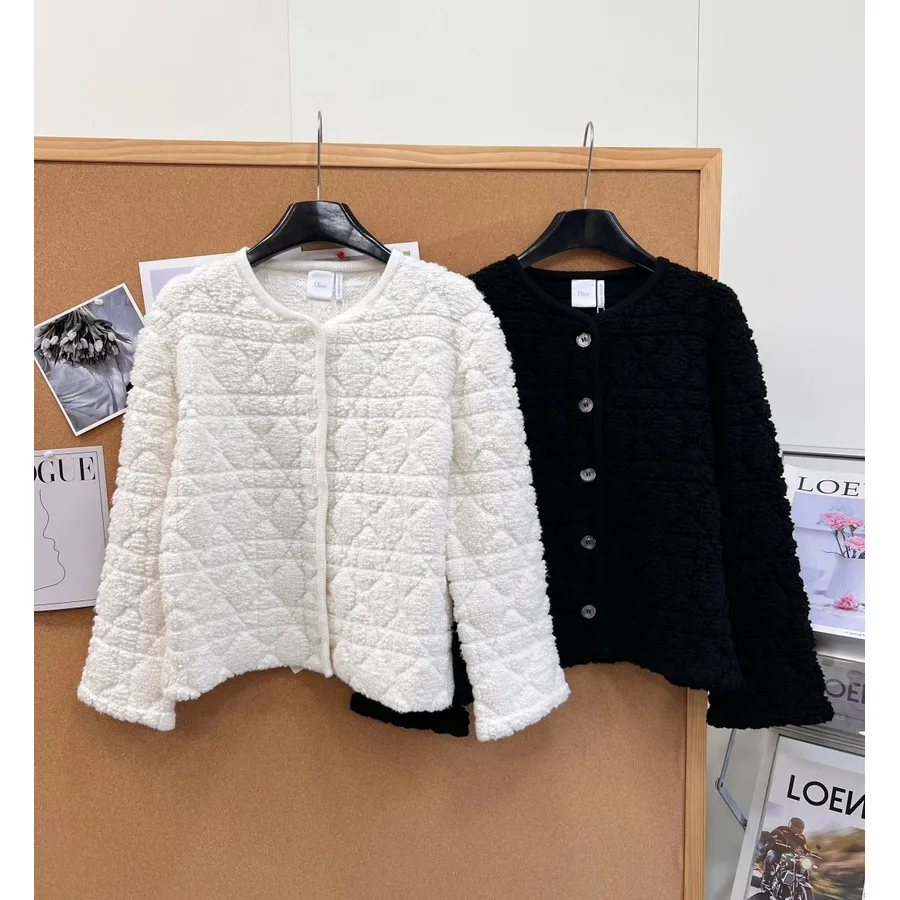
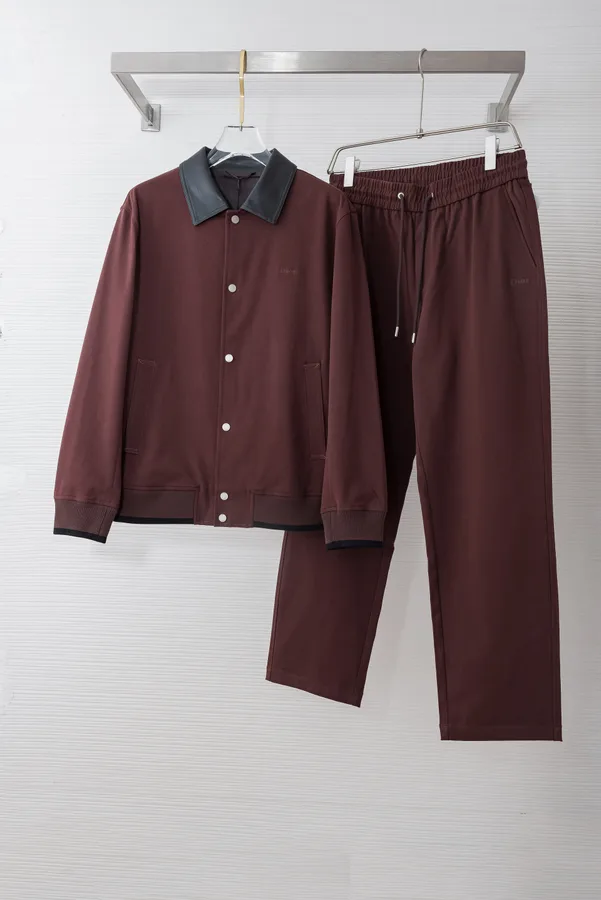
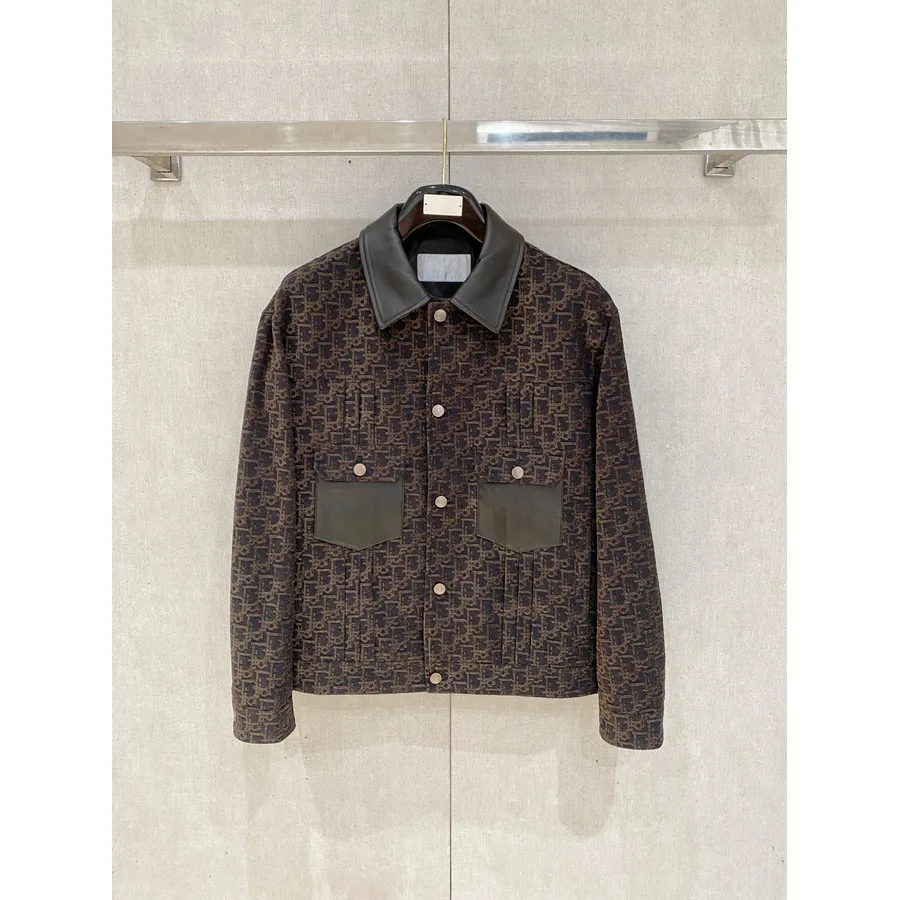
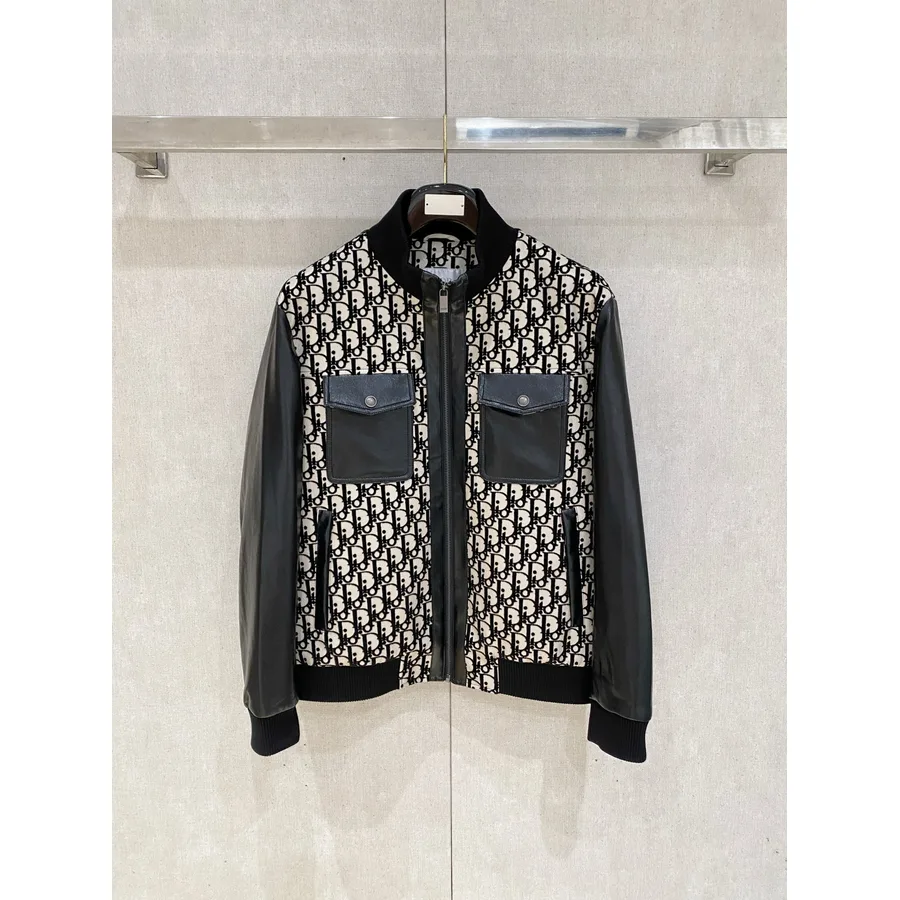
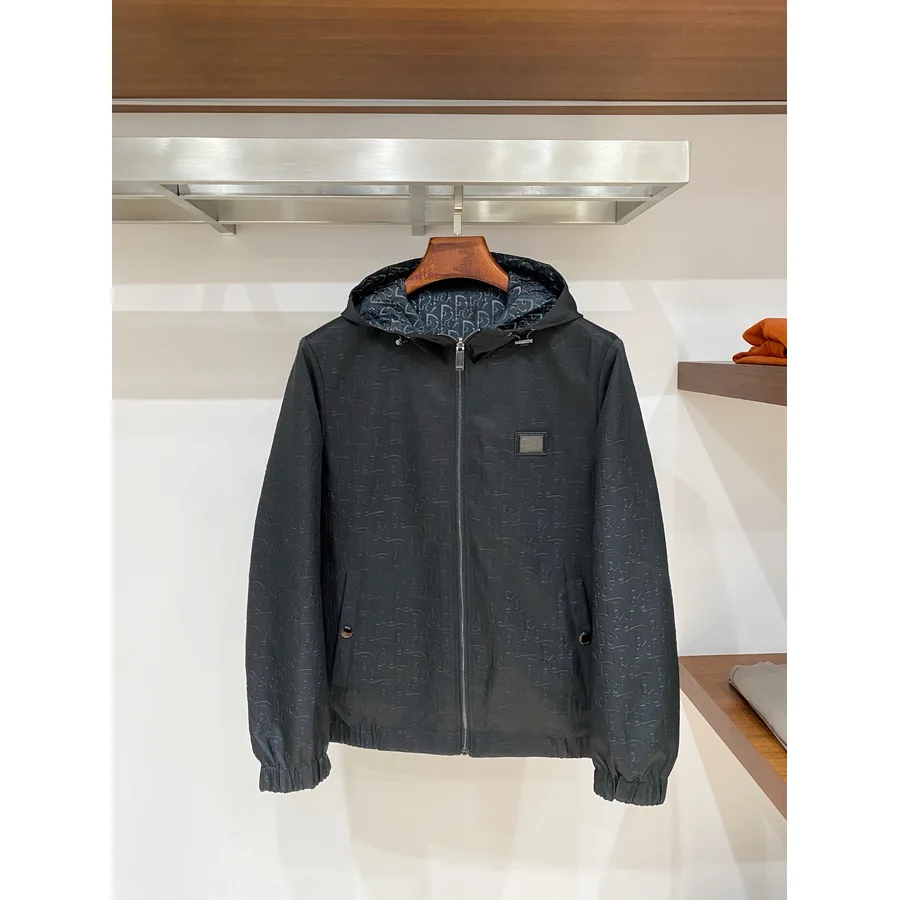
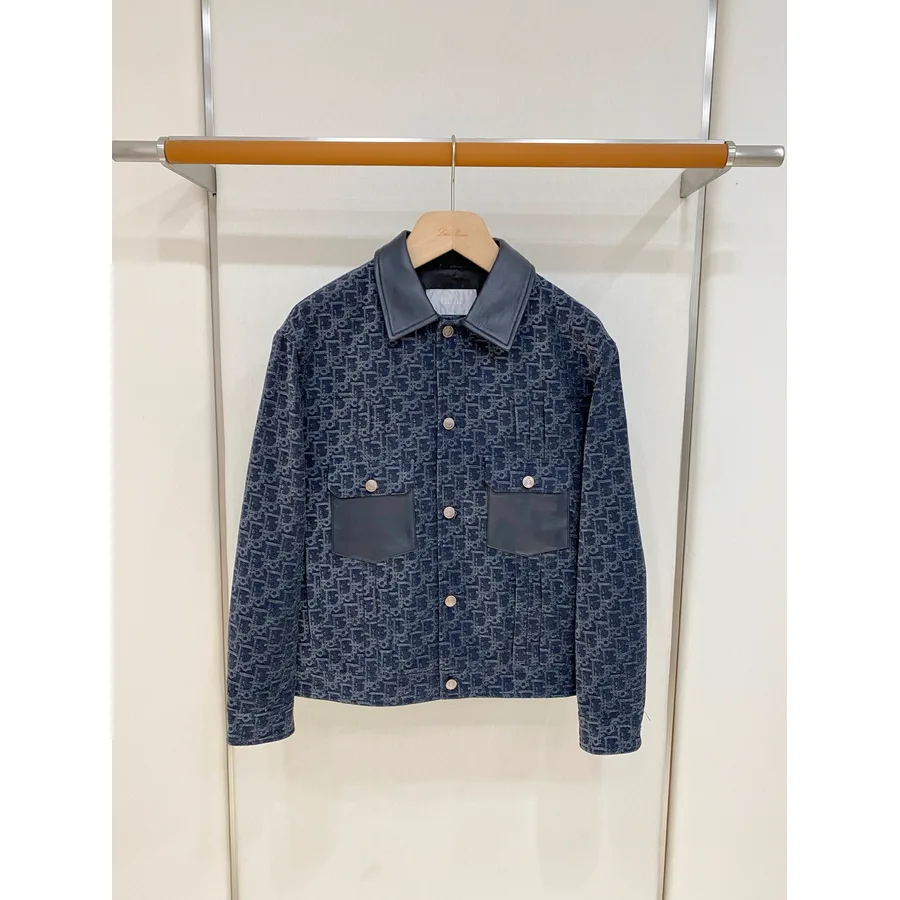
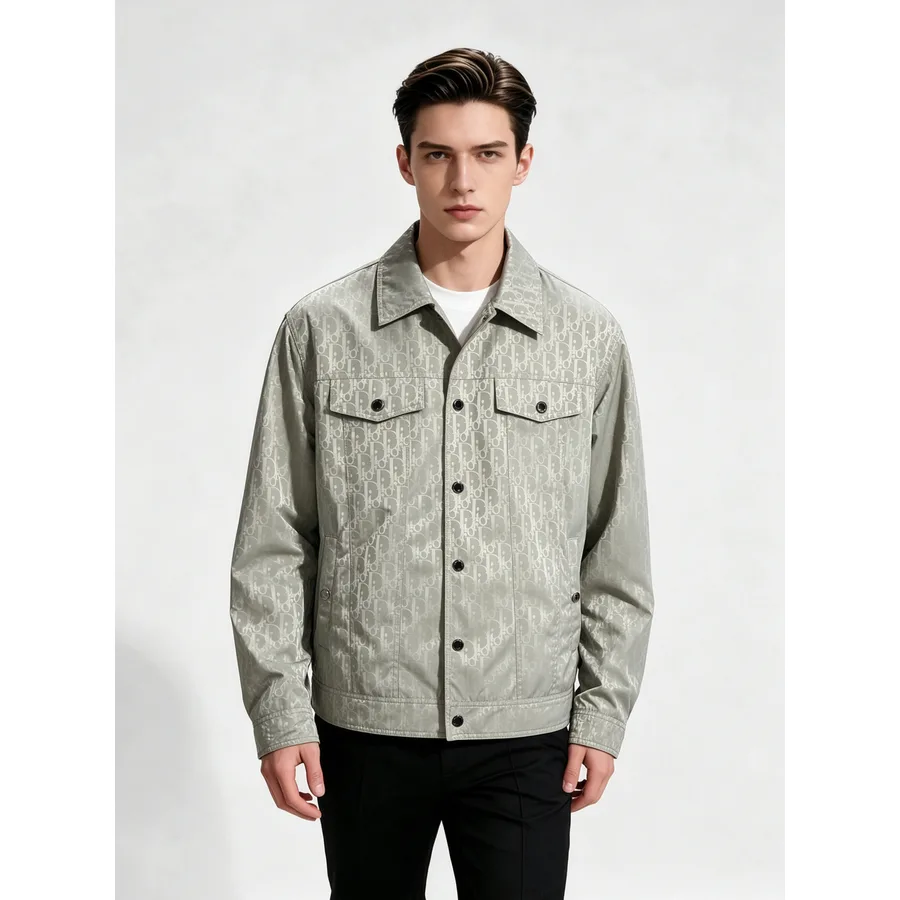
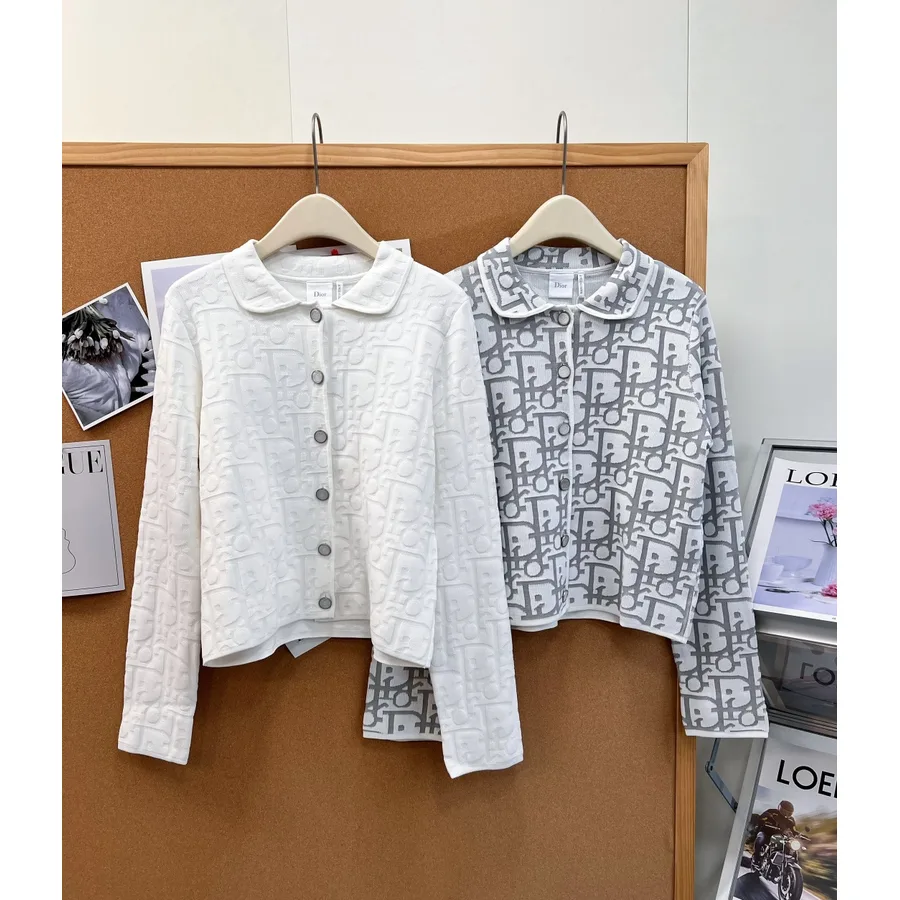
The Bar jacket's finished measurements grow by clear steps
The 30 Montaigne Bar jacket is published from FR 34 to 48. At FR 34 the garment measures 34 cm shoulder to shoulder, 78 cm chest, 59 cm outside sleeve and 61 cm length. At FR 38 it is 36 cm shoulder, 86 cm chest, 61 cm outside sleeve and 63 cm length. The chest grows four centimetres per size while the shoulder grows one, which explains why moving up adds room through the body faster than across the shoulders. The page describes a fitted silhouette and recommends ordering a size larger for a more comfortable fit. That is a fit instruction for this jacket, not a rule for every Dior outerwear piece.
Shoulder and chest answer different questions
The shoulder-to-shoulder figure describes the width of the finished garment across the upper back. A size that matches the chest can still be narrow at the shoulder, and vice versa. For the Bar jacket, the one-centimetre shoulder increment means two adjacent sizes do not move the shoulder point far. The four-centimetre chest increment is the larger change. If the smaller size pulls across the back, the next size may solve it without making the shoulder substantially wider. If the shoulder is already past your natural point, moving up can make the sleeve sit lower even when the chest is correct.
Garment length will not follow the size at the same rate
The published Bar jacket length rises from 61 cm at FR 34 to 68 cm at FR 48. That 7 cm spread across eight sizes is much smaller than the 28 cm chest spread. The length is therefore a design decision, not a proportional scale. A shorter wearer choosing for the shoulder may receive a jacket with more length than expected; a taller wearer choosing for length may find the chest too large. Compare the finished length with a jacket that ends where you want it to, then choose the row whose shoulder and chest are closest. Altering the waist is more practical than trying to correct both ends at once.
Puffer sizing needs fill volume in the calculation
A cropped reversible puffer is a different block from the Bar jacket. One published Dior puffer in XS has a 45 cm shoulder, 116 cm chest and 49 cm garment length. The chest is deliberately far larger than the body because the fill and intended layering need volume. Comparing 116 cm with a fitted jacket chest will suggest the wrong size. For outerwear with fill, ask what layers the fit is designed for and compare the outer chest with the fullest garment you intend to wear underneath. The hem and cuff openings also matter because the puffer has more bulk than a lined wool jacket.
Sleeve length has two definitions on a Dior page
Dior product measurements can list outside and inside sleeve lengths separately. The outside measurement follows the shoulder-to-cuff line along the outside of the sleeve; the inside figure may describe the underarm seam or lining construction. They are not alternatives to pick by habit. Ask which measurement a seller used and how the sleeve was laid. On a jacket with a shaped elbow, flattening the sleeve can change the result. A close side photograph shows the elbow bend and cuff position, while a tape measurement by the published convention makes the comparison repeatable.
The Dior jacket decision
Start with the exact jacket type, then use the official FR row nearest your shoulder and chest. For the Bar jacket, expect a fitted waist and consider the house's advice to size up for comfort. For a puffer, account for fill and the layers beneath. Confirm shoulder, chest, sleeve and finished length on the specific reference. Each figure can vary by about 2 cm according to Dior's own note, so do not reject a piece over a millimetre. The table below gives the published Bar jacket row and a second puffer checkpoint so the two construction types are not conflated.