
The chart and the product row are different documents
Gucci labels its clothing chart as body measurements. At the centre of the men's range, M means IT 48 with a 47 cm shoulder and 98 cm chest. Those values describe the wearer the block is designed around. The product-details line on a specific jacket lists shoulder drop, flat chest, sleeve and length for one finished garment. A jacket's chest can therefore look much larger than 98 cm while still matching the intended body. Read the field label before comparing any two figures: body chest, flat chest and chest circumference call for different arithmetic.
Shoulder drop changes the outline
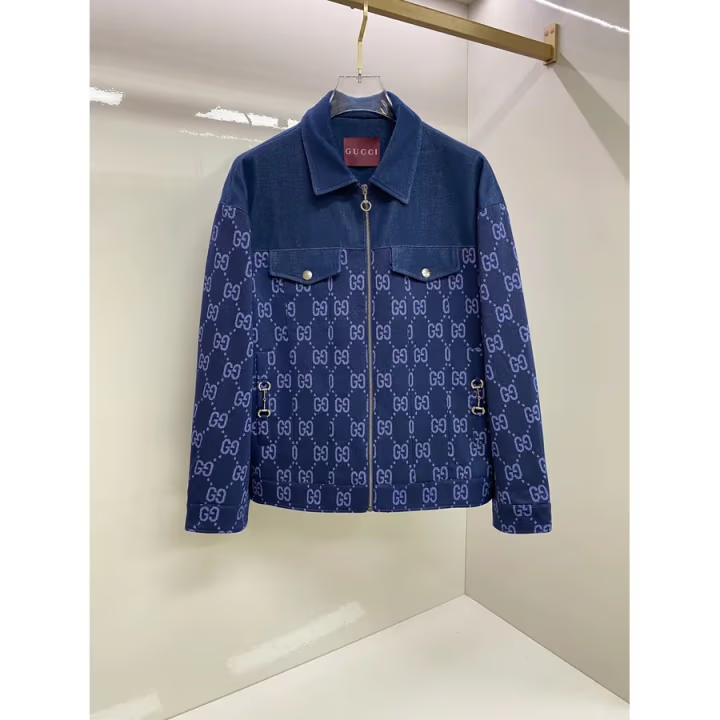
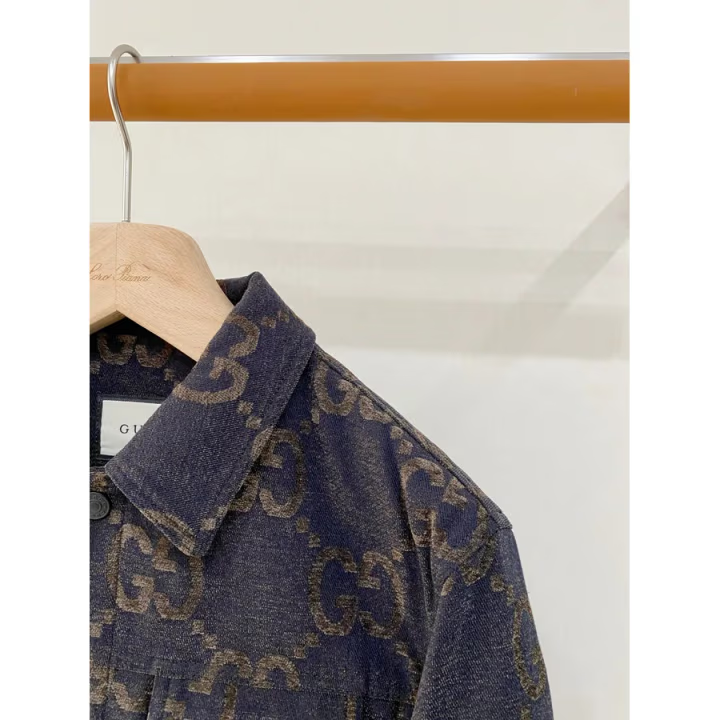
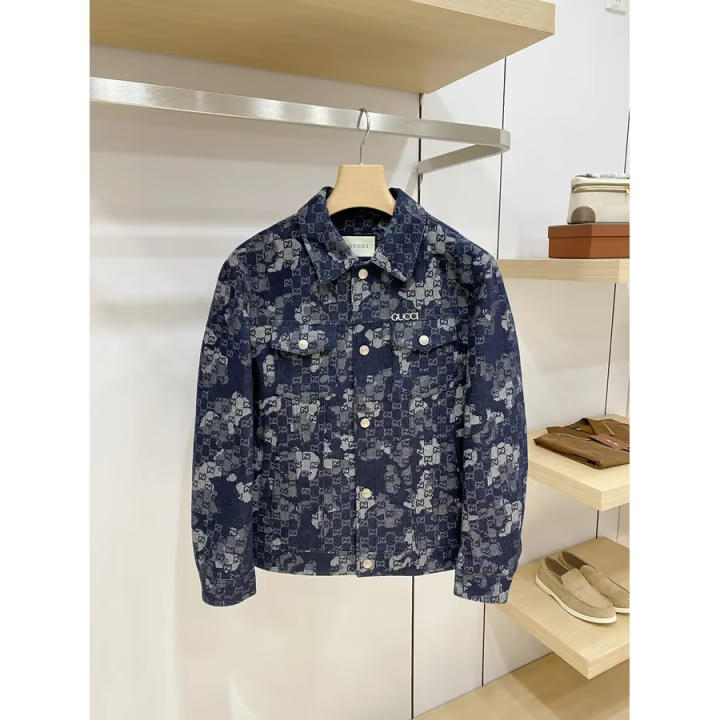
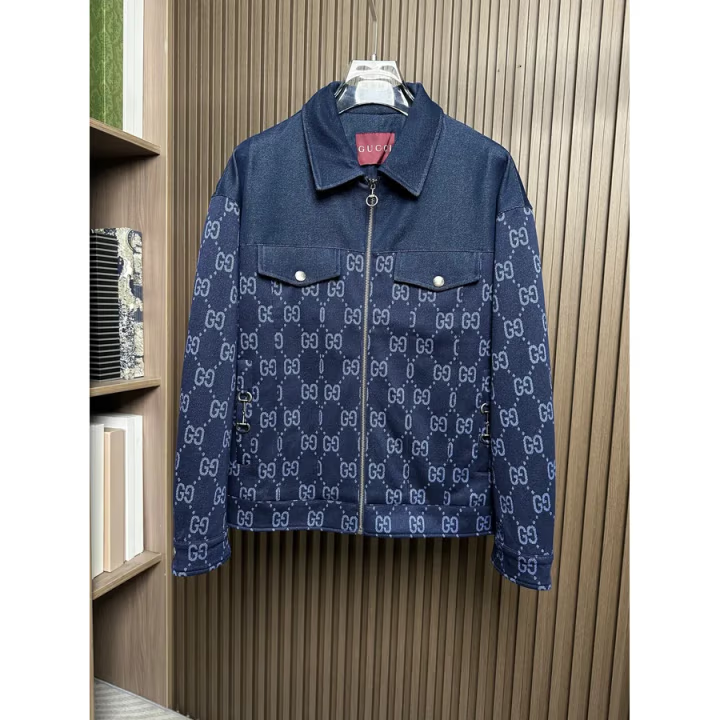
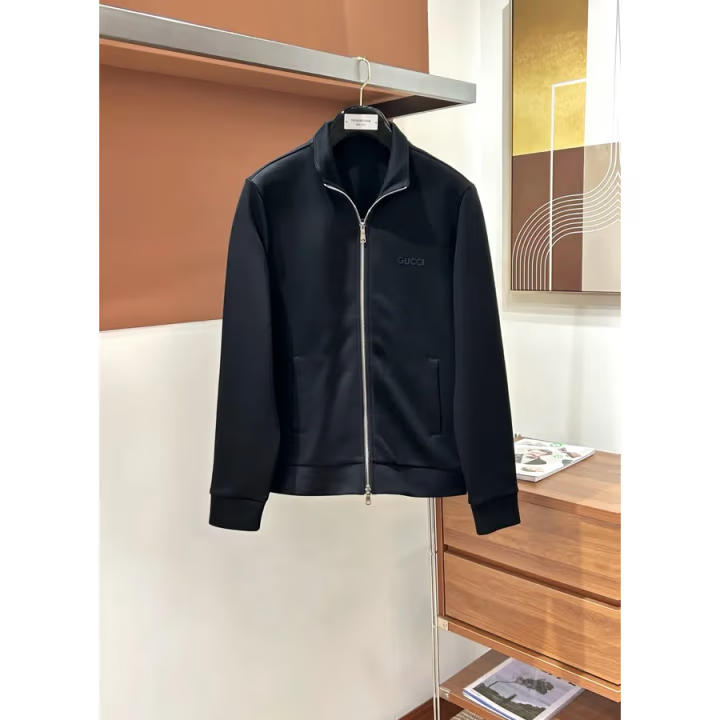
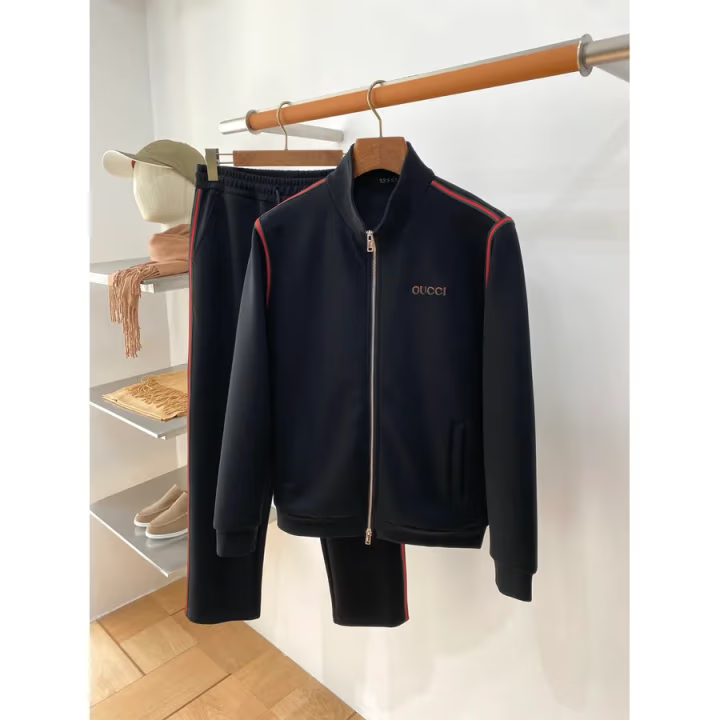
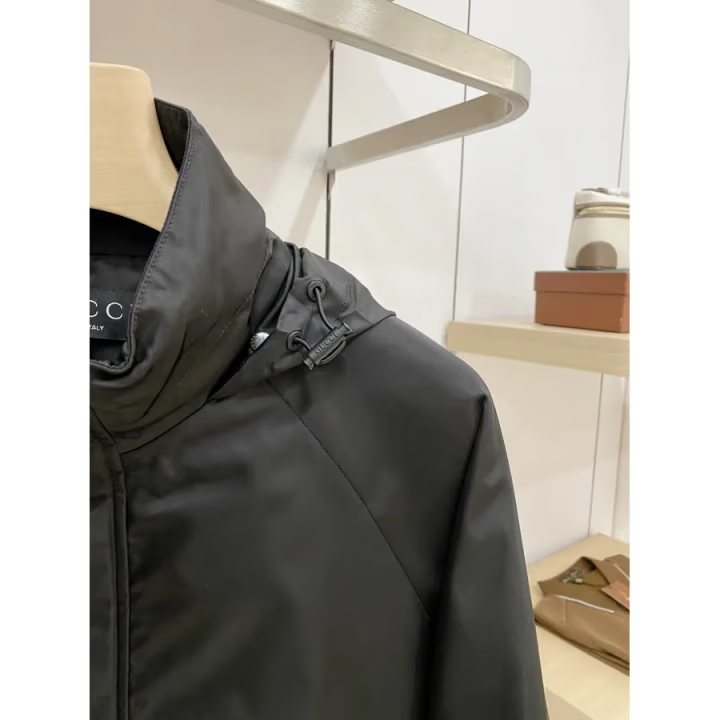
On a dropped-shoulder jacket, the seam sits outside the natural shoulder point. That intentionally adds visual width and changes where the sleeve begins. A shoulder-drop figure of 49 cm is not the same measurement as a body shoulder of 47 cm. One is garment construction and the other is a reference body. Compare the finished row with a jacket whose shoulder line already works for you. If the shoulder is padded, the outer width can also stand away from the body even when the chest is not restrictive. Check the inside shoulder construction from a close photo.
Denim, canvas, leather and quilting hold different lines
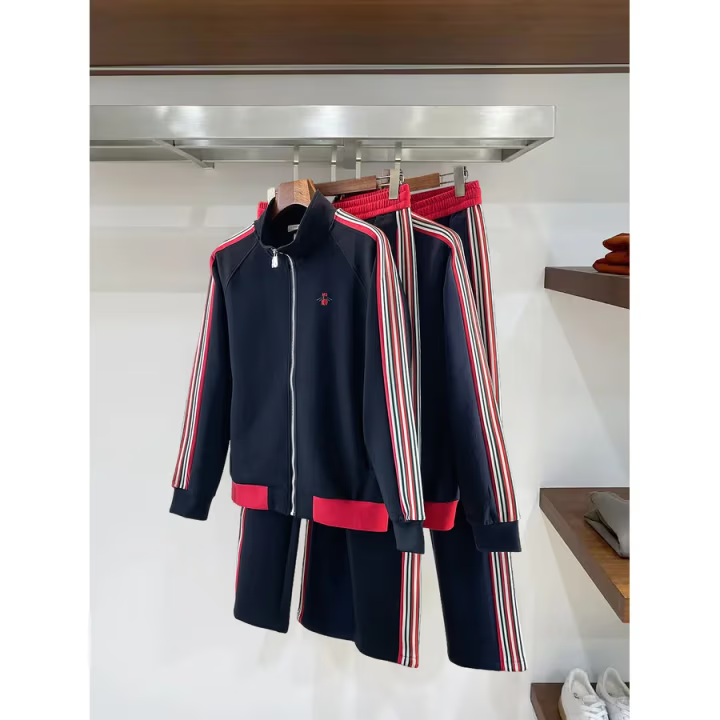
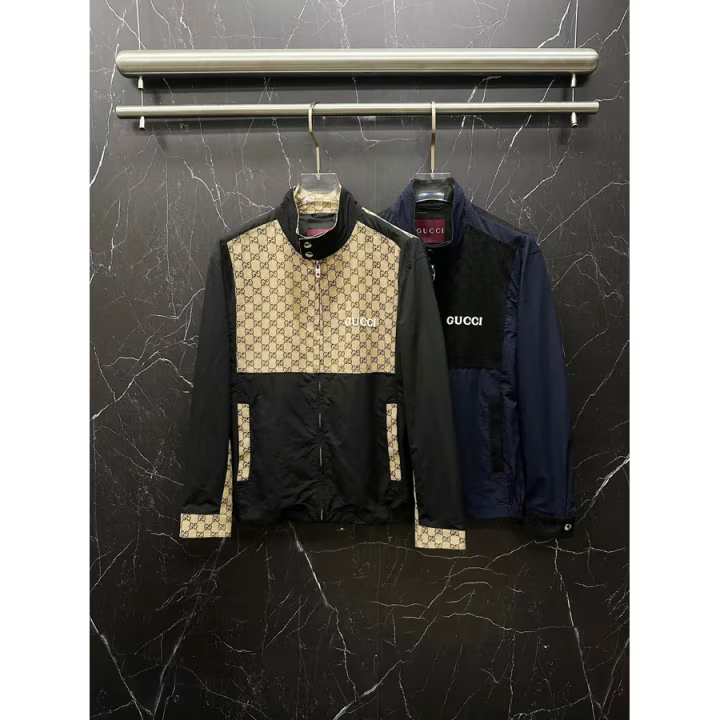
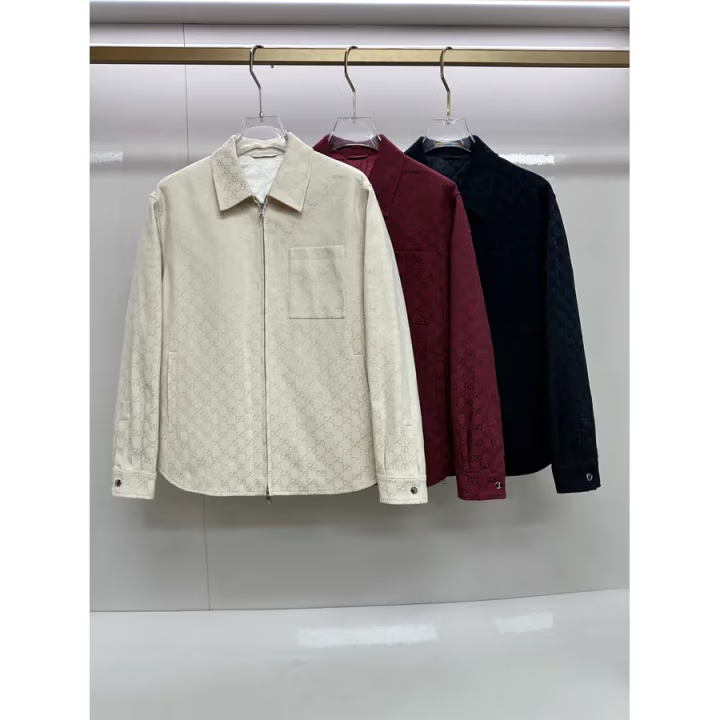
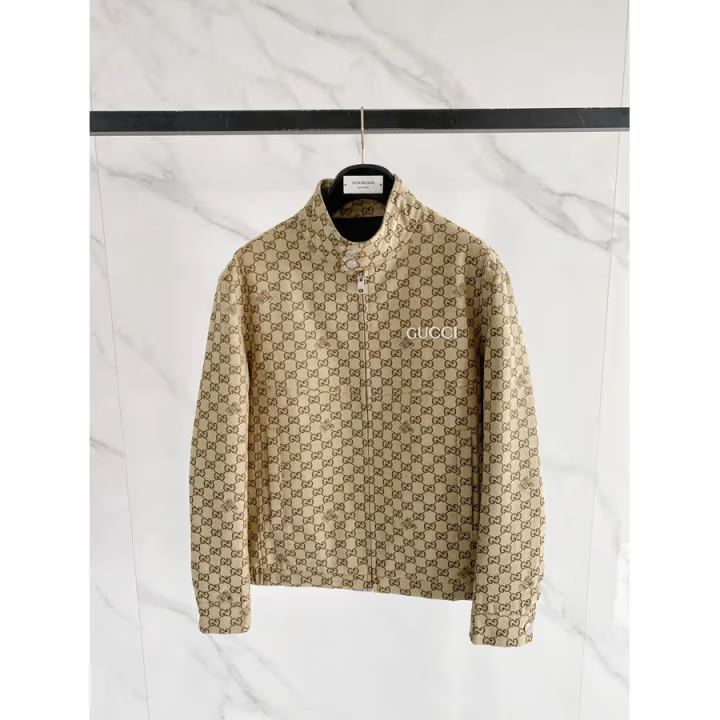
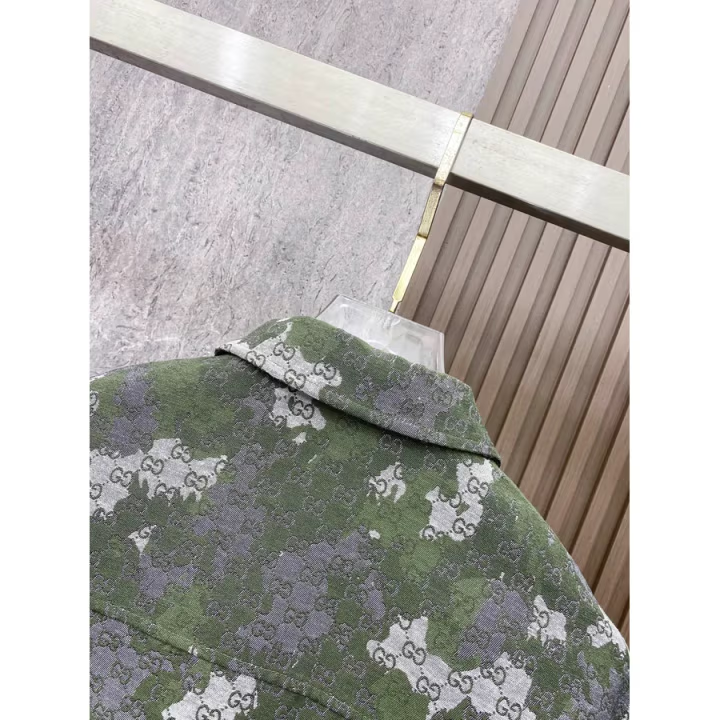
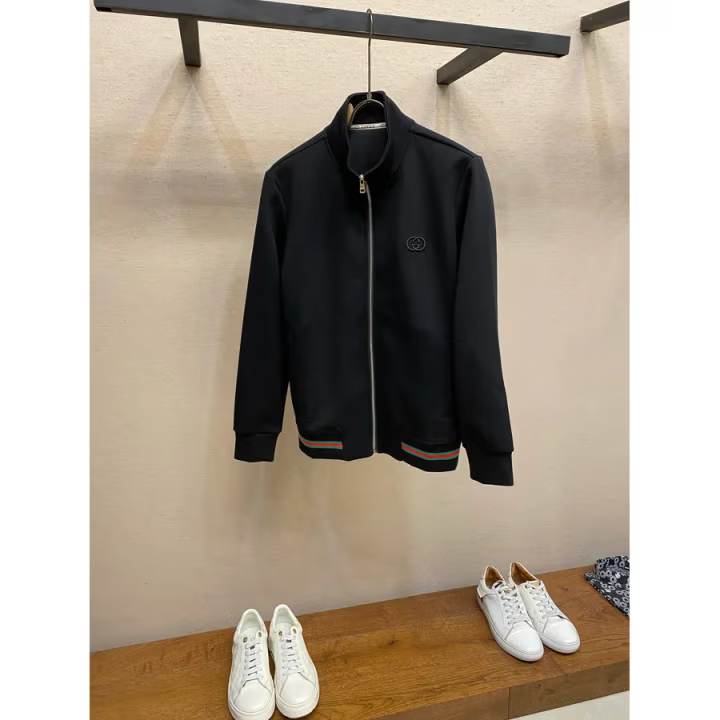
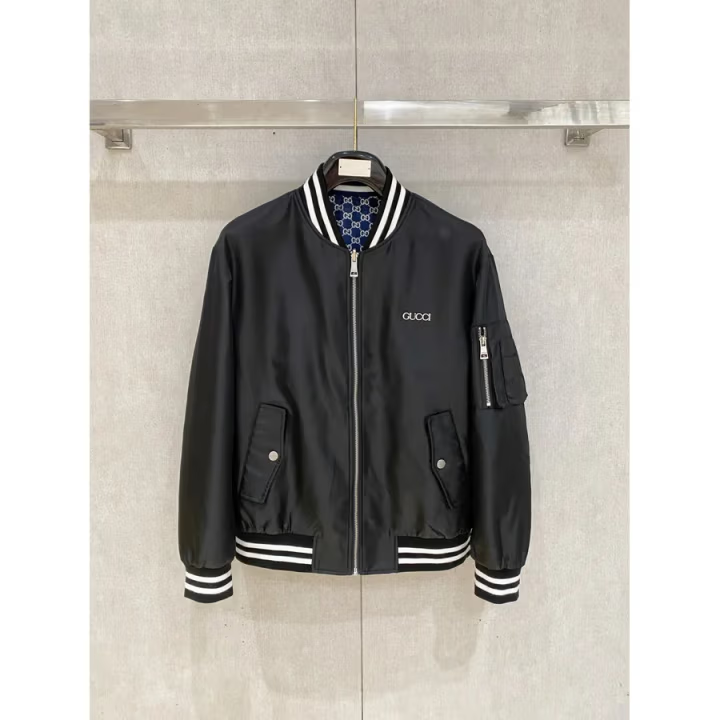
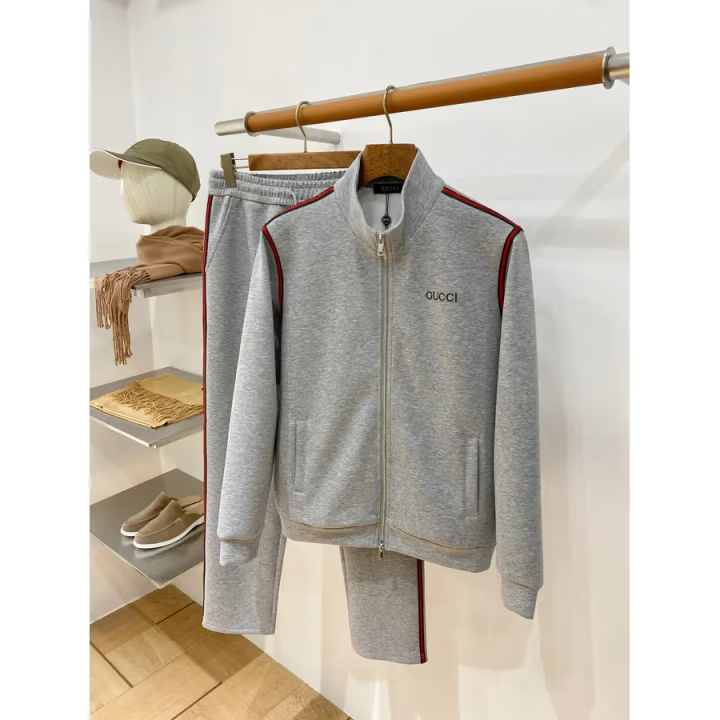
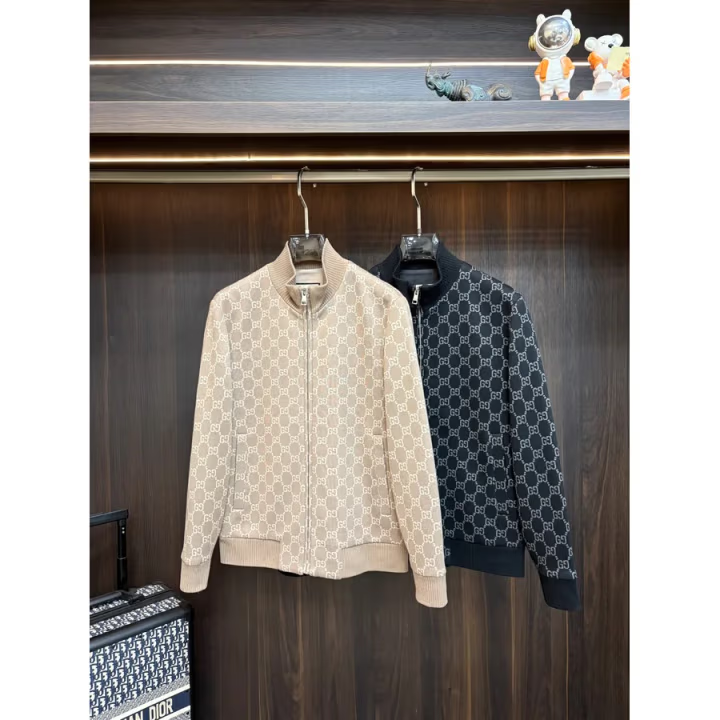
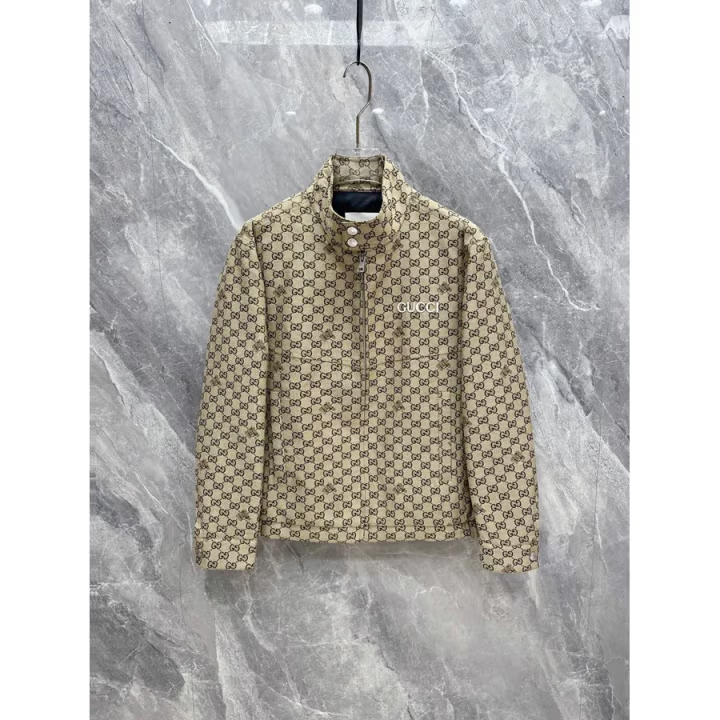
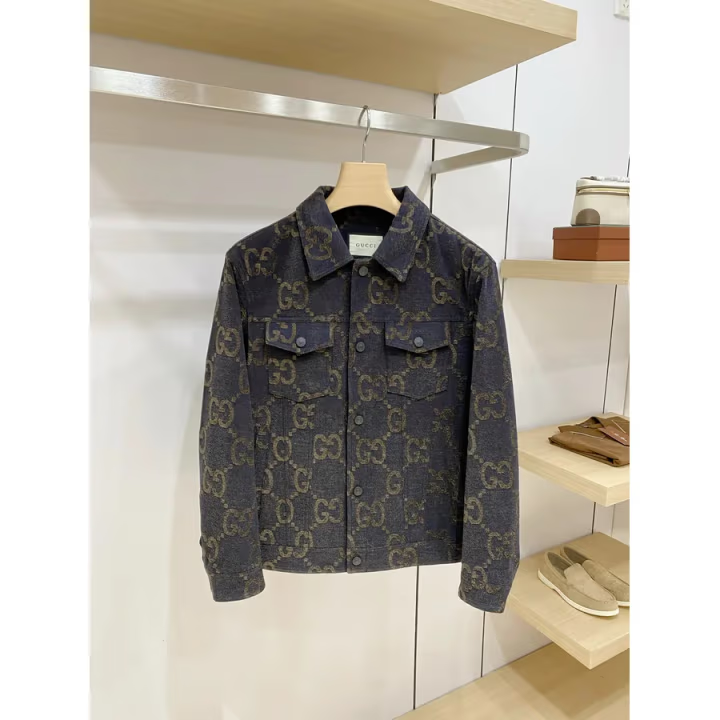
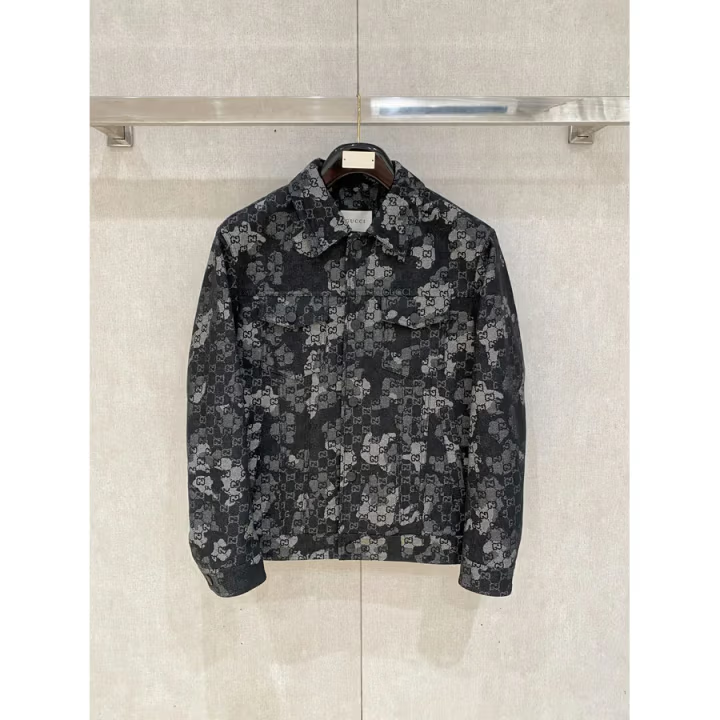
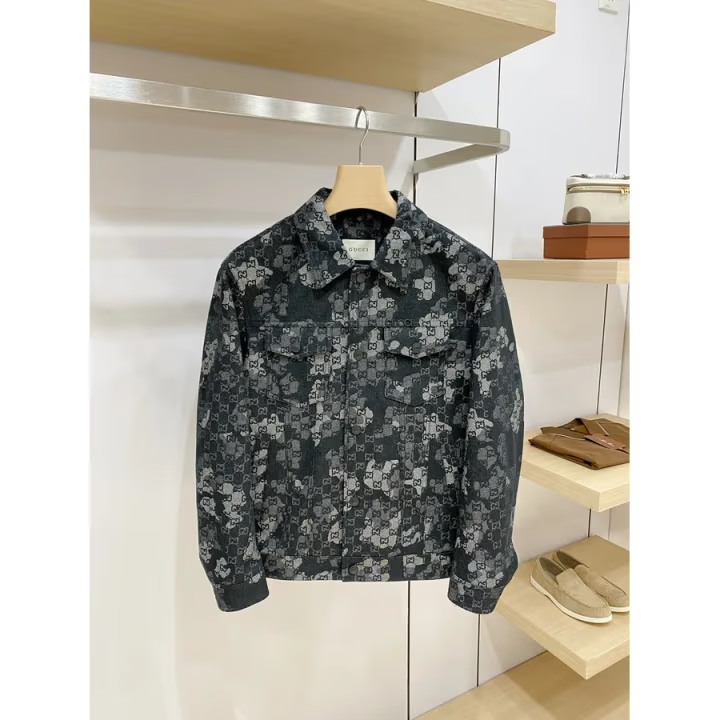
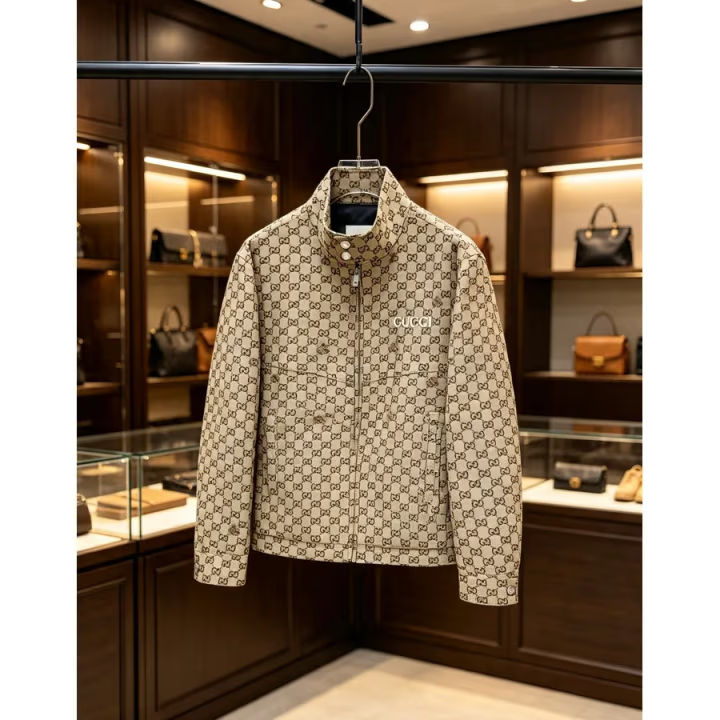
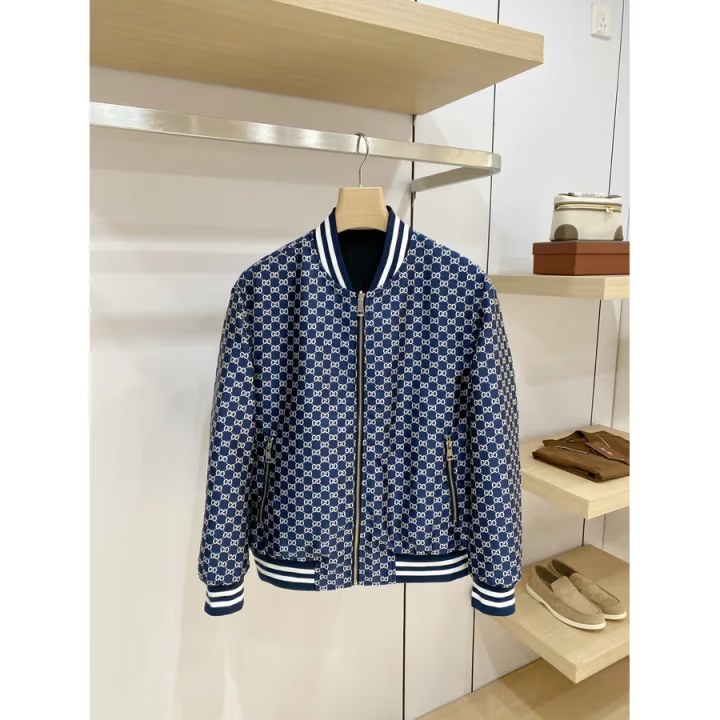
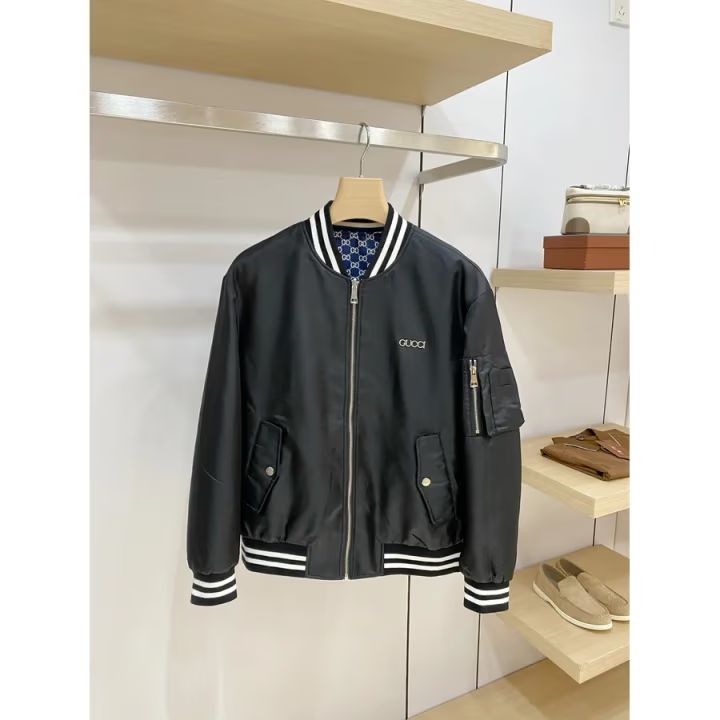
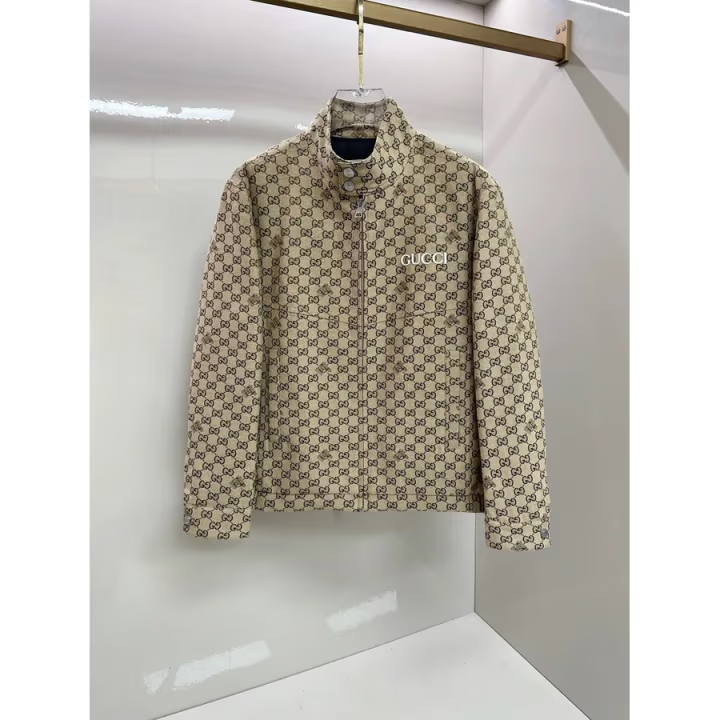
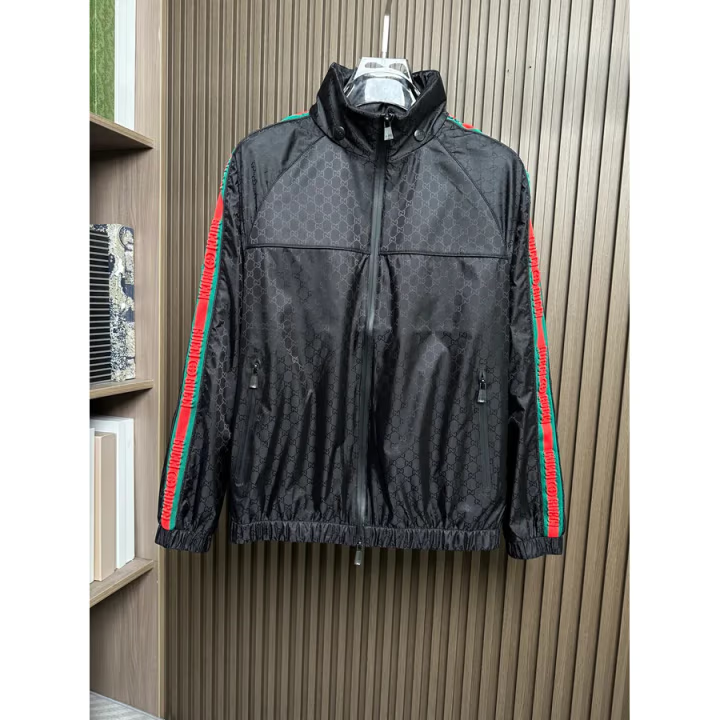
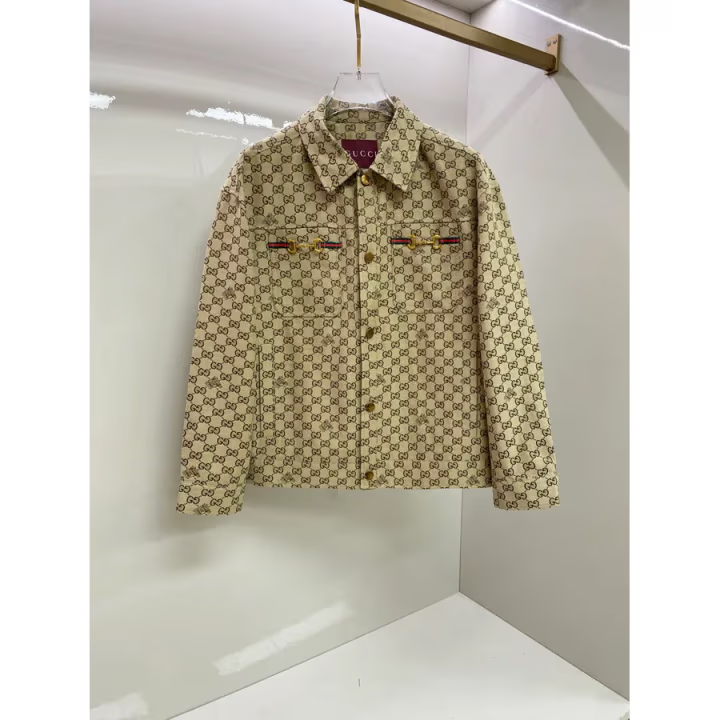
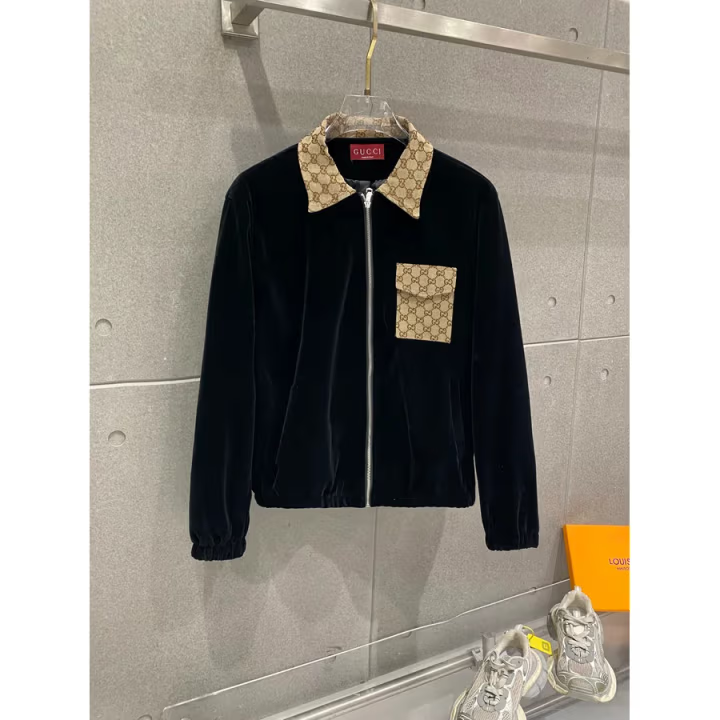
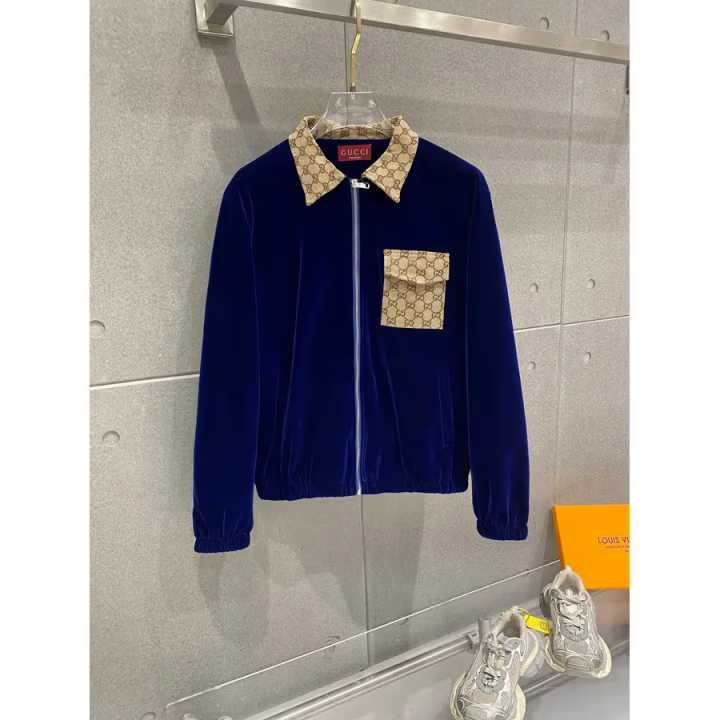
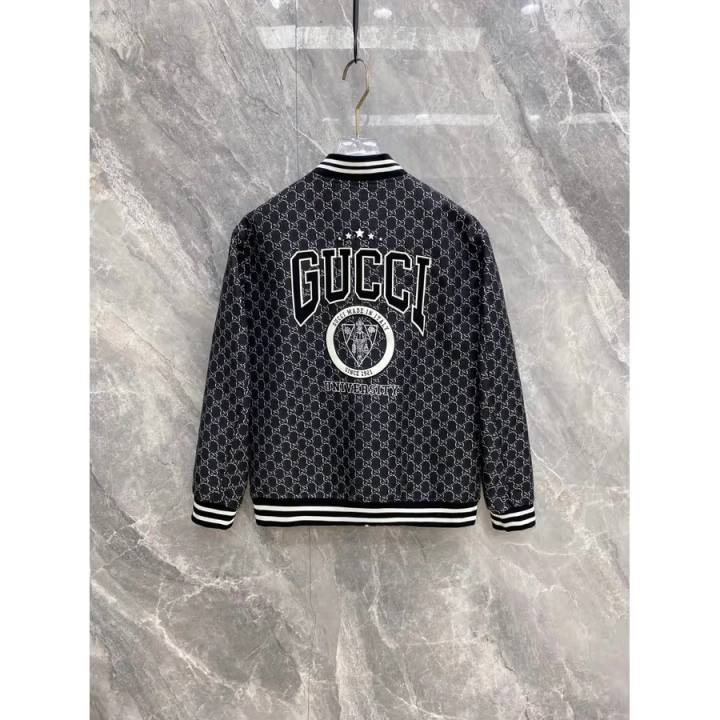
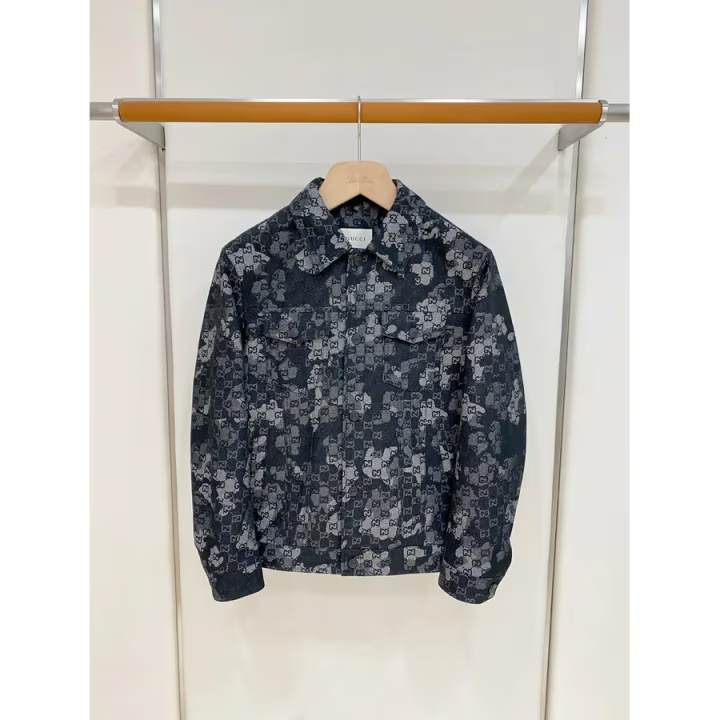
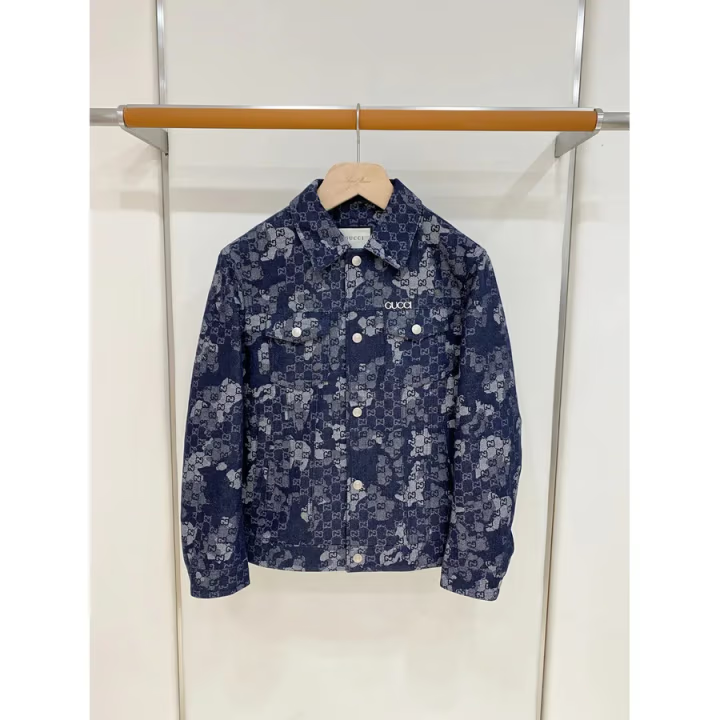
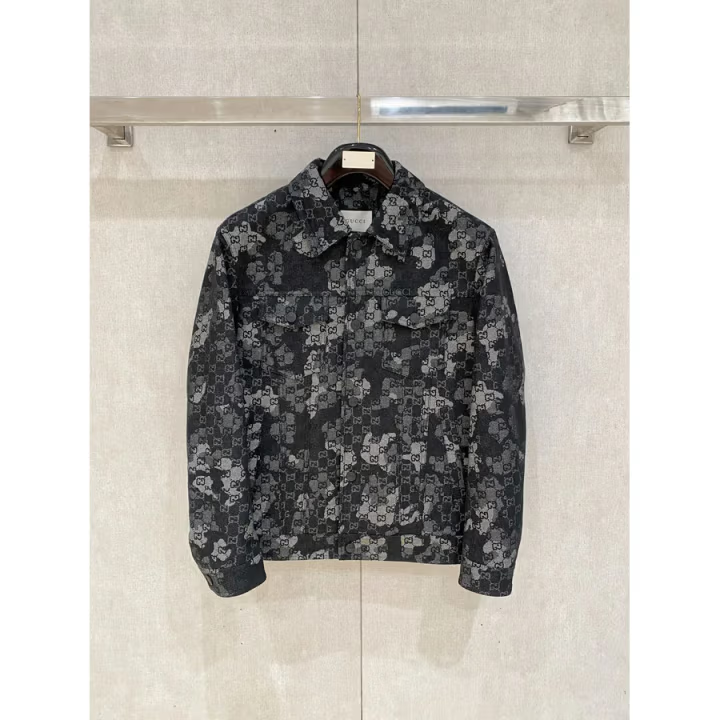
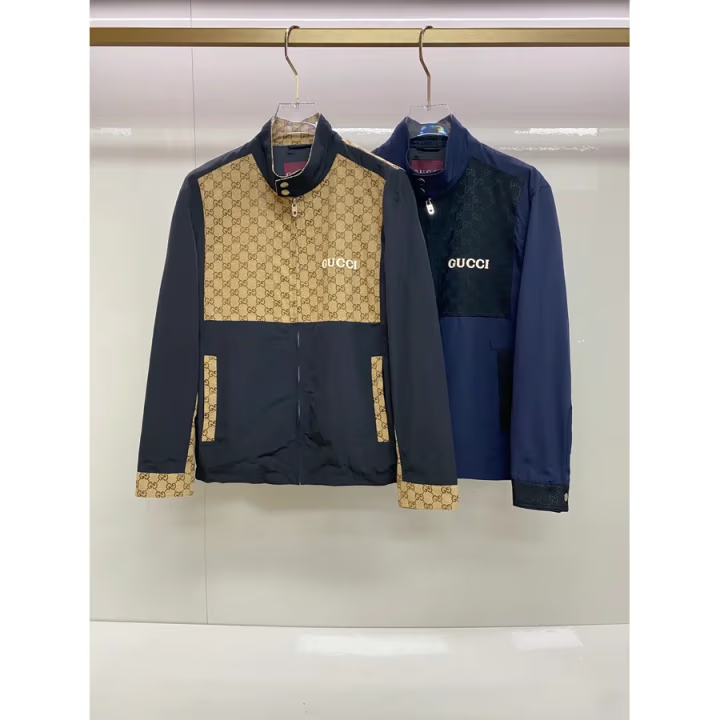
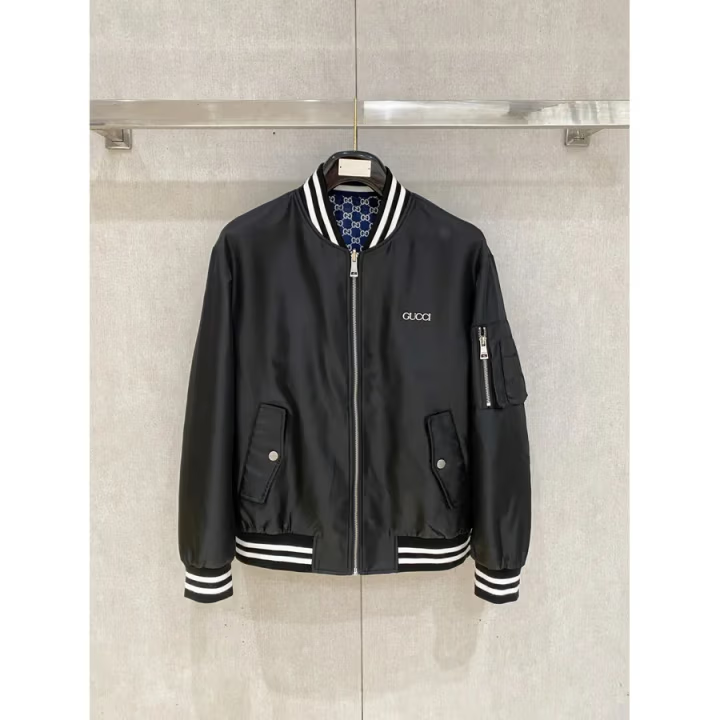
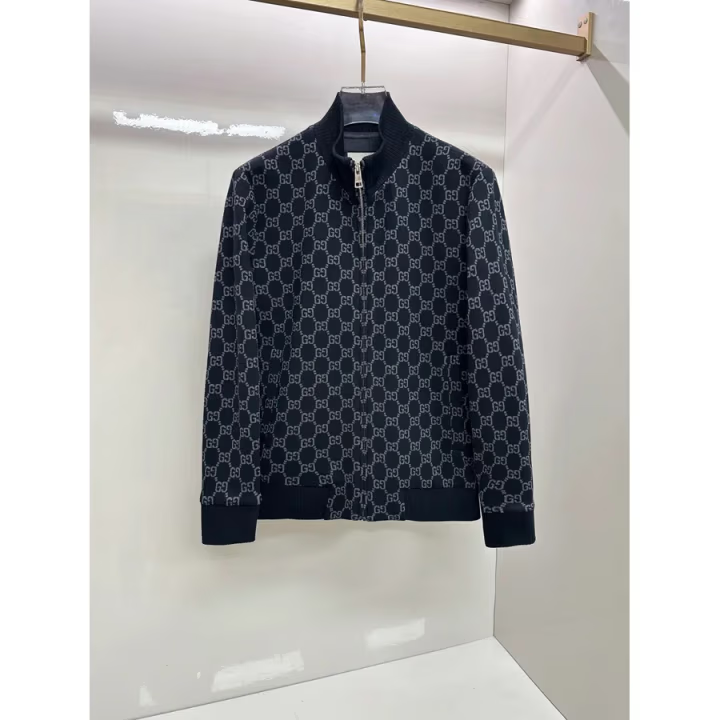
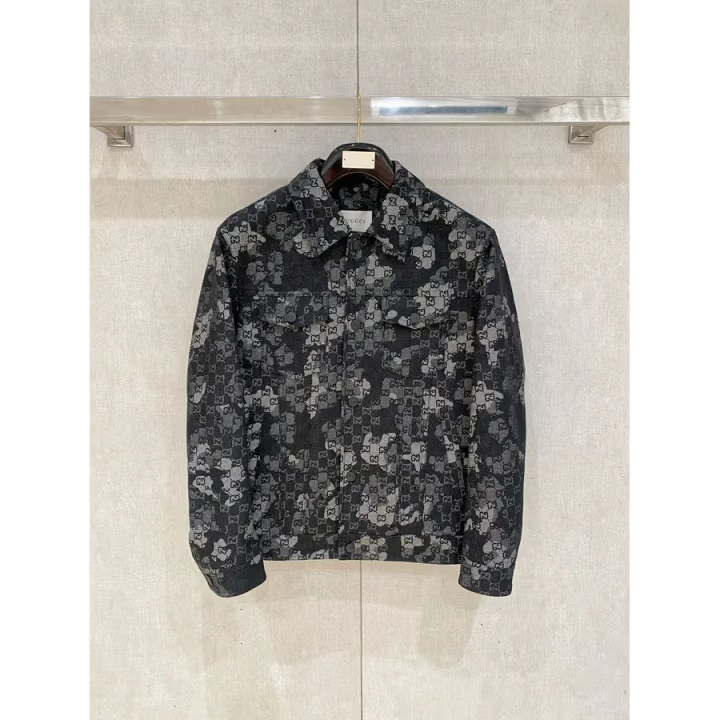
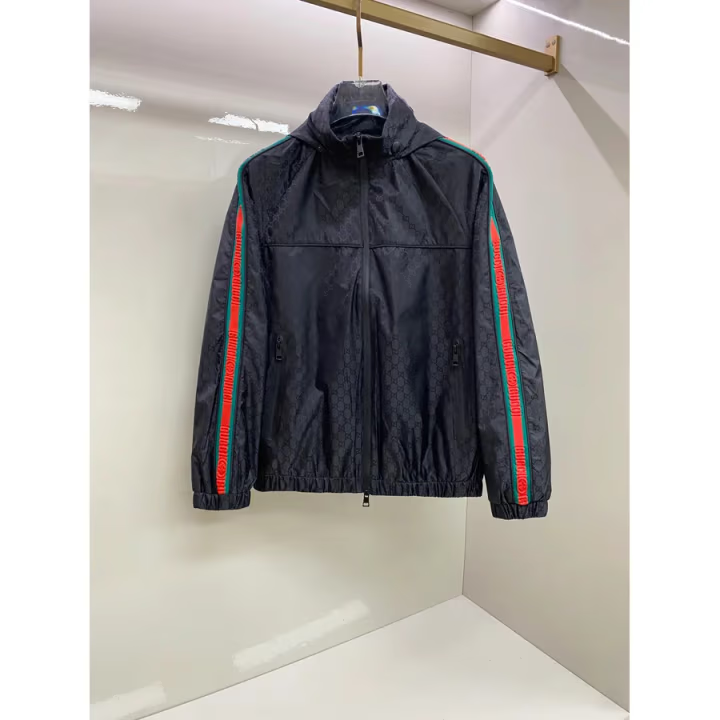
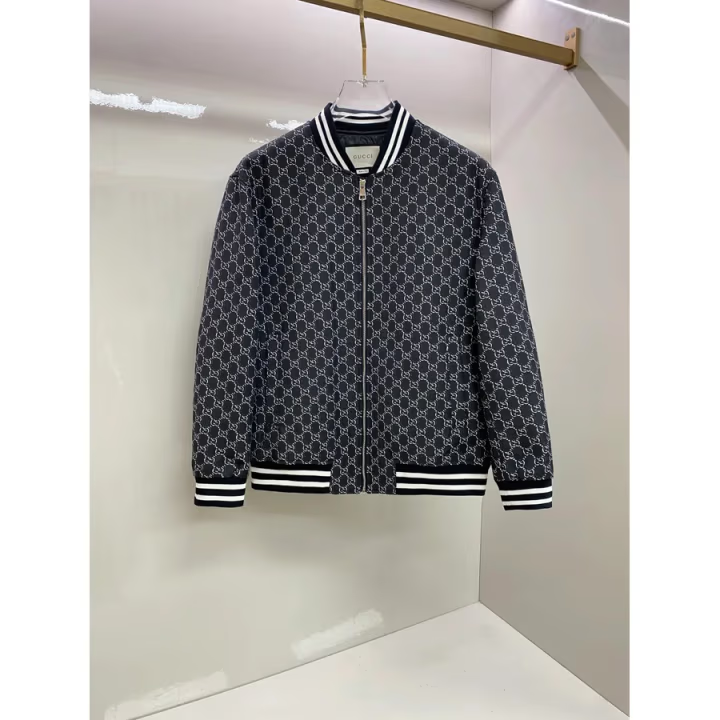
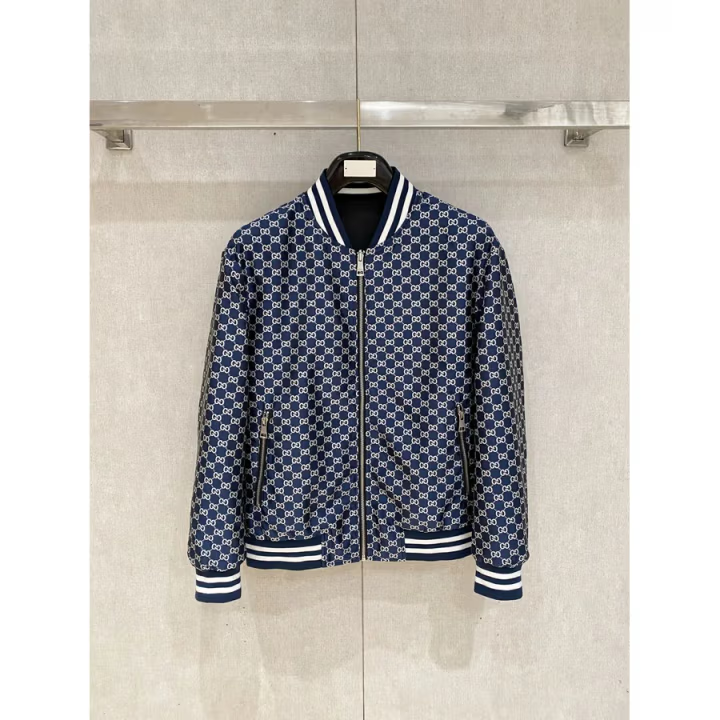
Denim and canvas generally hold a crisp panel shape, while leather can be heavier and more sculptural at the shoulder. Quilted or padded surfaces add outer volume and can make the garmented chest read wider. These are construction properties visible in the catalogue, not size rules. The same label in two materials can settle differently after wear: denim can soften at the elbow, smooth leather may crease along the sleeve, and canvas can remain flat. Compare the outer chest and hem width with the intended layer rather than selecting a size from the word jacket alone.
Length decides the visual proportion
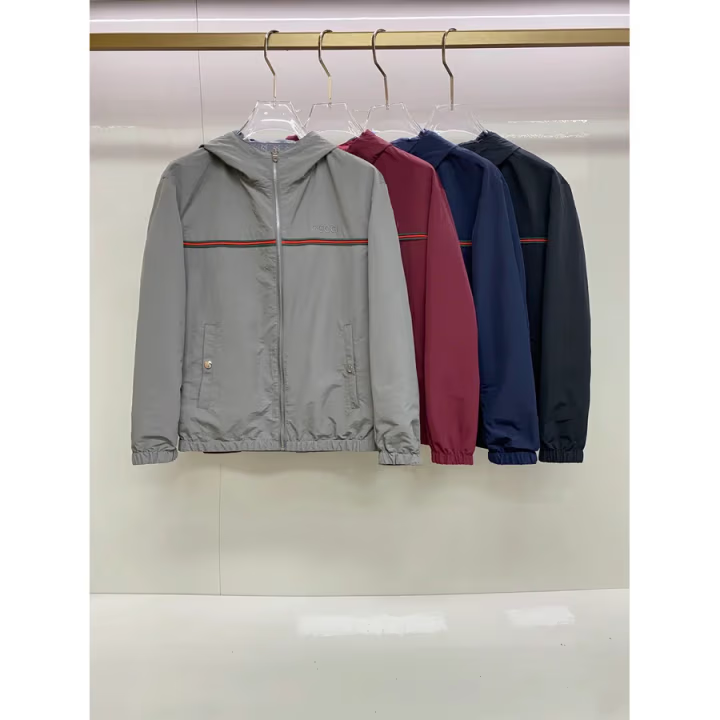
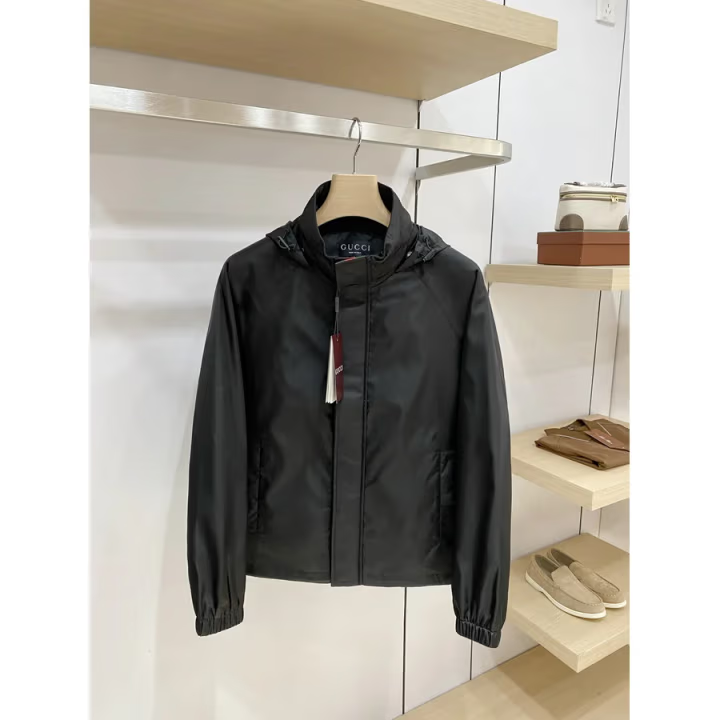
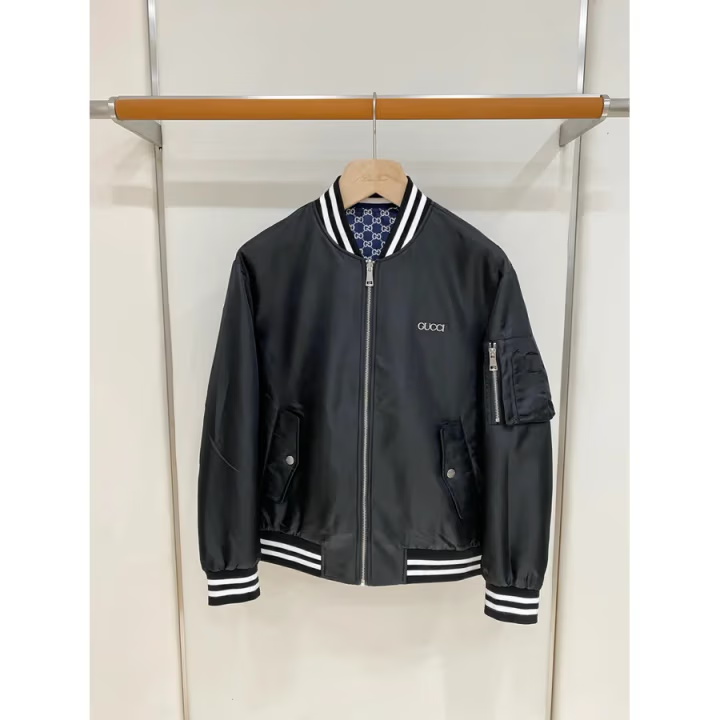
Ask for centre-back length from the collar seam to the hem. A cropped jacket, a hip-length bomber and a longer work jacket can share a chest measurement and produce entirely different proportions. When a photo is the only source, use a model's height and the position of the hem as a rough guide, then confirm with the tape. A larger size often adds only a small amount of length while adding more to the chest. If the shorter size already reaches the desired point on the body, moving up to gain shoulder room may create a boxier result than required.
A five-number jacket comparison
Measure a jacket that fits at shoulder seam or drop point, chest flat and doubled, waist or hem width, centre-back length and sleeve with its starting point named. Place those numbers beside the Gucci product row. Use the body chart only to locate the label. This method handles fitted, relaxed and oversize descriptions without assuming that one fit word has a fixed centimetre effect. Add a straight-on front and back photograph, and note whether the seller measured over a bulky lining or from a flat garment.